

Why At-Home Healthcare Is Becoming the New Normal in the UK
by Northern Life
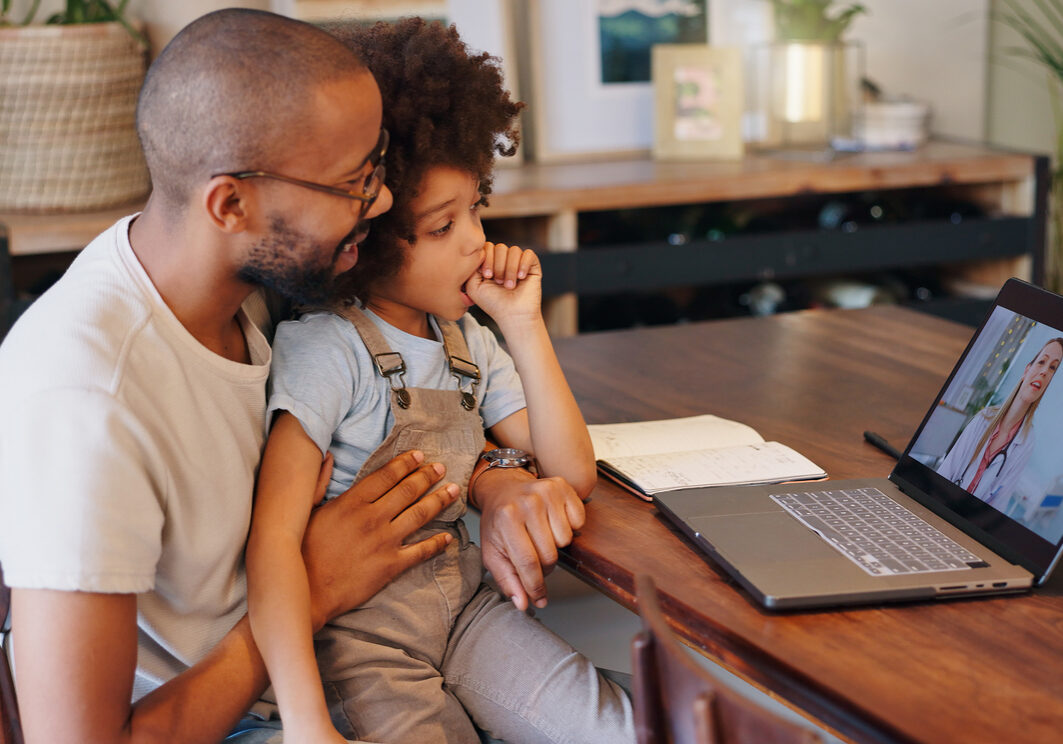
Medical advances are continually made. Patients no longer wait in stifling waiting rooms or drive across town for a ten-minute GP visit. Change has been imposed and accepted. COVID-19 exacerbated existing inefficiencies. People want on-demand healthcare. From online consultations to regular prescription deliveries, the signs are everywhere. Anyone who sees reality knows the transformation is a tidal movement. What motivates? Technology helps, but consumer expectations have caught up.
Convenience is King
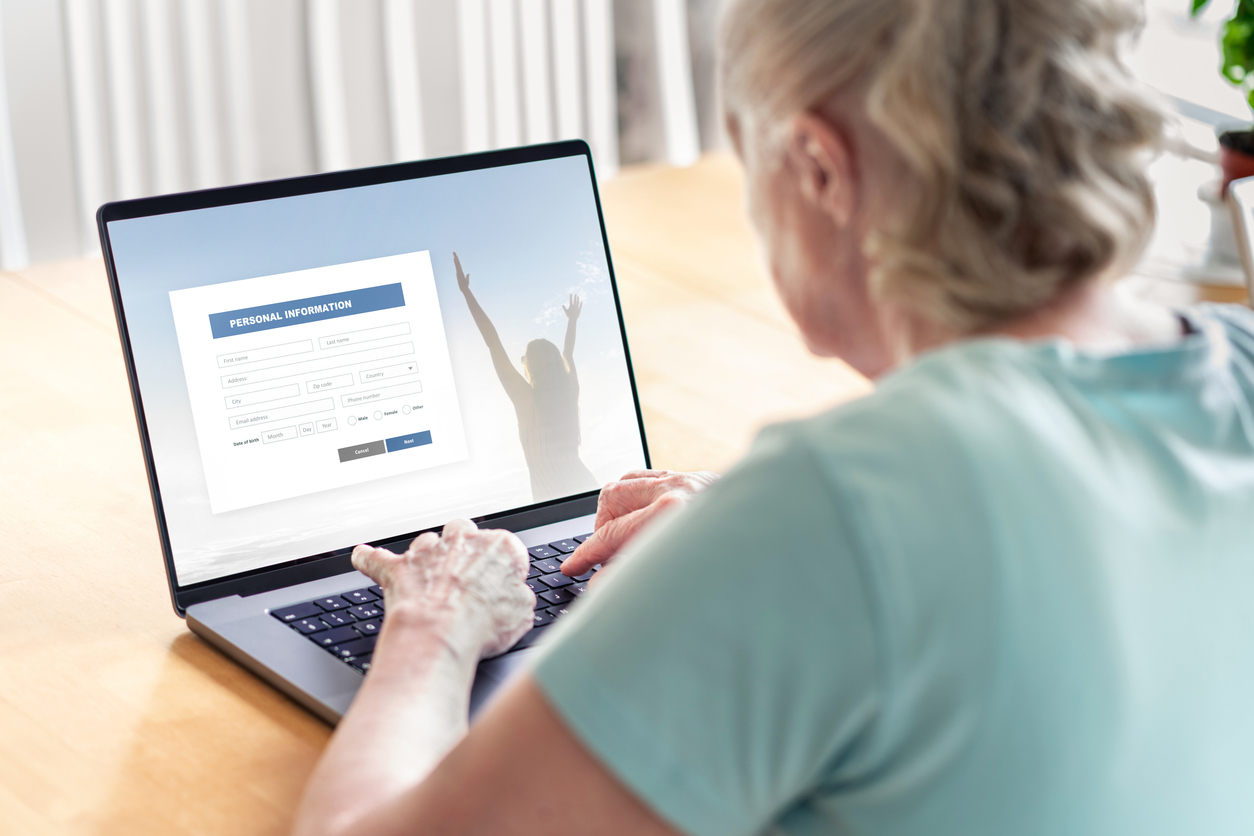
The world moves quickly, and so must healthcare. Digital platforms, such as Anytime Doctor (anytimedoctor.co.uk), have leapfrogged old norms by allowing patients to complete questionnaires and receive care without leaving home or the office. This matters in today’s UK, where time means everything and long commutes for minor ailments make less sense each year. Why face traffic or potential exposure at a clinic when you can conveniently receive a safe consultation from the comfort of your own home? With medicines and test kits delivered directly, stress melts away, and privacy gets the respect it deserves. A quick look at modern life reveals that convenience always triumphs over arguments.
Technology Redefines Access
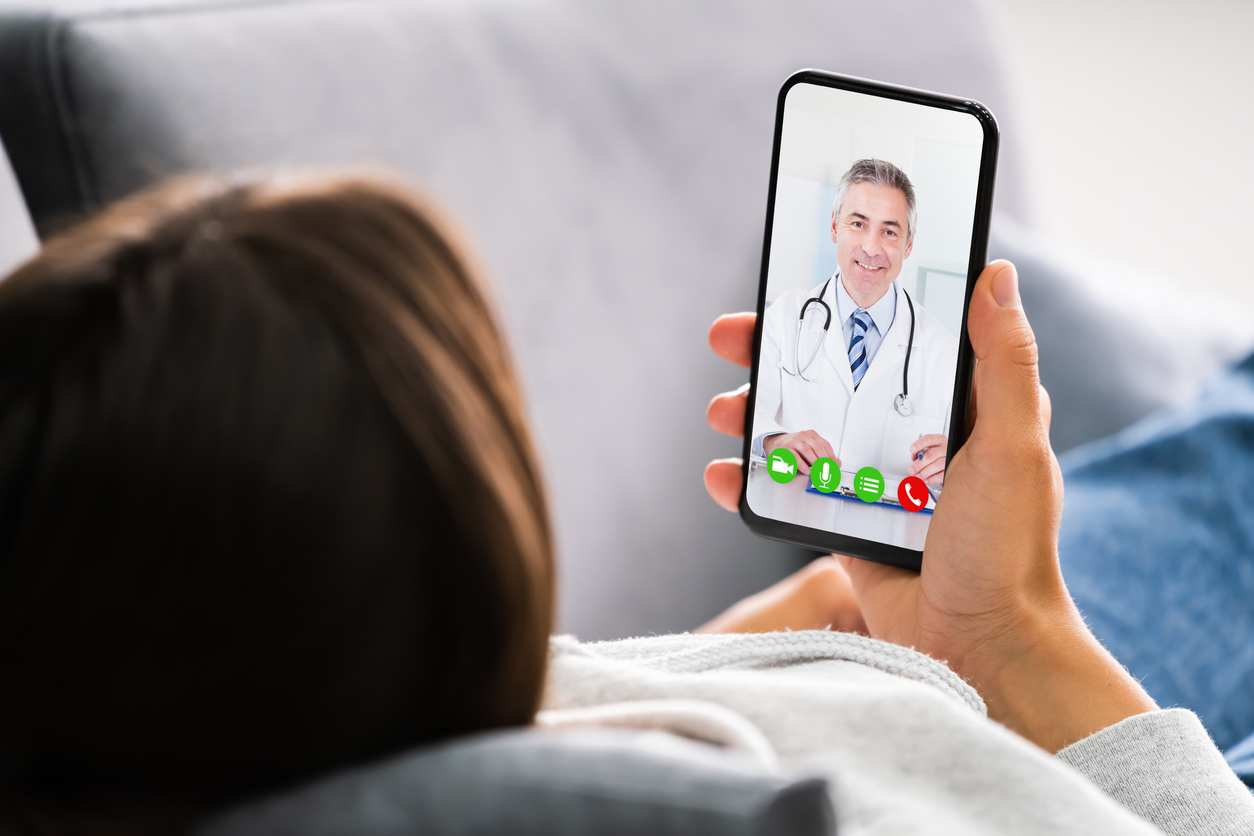
Smartphones are beyond toys and tools. They’re medical gateways. People expect to tap a few icons to reach experts who might otherwise require numerous phone calls or paper forms. Secure video chats avoid bureaucracy, and applications deliver reminders that would impress even the most fastidious planner. Broadband connects rural areas faster than ambulances, putting them on par with city-centric health systems. Tech has removed boundaries that generations once considered insurmountable.
NHS Pressures Play Their Part
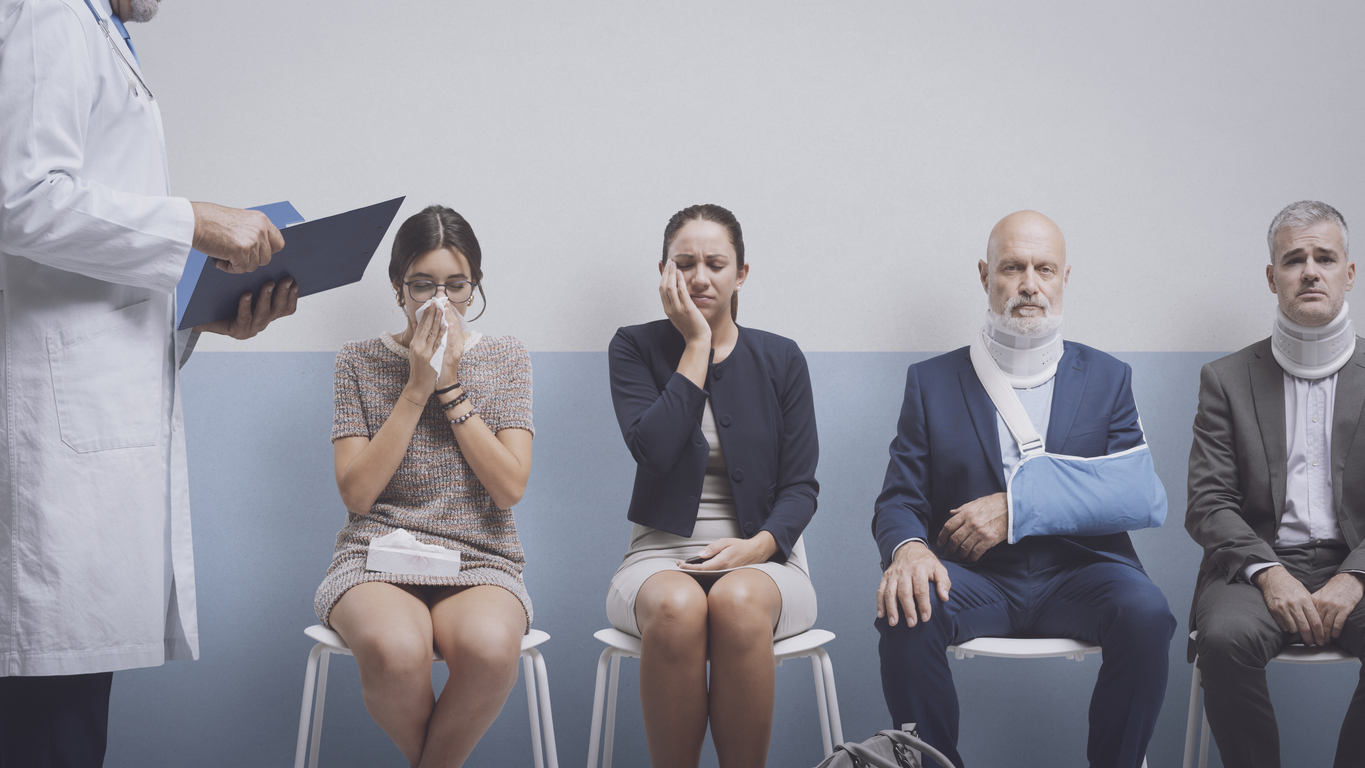
Everyone knows Britain’s beloved NHS constantly juggles tight budgets while tackling soaring demand year after year. Waiting lists stretch; appointment slots evaporate before most can reach the reception desk. Frustration rises. Understandably, individuals might explore other options. At-home models alleviate strain on clinics by filtering out cases that never needed face-to-face attention anyway, freeing GPs and hospitals for urgent needs only they can handle best. The public benefit compounds: more efficient services for all without sacrificing quality or safety in pursuit of speed.
Changing Patient Expectations
What did global lockdowns teach everyone? Flexibility is increasingly essential, and inflexible schedules at faraway institutions are no longer acceptable. People want wellness ownership. Treatment transparency is not negotiable. Many now expect constant updates rather than wondering when help will arrive. A digitally literate patient community drives doctors to change swiftly, a trend that would be inexorable even if governments slowed tomorrow.
Conclusion
The pace is set. There isn’t much room left for romanticism about old-fashioned caretaking to retake centre stage very soon. Healthcare changes because technology makes it easier to access, public expectations grow, and staying the same could make it completely useless. Models that reach individuals directly address pressing issues by simplifying, speeding up, and enhancing dignity, while allowing traditional services to concentrate on areas that truly require human interaction. The change isn’t just rational; it’s going to happen, and every month that goes by, it gets stronger.