
Who Was Francois Blanc and What’s the 666 Roulette Myth?
by Northern Life
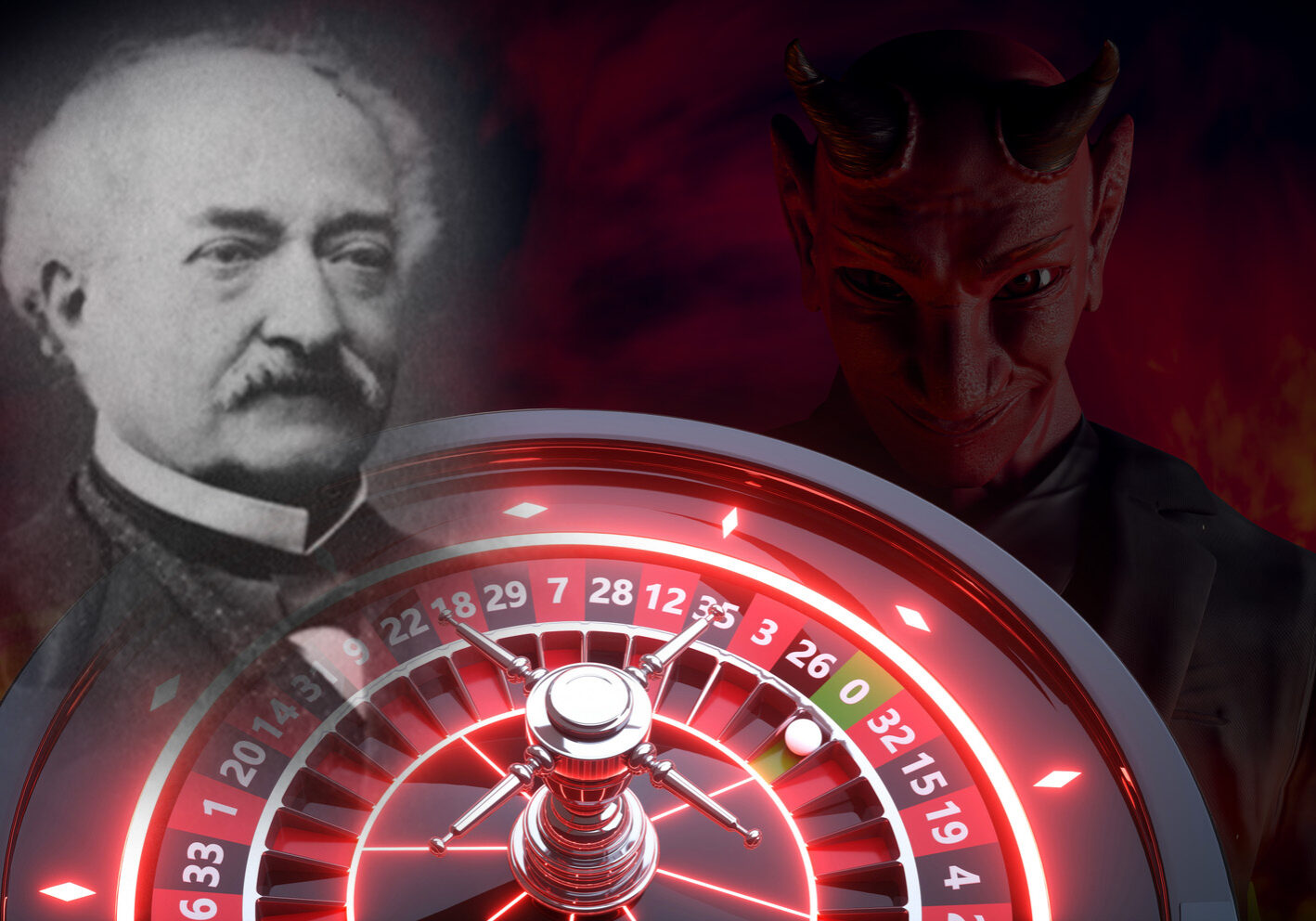
The history of gambling is filled with intriguing names and characters, but few are shrouded in as much mystery as François Blanc. This 19th-century French businessman not only helped roulette become the centrepiece of every casino in the world, but he also became the central figure in one of the most enduring legends in casino folklore. According to the tale, Blanc is said to have made a deal with the Devil to receive the formula for the “perfect” game of chance.
Things have progressed a long way since the 19th century, of course. Many players now enjoy the convenience of online casinos to take part in live dealer roulette games and play slots with no-deposit free spins, all without leaving the comfort of their own home. In an era dominated by technology, belief in superstition has faded.
That, however, makes it all the more fascinating to look into the story behind the man who created such a successful casino game that it sparked an enduring myth. How did Blanc lay the foundation for modern roulette, and did he make a pact with the Devil?
Who Was François Blanc?
François Blanc (1806–1877) was born in modest circumstances in France, but he and his brother Louis shared a clear belief: that wealth is not something one prays for – it must be won or built. Their first ventures were in stock market speculation and government bonds, but they soon realised that real money wasn’t to be found on the trading floor, but at the gaming table.
Their breakthrough came in the German spa town of Bad Homburg, where the brothers opened their casino. It was here that François introduced the revolutionary concept of the single-zero European roulette wheel. Compared to the traditional French version, which featured both a single and a double zero, this was a significantly fairer proposition, and it didn’t go unnoticed.
Before long, players from across Europe were eager to play Blanc’s famous single-zero European roulette, where the odds were superior. As his success in Germany began to outgrow its setting, Blanc moved his empire to Monaco. In 1863, he became the visionary behind the iconic casino in Monte Carlo, and with it, he claimed the unofficial title of the “Prince of Gambling”.
What Exactly Was Blanc’s Innovation?
As we know, François Blanc was behind the European version of roulette, which features a single zero. But what made this such a groundbreaking change? Before Blanc’s intervention, the standard roulette wheel (particularly the French version) included two zero pockets: a single (0) and a double zero (00).
This significantly increased the house edge, which sat at around 5.26%. Blanc, together with his brother Louis, devised a new version of the wheel by removing the double zero, leaving just one zero and the usual 36 numbers.
This adjustment lowered the house edge to approximately 2.7%, making the game far more appealing to players and boosting the popularity of casinos that adopted the new format. His single-zero design proved so successful that it became the standard in most European casinos.
Main Variants of Roulette and the House Edge:
- European Roulette (1× 0): ~2.7%
- French Roulette (1× 0 + special rules such as la partage or en prison): ~1.35%*
- American Roulette (0 + 00): ~5.26%
* Traditional French roulette, which originated in 18th-century France, featured two zeros.
Today, you’ll find various roulette versions at licensed online casinos, and the European model remains one of the most popular to this day. That’s a nod to just how revolutionary and literally game-changing Blanc’s concept was.
The Legend of 666 and the “Devilish” Roulette
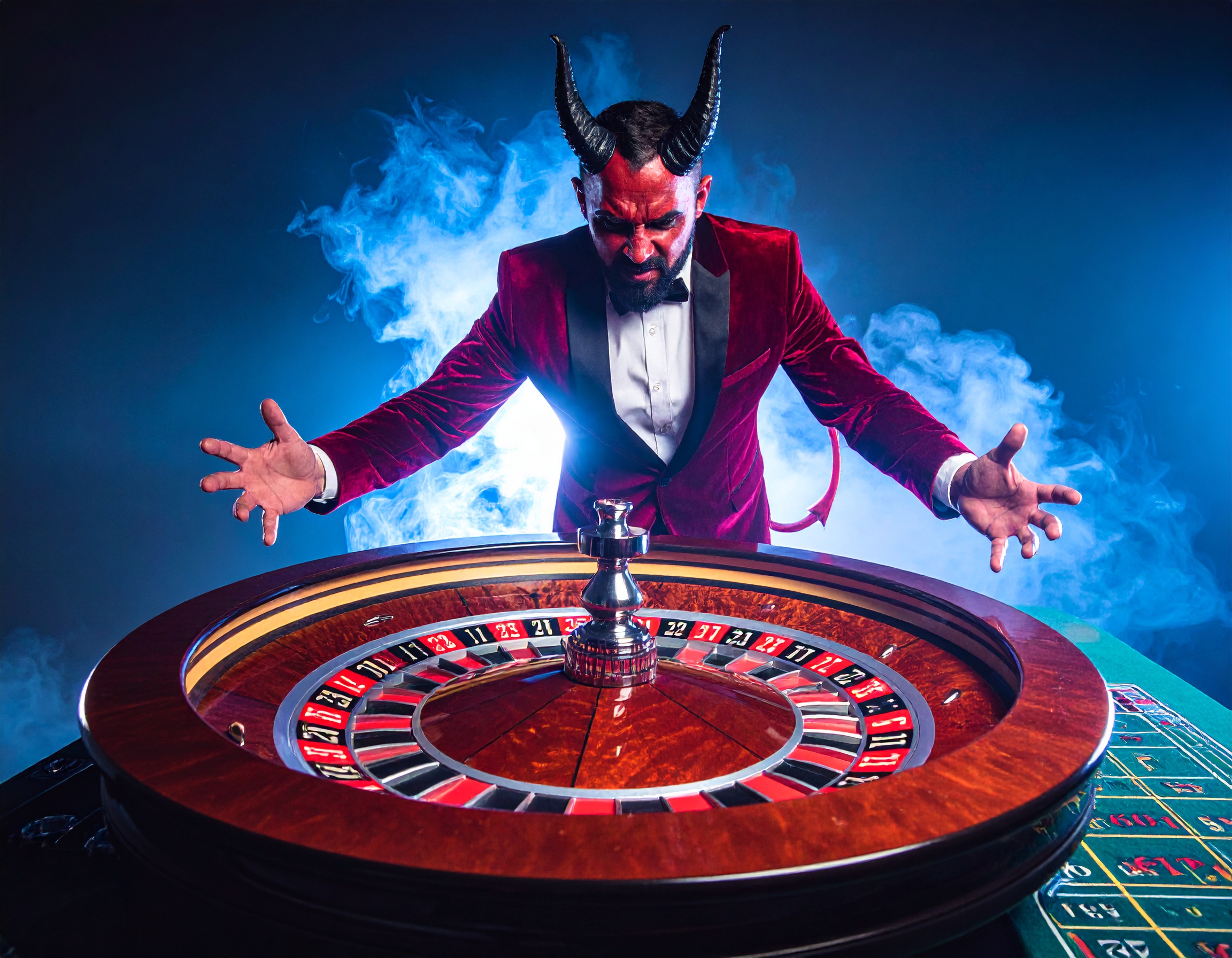
Perhaps the most famous and mysterious part of Blanc’s story is the legend that he created his version of roulette through a pact with the Devil. According to some historical anecdotes, Blanc is even said to have confessed that the “know-how” behind the roulette layout came directly from Lucifer himself.
if you add up all the numbers on a roulette wheel (from 1 to 36), the total is 666 – the so-called “Number of the Beast”
This myth, however, has a simple origin in numerology: if you add up all the numbers on a roulette wheel (from 1 to 36), the total is 666 – the so-called “Number of the Beast”. While it’s nothing more than a legend, this tale added a layer of mystique to the game and captured the public’s imagination.
Some believe Blanc cleverly used this “diabolical” reputation as a stroke of marketing genius. Whatever the truth may be, it doesn’t change the fact that roulette has become one of the most iconic casino games in history, and to this day, it remains a symbol of elegance and high-stakes excitement.
The Legacy of François Blanc
The story of François Blanc shaking hands with the Devil is, let’s be honest, far-fetched. But the man himself? Well, he was nothing short of remarkable. With a sharp mind for business and just the right dose of audacity, Blanc helped transform roulette from a parlour pastime into a casino centrepiece.
Monte Carlo as we know it today (elegant, extravagant, endlessly photogenic) wouldn’t exist without his touch. His influence didn’t vanish when he did, either because the single-zero roulette wheel he championed still spins in casinos across the globe, bridging centuries of myth, mathematics and marketing.
Final Word
Devil or not, François Blanc clearly knew how to play the long game. He didn’t just beat the odds, he rewrote them. The 666 myth gives the story a nice gothic edge, but even stripped of the drama, Blanc’s life is a masterclass in guts, grit, and turning a gamble into a monumental history.