

What Smart Buyers Check Before Their First Property Viewing
by Northern Life
This guide walks through what experienced buyers check before their first property viewing
Booking your first property viewing is an exciting step, but it’s also one where many buyers make avoidable mistakes. Viewings can be emotional, time-pressured, and overwhelming, especially if you’re keen to secure a home quickly. Smart buyers know that preparation is just as important as the viewing itself.
Taking time to research, plan, and ask the right questions before you step through the door can help you avoid wasted viewings, spot potential issues early, and feel more confident when it comes to making an offer.
This guide walks through what experienced buyers check before their first property viewing, helping you approach the process with clarity rather than guesswork.
Start With a Clear Budget (and Stick to It)

Before booking any viewings, it’s essential to know what you can realistically afford. This goes beyond the asking price and includes:
- Your mortgage agreement in principle
- Deposit amount
- Stamp Duty (if applicable)
- Legal fees, surveys, and moving costs
Viewing properties above your budget can be tempting, but it often leads to disappointment or unnecessary pressure later. Smart buyers focus only on homes that fit comfortably within their financial limits.
Research the Area Before You Visit
A property might look perfect online, but location plays a huge role in long-term satisfaction and value.
Before attending a viewing, research:
- Transport links and commute times
- Local schools and catchment areas
- Nearby amenities such as shops, parks, and healthcare
- General feel of the neighbourhood at different times of day
Many buyers begin by narrowing down what’s actually available in their preferred locations before committing to viewings. Understanding finding homes for sale near you helps filter out unsuitable options early and ensures you’re only viewing properties that genuinely match your lifestyle and priorities.
Understand the Asking Price and Market Context

Smart buyers don’t just look at the asking price — they look at how it compares to the local market. Consulting with professional estate agents who are attuned to local pricing trends and recent sales activity can provide valuable context, helping buyers understand whether a property is fairly priced, potentially overvalued, or likely to allow room for negotiation.
Before viewing, check:
- Recent sold prices for similar homes nearby
- How long the property has been on the market
- Whether the price has been reduced
This context helps you assess whether a property is realistically priced or likely to require negotiation. It also gives you confidence when discussing offers later on.
Read the Listing Carefully (and Critically)
Property descriptions and photos are designed to show a home in its best light. Before viewing, read between the lines.
Pay attention to:
- Room sizes rather than vague descriptions
- Floor plans (or the lack of them)
- Energy Performance Certificate (EPC) rating
- Any missing information that may raise questions
If key details are unclear, make a note to ask during the viewing rather than assuming.
Prepare a Viewing Checklist

Turning up unprepared can make it easy to forget important checks, especially if the property makes a strong first impression.
A simple checklist might include:
- Overall condition of walls, floors, and ceilings
- Signs of damp, mould, or cracking
- Natural light and room orientation
- Storage space
- Noise levels inside and outside
Having a checklist keeps the viewing focused and helps you compare properties more objectively afterwards.
Look Beyond Décor and Furnishings
It’s easy to be distracted by stylish interiors or clever staging, but smart buyers focus on the fundamentals.
During the viewing, consider:
- Layout and flow of the home
- Size and usability of rooms
- Potential for future changes or extensions (subject to permission)
Décor can be changed, but layout, natural light, and structural features are much harder to alter.
Ask Practical Questions During the Viewing
A viewing isn’t just about looking — it’s your chance to gather information.
Useful questions include:
- Why is the seller moving?
- How long has the property been owned?
- Are there any known issues with the property?
- What fixtures and fittings are included?
The answers can provide valuable insight and sometimes highlight things that aren’t obvious from the listing.
Consider Running Costs and Efficiency
Monthly affordability matters just as much as purchase price.
Before or during the viewing, consider:
- EPC rating and energy efficiency
- Heating type and age of boiler
- Council tax band
Higher running costs can significantly affect your budget over time, especially with rising energy prices.
Take Notes and Photos (If Allowed)
Viewings can blur together, particularly if you’re seeing multiple properties in a short period.
Smart buyers:
- Take brief notes immediately after the viewing
- Photograph key areas (with permission)
- Record first impressions while they’re fresh
This makes it much easier to compare properties later and avoid relying on memory alone.
Don’t Rush a Decision
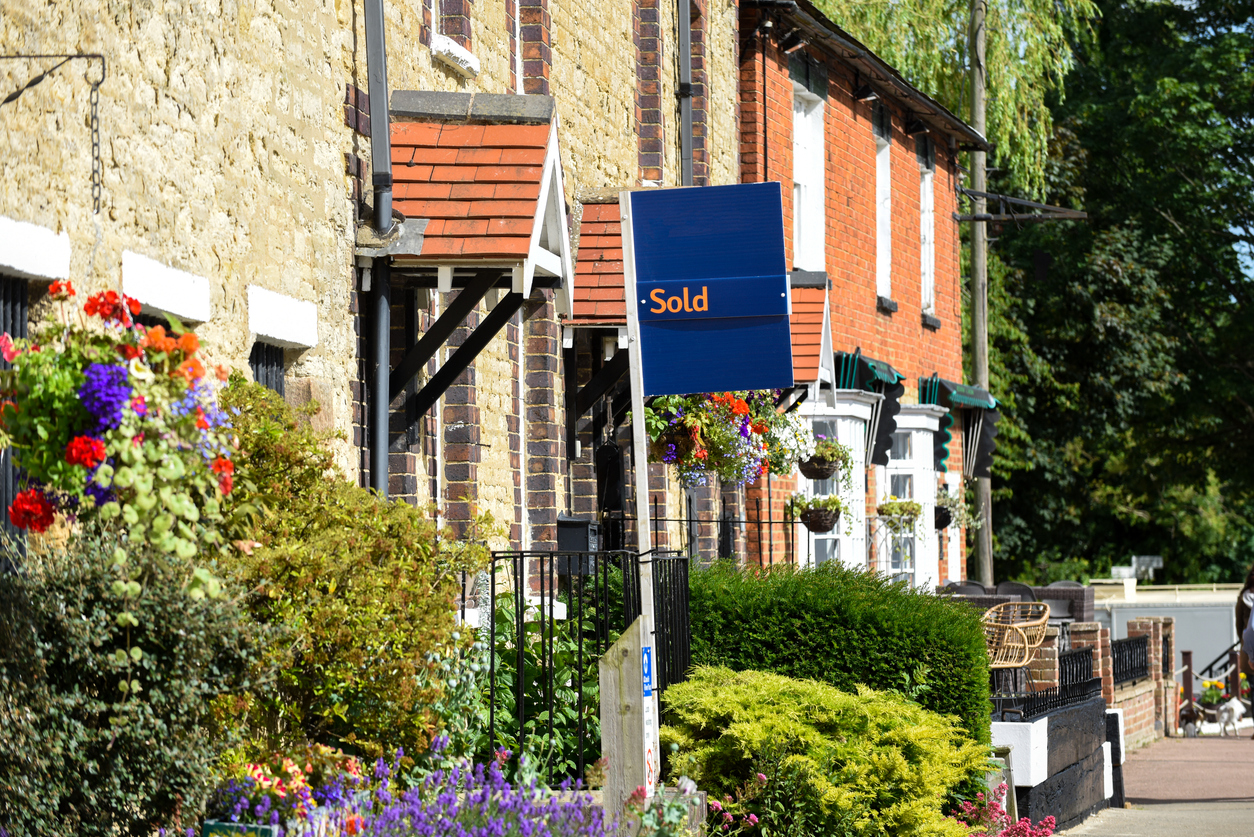
It’s natural to feel pressure, especially in competitive markets, but rushing often leads to regret.
If you’re unsure:
- Ask for a second viewing
- Visit the area again at a different time
- Review your notes calmly
A well-considered decision usually leads to a better long-term outcome than a rushed one.
Final Thoughts: Preparation Makes Better Buyers
The most successful property buyers aren’t those who view the most homes — they’re the ones who view the right homes. By setting clear criteria, researching locations, understanding pricing, and approaching viewings with a plan, you put yourself in a far stronger position.
Your first property viewing should be an opportunity to confirm whether a home truly fits your needs, not a guessing game. With the right preparation, you’ll feel more confident, more informed, and far better equipped to take the next step when the right property comes along.