


What Happens During an MOT Test? A Step-by-Step Breakdown
by Northern Life
Let's go behind the garage doors
If you drive a car that’s over three years old, you’ll need to get an MOT test done every year to stay road legal. But what actually goes on once your car disappears into the garage? For many, it’s a bit of a mystery.
You hand over the keys and wait, hoping everything passes. In reality, the process follows a strict checklist designed to protect you and others on the road. Keep reading if you want to know what happens behind the garage doors.
Arrival and Vehicle Details
Once you arrive for your appointment, the tester will begin by checking the vehicle identification number (VIN) and your registration plate. These details must match your DVLA records. If they don’t, that’s already a problem.
You’ll likely be asked to wait in the viewing area or reception while the test takes place. If you’re based in Greater Manchester, finding a local MOT in Manchester means you won’t have to travel far or take time off work to keep your car compliant.
Exterior Checks
The outside of your car gets attention straight away. The tester looks at your lights, mirrors, windscreen, wipers, and doors. They’ll check for cracks, chips, or missing pieces. Your tyres also get inspected for damage, uneven wear, and correct tread depth.
Under the Bonnet
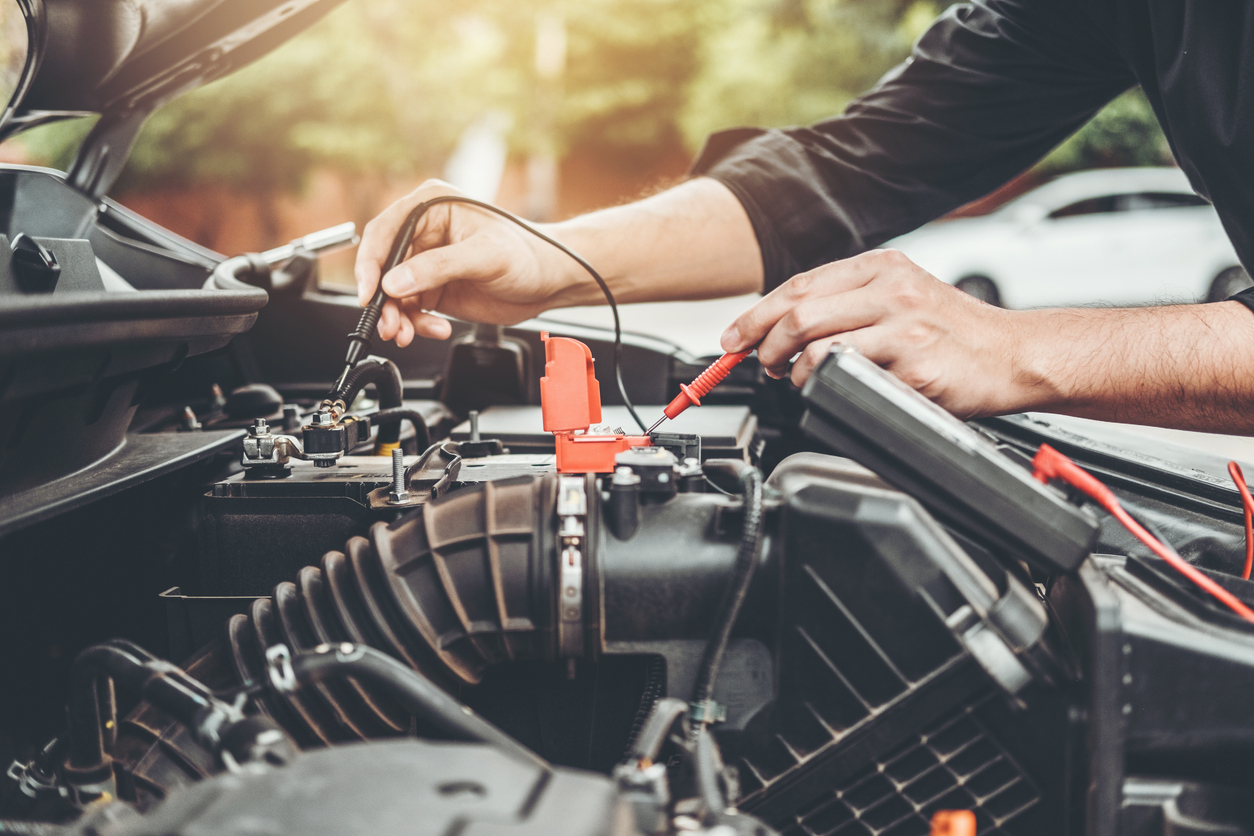
Next up, the tester moves to the engine bay. They won’t dismantle anything but will make sure essential components are in good condition. They’ll look at fluid levels like brake fluid and screen wash, check for leaks, and make sure there’s no noticeable damage.
Emissions and Exhaust
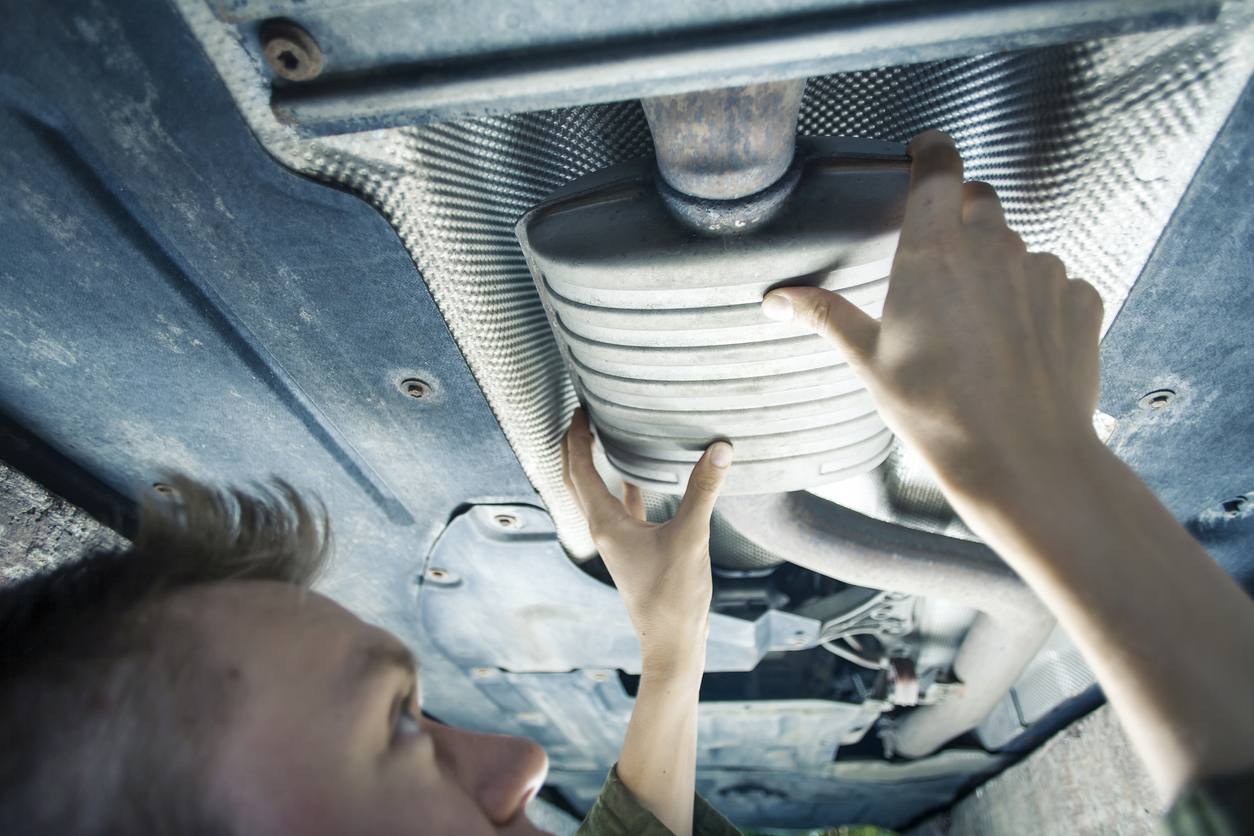
Your exhaust system isn’t just about sound; it plays a key role in reducing harmful emissions. The tester checks for leaks and unusual smoke, and depending on your fuel type, may use specialised equipment to measure pollution levels coming from the tailpipe.
Interior Inspection
Inside the car, they’ll test the horn, seatbelts, and warning lights on the dashboard. Everything should work as intended. If your ABS or airbag lights stay on, that’s usually a fail. The driver’s seat and seatbelt anchorage also need to be securely fitted.
Brakes and Suspension
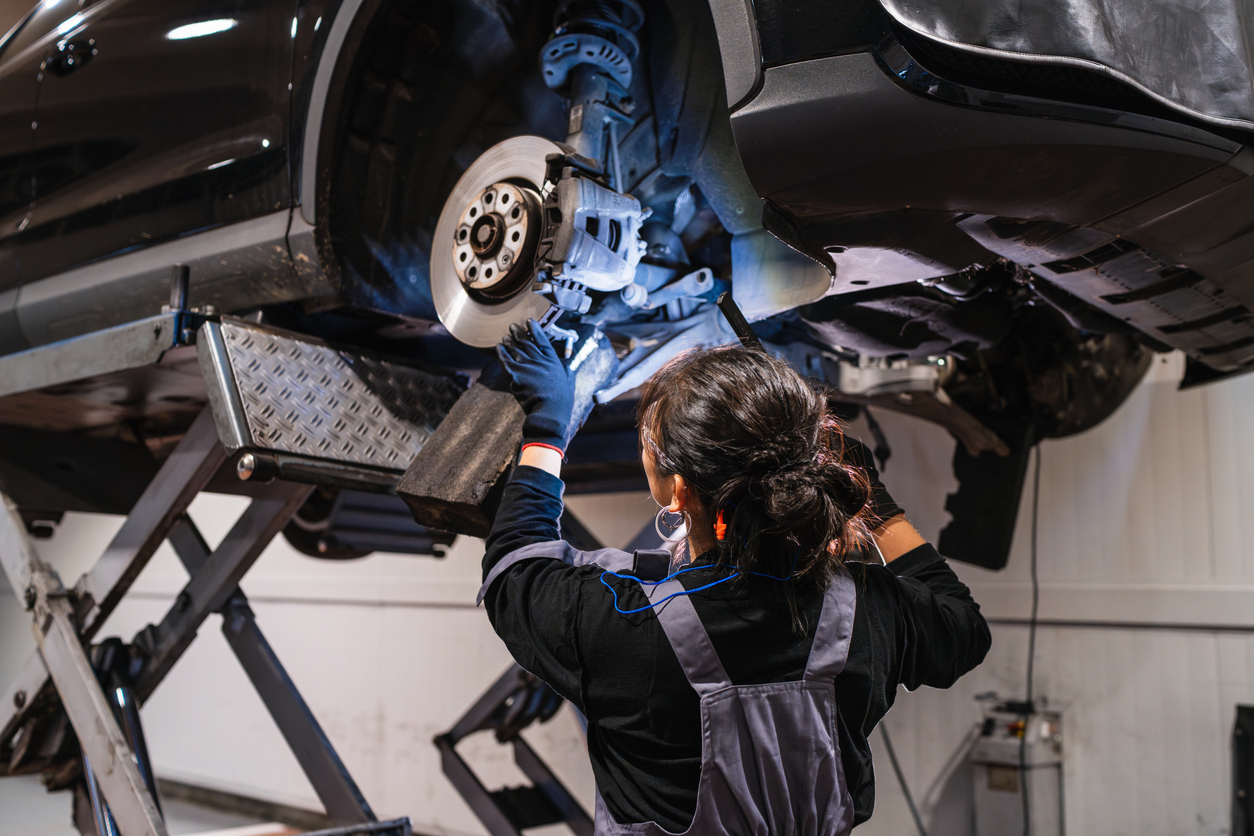
One of the most critical parts of the MOT is checking the braking system. The tester will use a rolling road to measure brake force and balance. They’ll also examine the suspension to make sure there’s no damage or excessive wear that could affect handling.
Steering and Underbody
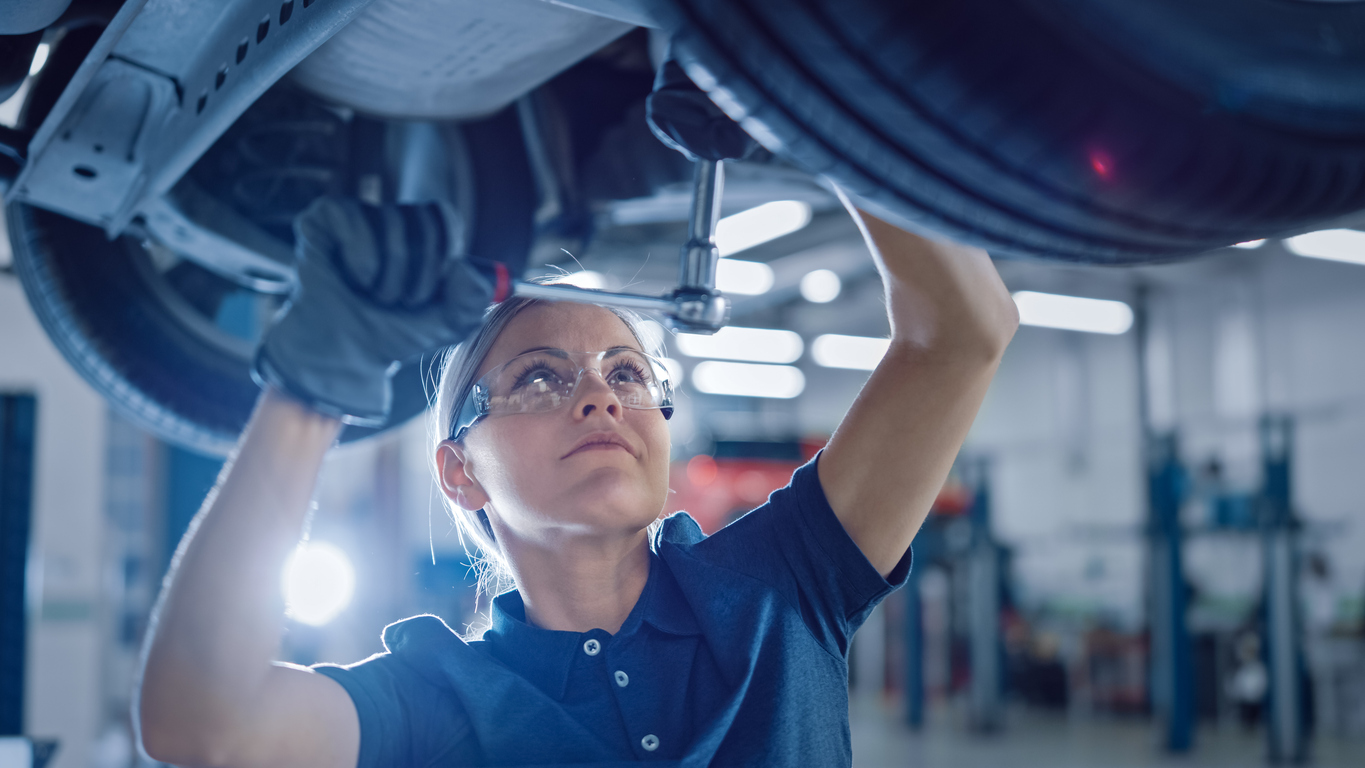
Steering components are inspected for looseness or wear. Underneath the car, rust, corrosion, and any signs of damage to the chassis or fuel system are also looked for. This is where structural integrity gets its final check.
Final Decision and Certificate
Once all checks are complete, the tester records the results. If everything passes, you’ll receive a pass certificate. If there are minor issues, they’ll be noted for future reference. If your car fails, you’ll get a failure document listing what needs to be fixed. Some garages offer a free retest if repairs are done within 10 working days.
Closing Remarks
Getting an MOT shouldn’t feel like a guessing game. Now that you know what happens during the test, you’ll be better prepared and less anxious. Stay on top of routine maintenance, listen for unusual noises, and keep your service schedule in check. That way, your next visit won’t come with surprises.