

What Are The Most Common Causes of Phone Screen Damage?
by Northern Life
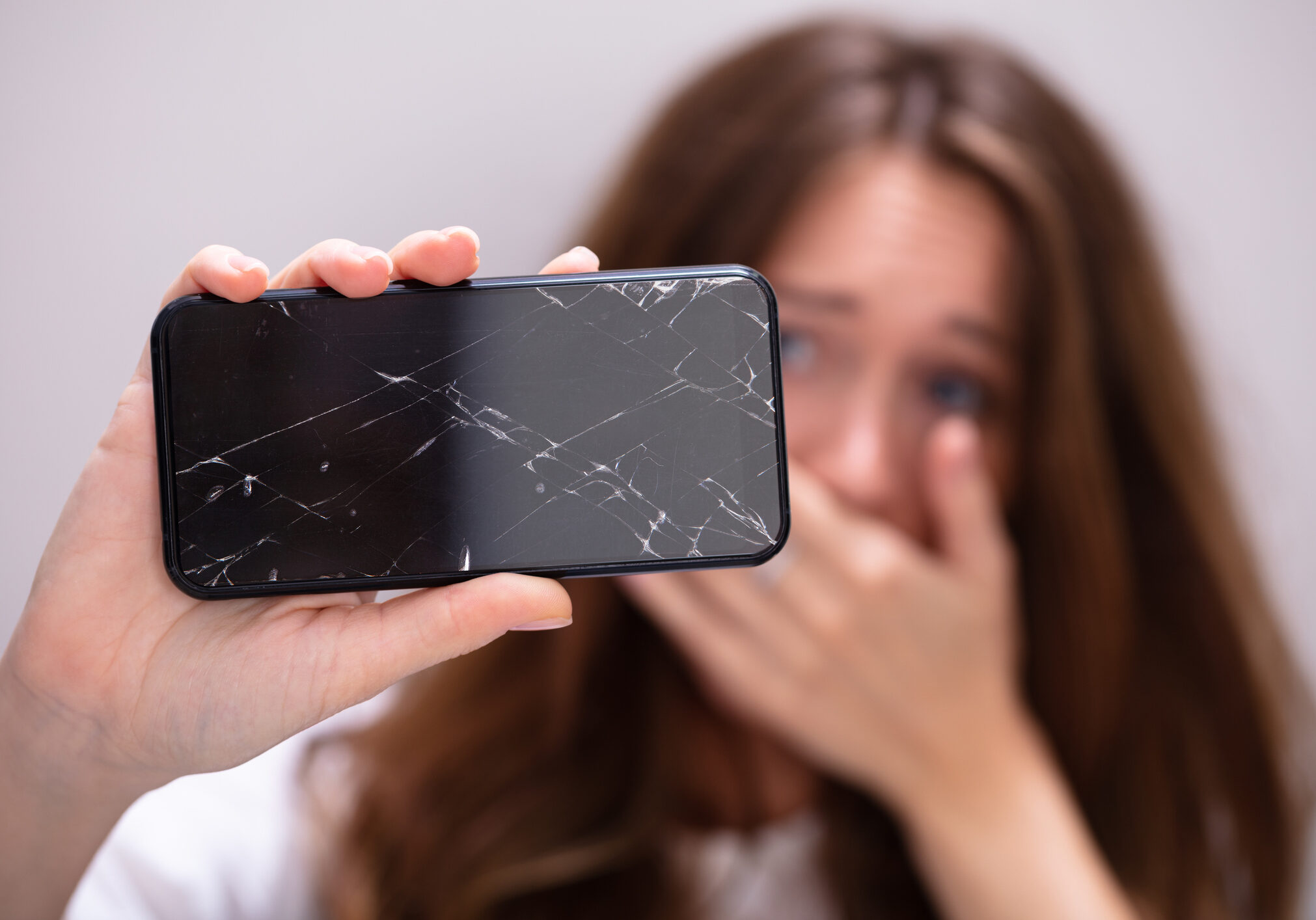
Phone screens break so often that many people treat them as bad luck rather than a real warning sign. In reality, a cracked screen usually reflects how deeply a phone is woven into everyday habits, from commuting and working to relaxing at home. A damaged screen can affect touch accuracy, visibility, and even internal components over time. Small cracks often spread, collect dust, or weaken the device’s structure without being noticed. In this article, we will explore why phone screens break so easily, how daily behaviour contributes to damage, and when repair or replacement makes the most sense.

Accidental Drops from Any Height
Slips from Pockets, Desks, or Hands
Most phone drops happen from surprisingly low heights, such as slipping out of a pocket or off a desk. These moments usually occur when people are distracted, tired, or multitasking during daily routines. Even a short fall can create enough force to damage the glass surface. Repeated minor drops can weaken the screen long before it visibly cracks. Over time, one small slip becomes the final trigger for noticeable damage. This is why careful handling during routine movements matters more than people expect.
Impact on Corners or Directly on the Screen
The angle of impact matters just as much as the height of a fall. Phones that land on corners experience concentrated force, which can spread cracks across the display quickly. Direct face-down impacts often damage both the glass and the touch layer underneath. Protective glass helps, but it cannot absorb all shock energy on its own. Once structural stress builds up, the screen becomes more vulnerable to future drops. This explains why a phone may survive several falls and then suddenly crack badly.
Pressure and Crushing in Everyday Situations
Sitting with Your Phone in a Back Pocket
Sitting on a phone is one of the most underestimated causes of screen damage. The human body applies uneven pressure, especially on hard chairs or uneven surfaces. Over time, repeated bending stress weakens the glass and frame alignment. A screen may not crack immediately, but internal stress builds quietly. Eventually, even a light tap can cause visible damage. This kind of damage is common because it feels harmless until it is too late.
Overstuffed Bags or Purses
Phones carried in crowded bags are exposed to constant pressure from keys, books, and other daily items. Sudden movements, such as setting a bag down quickly, can create sharp pressure points on the screen. This pressure often targets the centre of the display, where glass is most vulnerable. Many people do not realise the damage until lines, flickering, or dead spots appear. Keeping phones in separate pockets can significantly reduce this risk. Small changes in storage habits can prevent long-term screen issues.
When Repair Costs Signal It’s Time for a New Phone
A Cracked Screen Often Means Other Hidden Damage
A visible crack may only be part of the problem after a serious impact. Internal components like sensors, connectors, or the display layer may also be affected. These issues sometimes appear later as touch failures, ghost inputs, or display discolouration. Repairing only the glass may not fully restore performance or reliability. Over time, hidden damage can lead to repeated repair needs and rising costs. This makes a cracked screen more than just a cosmetic issue.
If Repair Costs Over Half the Phone’s Value, Consider Upgrading
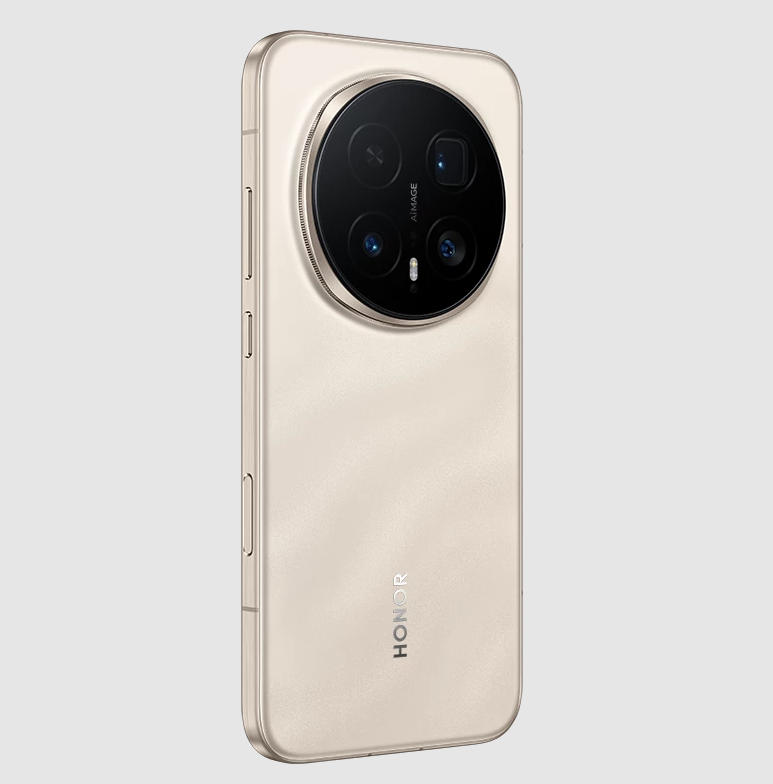
When repair costs approach or exceed half the value of the phone, the decision becomes less practical. Spending heavily on an ageing device often delays rather than solves long-term issues. Many users reach a point where investing in a newer, more reliable model offers better value and peace of mind, which is why some people decide to buy HONOR Magic 8 Pro as a sensible upgrade instead of repeatedly fixing an older phone. This choice is not about chasing trends but about restoring everyday reliability. A new phone often brings longer software support and improved durability. From a financial and usability perspective, upgrading can be the smarter long-term option.
Simple, Effective Prevention Strategies
Use a Protective Case and Tempered Glass Screen Protector
Protective cases and screen protectors reduce damage from everyday accidents. A good case absorbs shock and reduces impact force during drops. Tempered glass protectors add an extra layer that can crack instead of the main screen. While not invincible, this combination significantly lowers repair risk. Prevention tools are often far cheaper than a single screen repair. Using them consistently offers the best long-term protection.
Develop Conscious Habits for Carrying and Placing Your Phone
How you handle your phone daily matters more than you may think. Placing phones on stable surfaces and avoiding edge positions reduces fall risk. Being mindful when standing up or sitting down prevents accidental pressure damage. Simple habits like using front pockets or dedicated bag compartments help a lot. Over time, these small changes greatly reduce screen damage. Awareness is one of the most effective protective measures.
Conclusion
A cracked phone screen is rarely just bad luck; it is usually the result of daily habits and repeated stress. Understanding common damage causes helps people make smarter choices about protection and handling. Prevention is often inexpensive and effective when applied consistently. At the same time, recognising when repairs no longer make sense saves both money and frustration. Knowing when to protect and when to move on allows you to enjoy your phone without constant worry.