
What a Good Florist Really Does: Lessons You Can Learn from Local Florists
by Northern Life
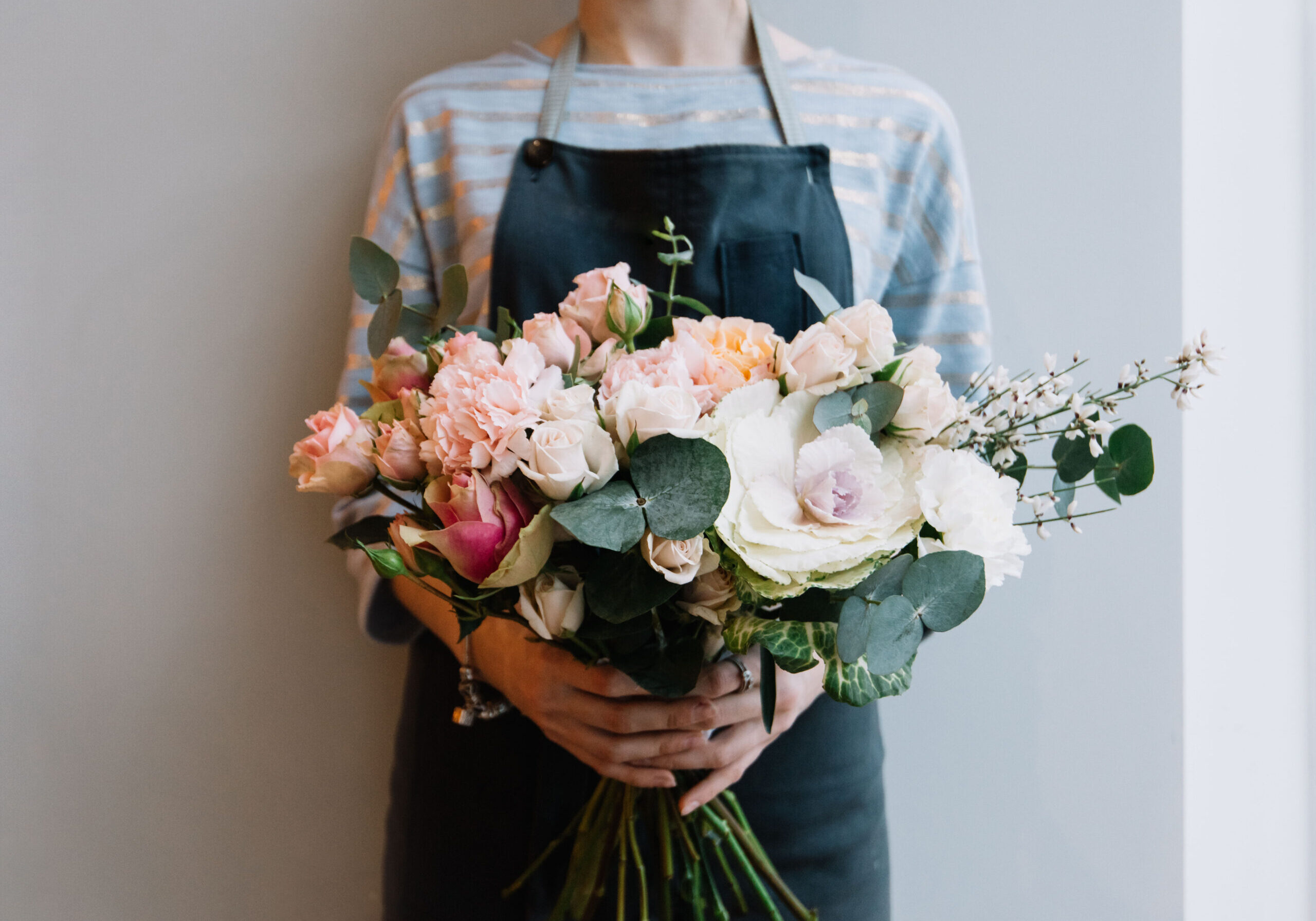
From the outside, a flower shop looks simple: buckets of blooms, ready-made bouquets, someone in an apron tying ribbon.
But if you’ve ever watched a good florist closely – whether it’s a tiny neighbourhood studio or a busy florist in Leeds locals love – you see they’re doing much more than “selling flowers”. They’re translating people into colour, shape and scent, while juggling emotions, timing and logistics.
And honestly, the way they work holds a lot of lessons for the rest of us.
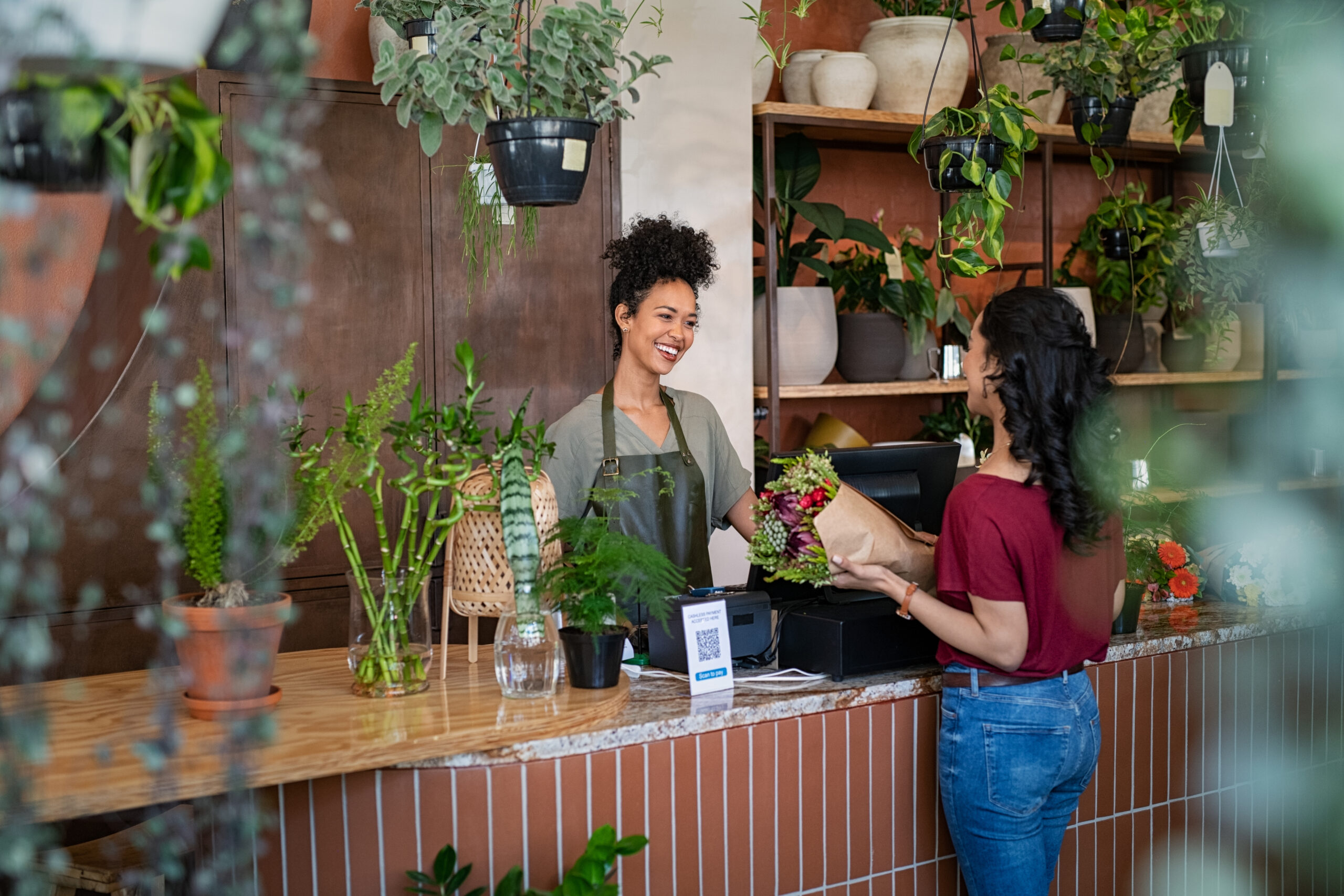
1. They don’t start with flowers – they start with people
When you say, “Just make something nice,” a good florist doesn’t grab the first roses and wrap them up. They ask:
- Who is it for?
- What’s the occasion?
- Do they like bold or soft colours?
- Is this romantic, friendly, or formal?
On the surface, it’s small talk. In reality, they’re building a quick picture of a real person, not “generic recipient”. The bouquet is a response to that person, not to a trend photo.
What you can learn:
Before choosing any gift, ask: Who is this really for? What kind of day or season are they in? When the person becomes the starting point, your choices automatically get better.
2. They read between the lines
Customers rarely walk in with clear, precise language. They say things like:
“Not too colourful.”
“Nothing too romantic.”
“I don’t want it to look like a funeral.”
A good florist knows these phrases come loaded with feelings, not definitions. So they translate:
- “Not too colourful” → calm, not chaotic.
- “Nothing too romantic” → no giant red rose clichés, but still allowed to be special.
- “Nothing too big” → “please don’t embarrass me”.
They listen to what people are trying to say, not just the exact words.
Lesson:
In conversations, don’t only hear the literal sentence. Hear the fear or wish behind it. It makes you much better at responding kindly.
3. They’re not afraid to say “no” (in a helpful way)
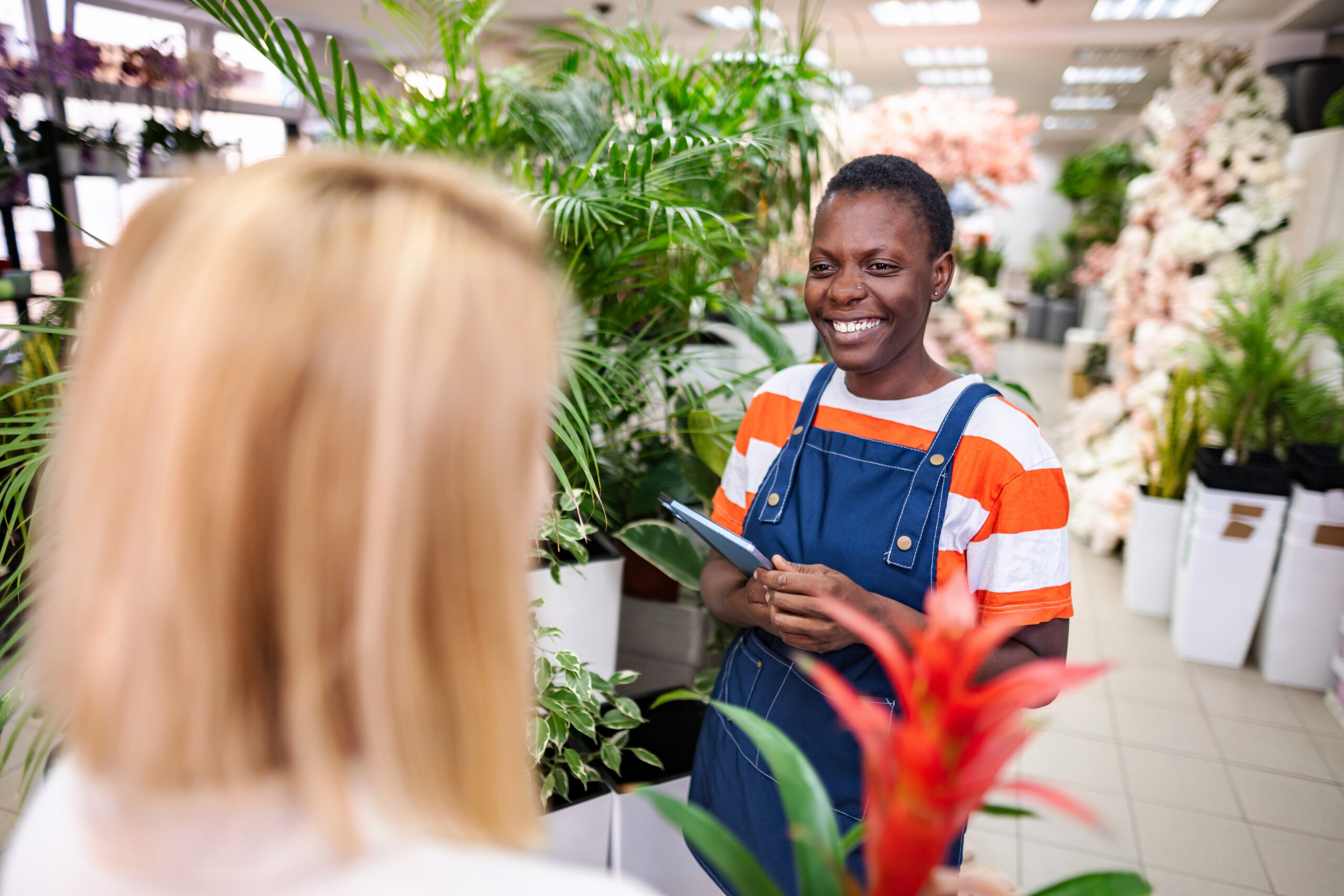
A good florist will gently push back when:
- A requested flower is out of season and will arrive looking tired
- The colour combination doesn’t work
- A design won’t survive delivery
- The request doesn’t match the budget
They’re not being stubborn; they’re protecting the final result. They’d rather slightly disappoint a wish than send something that fails in real life.
Lesson:
Saying “no” to the wrong thing is part of caring about the right thing. In work, in planning, even in relationships, a kind “no” can save everyone a lot of frustration later.
4. They work with seasons, not against them
Local florists think in seasons. Spring bouquets are light and fresh, summer ones full and wild, autumn is warm and rich, and winter leans on texture and greenery.
If a customer brings a photo of a bouquet full of flowers that are out of season, a good florist won’t just copy it badly. They’ll say:
“We can’t get this exact flower now, but I can recreate the same feeling using these.”
They respect what nature offers rather than forcing it into something unrealistic.
Lesson:
There are “seasons” in life, too. Some are for planting new things, some for harvesting, and some for resting. Trying to force the wrong thing at the wrong time makes you tired.
5. They know small details change everything
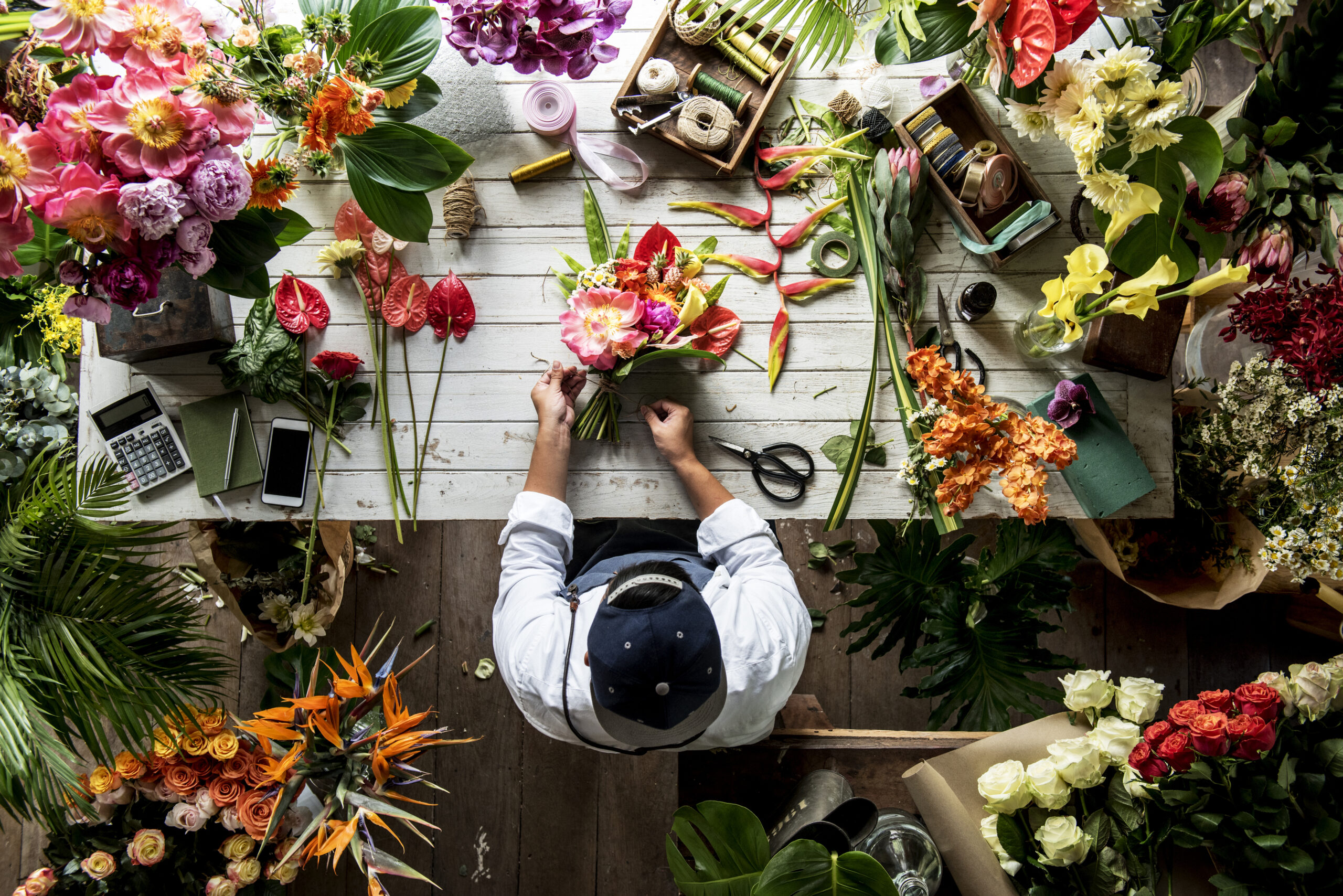
Florists obsess over tiny decisions: one extra stem, one piece of greenery, the angle of a branch. To a stranger, it all looks the same; to them, that one change shifts the whole mood.
They’ll add:
- One flower that meant something at a couple’s wedding
- A touch of a favourite colour
- A little wild stem that stops the bouquet from looking too stiff
Most people won’t analyse it, but they’ll feel it.
Lesson:
Details are rarely noticed individually, but they’re felt together. Remembering how someone takes their coffee, or that they hate a particular smell, does more than any big speech.
6. They balance romance and logistics
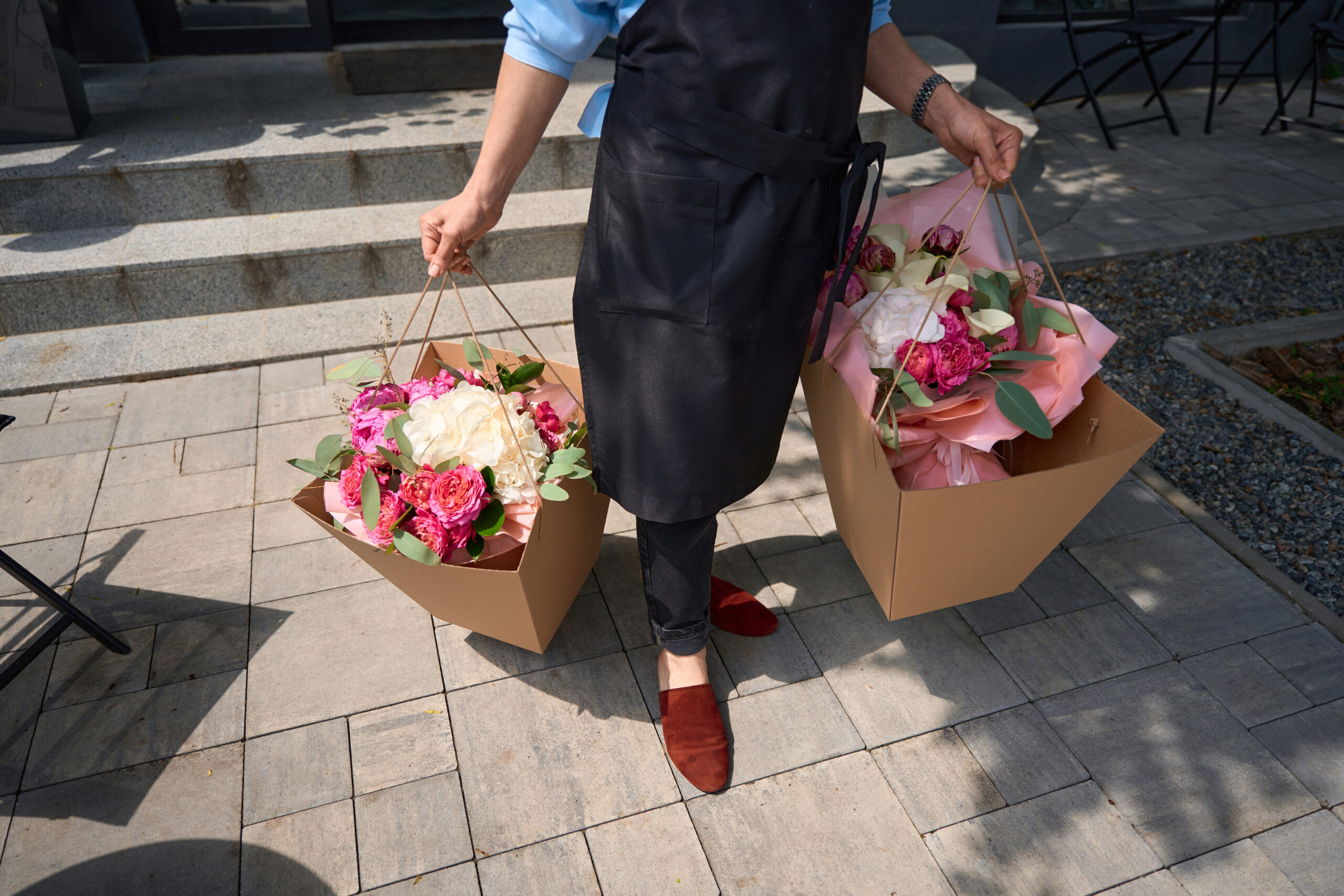
From the outside, flowers are all romance. On the inside, floristry is practical:
- Traffic
- Heat and cold
- Water supply
- Delivery windows
- Wrong addresses
- People not being home
A good florist thinks:
“Will this still look good after an hour in a van? After being carried through an office? After standing all day at a reception desk?”
They’re half artists, half project managers.
Lesson:
Every emotional gesture has a boring layer: timing, transport, who will be where and when. If you don’t care about logistics, the romance collapses. If you only care about logistics, it feels soulless. You need both.
7. They protect you from your own bad ideas
Customers walk in with Pinterest screenshots, clashing colours and impossible requests. A good florist doesn’t say, “That’s ugly.” Instead, they say:
- “I see what you like about this. Is it more the colours or the loose shape?”
- “For this venue, something taller/shorter will work better.”
- “Those flowers won’t cope well outside – can I suggest something similar that will last longer?”
They keep the spirit of what you want, while redesigning the reality so it actually works.
Lesson:
When someone’s idea is flawed, you don’t have to crush it. You can respect the feeling behind it and offer a version that won’t fall apart.
8. They build real relationships, not just repeat orders

Local florists remember:
- The person who always forgets anniversaries and rushes in at the last minute
- The grandparent who buys one flower every week for a loved one,
- The couple who order a similar bouquet every year, “because it looks like our wedding”.
They store little facts: no lilies, loves sunflowers, hates strong scent, always prefers pastel tones. Over time, they’re not just a shop, they’re part of people’s life stories: first dates, proposals, newborns, funerals.
Lesson:
Remembering small personal details is one of the most powerful ways to show you care. It turns acquaintances into actual connections.
9. They accept that not everyone will “get” the bouquet
Florists sometimes create something they’re really proud of… and the customer says, “Can you make it more round?” or “Can you add more red?” The design loses some of its magic. It happens.
A good florist learns not to take it personally. Taste is subjective. The goal isn’t to make themselves happy; it’s to make the recipient happy, within reason.
Lesson:
Not every thoughtful thing you do will be appreciated the way you imagined. That doesn’t make the effort meaningless. It just means people are different.
10. They know when simple is enough
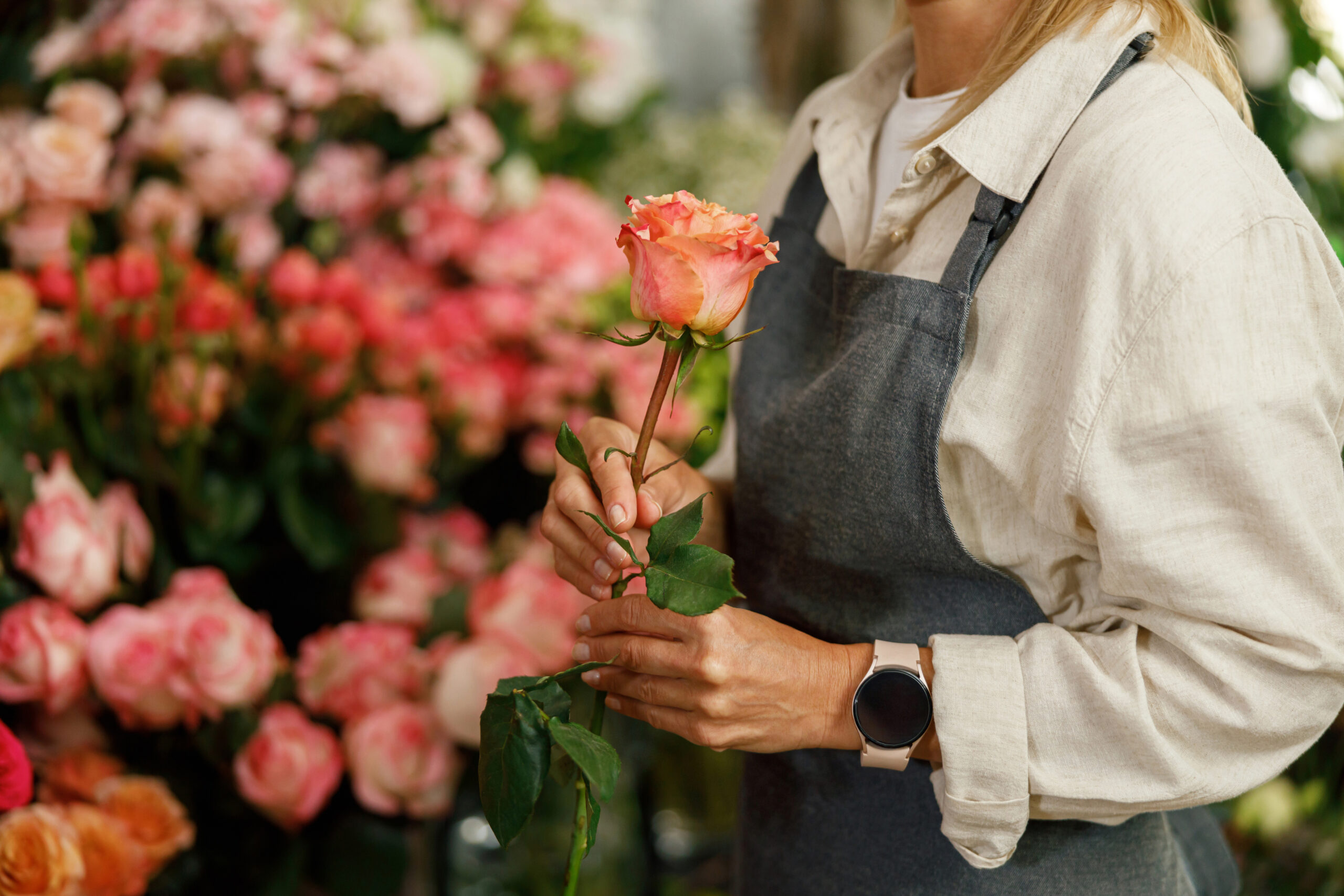
Some of the most touching orders florists ever see are not the biggest ones:
- A single rose with a short apology
- A tiny jar of flowers for a hospital bedside
- A small bunch “just to brighten her week”
A good florist understands that size isn’t everything. The story, timing and intention often matter more than the stem count.
Lesson:
You don’t always need a grand gesture. A short voice note, a quick coffee drop-off, a small “I saw this and thought of you” can be precisely the right size of care.
In the end, it’s never “just flowers”
What looks like a simple job with pretty things is, for a good florist, a daily practice in:
- Listening carefully
- Noticing details
- Working with time and seasons
- Balancing feelings and reality
- Turning messy, unspoken emotions into something someone can hold.
Whether you’re dealing with a florist in Leeds, a village shop, or a little studio hidden on a side street, you’re not only paying for stems and ribbon. You’re paying for all the invisible thinking that comes with them.
And if you borrow even a few of those habits – asking better questions, choosing with intention, respecting timing, adding small personal touches – your own gifts, plans and relationships will quietly start to feel different too.
Not perfect. Just more human. More alive.