
Transgenerational Design Meets Foundation Repair
by Northern Life
Families can create living spaces that truly grow with them
Transgenerational design is about creating spaces that work for people of all ages and abilities, from young children to older adults. It blends principles of universal accessibility, safety, and comfort to ensure a home can adapt to changing family needs over decades. While most conversations about this design philosophy focus on interior layouts and accessibility features, the reality is that it starts much deeper — with the structural integrity of the home.
A sound foundation supports not just the weight of the building but also the long-term usability of its spaces. If a home’s base is unstable or damaged, all the design improvements above it are at risk. That’s why integrating foundation repair into transgenerational planning is both practical and future-proof.
Building a Safe and Stable Base
Repair foundations Toronto services are often the first step in ensuring that a home’s structure can safely accommodate accessibility upgrades and multi-generational living. Whether the house is older with signs of settlement or newer but built on challenging soil, foundation repair strengthens the structure, prevents uneven flooring, and minimizes the risk of long-term damage that can undermine safety.
This approach prevents future disruptions and extends the usable life of the home.
For example, a family may plan to remodel a basement into a bedroom for an aging parent or a playroom for children. Without addressing cracks, moisture issues, or instability in the foundation, that space could become unsafe or costly to maintain. Level floors, stable walls, and proper load-bearing capacity are essential for accessibility features like stair lifts, ramps, or widened doorways to function properly.
Contractors specializing in both foundation work and home modifications, such as those at qualityagebuild.com, can coordinate repairs with design plans so structural improvements and accessibility upgrades happen seamlessly. This approach prevents future disruptions and extends the usable life of the home.
Enhancing Comfort Across All Seasons
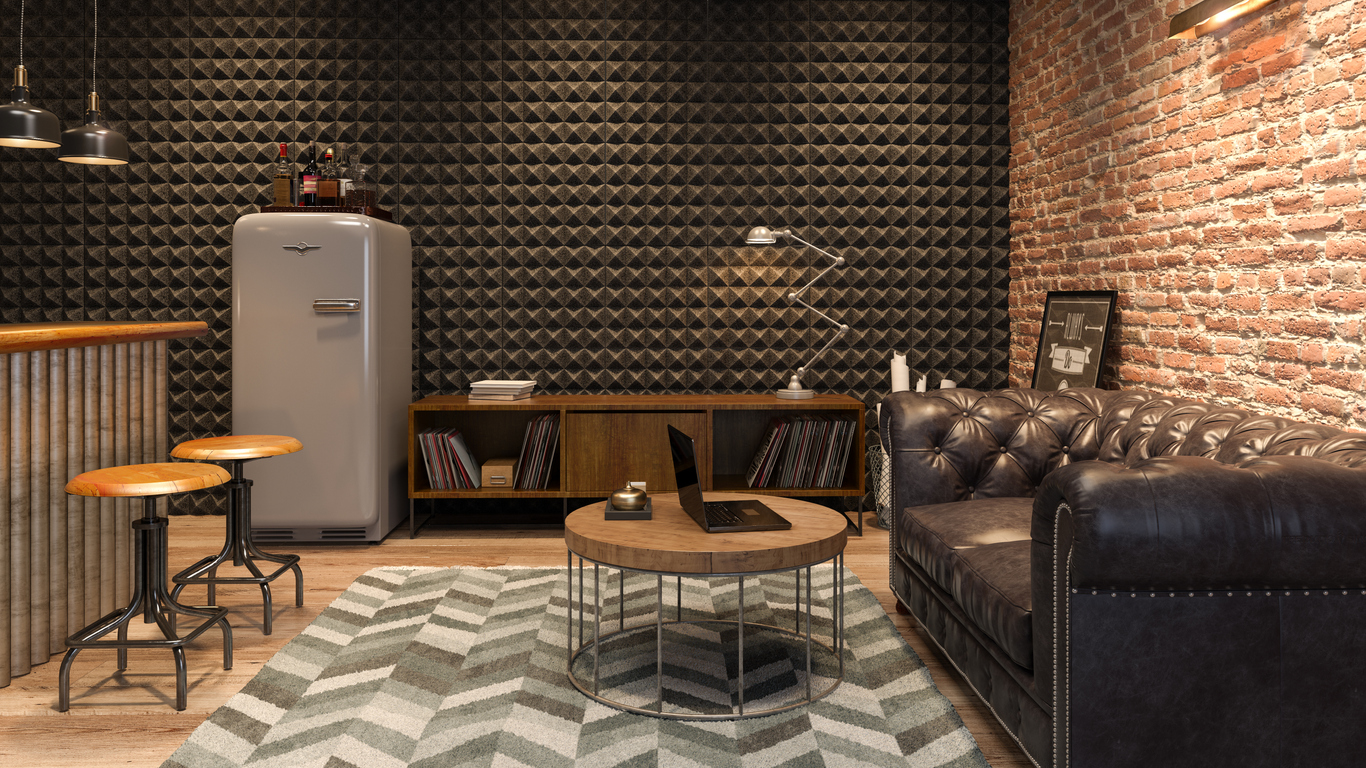
How to make basement warmer is a common concern for homeowners looking to make lower-level living spaces more comfortable. In transgenerational design, temperature control is especially important — older adults and young children can be more sensitive to cold, while maintaining a consistent indoor climate improves overall well-being for everyone.
Addressing warmth in a basement isn’t just about adding a space heater. The process often starts with improving insulation in both the foundation walls and floors, sealing air leaks, and installing efficient heating systems. If moisture is present, waterproofing and humidity control are also critical to preventing dampness that can make a space feel colder.
By combining these services, homeowners can future-proof their properties while enhancing safety and comfort for all generations.
When these comfort measures are combined with foundation repair, the results are more effective. A stable, well-sealed foundation helps maintain consistent temperatures, lowers energy costs, and creates a healthier living environment. From in-floor radiant heating to insulated wall panels, every improvement becomes more impactful when the underlying structure is sound.
Designing for Accessibility and Adaptability
Once structural and environmental concerns are addressed, transgenerational design focuses on creating flexible, accessible spaces. In basements and other parts of the home, this can include:
- Wide doorways and hallways for easy mobility.
- Zero-step entries to prevent tripping hazards.
- Adjustable-height countertops for varied needs.
- Reinforced walls for future grab bar installation.
- Slip-resistant flooring to reduce fall risk.
Because the needs of a household can evolve over decades, adaptability is key. For example, a basement designed as a teen hangout space today might later serve as a grandparent’s bedroom. By combining strong structural support with accessible features, families avoid expensive overhauls later.
Moisture Control for Long-Term Health
One of the biggest threats to a safe, livable home is water intrusion. Leaks or dampness in the basement can lead to mold growth, wood rot, and indoor air quality problems. For households with elderly or immunocompromised members, these issues can be especially hazardous.
Foundation repairs often go hand-in-hand with waterproofing solutions such as sump pumps, weeping tile systems, or exterior sealing. These measures ensure that the home remains dry and structurally sound, making it easier to maintain a safe and comfortable environment year-round.
Professional Guidance for Lasting Results

While many homeowners approach transgenerational design as an interior renovation project, integrating foundation repair into the plan offers a longer-lasting solution. Experienced contractors can assess both structural needs and accessibility goals, creating a timeline and budget that works for the family.
Qualityagebuild.com is one such resource, offering expertise in both foundation reinforcement and home modifications. By combining these services, homeowners can future-proof their properties while enhancing safety and comfort for all generations.
Final Thoughts
Transgenerational design is more than just an aesthetic choice — it’s an investment in safety, comfort, and adaptability. Starting with a stable foundation ensures that accessibility upgrades and design improvements have lasting value. From preventing structural damage to maintaining comfortable living conditions, foundation repair and thoughtful home design work hand in hand to create a space that supports every stage of life.
By addressing the needs of the home from the ground up, families can create living spaces that truly grow with them, providing security, functionality, and peace of mind for decades to come.