


Top Considerations When Adding Insulation to Metal Buildings
by Northern Life
Metal buildings have gained popularity thanks to their durability, versatility, and efficiency in terms of construction speed. However, one aspect often overlooked is insulation. Proper insulation not only improves comfort but also enhances energy efficiency and reduces environmental impact. When contemplating insulation for metal structures, several considerations come into play.
Why Insulation Matters
Insulation serves multiple purposes: it regulates temperature, reduces noise, and prevents condensation. In a metal building, which can become extremely hot in the summer and frigid in the winter, effective insulation creates a more consistent internal environment. This helps maintain a comfortable working or living space and also protects the equipment and materials stored inside.
Furthermore, insulated buildings require less heating and cooling energy, leading to lower utility bills. This simple addition can have a significant impact on a building’s overall performance. For optimal results, it’s crucial to consider the insulation material that best suits your specific requirements. Many property owners have found success with products like Bluetex Insulation, which is celebrated for its thermal efficiency and moisture resistance.
Types of Insulation
When selecting insulation for your metal building, it’s essential to understand the different materials and their properties. Here are some of the most common options:
Fibreglass Insulation
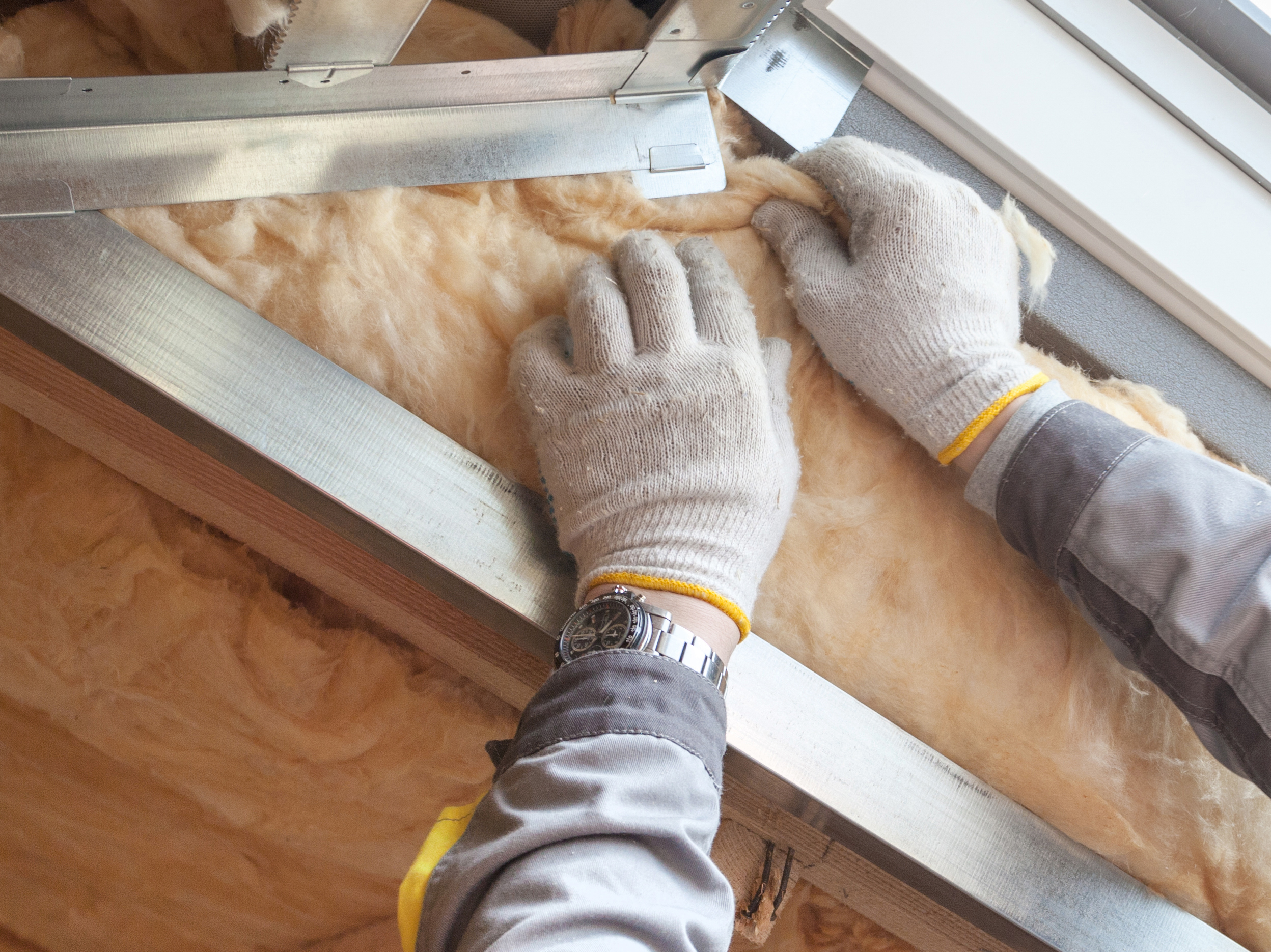
- Pros: Fibreglass is perhaps the most widely used insulation type, benefiting from cost-effectiveness and decent thermal performance. It is generally available in pre-cut batts, making it relatively easy to install.
- Cons: However, fibreglass can be prone to moisture retention, leading to mould and mildew problems if not adequately managed.
Spray Foam Insulation
- Pros: Expanding upon the application, spray foam offers excellent air sealing, preventing drafts. It also provides strong thermal resistance and enhances the structural integrity of the building.
- Cons: The downside is its higher cost compared to other materials, and professional installation is often necessary.
Rigid Foam Boards
- Pros: These panels offer good thermal resistance and moisture control. They are lightweight and easy to handle, making them a favourite for many construction projects.
- Cons: Rigid foam can be more expensive and may require protective coverings to comply with building codes.
Reflective or Radiant Barrier Insulation
- Pros: Ideal for hot climates, these barriers reflect heat away from the building, keeping the interior cooler.
- Cons: They are often best used in conjunction with other insulation types, as they may not provide sufficient thermal resistance on their own.
Installation Considerations
Roof Insulation
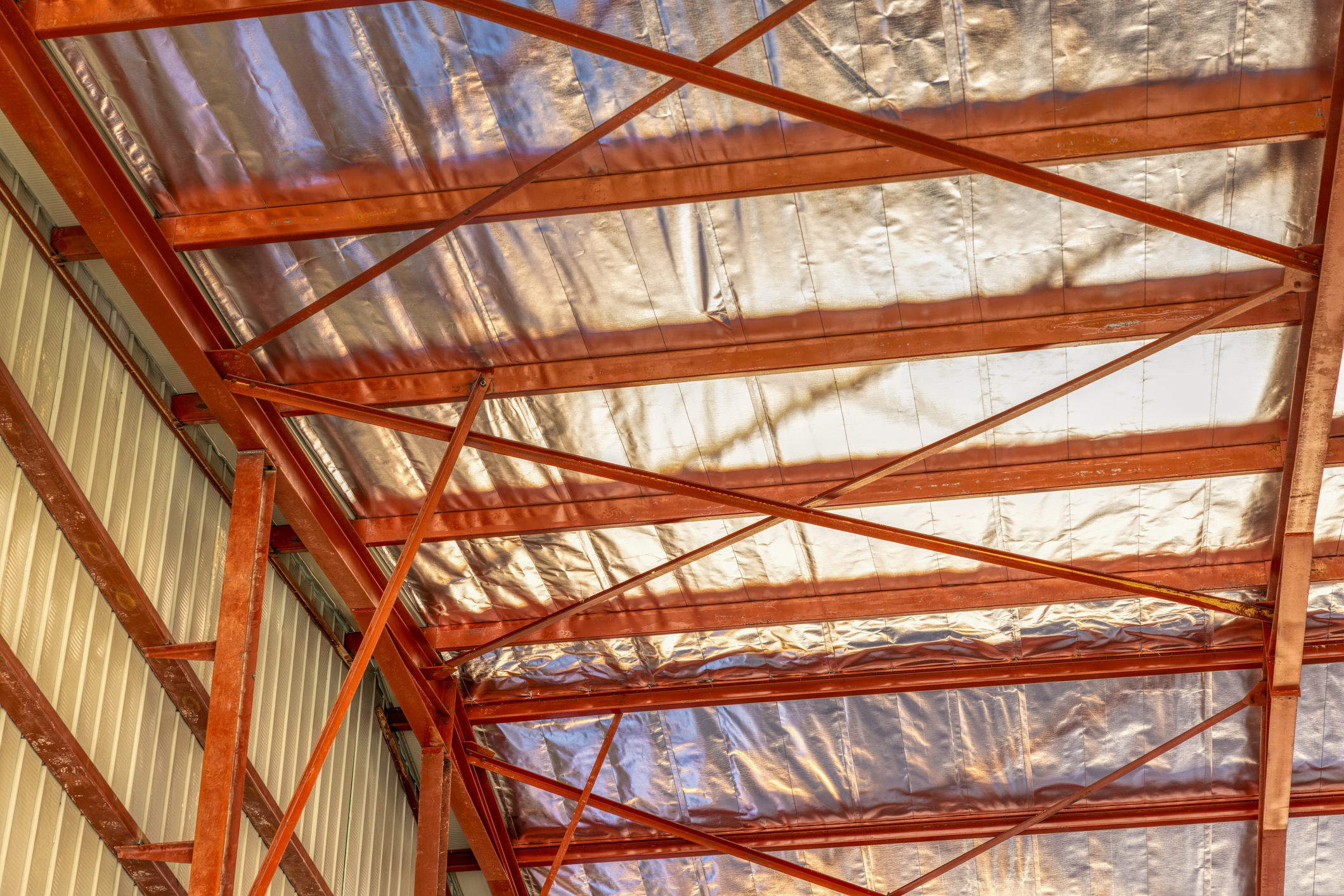
A metal building’s roof can contribute significantly to heat gain or loss. Installing insulation at the roofline helps maintain a consistent temperature. Consider whether you need to insulate above or below the roof deck. That choice often depends on the building’s use and the local climate.
Wall Insulation
For walls, the aim is to prevent heat loss while also controlling moisture. Make sure that the insulation selected allows for any necessary vapour barriers, which are crucial in preventing condensation within the walls. Use a simple yet effective air barrier, such as house wrap, to limit airflow and improve thermal performance.
Site-Specific Needs
Location matters. If your metal building is in an area with extreme temperatures, you will want insulation that offsets those conditions. Consider factors such as humidity, wind, and general climate when choosing the insulation type.
Building Codes and Regulations
Always check local building codes before starting an insulation project. Depending on the region, there may be strict regulations regarding insulation materials or R-values (a measure of thermal resistance). Compliance is essential not only for safety but also for long-term performance.
Cost and Budgeting
While insulation is a long-term investment, it’s crucial to keep budget considerations in mind. Costs can vary significantly based on the type of insulation selected, the building’s size, and the complexity of the installation.
Cost-Benefit Analysis
When budgeting, consider not only the upfront costs of insulation materials but also the potential long-term savings on energy bills. For example, while spray foam installation may be pricier, its energy-saving capabilities may offset that expense in the long run. Having a budget in mind can guide your material selection and avoid overspending.
Maintenance and Longevity
One often overlooked aspect of insulation is the need for occasional maintenance. While insulation materials are designed to last, moisture or pests can compromise their effectiveness. Regular inspections can help identify issues before they necessitate costly repairs. Doing so will ensure your metal building remains energy-efficient and comfortable for years to come.
Remaining Up-to-Date
Being informed about new insulation technologies and products is vital. The building and construction industry is evolving, with improved materials appearing frequently. Staying informed about industry trends can provide opportunities for enhanced performance and efficiency in your insulation solutions.
Conclusion
When adding insulation to metal buildings, the process requires careful thought and consideration. From selecting the right materials to evaluating installation techniques and considering climate factors, the choices made can have lasting implications.
Moreover, while the initial investment in insulation may appear significant, the long-term benefits in energy savings, comfort, and durability often outweigh the costs. By taking the time to research options—like those offered by Bluetex Insulation—property owners can ensure optimal results that meet their specific needs in creating efficient and comfortable living or working spaces.