

Top 5 home improvement trends (and why cybersecurity should be one of them)
by Northern Life
Modern home improvement balances aesthetics, efficiency, and security.
Home improvement has evolved beyond aesthetic updates like fresh paint and stylish furniture. Today’s trends merge comfort, technology, and sustainability, creating homes that are smarter, safer, and more efficient. As you plan your next renovation project, consider these five trends shaping modern living spaces.
1. Smart Lighting and Energy Efficiency

LED Lighting and automated control systems lead the energy efficiency revolution in home improvement. Smart bulbs adjust brightness and colour temperature based on time of day, occupancy, or personal preferences, while motion sensors prevent waste by turning lights off in unoccupied rooms. LED bulbs use approximately 75% less energy than incandescent bulbs while lasting 25 times longer, delivering substantial utility bill savings alongside environmental benefits. Integration with voice assistants and smartphone apps allows remote control and scheduling, optimising energy use without sacrificing convenience. These systems pay for themselves through reduced electricity consumption while contributing to smaller carbon footprints.
2. Eco-Friendly Materials

Sustainability drives material selection in contemporary renovations. Homeowners continue to choose recycled wood for flooring and furniture, with reclaimed barn wood adding character while reducing demand for virgin timber. Low-VOC (volatile organic compound) paints improve indoor air quality by eliminating toxic fumes that traditional paints release.
Bamboo flooring offers durability and rapid renewability since bamboo grows to harvest size within 3-5 years compared to decades for hardwood trees. Recycled glass countertops, cork flooring, and insulation made from recycled denim show how environmental consciousness and attractive design complement rather than contradict each other.
3. Cybersecurity for Smart Homes

As homes incorporate more connected devices, digital security becomes as critical as physical locks. Smart thermostats, security cameras, doorbell systems, and voice assistants all depend on internet connectivity, creating potential vulnerabilities that hackers exploit to access home networks or surveillance feeds. Also, implementing network security protections prevents unauthorised access to connected devices. Installing a VPN Chrome extension encrypts your browsing traffic when managing smart home systems through web interfaces, protecting login credentials and preventing interception of device commands. Regular password updates, enabling two-factor authentication on device accounts, and creating separate network segments for IoT devices add additional protection layers.
4. Multifunctional Spaces for Modern Living

Flexible room design accommodates evolving needs in homes where space comes at a premium. Guest bedrooms change into home offices with Murphy beds and fold-down desks, providing daily functionality while maintaining hosting capabilities. Thoughtful furniture selection and storage solutions allow single rooms to serve multiple purposes effectively. Open-concept layouts eliminate walls between kitchens, dining areas, and living rooms, creating larger perceived spaces while facilitating family interaction and entertaining.
5. Outdoor Living Upgrades
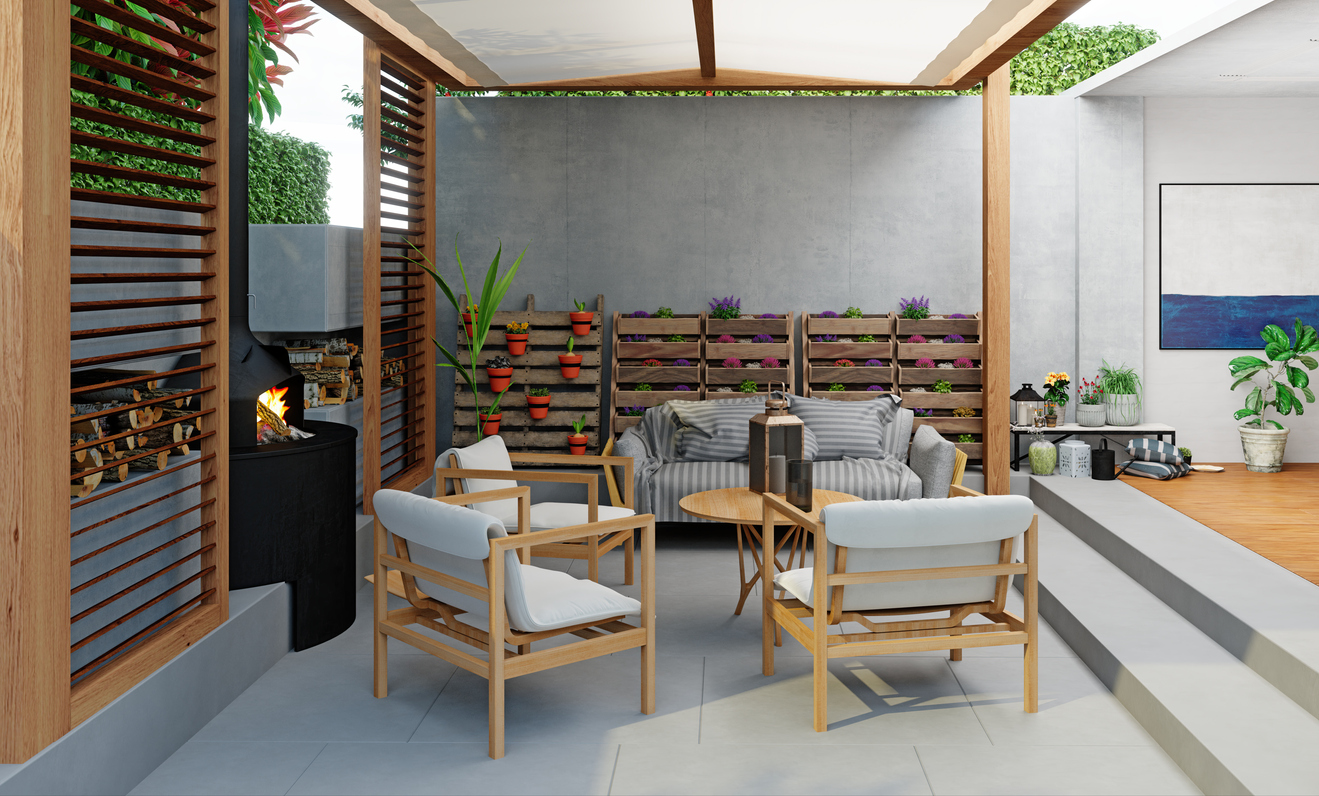
Extending living areas beyond interior walls has become a major priority. Covered patios with comfortable seating, fire pits for cool evening gatherings, and outdoor kitchens complete with grills, refrigerators, and dining areas transform backyards into seasonal entertainment venues. These improvements increase usable living space substantially while adding property value.
Modern home improvement balances aesthetics, efficiency, and security. When incorporating these trends, particularly often-overlooked digital security, you create homes that are beautiful, sustainable, and protected against both physical and cyber threats.