


Timeless Trails: An Insider’s Guide to the Most Enchanting Historic Towns UK Travellers Should Visit in 2025
by Northern Life
Six best historic towns to visit
Why Historic Towns Still Matter in the Modern Age
In an era of high-speed trains, contactless checkouts, and AI-curated holidays, it may seem curious that the United Kingdom’s centuries-old towns continue to draw millions of visitors each year. Yet the appeal of these places is enduring—not simply for their aesthetics, but for the living stories embedded in their stones. As travel shifts towards slower, more meaningful experiences, historic towns are becoming the centrepiece of UK domestic tourism in 2025.
According to VisitBritain’s latest trends report, over 44% of UK travellers now choose destinations based on their heritage and cultural significance, a sharp increase from 32% in 2019. That’s not nostalgia—it’s a conscious decision to explore deeper, not just wider.
1. Rye, East Sussex: Medieval Meets Maritime

Tucked along the south coast, Rye feels like a film set you accidentally stumbled into. Cobbled streets like Mermaid Street slope past half-timbered homes, with views of the sea in the distance.
Insider Tip: Climb the tower of St Mary’s Church for panoramic views over Romney Marsh. You’ll also find the quirky “Ypres Tower,” once part of the town’s 13th-century defences.
Expert Note: “Rye is where English history collides with creative rebirth,” says travel writer Francesca Gill. “It’s beloved by artists, authors, and anyone seeking slow charm.”
2. Ludlow, Shropshire: A Feast of History and Gastronomy

Ludlow is more than its Norman castle (though that’s spectacular)—it’s also one of England’s finest foodie towns. From the Ludlow Food Festival to its celebrated market square, the town blends culinary delight with architectural heritage.
Must-Try: Traditional Shropshire Blue cheese, often sold by local producers in the square.
Historical Highlight: Ludlow Castle was once home to Prince Arthur, elder brother of Henry VIII. Its ruins remain a commanding symbol of the Marches’ volatile history.
3. St Andrews, Fife: Beyond the Old Course

St. Andrews in Scotland
While best known as the “home of golf,” St Andrews is a coastal treasure layered with religious, academic, and royal history. Home to the University of St Andrews—Scotland’s oldest—it was also once a key ecclesiastical capital.
Don’t miss: The hauntingly beautiful ruins of St Andrews Cathedral and the cliff-top castle. Both are accessible via the Fife Coastal Path.
Local Culture Tip: Attend a student-led walking tour to gain unique insight into university traditions dating back to 1413.
4. Lavenham, Suffolk: England’s Best-Preserved Medieval Town

With its wonky timber buildings and wool trade legacy, Lavenham is a must-visit for those craving authenticity. It’s been described as England’s most perfectly preserved medieval town—and it shows.
Fun Fact: Lavenham was used as a filming location for Godric’s Hollow in Harry Potter and the Deathly Hallows.
Suggested Stop: The Guildhall of Corpus Christi, a National Trust property that immerses visitors in Tudor life.
5. Conwy, North Wales: A Fortress by the Sea

Surrounded by imposing walls and crowned by an epic castle, Conwy is a UNESCO World Heritage Site that tells the story of Edward I’s ambitions and the Welsh resistance.
Highlights:
- Conwy Castle: Built in the 13th century and remarkably intact.
- Smallest House in Great Britain: Just 72 inches wide!
- Conwy Quay: A lively place for seafood and boat watching.
Personal Insight: Having visited dozens of UK heritage sites, I found Conwy’s seamless integration of medieval and modern life the most impressive. It’s not just a monument—it’s alive.
6. Stamford, Lincolnshire: Georgian Perfection
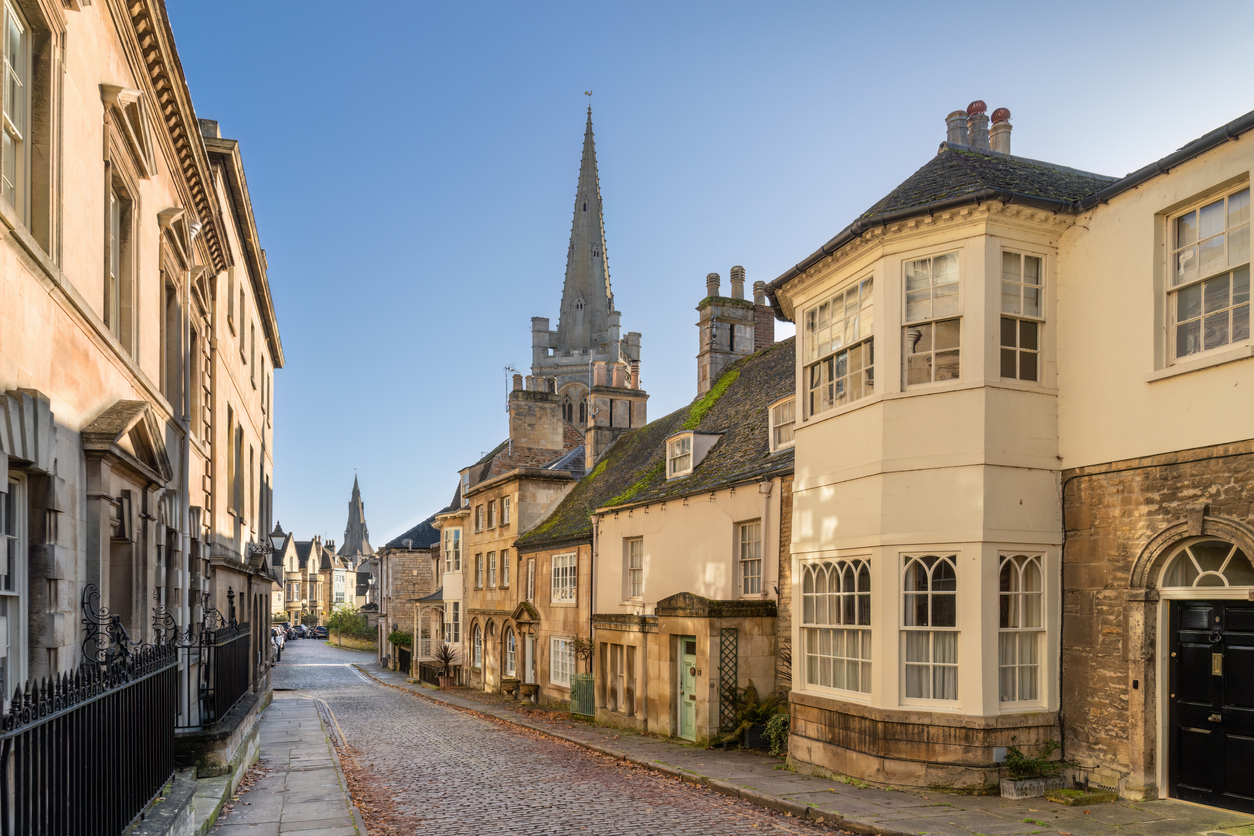
Often called “England’s first conservation town,” Stamford escaped the Industrial Revolution’s sprawl, preserving over 600 listed buildings. The town’s honey-stone streets and stately charm have earned it repeat roles in film and television.
Cinema Buffs: Fans of Pride & Prejudice (2005) may recognise Burghley House, just outside the town.
Shopping Tip: The Friday market is a delightful blend of heritage and artisanal modernity.
The Cultural Significance of Heritage Travel in 2025
As the UK tourism model becomes more decentralised—thanks in part to post-pandemic “slow travel” trends—historic towns offer sustainability, local immersion, and education.
A 2024 National Trust survey revealed that visitors to heritage sites reported 23% higher wellbeing scores, especially when engaging in guided tours or historical storytelling.
Local councils are responding, investing in digital enhancements such as AR-guided walking apps, bilingual signage, and pop-up museums.
Blending Digital Discovery with History: A New Kind of Tourist
Today’s travellers aren’t content to “see”—they want to participate. For instance, the town of Skipton has recently partnered with an indie game developer to create a gamified heritage trail, turning the castle’s defence into a role-playing experience for families.
Much like gaming platforms offer no deposit free spins not on Gamstop to encourage discovery before commitment, historic towns are now incentivising deeper exploration through digital storytelling, community-led guides, and social-media challenges.
The best heritage experiences in 2025 will be interactive, not passive. They will respect the past but use the tools of the present.
What to Expect as a Visitor in 2025
1. Localism Over Landmark-Hopping
Instead of racing between major cities, more tourists are anchoring in one historic town for 3–5 days and exploring surrounding villages by foot, bike, or regional rail.
2. Artisanal Revival
Historic towns are spearheading a renaissance in craftsmanship—blacksmithing, weaving, and pottery workshops are not only returning but attracting young talent eager to combine heritage with innovation.
3. Integrated Wellness
It’s not unusual to find a yoga session inside a medieval barn or a wellness retreat in an abbey. These juxtapositions reflect a growing desire for “mindful tourism.”
Making the Most of Your Trip: Practical Advice
- Travel Light but Smart: Many historic towns are pedestrian-heavy, so compact luggage and good shoes are essential.
- Book Early: Boutique stays in towns like Cirencester or Alnwick and fills up fast, especially during festivals.
- Use Local Transport: Community-run buses and trains are charming, eco-friendly, and surprisingly efficient.
And for those looking to unwind in the evening, digital entertainment options have also expanded. Platforms like Slot Day reviews UK Non-GamStop slots offer curated lists that reflect a growing interest in responsible leisure experiences, even while travelling.
Conclusion: The Past Is Present
From Rye’s medieval streets to Conwy’s mighty castle walls, historic towns across the UK are proving that history isn’t static—it evolves with each visitor who walks its lanes, asks questions, and pauses to wonder.
In 2025, these places will not be merely relics. They will be thriving, dynamic microcosms where the UK’s past, present, and future coexist. Their draw lies not only in what they preserve but also in what they offer to those who listen closely—stories that stretch across centuries and still resonate today.
Whether you’re a seasoned history lover or a curious first-timer, there has never been a better moment to explore the UK’s most enchanting historic towns. They don’t just offer beautiful views—they offer perspective, connection, and continuity in a world that often moves too fast.