
The Timeless Allure of Art in Northern England’s Cultural Landscape
by Northern Life
From the rugged beauty of the Lake District to the bold skylines of cities like Manchester, Newcastle, and Leeds, Northern England has always worn its identity with pride. Music, literature, theatre, and visual art pulse through its streets and countryside alike, telling stories that span centuries. Among these, art holds a special place. It is both a celebration of the region’s soul and a mirror reflecting its ever-changing spirit.
Art at the Heart of Community Life
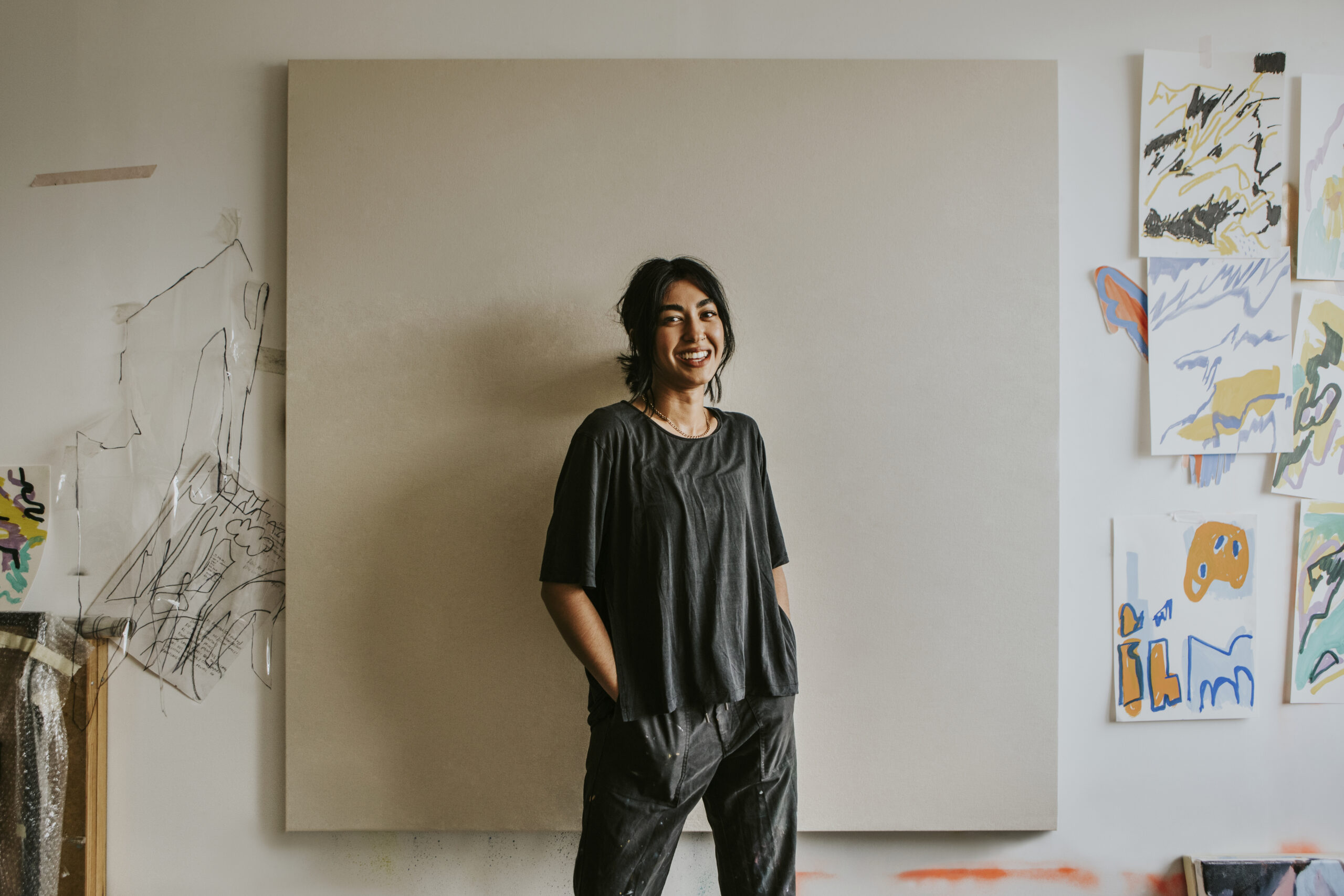
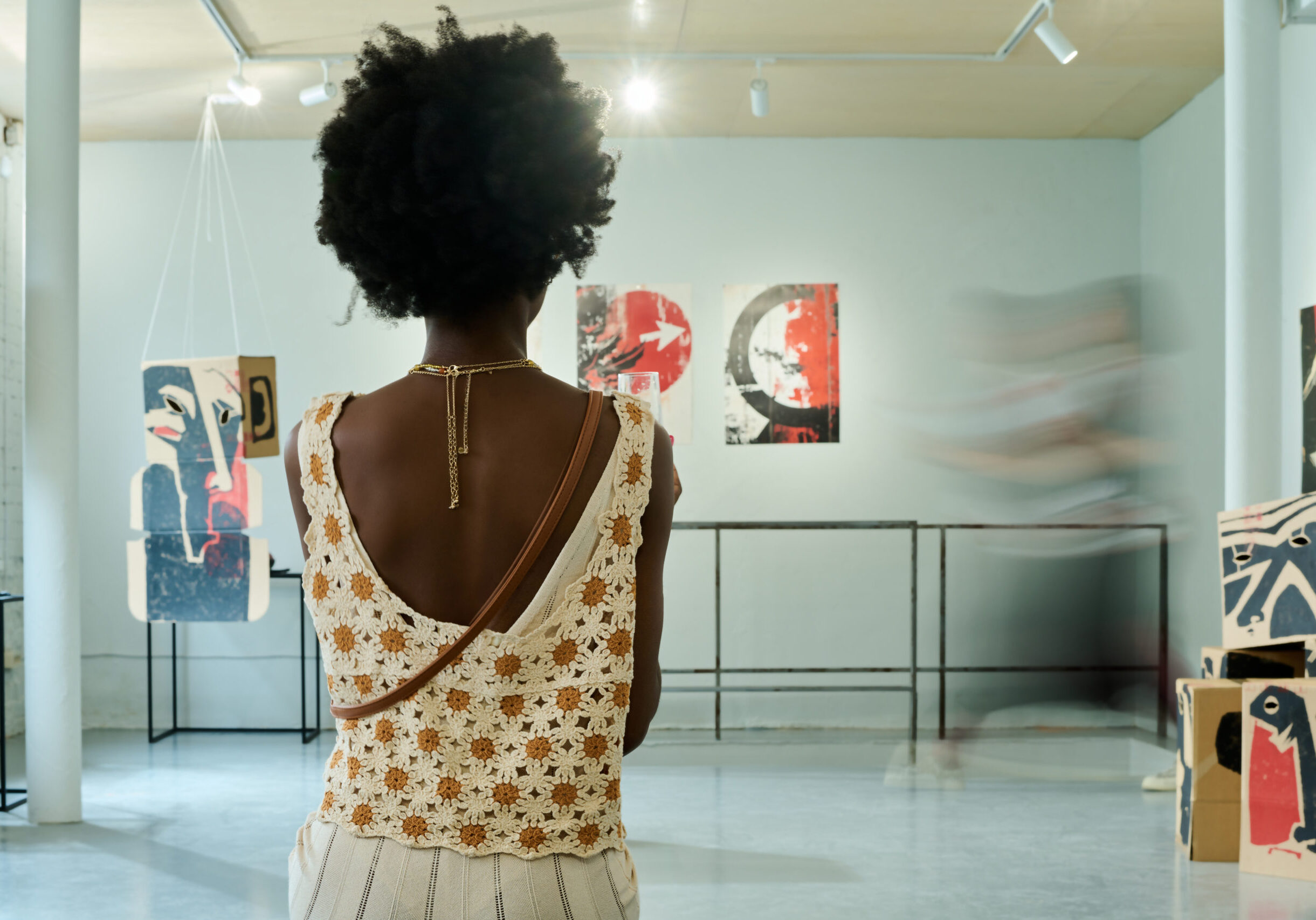
In towns and cities across the north, galleries are more than rooms hung with paintings. They are gathering spaces, places where conversations flow as freely as the tea in the café downstairs. From converted mills in Yorkshire to sleek contemporary spaces in city centres, these venues shape how residents see themselves and their home. Local exhibitions often draw crowds who recognise familiar faces in portraits or landscapes that resemble the view from their window. It’s here that art weaves itself into the fabric of community life, becoming part of everyday experience rather than something distant or exclusive.
Such spaces create an open door between the artist’s studio and the public
Manchester, for example, has long been a cultural hub where art and industry share the same streets. The presence of a well-regarded art gallery in Manchester gives both emerging and established artists a platform to share their vision with a broader audience. Such spaces create an open door between the artist’s studio and the public, sparking connections that might never have formed otherwise. In much the same way, the Baltic Centre for Contemporary Art in Gateshead or the Yorkshire Sculpture Park bring people together in settings where art feels accessible and unpretentious.
Showcasing Northern Talent
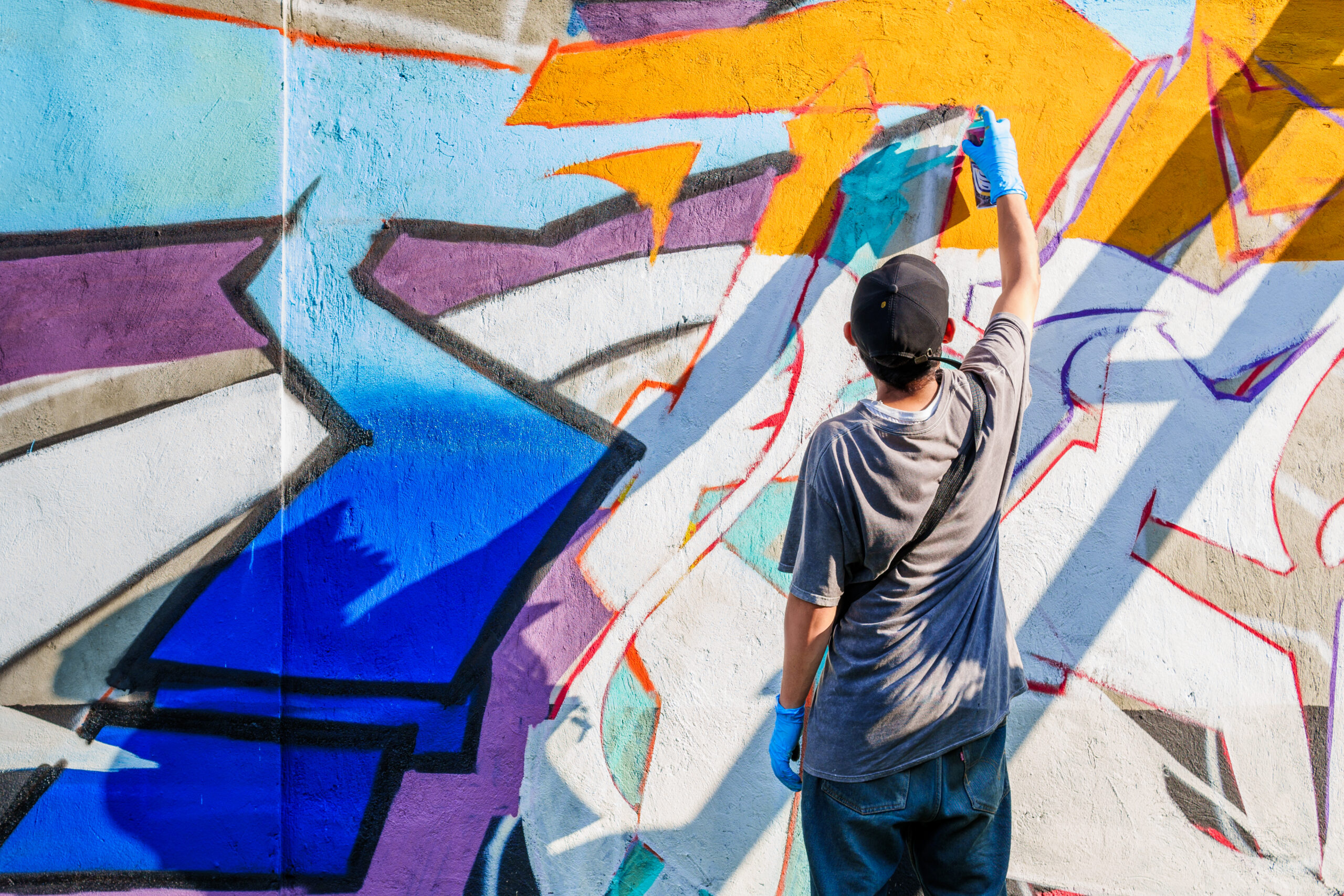
The north has produced painters whose brushstrokes capture the light over moorland, sculptors who transform reclaimed materials into powerful statements, and photographers who freeze moments of street life with startling clarity. Some have found acclaim abroad, while others prefer to keep their practice rooted firmly in their hometowns.
Sheffield’s Pete McKee has become a beloved chronicler of working-class life
Artists like Lubaina Himid, based in Preston, have brought international attention to northern voices. At the same time, Sheffield’s Pete McKee has become a beloved chronicler of working-class life through his distinctive illustrations. In Cumbria, printmakers create delicate works inspired by the shifting moods of the fells, while in Liverpool, muralists fill brick walls with images that reflect the city’s humour and resilience. Many of these creators collaborate with schools, community groups, and charities, helping the next generation discover confidence and self-expression through art.
Linking Past and Present
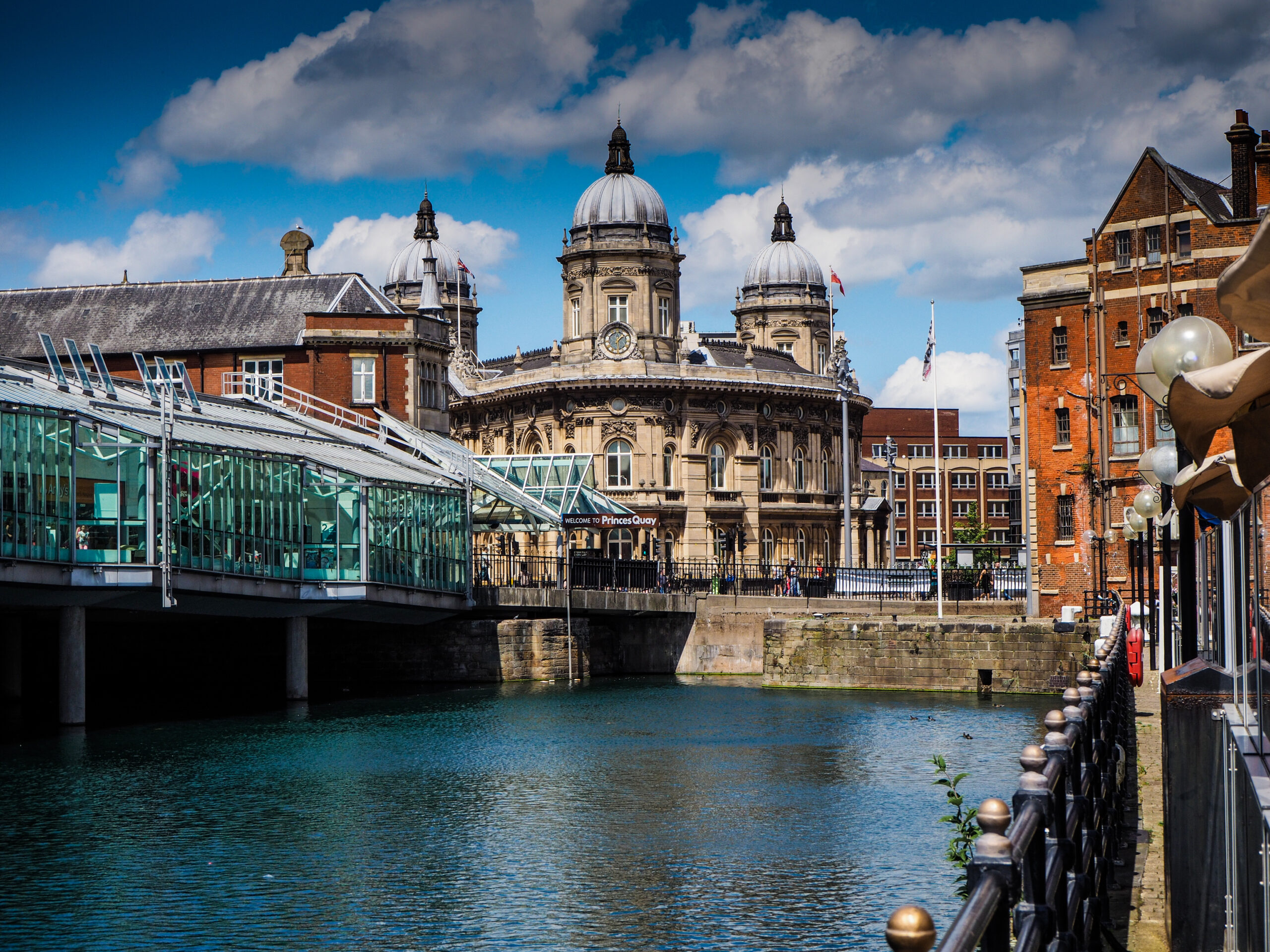
Northern England’s art is steeped in history. Industrial heritage is painted in broad strokes, from the steelworks of Teesside to the shipyards of the Tyne. Yet the work of today’s artists doesn’t simply preserve the past; it reframes it. A collage might pair an old mining photograph with abstract textures, prompting viewers to consider how history coexists with modern life.
Public art plays its part too. The Angel of the North, towering above the A1, has become both a symbol and a meeting point. In Hull, statues of figures from the city’s maritime past are dotted through its streets, while in Manchester’s Northern Quarter, street art layers the history of the city’s radical politics alongside contemporary themes. In this way, art becomes both a witness to history and a spark for fresh ideas.
Regional Pride and Collective Memory
For many Northerners, a painting of a windswept coastline or a sculpture forged from local stone is more than decoration. It is a reminder of shared experiences. It might recall a family trip to Whitby, the glow of the setting sun over Blackpool’s promenade, or the grit and determination of communities that have weathered hard times together. Art records these feelings without needing to explain them, and in doing so, it helps preserve a sense of belonging.
Looking Ahead
The northern art scene continues to evolve, welcoming new perspectives while holding onto a deep respect for what came before. Galleries, collectives, and independent studios keep the conversation alive, making creativity as much a part of northern life as its markets, football grounds, and music venues. The growth of open studio events, art trails, and pop-up exhibitions means that art can appear in a high street shopfront one week and a historic church the next, giving everyone the chance to encounter it in unexpected places.
For those who call the north home – and for those who visit – art offers an open invitation: to see familiar places with fresh eyes, to recognise the talent that thrives here, and to feel connected to something larger than ourselves. This carries forward a tradition that will always have a place in the cultural life of Northern England.