

The Thrill of Chance: Northern Traditions of Luck and Celebration
by Northern Life
The North of England, particularly Yorkshire and Lancashire, has long embraced a spirit of excitement tied to luck and communal gatherings. From ancient fairs to local pub pastimes, these traditions reflect a cultural love for moments where fortune plays a role alongside skill and camaraderie. In modern times, this enduring fascination finds new expressions, including through casino not on GamSTOP options that allow enthusiasts to engage with games of chance from the comfort of home.
These customs highlight how northern communities have historically marked seasons, harvests, and social bonds through activities that involve an element of unpredictability, bringing people together in joyful anticipation.
Historic Fairs and Festivals
Northern England’s calendar has been dotted with fairs and festivals for centuries, many rooted in medieval charters and harvest celebrations. One prominent example is the Egremont Crab Fair in Cumbria, established in 1267 and recognised as one of the oldest in Britain. This event features unusual competitions like the World Gurning Championship, where participants contort their faces for judging, alongside pipe-smoking contests and wrestling. Such gatherings drew crowds eager for entertainment that blended skill with the unexpected.
In Yorkshire and Lancashire, smaller local fairs often included sideshows and simple games.
Further south, Nottingham’s Goose Fair traces its origins back over 700 years, originally a trading event that evolved into a major autumn spectacle. Though named for the geese once driven to market, it became synonymous with lively stalls, rides, and games that captivated visitors from across the region. Historical records from the 13th century mention charters granting fairs in Nottingham, emphasising their role in community life before winter set in.
In Yorkshire and Lancashire, smaller local fairs often included sideshows and simple games where luck determined winners. Events like the Black Pudding Throwing Championship in Ramsbottom, Lancashire, pit participants against targets in a light-hearted contest that echoes older traditions of friendly rivalry. These fairs served as vital social hubs, offering respite from daily labours and a chance to revel in shared excitement.
Traditional Pub Games

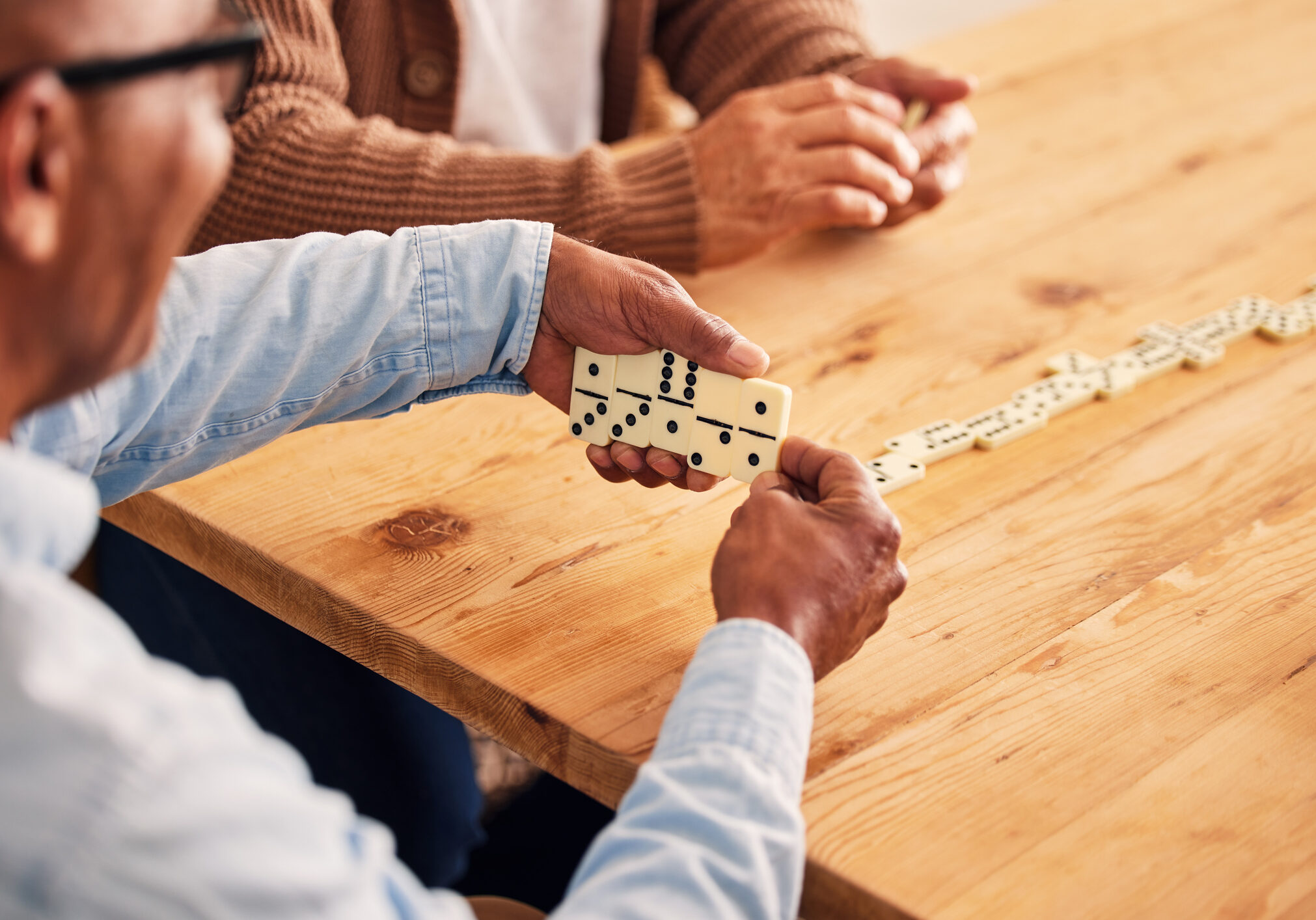
Pubs across Yorkshire and Lancashire have preserved a rich array of games that combine strategy, dexterity, and fortune. Darts, a staple in northern establishments, require precision but leave room for the unpredictable bounce or deflection. Dominoes and cribbage, played over pints, involve calculated moves yet hinge on the draw of tiles or cards.
One distinctly northern pursuit is Knurr and Spell, originating in the moors of Yorkshire and popular in the 18th and 19th centuries. Players used a specialised stick, or “spell,” to launch a small wooden ball, or “knurr,” as far as possible. Competitions attracted large crowds, with mines and mills sometimes closing for major matches. The game’s simplicity made it accessible, while the distance achieved introduced a thrilling element of chance influenced by wind and terrain.
Quoits, another enduring favourite, involves tossing metal rings onto a stake, a test of aim played on village greens outside pubs in the Yorkshire Dales. Variations like the “northern game” have sustained leagues, fostering ongoing community ties. Shove ha’penny, where coins are pushed along a board, and skittles, an early form of bowling, similarly thrive in rural inns, maintaining traditions passed down through generations.
These pub activities underscore the northern penchant for sociable entertainment, where outcomes are never entirely sure, adding to the appeal.
Superstitions and Everyday Luck
Beyond organised events, folklore in the North weaves luck into daily life. In Yorkshire, old beliefs held that bread would not rise near a corpse, or that cutting both ends of a loaf invited misfortune. Chimney sweeps were considered harbingers of good fortune, especially for brides encountering one on their wedding day.
Seasonal customs also incorporated protective rituals. Burning certain greenery after Twelfth Night risked bad luck in some areas, while carrying silver coins to newborns in North Yorkshire aimed to ensure prosperity. Such practices reveal a deep-seated awareness of fate’s role in rural existence, where weather, harvests, and health often felt beyond control.
Modern Echoes of Tradition
Today, the thrill of chance persists in evolved forms. While historic fairs and pub games continue in many places, contemporary leisure includes online pursuits that capture the same essence of anticipation. Enthusiasts explore a variety of games available anytime, mirroring how past generations sought excitement in local gatherings.
Northern traditions of luck and celebration endure.
Events like the Kettlewell Scarecrow Festival in North Yorkshire or the Lancashire Game and Country Festival keep communal spirit alive, blending old quirks with new attractions. For deeper insight into one enduring northern tradition, visit the Welcome to Yorkshire page on Knurr and Spell.
Northern traditions of luck and celebration endure because they fulfil a timeless human desire for connection and exhilaration. Whether through the bustle of a historic fair, the tension of a pub game, or the enjoyment of these customs at home, these customs remind us of the joy in embracing the unpredictable.