
The Science Behind Craniosacral Therapy: What Does the Research Say?
by Northern Life
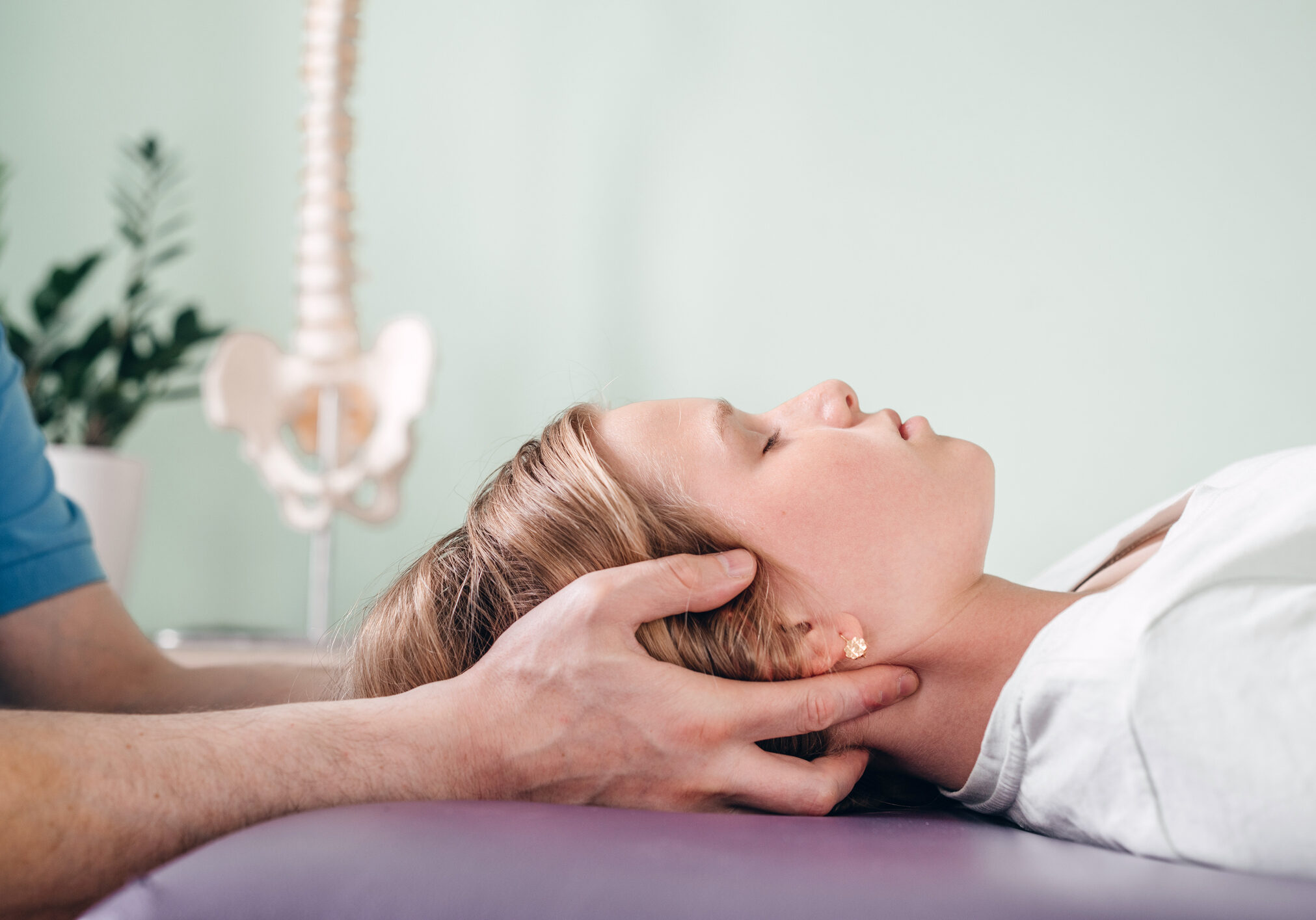
What is Craniosacral Therapy
When considering a healing therapy, it’s helpful to learn about it. Questions that might arise include: What principle does it operate on? What will it feel like? Will it work for me?
These are all relevant points to consider. What’s also useful to keep in mind is that people are individuals. What works for one person, might not work for another. This might be due to the cause of the issue, how it’s felt on an individual basis, or how you respond physically, mentally, or emotionally.
Read and found about craniosacral therapy (CST) in London, of course, but also remember that you’ll only really know how it affects you once you’ve tried it.
What current research suggests
There’s limited research available online regarding craniosacral therapy. When examining the research, it’s essential to scrutinise the studies and their conclusions, as well as consider the broader implications.
Various sites present a meta-analysis of findings. A meta-analysis combines various research studies to provide an overall summary.
This is great when the studies are great. If the studies aren’t robust, however, the summary won’t be totally reliable. Additionally, it essential to consider how Westernised science has a limited capacity to capture the human experience. More about this to come.
Some of the research highlights the following benefits of craniosacral therapy:
- Meta-analysis suggests that there are “significant and robust effects of CST on pain and function lasting up to six months” for patients living with chronic pain.
- Another study reveals a reduction in pain for participants suffering from non-specific lower back pain.
- A third study demonstrated a reduction in neck pain intensity as a consequence of receiving CST.
All these findings sound great. However, craniosacral therapy is a controversial topic in some circles, and much of the research around it has been criticised. Limitations of the study are discussed below.
The limitations of CST studies
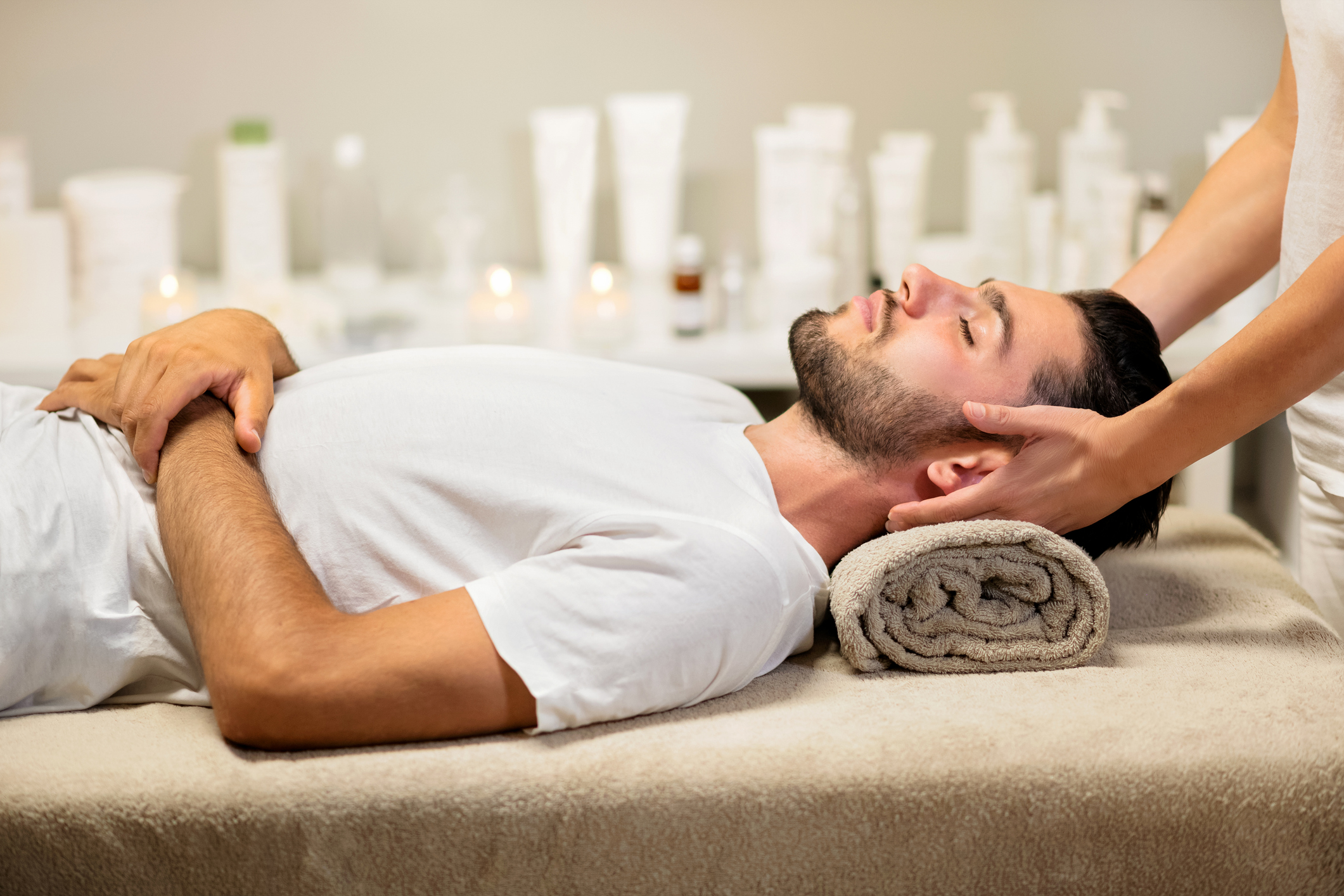
One of the significant issues that flags up when considering craniosacral therapy research is that the studies are small. There are limited participants, some of whom pulled out as studies continued. Thus, the effects of CST aren’t truly captured.
Many criticise studies as being seriously flawed. While one study revealed the benefits of CST in children, the study’s conditions raise questions about the research’s reliability.
Above, one of the studies concludes that CST reduces back pain. It does, though, also highlight that CST was as good as trigger point therapy (massaging knots from muscles) in doing so. Looking more closely at this study, the results show that there was a significant difference between the control group (who reported significant impact of CST) and the sham group (those receiving placebo therapy). The sham group were on more medications at the start of the study possibly indicating that they were more ill to begin with.
Finally, a study is exploring the use of CST in the treatment of migraine. What calls this study into question is that it’s actually a feasibility study used to demonstrate that running the trial using a standardised protocol could work.
While it suggests that CST might be effective in treating migraines, and participants tended to favour this form of treatment over others, this wasn’t shown to be statistically significant in terms of results. Additionally, the effectiveness of CST as a treatment wasn’t the primary purpose of the study.
Another point to highlight is that there is some dispute over how practitioners identify and treat the “pulse” of the craniosacral system. This is the beat of the fluid that circulates the system. If practitioners don’t have a systematic way of identifying the pulse, how can their practice be truly observable in science? A field that requires measurable, observable and tangible facts.
The strength of anecdotal evidence
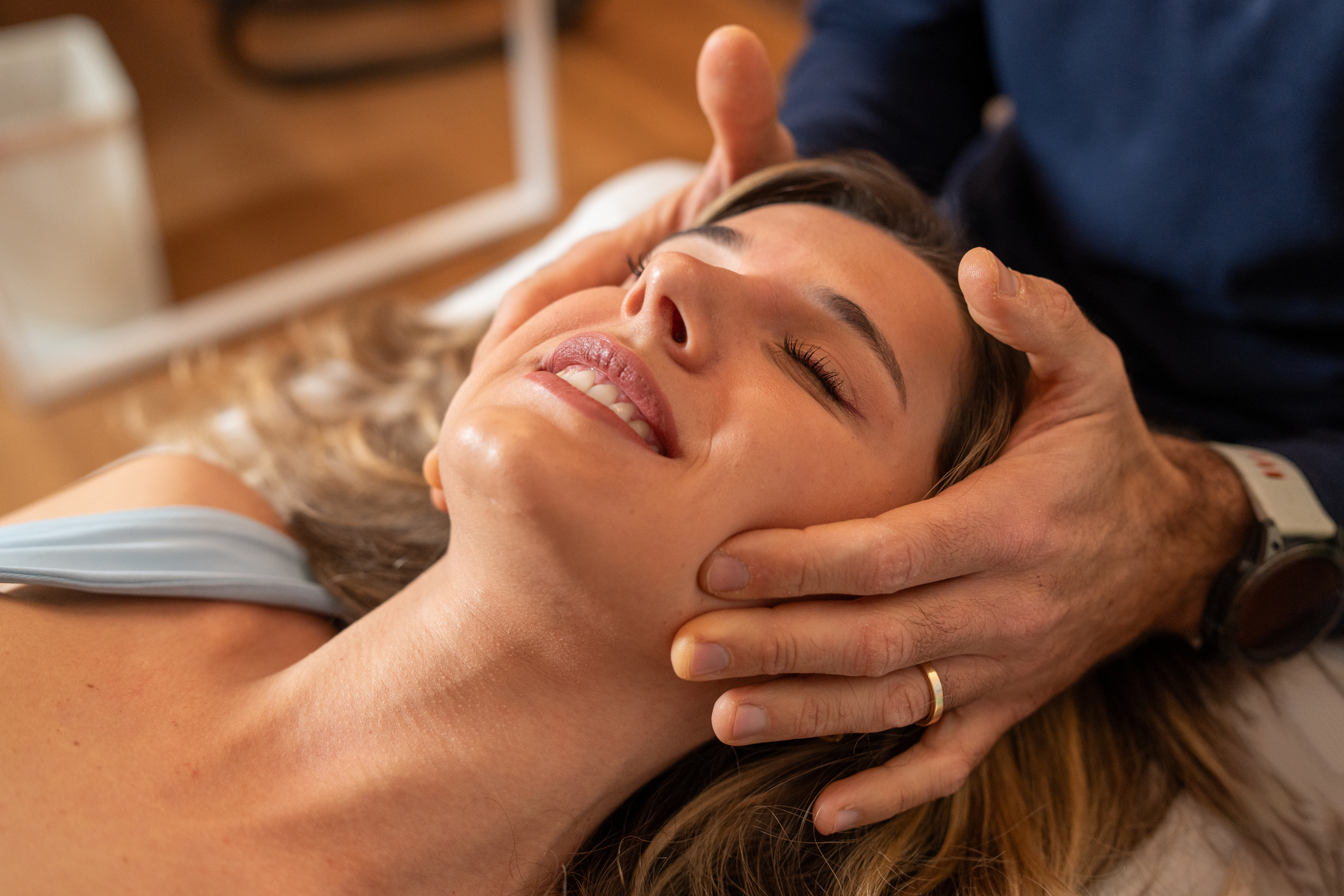
Throughout time, humans have shared stories. Human connection is everything. What science doesn’t capture is the depth of the human experience, the things that are beyond our realm of imagination in explaining why but that simply are.
Considering personal anecdotes of healing is where we find relatable and engaging experiences. It’s where meaning and hope are found. At Bodywork Massage, clients undergo CST and report pain relief, emotional shifts, and improvement in well-being.
One study reported that carers of children reported improvement in “global health” when undergoing craniosacral therapy.
Emotional shifts and relieved muscle tension are very much associated with the work around energy healing in the head and body.
It doesn’t take much delving into online communities to find people discussing the relaxing benefits of CST. As well as this, there are many anecdotal reports of CST helping people with CPTSD, emotional shifts that cause physical blockages in the body, and muscular tension.
What’s important is finding a trusted practitioner with a wealth of experience in healing. The broader the range of knowledge and experience, the better the results.
Bridging science with experiential healing
As mentioned earlier, being human, there are some aspects of the human experience that science cannot capture. Westernised medicine has us putting all our faith in research, study, evidence, and, of course, this is relevant and important, but being human is much more than what can be found in statistics. Science investigates the observable, that which can be repeated.
Trauma, emotional pain, processing of emotions, energetic shifts, the deep experience of grief – can these be monitored or deeply explained by scientific tools?
Experiential healing lies beyond the quantifiable. People report significant emotional shifts during various alternative therapies. In less than a second, you can find people online sharing the significant emotional shifts they experience during breathwork sessions and yoga practices, as well as how Reiki leaves them feeling cleared and light.
Looking to Eastern medicine, acupuncturists have studied and worked with energy meridians in the body for centuries. These practitioners work with sensation, regulation, and release for healing, and it works. The proof is in the anecdotal evidence. CST is similar. Emotional shifts and relieved muscle tension are very much associated with the work around energy healing in the head and body.
Final thoughts
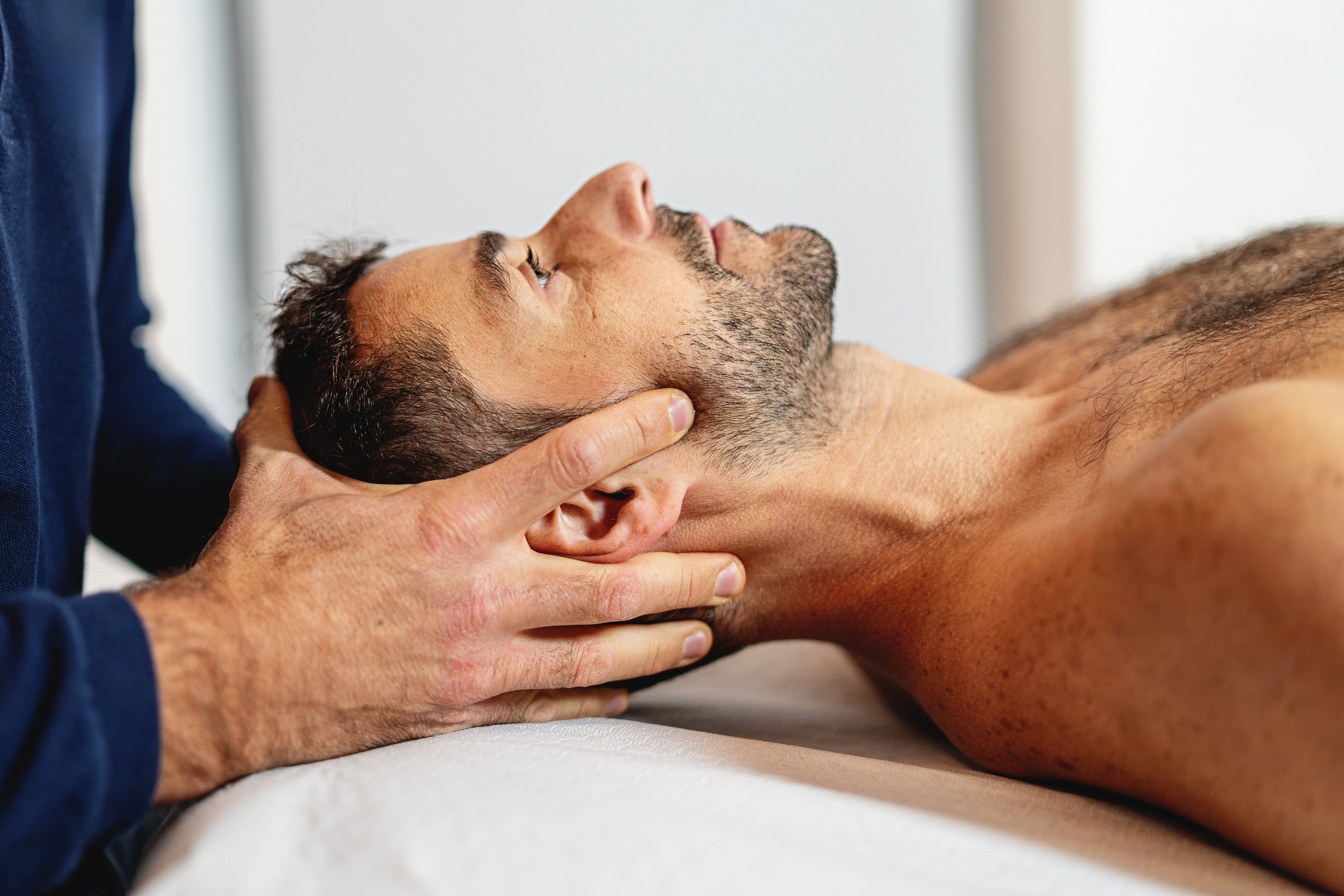
While the effectiveness of craniosacral therapy comes under scientific dispute, this is due primarily to the limited capacity of studies done thus far. Science is able to quantify the observable, but capturing the whole human experience that leads to healing can’t be reduced to numbers.
CST needs to be considered in context, taking into account the lived experiences of individuals. Additionally, when booking CST, it’s advisable to do so with a qualified and experienced practitioner to maximise the full benefits.
FAQs
Is craniosacral therapy safe?
Craniosacral therapy is a non-invasive therapy that applies the lightest of touches to stimulate the craniosacral system. Due to its nature, CST is without risk and completely safe.
Is craniosacral therapy worth it?
Craniosacral therapy provides profound healing for many individuals. It’s an approach that promotes relief for muscle tension as well as deep emotional processing. This can be especially helpful for people who prefer to heal in alternative ways and who aren’t drawn to talking therapies.
How much time should I leave between CST sessions?
It’s really up to you. Some people have weekly CST sessions, others have it fortnightly. This is something we can discuss. Please feel free to call me.
Is craniosacral therapy okay for my baby?
CST is entirely safe for babies due to the lightest of touches applied. This is a non-invasive treatment often used in the treatment of colic, sleep disruption, latching issues, and post-stressful labour.