

The royal family in games — what we have in the world of gaming
by Northern Life
The world of gaming has long been drawn to symbolism, luxury, and legends. And when it comes to symbols of power and prestige, the royal family is the undisputed favourite among the plots that developers use in their games. From slots to RPGs, monarchs, queens, heirs, and palace intrigues continue to captivate players. Even casino names emphasise this trend — for example, queen win sounds like a call for the queen’s triumph on the battlefield of luck.
Why is the royal family theme so popular?
Images of kings, queens, princes, and princesses have been an integral part of popular culture since the Middle Ages. In gaming, this theme has enormous potential, from its visual appeal to its deep plot twists. The royal family is always full of drama, intrigue, conflict, heirs, battles for the throne, and love that clashes with duty. These themes are well understood by players on an intuitive level, which is why interest in such plots has not waned for decades.
Ruling a country, punishing traitors, choosing an heir, forming alliances — all of this provides a deep emotional experience that players eagerly seek.
Additionally, the royal theme itself conveys a sense of elitism. If a game features kings, castles, palaces, and dynasties, it is subconsciously perceived as something valuable, rich, and important. This works great not only in large story-driven RPGs or strategy games, but also in slots and casinos. For example, the name of the casino Queen Win hints at prestige and triumph, creating associations with a royal victory over chance or fate.
The theme also allows the player to try on the role of a ruler, manager, strategic leader, or political schemer. This satisfies the need for influence and control that is lacking in everyday life. Ruling a country, punishing traitors, choosing an heir, forming alliances — all of this provides a deep emotional experience that players eagerly seek.
Historical basis
Most games that use monarchical themes are based on real or semi-real events. The Middle Ages, the Tudor era, French absolutism, and Scandinavian sagas are all great backdrops for games with strategy or narrative depth.
Aesthetics of luxury
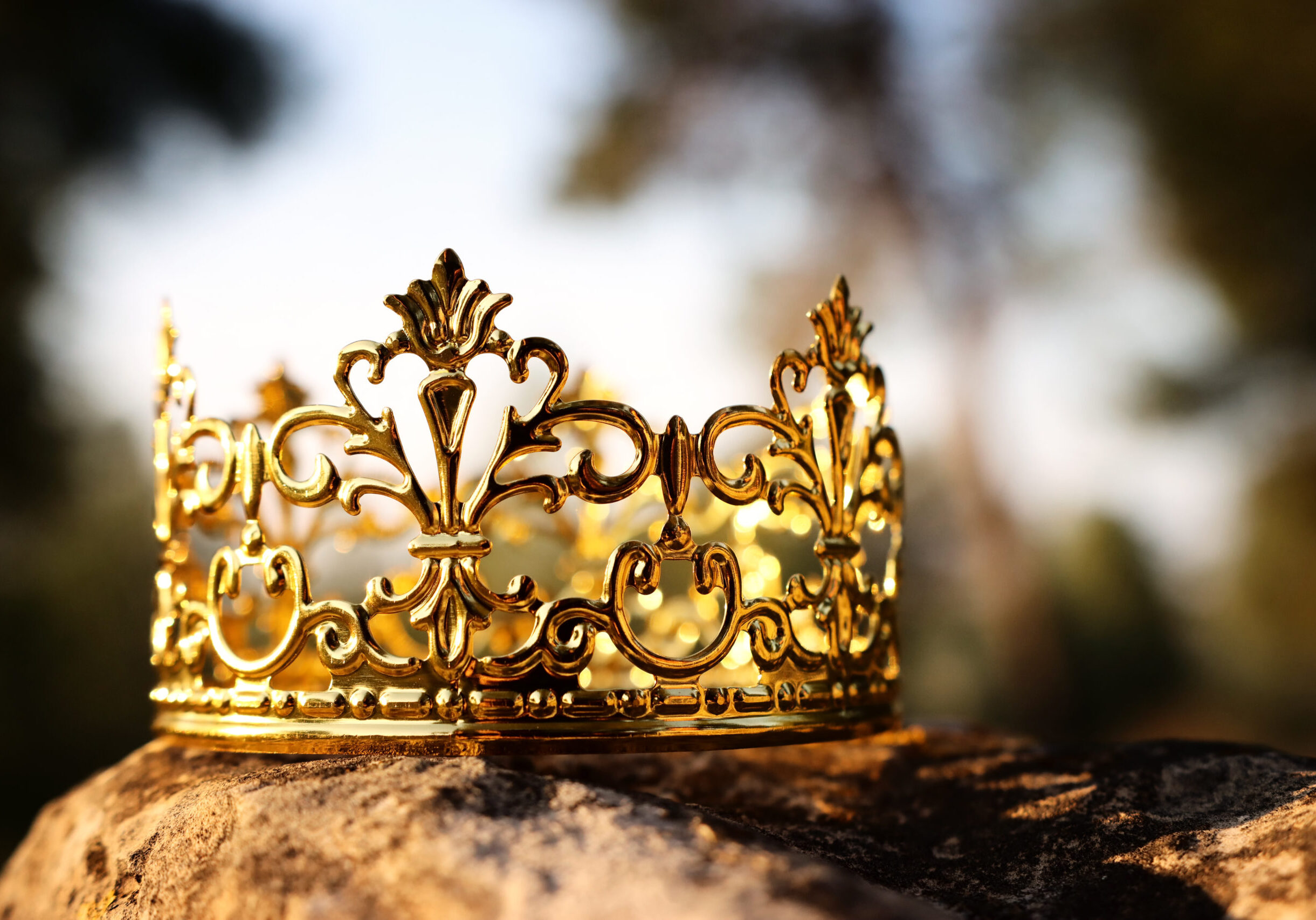
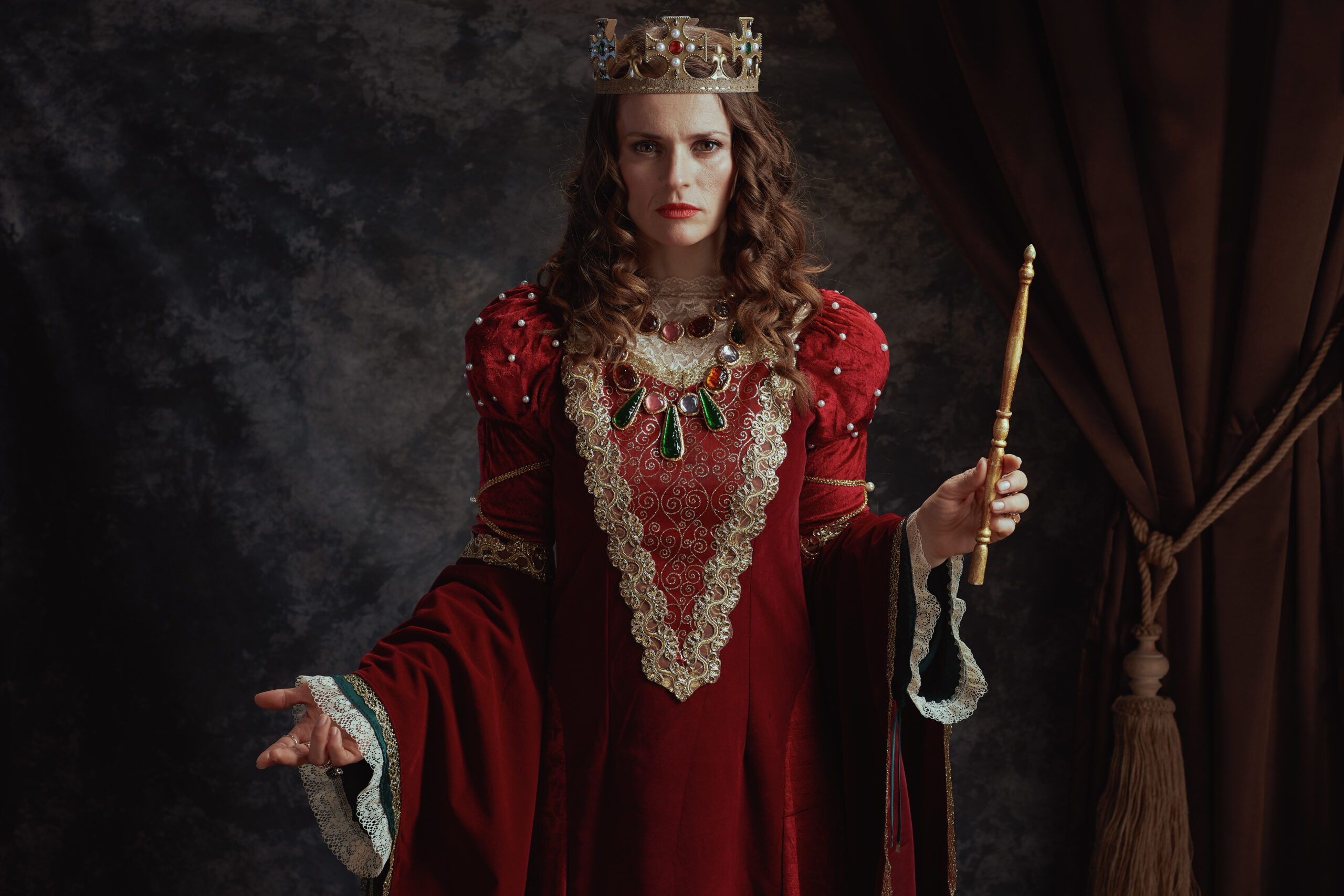
Players love visual luxury — golden crowns, velvet cloaks, and jewels. This visual style suits both slots and adventure quests equally well. Royal themes often use colours associated with wealth — such as purple, gold, and ruby.
Game genres featuring royal themes
The royal family is a universal concept. It can be adapted to different genres. The royal family is a multifaceted theme that can be easily adapted to other video game genres. From strategy games to slots, from mobile puzzles to deep role-playing RPGs, monarchical plots, visuals, and mechanics find their place almost everywhere.
Slots and gambling
In the online casino world, the royal theme is one of the most popular visual trends. Players love the feeling of luxury, wealth, and grandeur — and that’s precisely what slots with names like Royal Riches, Crown of Fortune, King’s Gold, or Queen’s Treasure offer. The Queen Win brand fits perfectly into this concept, emphasising style and the expectation of big wins. Icons of crowns, thrones, and precious stones are not just visual decoration, but also an element of the atmosphere associated with prestige.
RPG (role-playing games)
In this genre, royal characters are not just decorative figures, but the driving force behind the plot. In games such as Dragon Age, The Witcher, and Elden Ring, kings, queens, and courtiers are the source of conflict, political intrigue, and quests. The player often finds themselves torn between loyalty and self-interest, having to choose between supporting the legitimate ruler or a pretender to the throne. This adds depth, moral ambiguity, and gravity to every choice.
Global strategies
Games such as Crusader Kings, Total War, and Europa Universalis are literally built around monarchical systems. Here, royal families are dynasties that must be continued, expanded, and defended. Laws of succession, marriages, intrigues, and conspiracies are the basic mechanics of the game. The player does not simply rule a state, but engages in dynastic survival.
Mobile games
In lighter genres such as Royal Match, Kingdom Rush, Clash Royale, and King’s Throne, royal motifs also dominate. Here, monarchs are often presented in a humorous light or as colourful characters symbolising certain functions within the game. For example, in puzzle games, they serve as mentor characters; in strategy games, they are commanders; and in the game Kingdoms & Lords, the player assumes the role of the king.
The most famous images of monarchs in gaming
Images of royalty in video games have long gone beyond clichés. Today’s kings and queens are not just bearers of power, but often multifaceted individuals with complex motivations, rich histories, and distinct personalities. They can be heroic, tyrannical, tragic, or even comical. Below is an overview of the most influential characters that have left their mark on gaming culture.
- Princess Zelda (The Legend of Zelda)
Despite her title of “princess,” Zelda often plays a key role as a political and spiritual leader in her world. She is not a typical helpless character, but rather a symbol of wisdom, strength, and sacrifice. Her influence on the events of the game is no less significant than the actions of Link, the main character.
- King Roan (Fire Emblem)
An example of a noble but overly idealistic monarch. His death marks a turning point in the plot, illustrating how the struggle for power can consume even the most capable rulers.
- Queen Azshara (World of Warcraft)
The former ruler of the night elves, who lost everything because of her pride. Her image is a perfect example of a queen who crossed the line between nobility and madness. In WoW lore, her story is one of the most tragic but also one of the most profound.
- King Harold Godwinson (Crusader Kings III)
Although this character is based on a real historical figure, in the game, he acts as a model leader in a time of political instability. The player has the opportunity to change his fate or repeat the tragic ending of the Battle of Hastings.
- Queen Cullante (The Witcher)
Although she does not appear in the game frequently, she has a profound impact on the global political landscape. Her will, ambition, and strategic thinking create the backdrop against which the events surrounding Ciri, her granddaughter, unfold.
- Eleanor of Aquitaine (Civilisation VI)
One of the leaders available in the game represents various states. Her abilities allow her to influence the culture and loyalty of cities. This is an example of how royal figures can have not only military but also cultural influence in gameplay.
How royal themes influence game design

The theme of the royal family is not just scenery, titles, or a plot device; it is a complex and multifaceted aspect of the narrative. In the hands of experienced developers, it becomes a powerful tool that shapes the very essence of gameplay, player motivation, decision-making mechanics, and long-term engagement.
Dynasty and inheritance mechanics
The royal theme naturally fits into strategy and RPG games through dynastic systems. For example, in Crusader Kings III, everything revolves around heirs, marriages, and the legitimacy of power. The player controls not just a state, but a family that must maintain its influence for generations. Here, the loss of a single heir can cost the empire its entire empire. This approach adds strategic depth, emotional attachment, and complex moral decisions.
The struggle for the throne as a plot driver
Conflicts within royal families are a classic plot driver. Brothers fighting for inheritance, usurpers, secret conspiracies — all of this adds tension and unexpected twists. In Dragon Age: Origins or The Witcher 2, the player faces political crossroads: who to support, who to betray, and how to avoid civil war? Such decisions have a direct impact on the further development of events.
Title, rank, and loyalty system
In many games, the player not only accumulates resources but also raises their status. In Mount & Blade, a character can become a vassal, a lord, and eventually a king. This creates a sense of progress on a deeper level than just levelling up. Instead of “+1 to strength,” the player gains the right to command armies or issue laws.
Ethical dilemmas and political decisions
The theme of monarchy opens up a wide range of moral challenges. Imagine a situation: there is a brother who is a king and has betrayed the player. He can be executed and lose the support of the people, or he can be pardoned and given a chance for redemption. In Reigns or Thrones of Britannia, such decisions often have a domino effect — one wrong word or choice can lead to rebellion, loss of the throne, or even death.
Symbolism and aesthetics of power
Game designers also actively use symbols of royal power, such as the throne, the sceptre, the crown, and the coat of arms. In slots like Queen’s Crown, these are visual elements that create a sense of wealth and luck. In RPGs, these mechanics reflect power over NPCs or control over the economy.
Visual and audio solutions
When a game explores the theme of the royal family, it must create the appropriate atmosphere — rich, solemn, and even a little theatrical. Visuals and sound play just as important a role here as gameplay or storyline. The correct elements can instantly immerse the player in a world of monarchies, intrigue, and prestige.
Architecture and interiors
- Castles, palaces, throne rooms, corridors decorated with tapestries and torches — all of these are visual cues that the player instantly recognises. Designers often incorporate Gothic or Renaissance elements, such as high arches, stained glass windows, and elegant furniture. The colour palette — gold, purple, dark wood — enhances the feeling of grandeur and historical depth.
Costumes and symbols
- Their clothing almost always distinguishes characters of royal blood. Exquisite cloaks, crowns, medallions, coats of arms on shields or flags — all these are not just decorations, but markers of power. In slots, this can be the main icon — a symbol of high payouts. In RPGs, it is a way to understand the social status of NPCs. For example, in Skyrim, lords and earls always have unique armour and colours for their cities.
Audio design — from hymns to conspiracies
- Music is a powerful tool in creating a monarchical atmosphere. Choral parts, fanfares, organs, string orchestras — these are the very “sounds of the throne.” They accompany solemn scenes — coronations, councils, manifestos. In the game Kingdom Come: Deliverance, the musical score is based on authentic 14th-century motifs, adding depth and authenticity.
- The sound of footsteps on marble floors, echoes in palace halls, the slamming of doors in the throne room — all these little details create an emotional resonance and reinforce immersion.
UI/UX — a royal interface
- In many royal-themed games, even the interface is designed in the style of the era. Instead of the usual buttons, there are seals, scrolls, and precious frames. In strategy games such as Age of Empires or Total War, the interface reflects the military and administrative system of the state, allowing the player to feel like a ruler even when interacting with the menu.
Modern trends in the use of the monarchy theme
The monarchical theme in games is evolving along with the industry itself. Whereas kings and queens used to serve a primarily decorative or archetypal function, they are now gaining depth, ambiguity, and even social subtext. Developers are increasingly moving away from the classic “good rulers” and “evil usurpers,” instead creating vivid, realistic characters with strengths and weaknesses.
Deconstructing idealised monarchs
In modern RPGs and strategy games, rulers often appear who are difficult to label as good or bad. They have ambitions, fears, complexes, and political goals. In the game Thrones of Britannia or in the CK3 and The Witcher series, we see rulers who make imperfect, often cruel decisions. And the player is not dealing with a myth, but with a person in a crown.
This approach makes the game more emotional, as it allows you not only to “control” the monarch, but also to empathise with them, sympathise with them, or even despise them — just like real historical figures.
Female characters and royal power
In the past, women were often portrayed as passive figures in royal stories — princesses in need of rescue or the wives of monarchs. But the last decade has brought radical changes. Strong, independent female characters have appeared who not only compete for the throne but also change the course of history on their own.
In the game Reigns: Her Majesty, the player assumes the role of a queen who must make political decisions, fight against the patriarchal system, and strive for a balance between the church, science, the army, and the people. In Crusader Kings III, women can rule states on an equal footing with men, participate in wars, form alliances, and kill their rivals.
Political subtext and satire
Monarchy is also often used as a theme to satirise contemporary politics. In the game Yes, Your Grace, the ruler must balance the demands of his subjects, family issues, and economic crises.
This creates a comically dramatic situation that is actually close to reality, albeit presented in an allegorical form.
The Reigns series follows a similar path, where the choice between “yes” and “no” leads to the fall or rise of a state, emphasising the fragility of monarchical power and the limitations of freedom even for the highest leader.
List of popular games with a royal theme
Royal plots are found in a vast number of games — from indie projects to AAA blockbusters. Here is a selection of the most famous and brightest games where the royal theme plays a key or significant role.
All of them either focus on dynasties and throne intrigues or use images of the royal family as the main attraction for the player.
- Crusader Kings III
Perhaps the most in-depth simulation of dynastic rule in gaming. The player assumes the role of the head of a family and governs the state for generations. Here you can change the laws of succession, arrange marriages for political gain, eliminate rivals, and wage religious wars. The royal theme is not just a backdrop, but the heart of the game. According to Wikipedia, the game is known for its complex system of managing family trees and political connections.
- Reigns: Her Majesty
A mobile card game where the player is a queen who makes decisions based solely on intuition and the balance of four forces: the people, the army, religion, and science. Ironic, profound, with strong feminist undertones.
- Total War: Medieval II
One of the best historical strategy games, where rulers, dynasties, and thrones are the main sources of influence. The player rules an empire, develops a dynasty, conducts diplomacy, and leads armies into battle for dominance in Europe.
- The Witcher 2: Assassins of Kings
A game where political intrigue and the assassination of kings are the central themes. The player finds themselves at the epicentre of conspiracies, and the fate of entire kingdoms depends on their choices.
- Dragon Age: Origins
Monarchy and political struggle for the throne play a significant role in the game. The player can influence the choice of the new king by forming alliances, killing rivals, or supporting favourites.
- Kingdom Come: Deliverance
A deep historical RPG where rulers are not magicians, but real people. Kings, margraves, church authorities — everything is presented as authentically as possible. Here, the monarchy is not fantasy, but harsh and realistic. The historical accuracy was even noted in a Reuters article, which called the game “a rare, unvarnished reconstruction of medieval Europe.”
- Royal Match
A mobile puzzle game that uses visual and thematic elements of the royal family. Although simple in gameplay, its style clearly evokes the appeal of royal life.
- King’s Throne: Game of Lust
A mobile strategy game where the player is a monarch who rules a state, wages wars, marries, raises heirs, and enjoys life in the palace. Very popular in the Asian region.
- Queen of Alexandria
A casino slot game inspired by the image of the ruler of Egypt. Visually rich, with an atmosphere of luxury and mystery. Fits perfectly into the concept of royal slots.
- Queen Win
A casino that uses the royal image to attract players. The name emphasises prestige and promises a “royal” victory. This brand is a good example of how the theme of monarchy is integrated even at the level of game marketing.
Conclusion
The royal family in gaming is more than just a backdrop for the action. It is a multi-layered theme that combines history, aesthetics, psychology, and gameplay. It works in both hyper-realistic strategies and light slots, such as Queen Win. It has everything: ambition, power, honour, betrayal — everything that makes a game unforgettable. And judging by the trends, the monarchical theme appears to be here to stay.