


The Role of GLP-1 Medications in Modern Weight Loss Plans
by Northern Life
GLP-1 medications have revolutionised the approach to weight management
Obesity has become a global health crisis, with millions struggling to manage their weight despite lifestyle interventions. In recent years, a new class of medications—GLP-1 receptor agonists—has emerged as a powerful tool in the fight against obesity. These drugs, originally developed for type 2 diabetes, have demonstrated significant efficacy in promoting weight loss, transforming the landscape of modern weight management strategies. To understand what GLP-1 receptor agonists are and how they work, it’s essential to explore the science behind them, their effectiveness, safety, and how they fit into comprehensive weight loss plans. Many individuals now track their treatment progress and manage dosages conveniently through a GLP1 app, which can support adherence and lifestyle changes alongside medical therapy.
Understanding GLP-1: The Science Explained
What is GLP-1?
Glucagon-like peptide-1 (GLP-1) is a hormone produced in the gut in response to food intake. It plays a crucial role in regulating blood sugar by stimulating insulin secretion and suppressing glucagon release. Additionally, GLP-1 slows gastric emptying and promotes satiety, leading to reduced food intake.
How Do GLP-1 Medications Work?
GLP-1 receptor agonists mimic the action of natural GLP-1. By activating GLP-1 receptors in the brain and digestive system, these medications:
- Enhance feelings of fullness
- Reduce appetite
- Delay stomach emptying
- Improve blood glucose control
As a result, these GLP-1-based weight loss injections offer a dual action on appetite and metabolism, making them highly effective for weight loss in both diabetic and non-diabetic individuals.
GLP-1 Medications: The Main Players
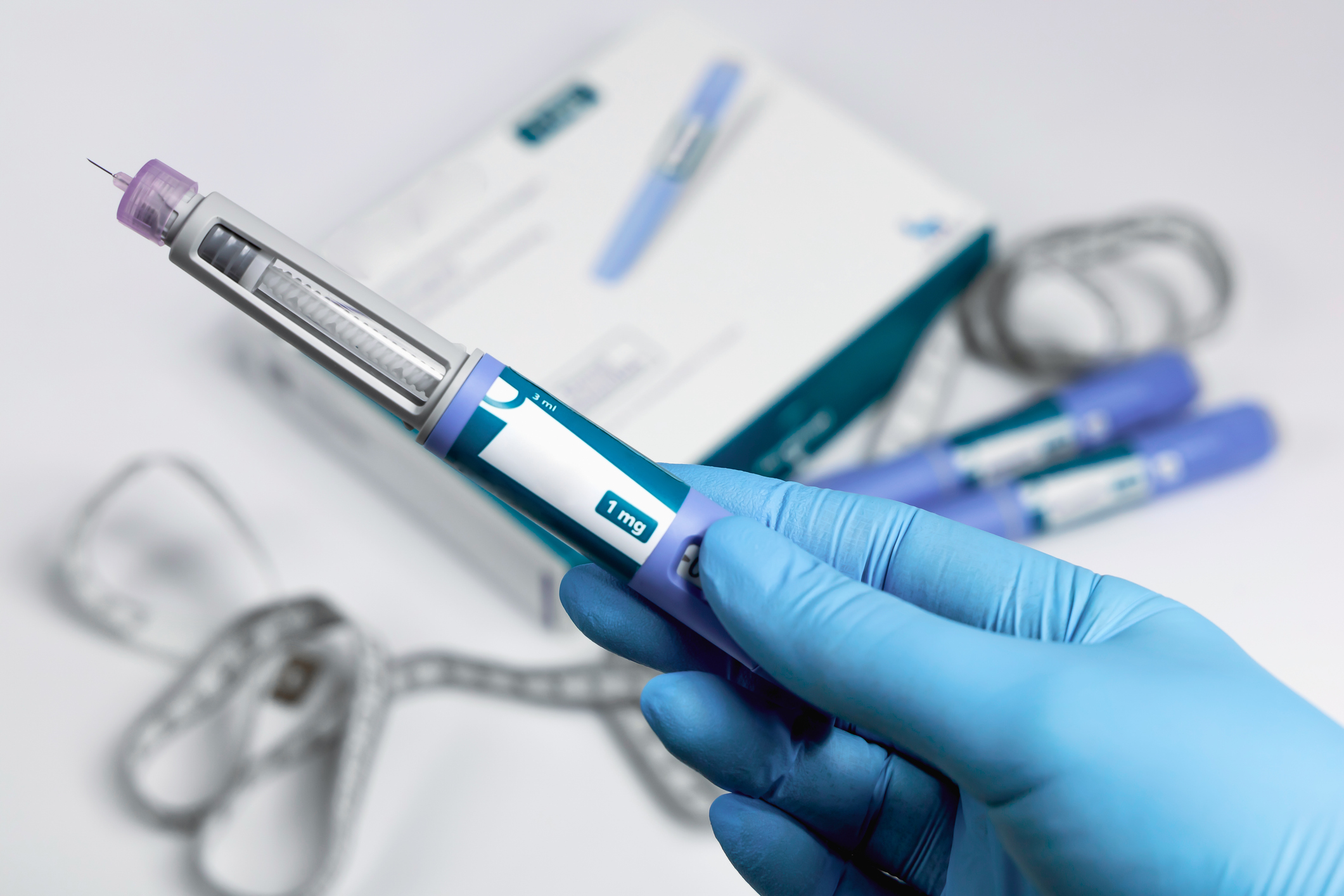
Several GLP-1 receptor agonists are now approved for weight management. The most widely used include:
| Medication Name | Brand Name | Typical Use | Administration | Average Weight Loss (%) |
| Semaglutide | Wegovy | Obesity, T2DM | Weekly | 12–15 |
| Liraglutide | Saxenda | Obesity, T2DM | Daily | 8–10 |
| Dulaglutide | Trulicity | T2DM (off-label) | Weekly | 3–5 |
| Tirzepatide | Mounjaro | T2DM, Obesity | Weekly | 15–20 |
Table: Common GLP-1 Medications and Their Weight Loss Effects
Clinical Evidence: How Effective Are GLP-1 Medications?
Extensive clinical trials have consistently shown that GLP-1 medications can lead to significant weight loss, often exceeding that achieved with lifestyle changes alone. For example, semaglutide at a 2.4 mg weekly dose resulted in an average weight loss of 14.9% of body weight over 68 weeks in adults with obesity, compared to 2.4% in the placebo group.
Key Findings from Research
- Individuals on GLP-1 therapies are more likely to achieve at least 5% and 10% weight loss compared to those on placebo.
- Weight loss is often sustained over long-term use, provided the medication is continued.
- These drugs also improve cardiovascular risk factors, such as blood pressure, cholesterol, and blood sugar levels.
Integrating GLP-1 Medications into Weight Loss Plans
Who Should Consider GLP-1 Therapy?
GLP-1 medications are typically recommended for:
- Adults with a BMI ≥30 kg/m² (obesity)
- Adults with a BMI ≥27 kg/m² with at least one weight-related comorbidity (e.g., hypertension, type 2 diabetes, sleep apnoea)
They are not a first-line treatment but are considered when diet and exercise alone have not produced sufficient weight loss.
The Importance of Lifestyle Changes

While GLP-1 medications are effective, they are most successful when combined with:
- A balanced, reduced-calorie diet
- Regular physical activity
- Behavioural support and counselling
Medications should be viewed as an adjunct, not a replacement, for healthy lifestyle habits.
Safety and Side Effects
Common Side Effects
Most side effects are gastrointestinal and tend to diminish over time. These include potential side effects such as nausea, vomiting, Constipation and diarrhoea.
Serious Risks
Rare but serious risks include pancreatitis, gallbladder disease, and, in some cases, an increased risk of thyroid tumours. Regular monitoring by a healthcare professional is essential.
Related Topics

GLP-1 Medications vs. Other Weight Loss Drugs
GLP-1 receptor agonists have shown superior efficacy compared to older weight loss medications such as orlistat or phentermine. They also offer the added benefit of improving metabolic health, making them a preferred choice for many clinicians.
Cost and Accessibility
One of the primary barriers to widespread adoption is the cost. GLP-1 medications can be expensive, and insurance coverage varies. Efforts are ongoing to improve accessibility and affordability for those who could benefit most.
The Future: New Developments
Research is ongoing into next-generation GLP-1 drugs and combination therapies (e.g., tirzepatide, which targets both GLP-1 and GIP receptors), which may offer even greater weight loss and metabolic benefits in the future.
Conclusion
GLP-1 medications have revolutionised the approach to weight management, offering hope to those who have struggled with traditional methods. Their ability to significantly reduce body weight, improve metabolic health, and maintain weight loss over time makes them a cornerstone of modern obesity treatment. However, they are not a magic bullet. Success depends on a comprehensive approach that includes dietary changes, physical activity, and ongoing medical support. As research advances and access improves, GLP-1 therapies are poised to play an even greater role in combating the obesity epidemic.