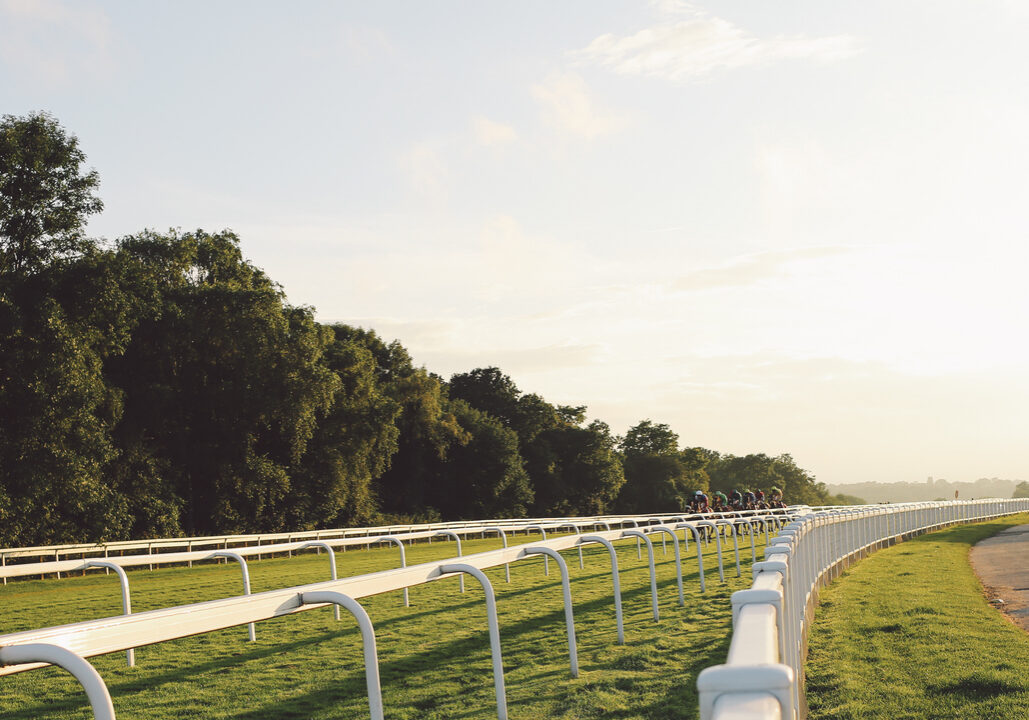

The Magic of Race Day: More Than Just a Day Out
by Northern Life
Race day isn’t about one result, it’s about being part of something real
The gates open early on race day. People drift in however they please. Some are already deep in talk about their picks, while others just stand quietly, letting the morning light settle in.
You can smell everything at once. Fresh-cut grass, grilled food, and champagne corks popping somewhere in the crowd. Jockeys move past in sharp flashes of colour, silks catching the sun.
Sure, platforms like NetBet make it easy to bet from home. But nothing matches being there in person. It’s louder, brighter, and more energetic. That mix of sport, style, and crowd magic is what keeps race day alive.
History & Tradition
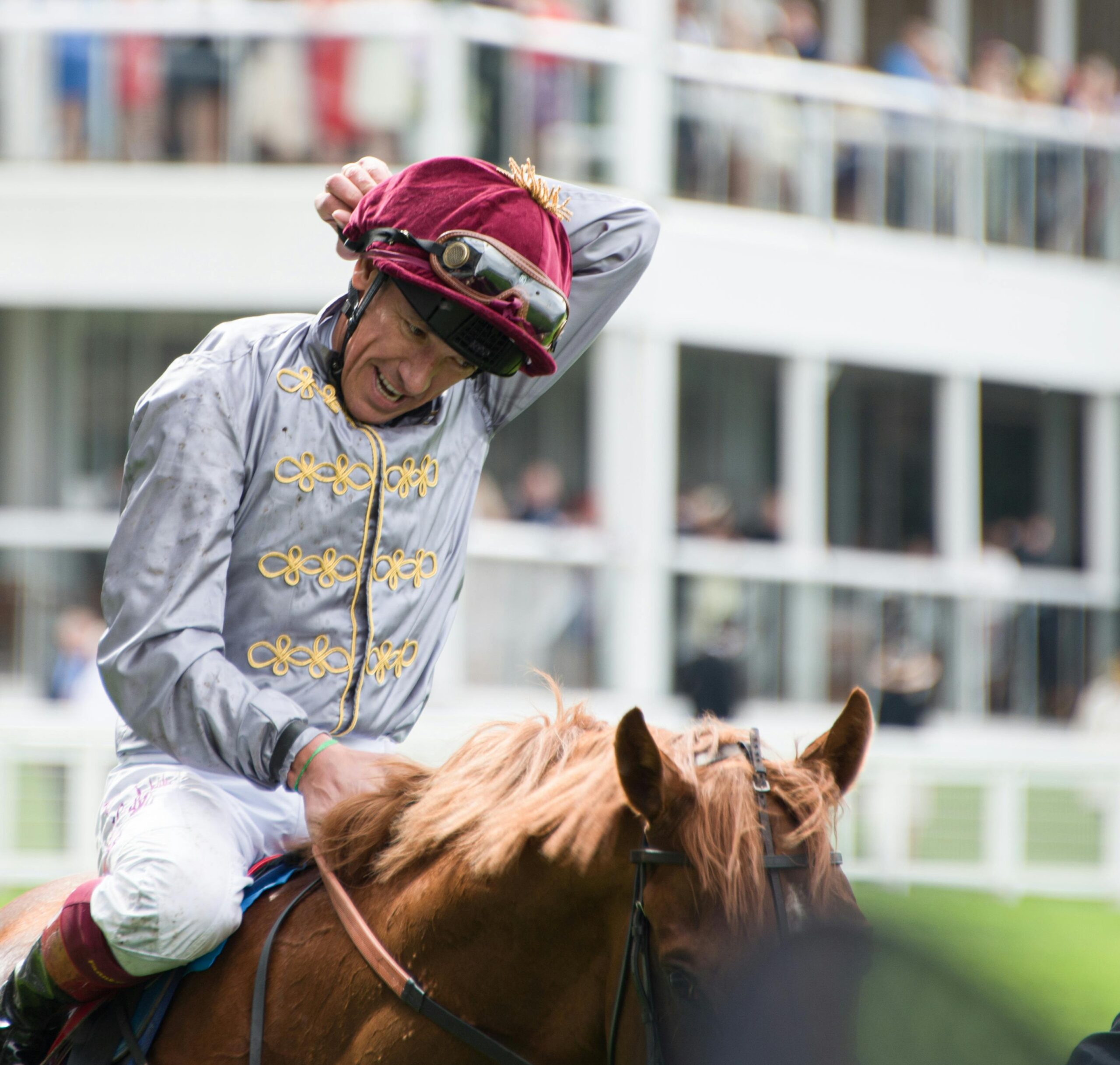
Horse racing has been around longer than most sports still played today. Ancient Greece had its hippodromes. Rome filled grand arenas for chariots. In the Middle East, breeding for speed shaped entire ways of life.
By the 1600s, England was formalising it. The Royal Ascot began in 1711 and still draws tens of thousands of people.
Here’s what’s stuck around:
- Kentucky Derby – first run in 1875, turns Louisville into a city-wide celebration every May
- Melbourne Cup – started in 1861, famously “the race that stops a nation”
- Churchill Downs, with its twin spires, has staged legends
- Flemington in Melbourne has been part of the sport’s heartbeat for over 160 years
Some things barely change. Paddock parades still let crowds size up the horses. Trophy presentations keep their ceremonial precision. Photo finishes still shock and thrill.
Then there are the horses that outgrow the track. Secretariat’s Triple Crown. Phar Lap’s dominance. Frankel’s unbeaten run. Names spoken with the kind of tone usually kept for heroes.
The Atmosphere & Social Scene
From the moment you step through the gate, there’s a hum. Snippets of conversation float by. A bookmaker calling odds. The muffled thud of hooves in the distance.
Fashion competes with racing for attention. Royal Ascot fills with towering hats and crisp morning suits; the Kentucky Derby blooms in bold prints and summer colours. Even at smaller tracks, people dress up because the day feels special enough to warrant it.
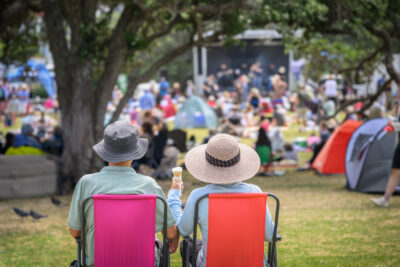
There’s champagne in tall glasses. Picnic blankets spread on the grass. Old friends catching up. Families are making a proper day of it.
But the real details aren’t in the clothes. They’re in those moments:
- When strangers roar for the same outsider
- When everyone gasps if a favourite trips
- When the noise surges as a long shot charges ahead in the final stretch
The Racing Action
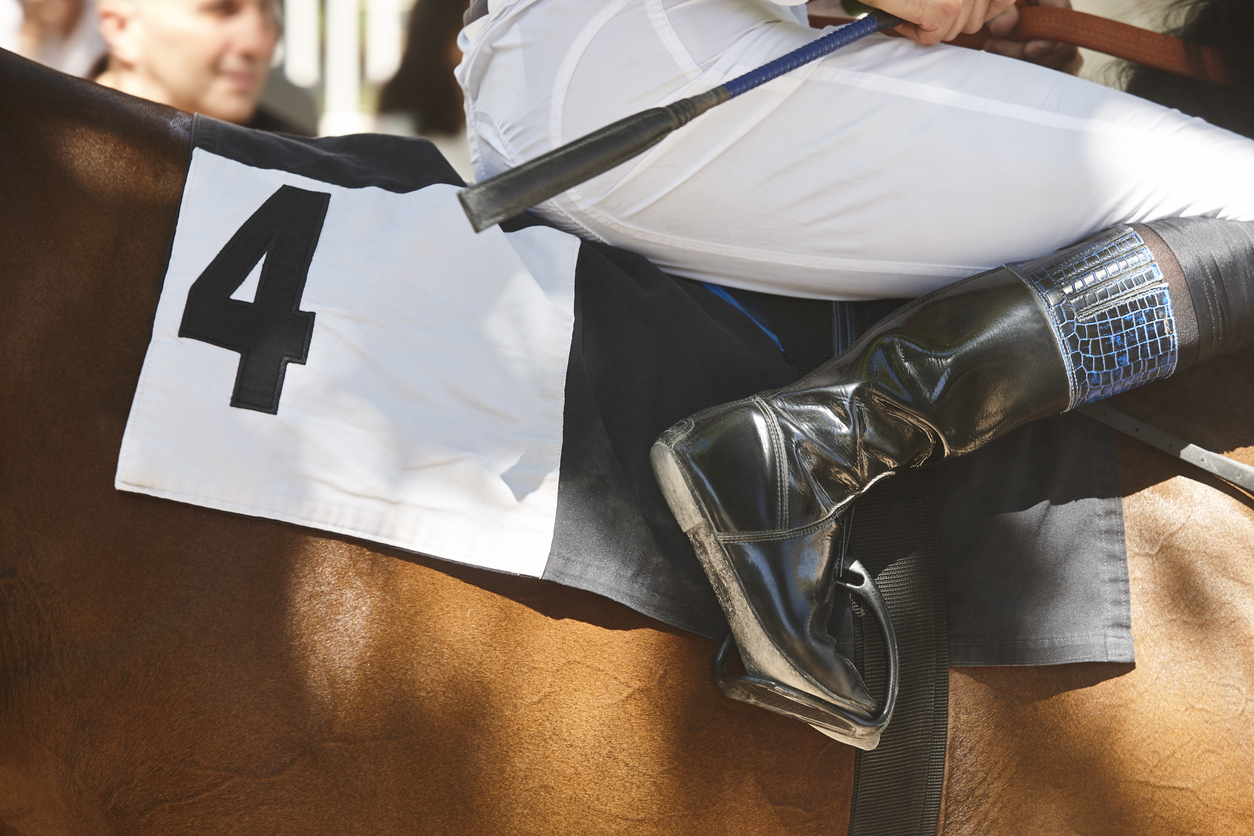
A race builds slowly; first, the parade ring. Horses walk in a slow circle, ears flicking, coats catching the light. Trainers talk to their jockeys in low voices.
Some head straight for the bookmakers, cash in hand. Others watch the odds on their phones. If you’re new, basics help. Odds show what you could win. A “win” bet means you believe one horse will take first place.
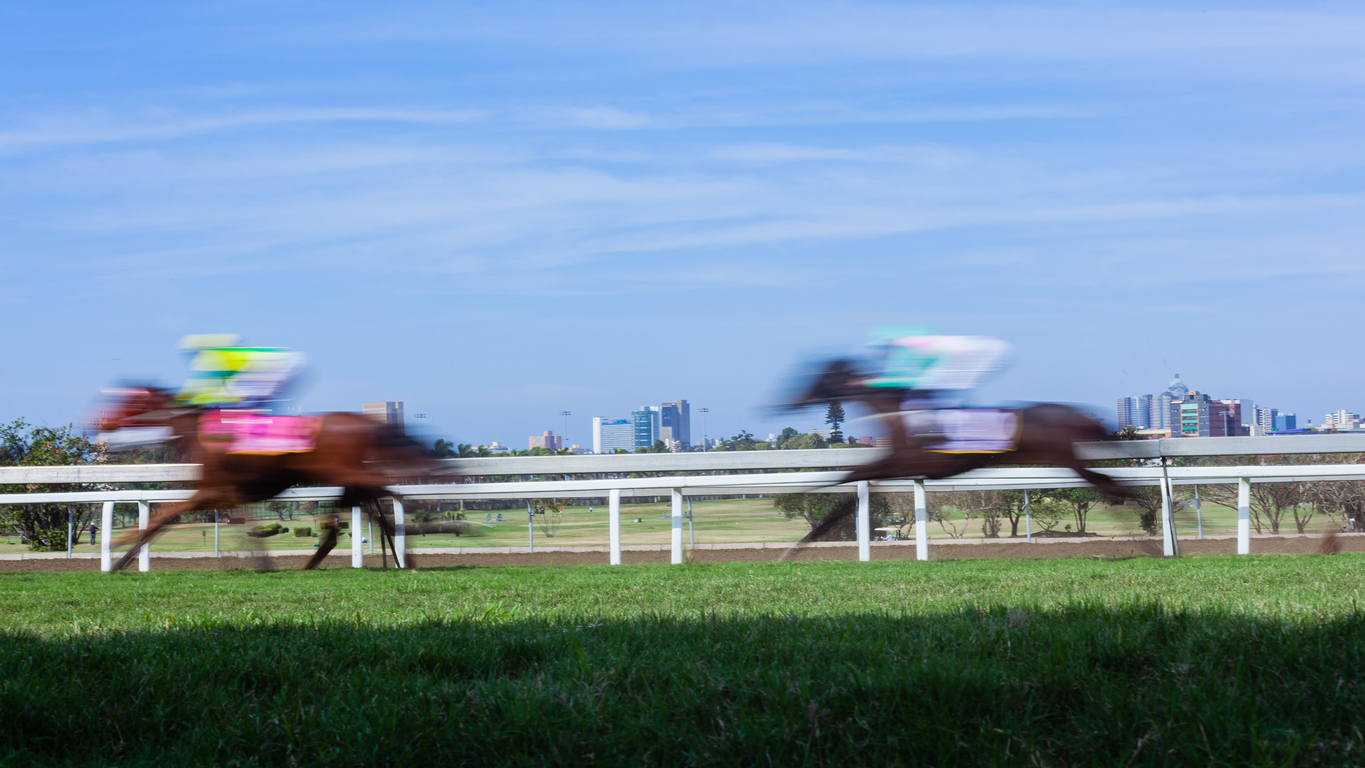
The tension changes when horses line up. A sharp sound from the starter, and they’re off. Hooves thud in unison, then spread into their rhythms.
Some horses attack from the first stride. Others hold back, waiting. The crowd follows every shift. A quick breath when an outsider surges. A shout when the leader stumbles.
Then the finish. Seconds where the track narrows. Bodies lean forward. Colours blur.
Behind the Scenes
By the time the first guests arrive, hours of work are already behind the day. Trainers have been in the stables since sunrise, sometimes earlier. They walk the horses, check legs for swelling, and make minor adjustments to gear.
Stable hands keep everything moving:
- Buckets filled
- Stalls cleaned
- Feed measured out to the last scoop
They know the quirks of each horse. The one that needs extra brushing before it settles. The one that always paws at the ground before walking out.
None of it’s glamorous. Mornings start in cold air. There are long drives to different tracks. Hours of unseen work for just minutes of racing.
When a horse wins, the moment belongs to everyone who touched its journey, the people who never step onto the turf but carry the victory home all the same.
Cultural & Economic Impact
Big race days do more than fill the stands. They draw visitors from across the country and beyond. Hotels book out. Restaurants stay busy. Local shops see extra trade.
The benefits spread wider, too. Seasonal jobs open up at tracks and nearby venues. Tourism supports regional economies. Many events raise money for charities.
The Melbourne Cup contributes millions to Victoria’s economy each year. The Kentucky Derby generates a similar boost for Louisville. Even smaller events have an impact, keeping traditions alive and communities connected.
Conclusion
A day at the races is a mix of old and new. The traditions that have been passed down for centuries sit alongside the convenience of modern betting and global broadcasts.
It’s the colour of the silks. The smell of the turf. The sudden burst of noise as the field turns for home. It’s strangers sharing a cheer, and families adding another photo to the album.
Race day is part sport, part celebration. A place where history runs alongside the present. And even if the horses are the stars, the people, their passion, their style, their voices, are what make it unforgettable.