
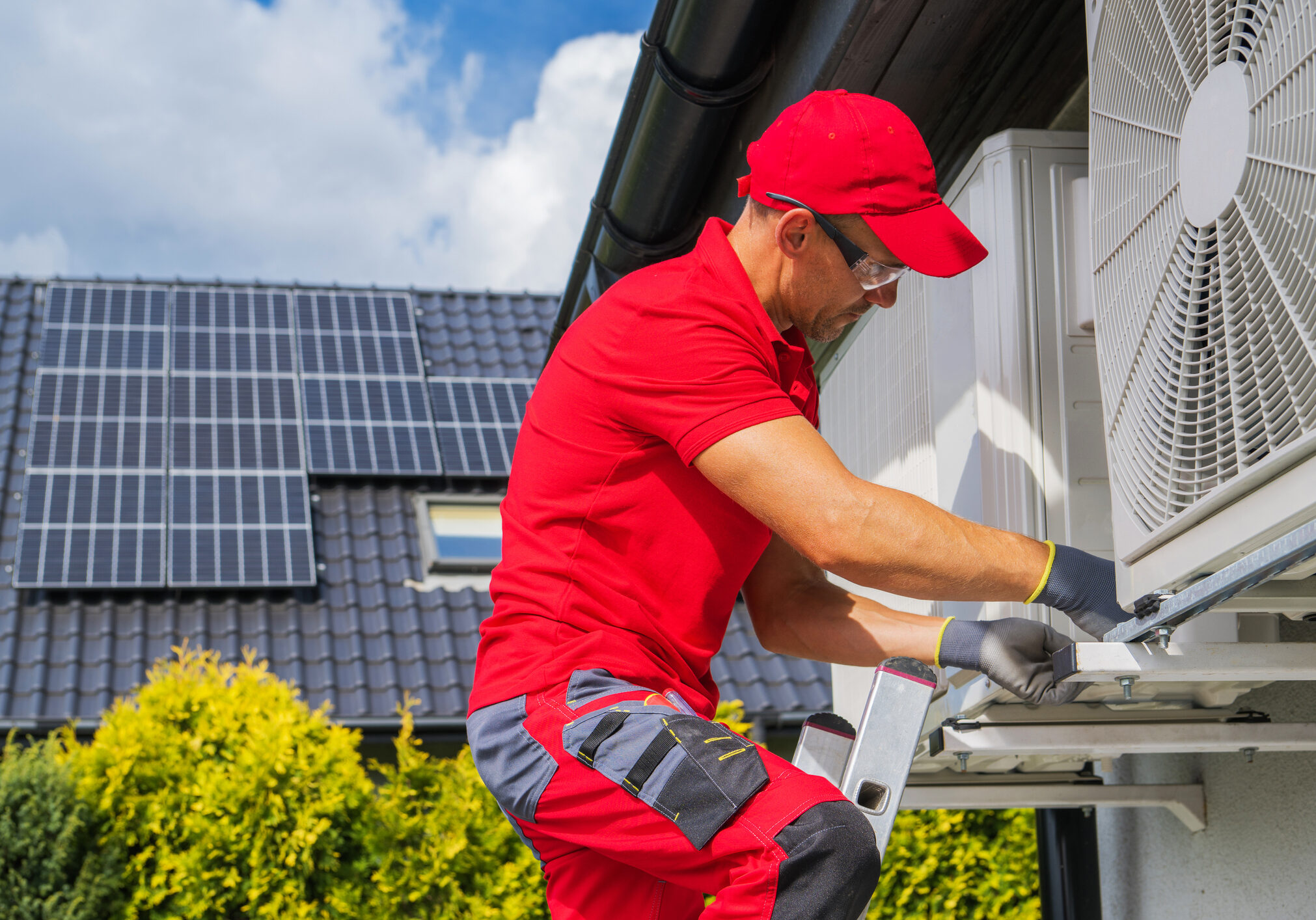

The Importance of Professional Installation for Heat Pumps
by Northern Life
In recent years, heat pumps have gained significant traction as a more environmentally friendly method for heating and cooling residential and commercial spaces. Yet, while the efficiency and environmental benefits of heat pumps are celebrated, the success of these systems heavily relies on the installation process. Proper installation is critical, not merely a box-ticking exercise; it impacts system performance, lifespan, and maintenance costs.
When considering a heat pump, many homeowners may be tempted to pursue a DIY approach, assuming that they can save money. However, this can be a gamble that leads to more significant expenses down the line. A practical approach to heat pump installation is essential, and navigating the complexities involved often pays dividends with professional guidance.
The Complexity of Heat Pump Systems
Heat pumps are sophisticated pieces of technology that require a deep understanding of both engineering and the specific requirements of the property where they’re installed. Unlike traditional heating systems, heat pumps operate on principles of thermodynamics and require precise calibration for optimal performance.
Factors such as the size of the heat pump, the thermal performance of the house, and local weather conditions must all be considered. By employing professionals who understand these variables, you ensure that your system is tailored appropriately to your specific needs.
Professionals are well-versed in the latest industry standards and technology, enabling them to install systems that meet both your efficiency needs and regulatory standards. This deep expertise not only ensures a seamless installation process but also decreases the likelihood of future issues, making your investment worthwhile.
Importance of Energy Efficiency and Performance

A correctly installed heat pump operates at a higher efficiency, translating into lower energy bills and a reduced carbon footprint. According to the Energy Saving Trust, regularly maintained and well-installed systems can deliver substantial savings on your energy costs. Many homeowners who are unaware of the intricacies of their heat pump installations may find themselves utilising systems that perform below optimal levels, resulting in wasted energy and higher operational expenses.
Moreover, poorly installed systems may lead to uncomfortable living conditions. For instance, if a heat pump is oversized or undersized for a property, it can lead to inconsistent temperatures, increased wear and tear on the unit, and ultimately a shortened lifespan. Professionals can perform a Manual J calculation to assess heat loss and gain in a property, ensuring the right size unit is installed to match requirements.
The Risks of DIY Installation
The allure of a DIY installation often blinds homeowners to the numerous pitfalls inherent in such an approach. While many individuals are capable of various home improvement tasks, HVAC systems require a specialised skill set that is not easily replicated. Here’s why a DIY approach can be a misstep:
- Safety Hazards: Improper installation poses safety risks, including electrical hazards and refrigerant leaks, which can lead to serious health concerns.
- Voided Warranties: Many manufacturers require professional installation to validate warranties. If you choose to install the system yourself, you may forfeit important coverage, putting your investment at risk.
- Future Costs: A poorly installed heat pump can lead to malfunctions, necessitating costly repairs or replacement sooner than expected.
Recognising the Value of Professionals
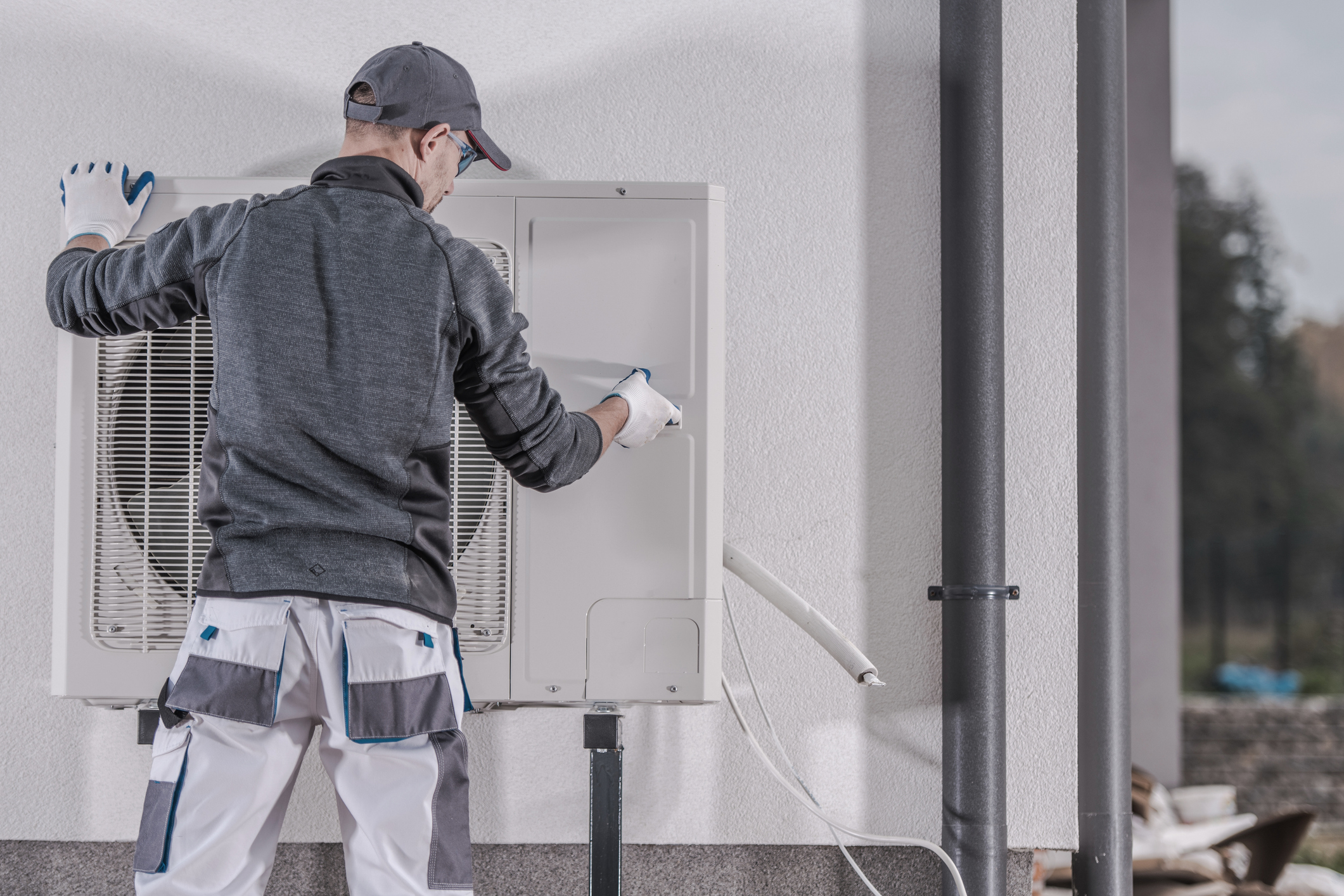
When you opt for professional installation, you’re not just paying for labour; you’re investing in peace of mind. Professionals conduct thorough assessments, ensuring each component is appropriately set up. They provide recommendations for system placement, ductwork modifications, and even the selection of supplementary accessories like smart thermostats.
In addition to technical skills, many professional installers also stay abreast of local incentives for renewable energy systems. They can help you navigate grants or subsidies that may be available for heat pump installations, making such energy-efficient investments more affordable.
The Role of Maintenance and Servicing
Even with a professional installation, regular maintenance remains a critical aspect of owning a heat pump. A well-installed system still requires periodic upkeep to maintain efficiency and performance. Many professional installers offer maintenance contracts, which can be an excellent way to ensure that your system operates at peak efficiency throughout its lifespan.
Regular service checks can identify potential issues before they escalate into costly repairs. During these visits, technicians can clean and inspect the system to ensure it remains compliant with all applicable regulations.
Key Takeaways
In summary, while the benefits of heat pumps are clear, their effectiveness hinges on high-quality installation. Here are the key considerations to keep in mind:
- Professional Expertise: Engaging professionals ensures that the specific requirements of your home are met, maximising both performance and efficiency.
- Cost-Effectiveness: A properly installed heat pump can lead to considerable savings over time, offsetting initial installation costs.
- Safety and Compliance: Professional installation helps circumvent potential hazards and keeps your warranty intact, protecting your investment.
- Ongoing Care: Routine maintenance and the possibility of service contracts ensure that the system continues to perform well for years to come.
Making informed choices in the early stages of selecting and installing a heat pump prepares homeowners for long-term satisfaction. The importance of professional installation cannot be overstated, as it lays the foundation for efficient, economical, and effective heating and cooling systems. If you’re contemplating a heat pump installation, consider exploring best practices to ensure your investment leads to the desired comfort and energy efficiency for your home.
Taking the time to ensure a seamless installation process can make all the difference in how well a heat pump services your home for years to come.