
The A-Z of Bradford
by Karen Shaw
Here’s Bradford from A to Z
In Bradford, history doesn’t gather dust – it’s painted on walls, belted out on stage, and shouted over market stalls. Only in Bradford could gothic cathedrals, punk gigs, and Zayn Malik all fit under the same postcode. From mills and markets to murals and music, there’s a story in every brick. Here’s Bradford from A to Z – northern grit, northern wit, and plenty of surprises along the way.
A – Architecture
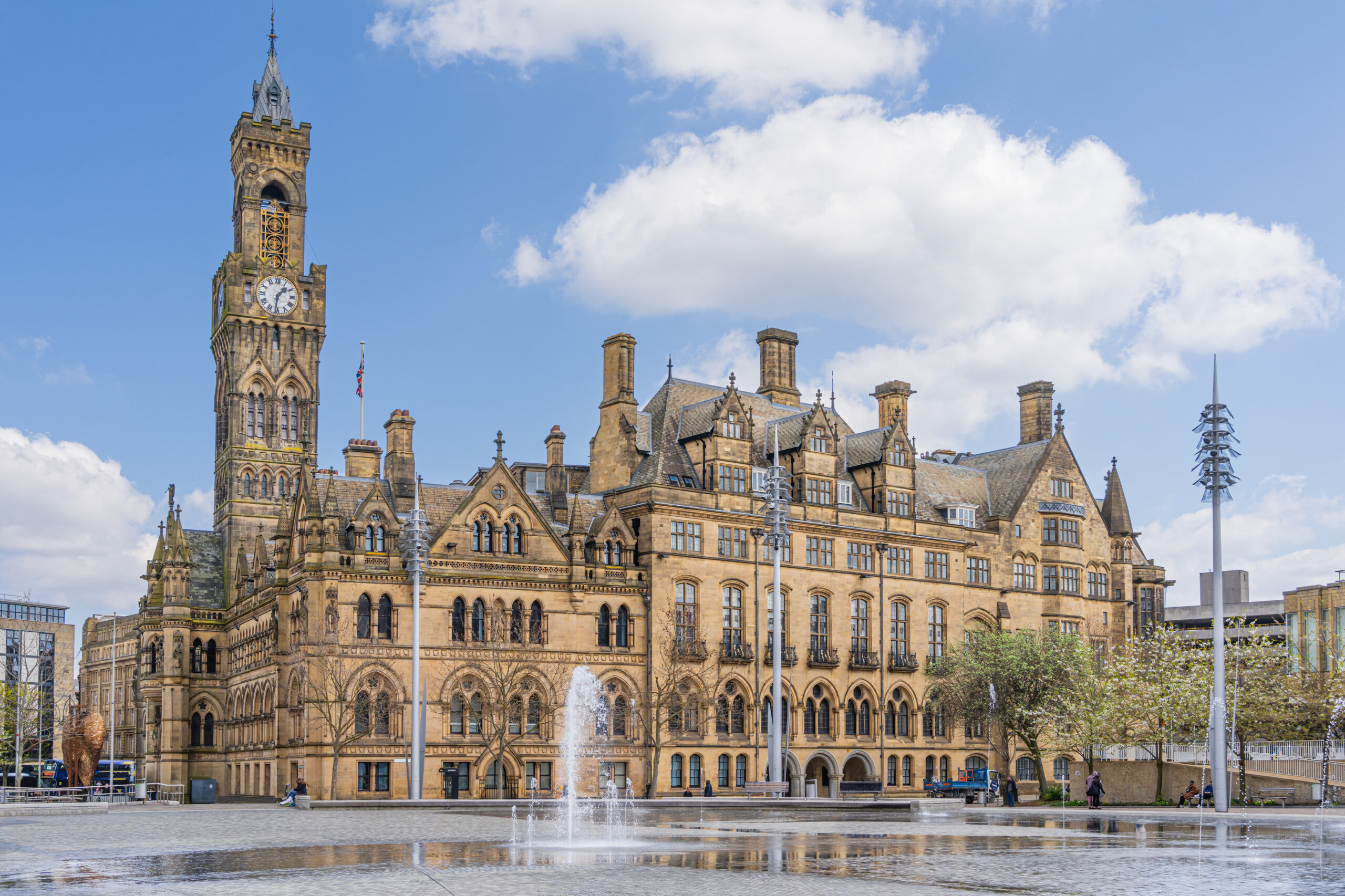
Once the wool capital of the world, Bradford’s history is written in stone – and in towers tall enough to make your neck ache. The Town Hall lords it over the centre, clock tower nicked from Florence like a souvenir. The Wool Exchange is Gothic grandeur with its own mighty clock, because why stop at one? The Cathedral, opened in 1400, is still standing proud. Bolling Hall? Medieval, mysterious, and whispering civil war secrets.
B – Bingley
Bingley’s got bragging rights: the Five Rise Locks. Picture a staircase, but for boats – five steps, sixty feet, and plenty of puffing and scraping. It’s the steepest in Britain, a heritage marvel that still earns its keep. Crowds gather to watch barges heave their way up, beer in hand, grins on faces. It’s Yorkshire engineering at its finest: no fuss, just clever cogs and graft. Instagram loves it, but so does common sense.
“The art slam gives ordinary folk their moment.”
C – Culture
Bradford’s 2025 City of Culture crown means a year-long excuse to celebrate – though we hardly needed one. Already UNESCO’s first City of Film, the place has reel-to-reel heritage, from pioneering studios to starring in Hollywood blockbusters. Wander the streets for fresh graffiti courtesy of BD: Walls, then duck into the National Science and Media Museum, where Daleks lurk, Cottingley Fairies flutter, and you can try being a radio DJ. Who needs London’s West End, eh?
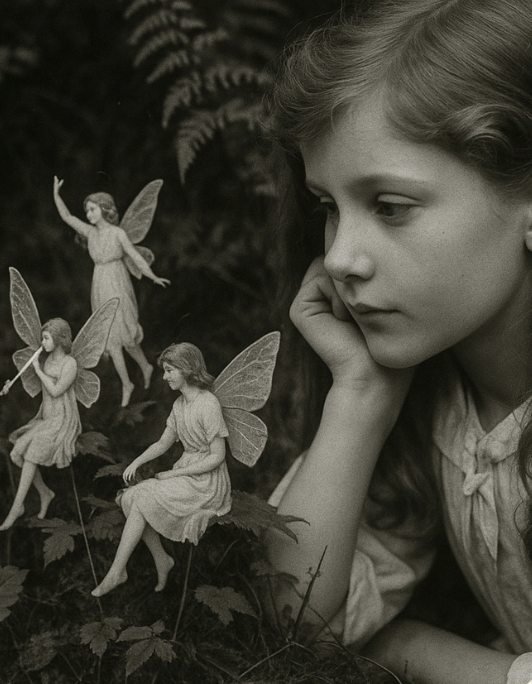
Cottingley Fairies
D – David Hockney
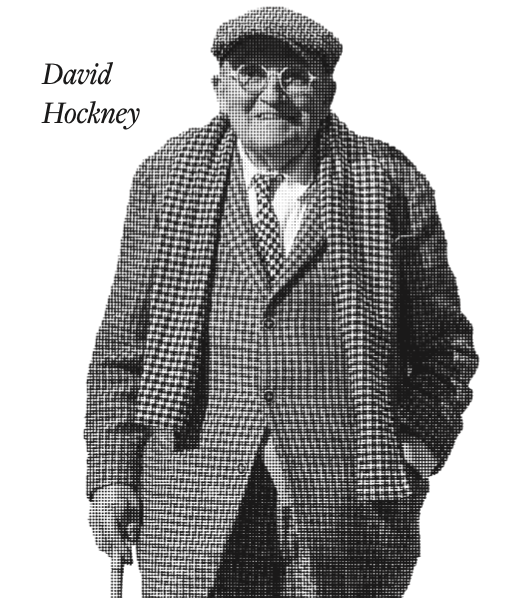
David Hockney, born here in 1937, splashed Yorkshire colour across the world stage. A pop art pioneer, his pieces brighten Cartwright Hall and Lister Park. Salts Mill practically doubles as his gallery, housing one of the largest collections anywhere. This year’s exhibition, “20 Flowers for 2025 and Some Bigger Pictures,” is free to wander. Bargain, really. Hockney’s proof that Bradford doesn’t just produce wool and curry – sometimes it produces genius with a paintbrush, too.
E – Entertainment
Bradford’s calendar is busier than a brass band on Whit Friday. From literary festivals to art shows and live gigs, there’s always something worth clapping for. St. George’s Hall and the Cathedral host candlelit concerts, while Bradford Live, freshly reborn from the Odeon’s shell, squeezes in 3,000 seats or 3,500 standing. Expect rock, comedy, theatre, or kids’ shows.
Right in the centre, it’s a reminder that Bradford doesn’t just make history – it makes noise.
F – First
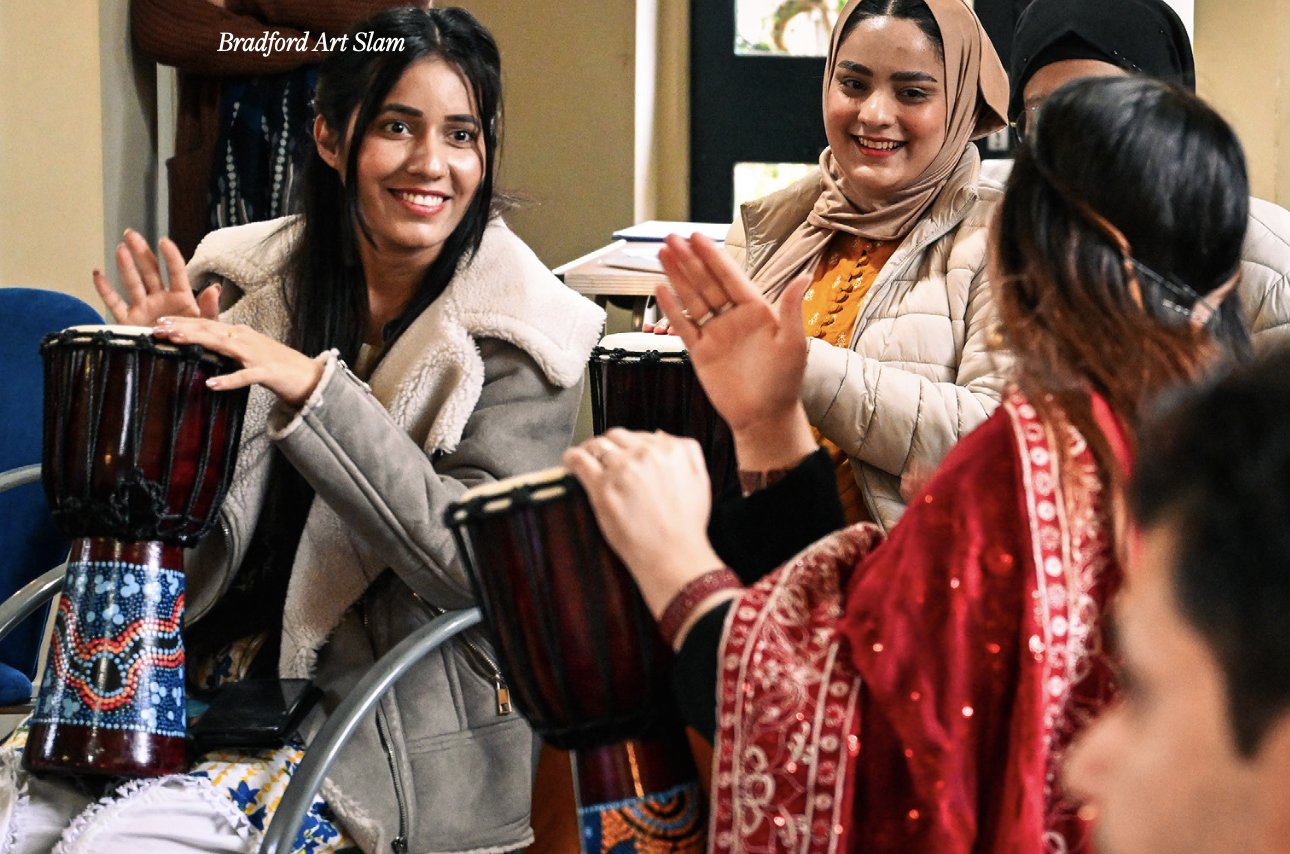
Photo by Cath Muldowney Photography
Bradford’s first-ever art slam is rocking up this autumn as part of Intercultured Festival, 22 October to 2 November 2024. Think speed-painting meets pub sesh: punters get a theme, crack on, then it’s hung up regardless.
Director Mussarat Rahman reckons: “The art slam gives ordinary folk their moment.” And aye, there’s more – Pahari poetry, cacao with Aztec roots, Palestinian suppers, Desi dishes. Basically, Bradford’s serving more spice than yer gran’s dusty rack.
G – German
Bradford has always been a magnet for arrivals, and in the 1800s, the Germans led the way. Manningham even earned the nickname “Little Germany,” a bustling hub of Jewish expatriates. Textile merchant Charles Semon went one step further: philanthropist, entrepreneur, and then mayor in 1864 – the first foreigner, and Jewish to boot. He’s a reminder that Bradford’s fortune wasn’t built by Yorkshire folk alone. It’s a city where grit and graft crossed borders long before the passport queue.
H – Highest
Bradford’s the highest city in England, and we don’t half go on about it. Sheffield can keep its peaks – altitude wins: 1,065 feet above sea level. Queensbury tops that at 1,100. Upside? Views for days and lungs like Mo Farah. Downside? Winds so sharp they’ll peel your face off. Still, round here we call that “a brisk walk.”
I – Industry
By the 1850s, Bradford was spinning out two-thirds of Britain’s wool and proudly wore the title “Wool Capital of the World.” Raw fleece sailed from as far as Australia and New Zealand, destined for the city’s 350 mills. Wealth and workers poured in, along with long shifts and smoke-filled skies.
The legacy looms large: Lister Mills, once the world’s biggest silk factory, now reimagined as luxury flats. From clogs to cocktails, history has adapted.
J – Jowett
Founded in 1901 by Benjamin and William Jowett, the Bradford car maker built small but solid machines. The Jowett Eight, Javelin, and Jupiter became household names, the latter even taking on Le Mans in the 1950s.
Locals loved them: easy to mend, hard to break, very Yorkshire indeed. The company closed in 1954, but the Jowett Car Club, which has been running since 1923, still keeps engines roaring. Proof that true classics never really stall out.
K – Keighley
Keighley’s more than just the gateway to the Dales – it’s steam train heaven. The Keighley & Worth Valley Railway still puffs through the valley, just like it did in The Railway Children. Volunteers in flat caps wave you off with a grin, and the carriages rattle like it’s 1900 all over again. Nostalgia seeps through the steam, part history lesson, part magic trick. Leave smelling faintly of coal, and smiling all the way home.
L – Literature
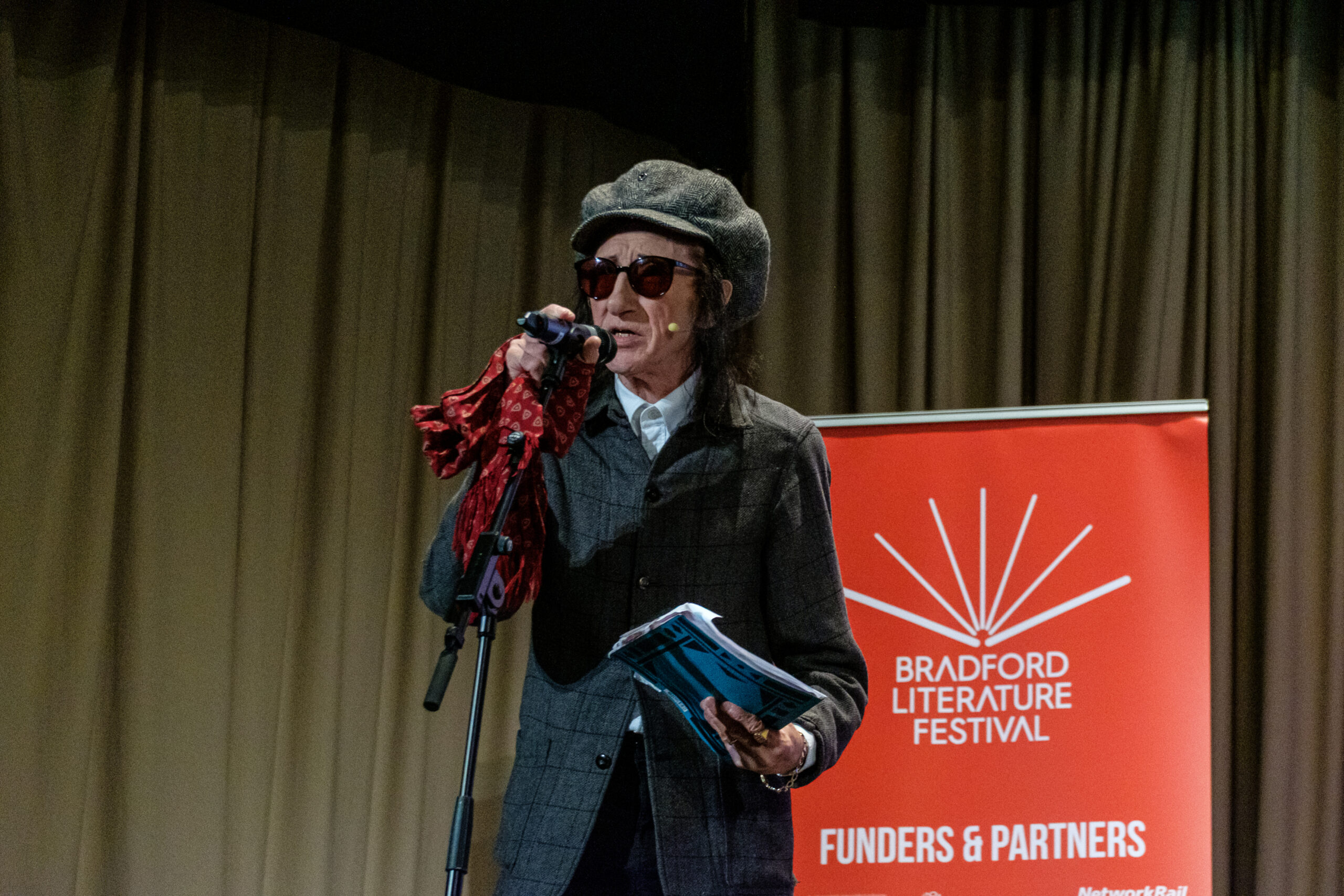
John Cooper Clarke
Bradford gave us the Brontës – Charlotte, Emily, and Anne – who spun classics on the moors of Haworth. Thornton was their birthplace, but Haworth inspired the creation of Wuthering Heights itself. The Parsonage Museum and moorland walks still echo their stories.
Meanwhile, the Bradford Literature Festival keeps the words flowing. Now in its eleventh year, the event drew 200,000 visitors in 2024, with guests including Griff Rhys Jones, John Cooper Clarke, Jeremy Corbyn, Lemn Sissay, and Ash Sarkar.
M – Markets
Kirkgate Market, which has been open since the 1870s, once bustled with butchers, cheesemongers, and tripe sellers. Today it’s a world of colour: African fabrics beside halal butchers, South Asian snacks across from sweet stalls. New kid on the block, Darley Street Market, opened in July. Spread across three floors, it boasts fresh produce, a kitchen, and a bar with a terrace view. There’s even a live music stage, making shopping even more enjoyable with a soundtrack.
Sir Titus Salt built Salts Mill in 1853 and then created the model village of Saltaire to provide workers with healthier lives.
N – Natural
Bradford does nature the Yorkshire way: raw, rugged, and likely to blow your hat off. Ilkley Moor, Shipley Glen, and Brontë Country all promise walks with views, sheep, and mud. The Bradford Millennium Way stretches 47 miles for the truly keen. The reward? Double helpings of pie with no guilt. Forget spa retreats – Bradford’s mindfulness is found on a windswept hill, flask in hand, with only sheep for company. Simple, but perfect.
O – Onion Bhajis (and other delights)
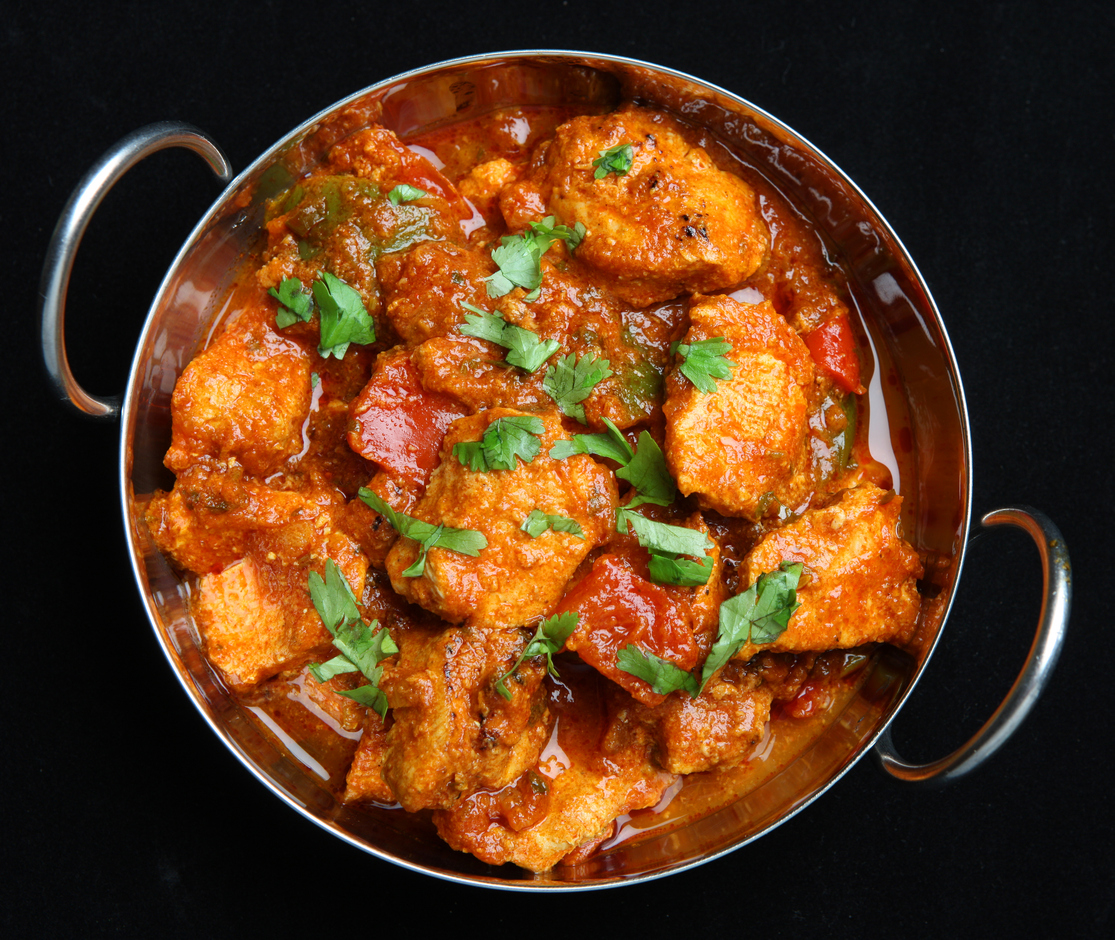
Say Bradford and most people say curry – and they’re not wrong. Six-time winner of “Curry Capital of Britain,” the city is packed with balti houses that have fed families for generations. Onion bhajis here could cause traffic jams, and the spices are hotter than a mid-July sunburn. Even The Beatles rolled through in 1963, performing at The Kashmir. Only in Bradford could rock ’n’ roll and rogan josh share the same stage.
P – Pals
When the First World War broke out, Bradford’s young men marched together as “Pals Battalions.” Friends, neighbours, and colleagues signed up en masse for the 16th and 18th (Bradford) battalions of the Prince of Wales’s Own West Yorkshire Regiment. They trained, laughed, and fought side by side, and at the Somme, many fell together, too. A story of loyalty and loss, their legacy still whispers through the city’s streets, reminding us of sacrifice and solidarity.
“Bradford is one of the youngest cities in Britain”
Q – Quakerism
Quakers might have been modest in dress and words, but they shaped Bradford with quiet determination. Known for their pacifism and push for equality, many were mill owners and merchants. They built schools, housing, and healthcare, while treating their workers better than most. At a time when the industry often exploited people, Quakers chose compassion over cruelty. They may not have shouted the loudest, but their influence echoes – a legacy stitched into Bradford’s fabric.
R – Rita, Sue and Bob Too!
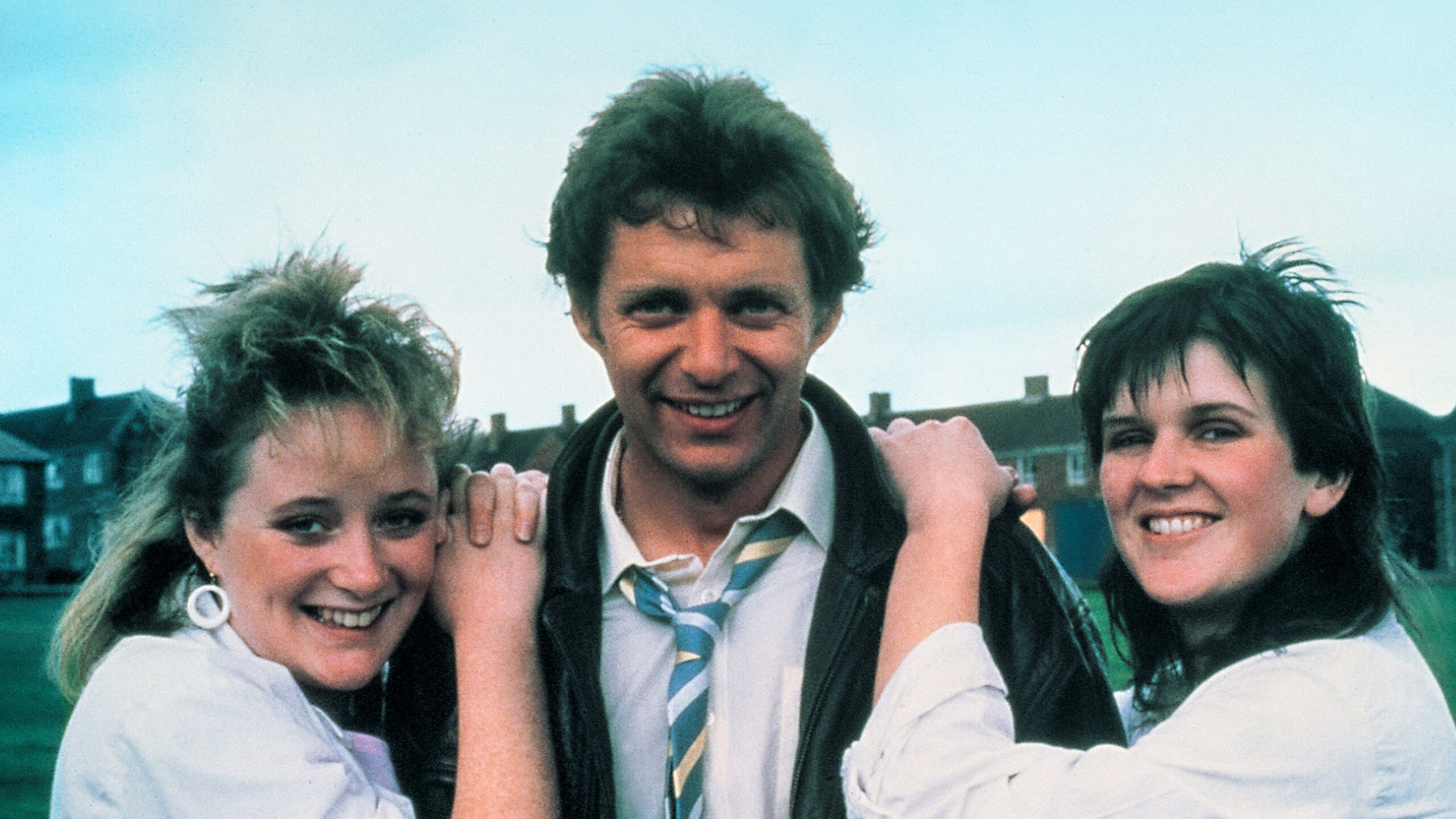
Rita, Sue and Bob Too. Courtesy of Film4
In Keighley Market, Andrea Dunbar overheard two teenagers gossiping – and a cult classic was born. Rita, Sue and Bob Too hit screens in 1987, filmed across Bradford in Buttershaw, Baildon Moor, Haworth, and Shipley. The comedy-drama followed two schoolgirls and a married man, portraying their lives in a raw and unfiltered manner. Praised for its humour and honesty, it became a snapshot of working-class life in Thatcher’s Britain. Proof that Bradford stories can make cinema both gritty and unforgettable.
S – Saltaire
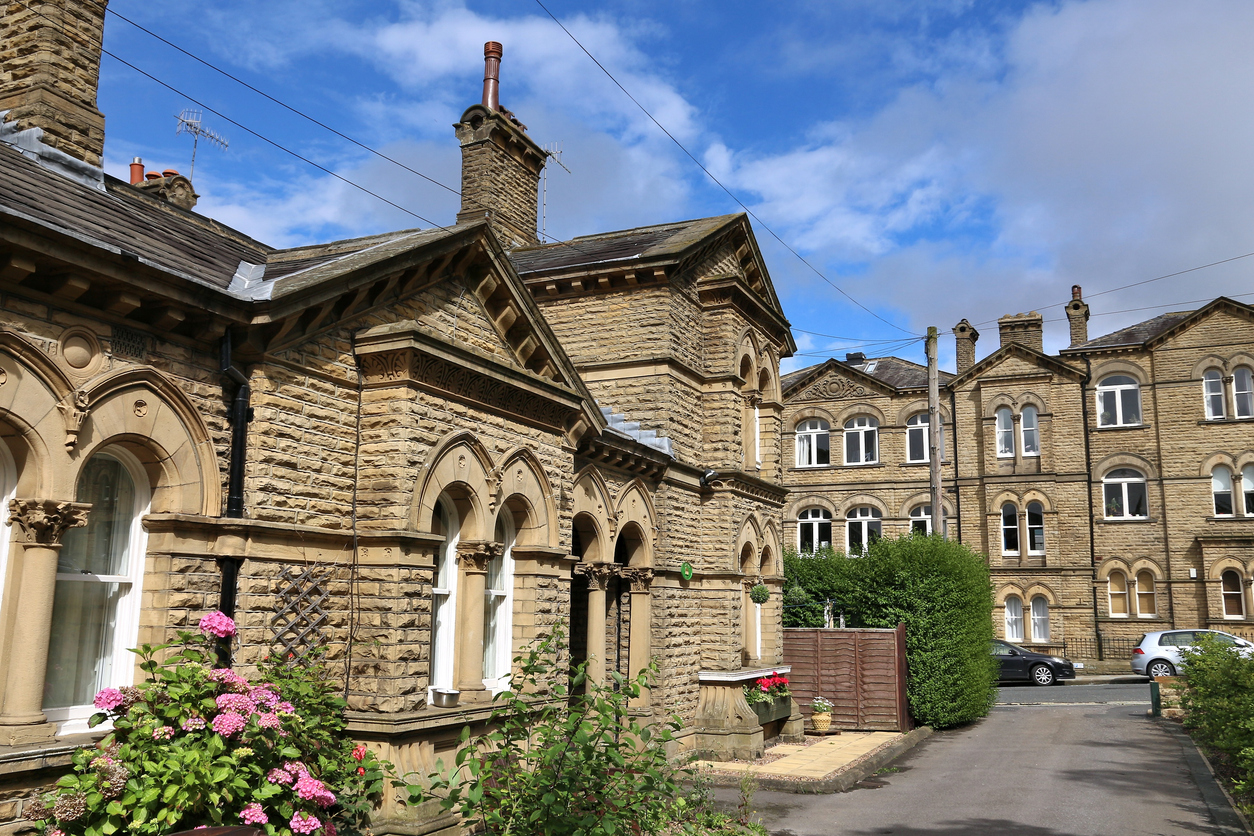
Saltaire
Sir Titus Salt built Salts Mill in 1853 and then created the model village of Saltaire to provide workers with healthier lives. The homes, school, church, and hospital were generous, though he banned pubs – less generous, depending on your view.
Today, Saltaire is a UNESCO World Heritage Site. The mill has reinvented itself as a cultural hub with galleries, shops, and exhibitions, including a permanent Hockney collection. Visionary, stubborn, and brilliant – just like Yorkshire itself.
T – Turner Prize
The Turner Prize, one of the world’s most prestigious art awards, has chosen Bradford for 2025. On the 250th anniversary of Turner’s birth, the shortlist – Nnena Kalu, Rene Matić, Mohammed Sami, and Zadie Xa – was announced on April 23rd.
Their works will be showcased at Cartwright Hall Art Gallery, with the winner to be revealed on December 9th. Bradford isn’t just watching culture this time; it’s at the very heart of the debate.
U – UNESCO
In 2009, Bradford became the world’s first UNESCO City of Film, thanks to its deep cinematic roots. From early filmmakers like Mitchell & Kenyon capturing everyday life, to modern classics like Billy Liar, The Railway Children, and Ali & Ava, Bradford’s reel keeps rolling. Festivals, archives, and the National Science and Media Museum cement their reputation. It’s proof the city doesn’t just appear on screen – it helped shape how Britain looks on film.
V – Valley
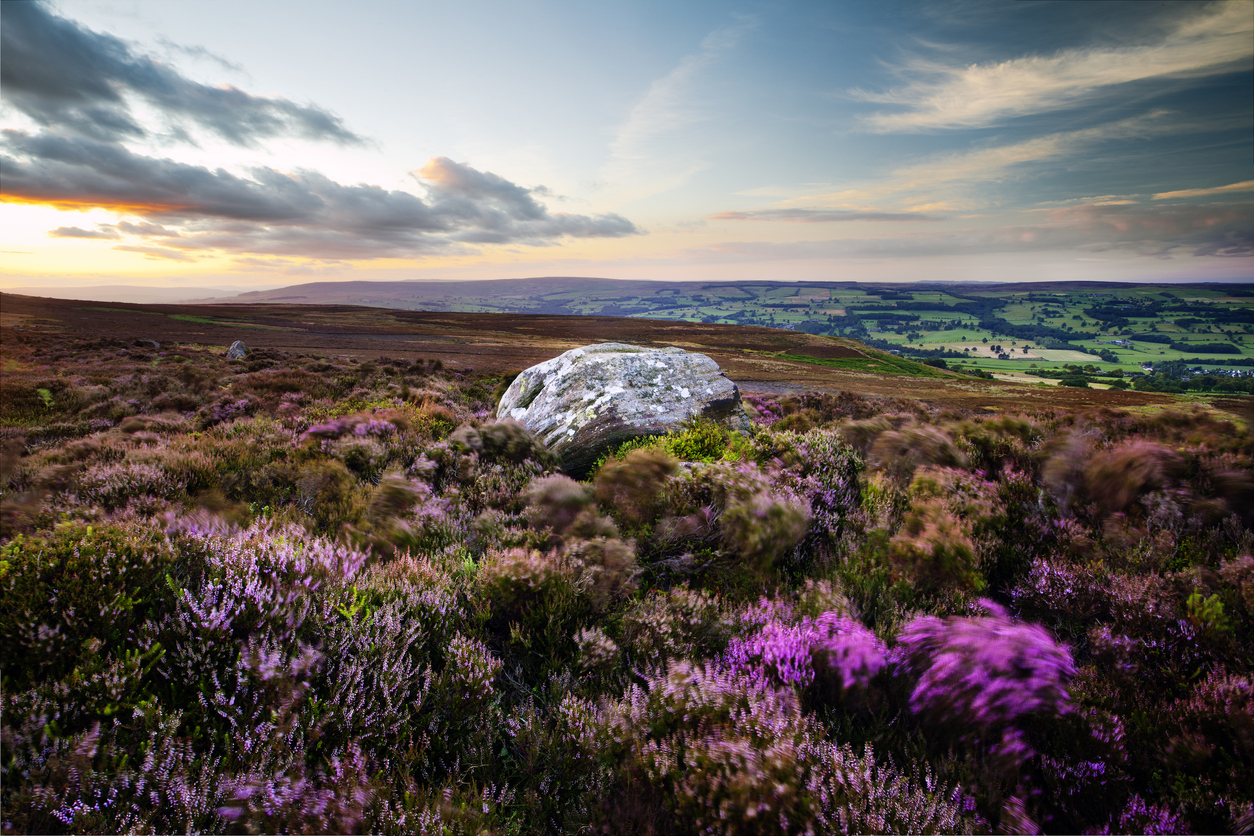
Climb high for dramatic panoramas on Ilkley Moor, where the wind whistles louder than a brass band and the song “baht’at” makes perfect sense, or wander the nearby valleys – Airedale and Wharfedale – once powered by mills, ideal for hikers and daydreamers. Ramble to the Cow and Calf Rocks or the 12 Apostles, Bronze Age stones that seem to whisper in the wind. It’s landscape as theatre, rugged and romantic, as bold as its people.
W – Water
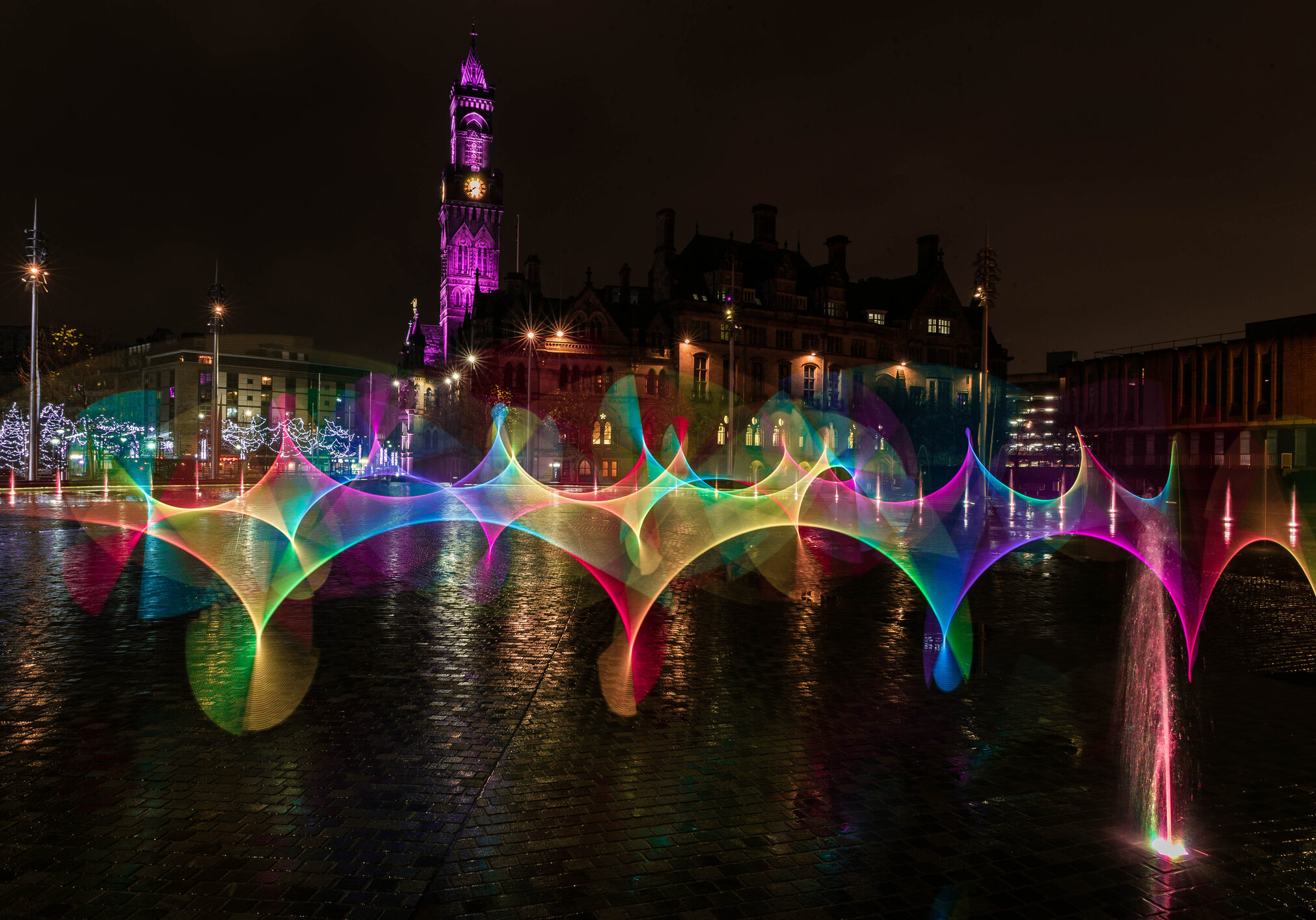
The Mirror Pool outside the Town Hall is Britain’s largest urban water feature, complete with fountains, lasers, and mist that transform the square day and night. It’s part playground, part spectacle. Over in Queensbury, you’ll find one of the highest fountains in the country – the Stanway fountain, shooting jets 300 feet into the air. Bradford proves water isn’t just for brewing tea; it’s for dazzling crowds and making a splash in style.
X – X Marks the Spot
Bradford and its surrounds are full of places worth exploring. Clip ’n Climb in Ilkley offers eXhilarating walls for daredevils. Infinity Parks brings eXtraordinary attractions right into the city. For something steady, there’s bowling in Shipley. Film buffs can head to Bradford’s independent cinemas for an eXperience away from the multiplex. Whether it’s adventure, sport, or screen time, there’s an X waiting to mark the spot where boredom gets left behind.
Y – Young
Bradford is one of the youngest cities in Britain, with more than a quarter of its population under the age of 18. That energy powers the city’s future. In winning the City of Culture 2025 title, Bradford promised that young people would help shape it. A youth panel now drives programming, while apprenticeships open doors. For Bradford, culture isn’t just for today – it’s a rehearsal for tomorrow. The city’s youth aren’t waiting for their turn. They’re already on stage.
Z – Zayn Malik
Bradford-born Zayn Malik is the city’s biggest pop export – forget the wool and the water, this lad’s gone global. From East Bowling to One Direction mania, he proved that a Bradford accent travels better than a passport. Since going solo in 2015, he’s churned out hits and strutted stages worldwide, though we’re still waiting for that hometown gig. Now he’s fronting Bradford 2025 as brand ambassador – from boy band heart-throb to cultural champion. Not bad for a lad who probably still misses a proper chippy tea.
NorthernLife Sep/Oct/Nov 25