


Student Life Hacks: Navigating Northern City Transport
by Northern Life
This feature was created in partnership with EssayShark to provide you with helpful tips on student life and transportation.
Moving around a northern city as a student can feel like learning a new language — timetables, zones, strike days, and weather-related delays all compete for attention. With the right hacks, commuting becomes less of a chore and more of an asset: extra study time, cheap weekend escapes, and a chance to discover city corners you wouldn’t otherwise see.
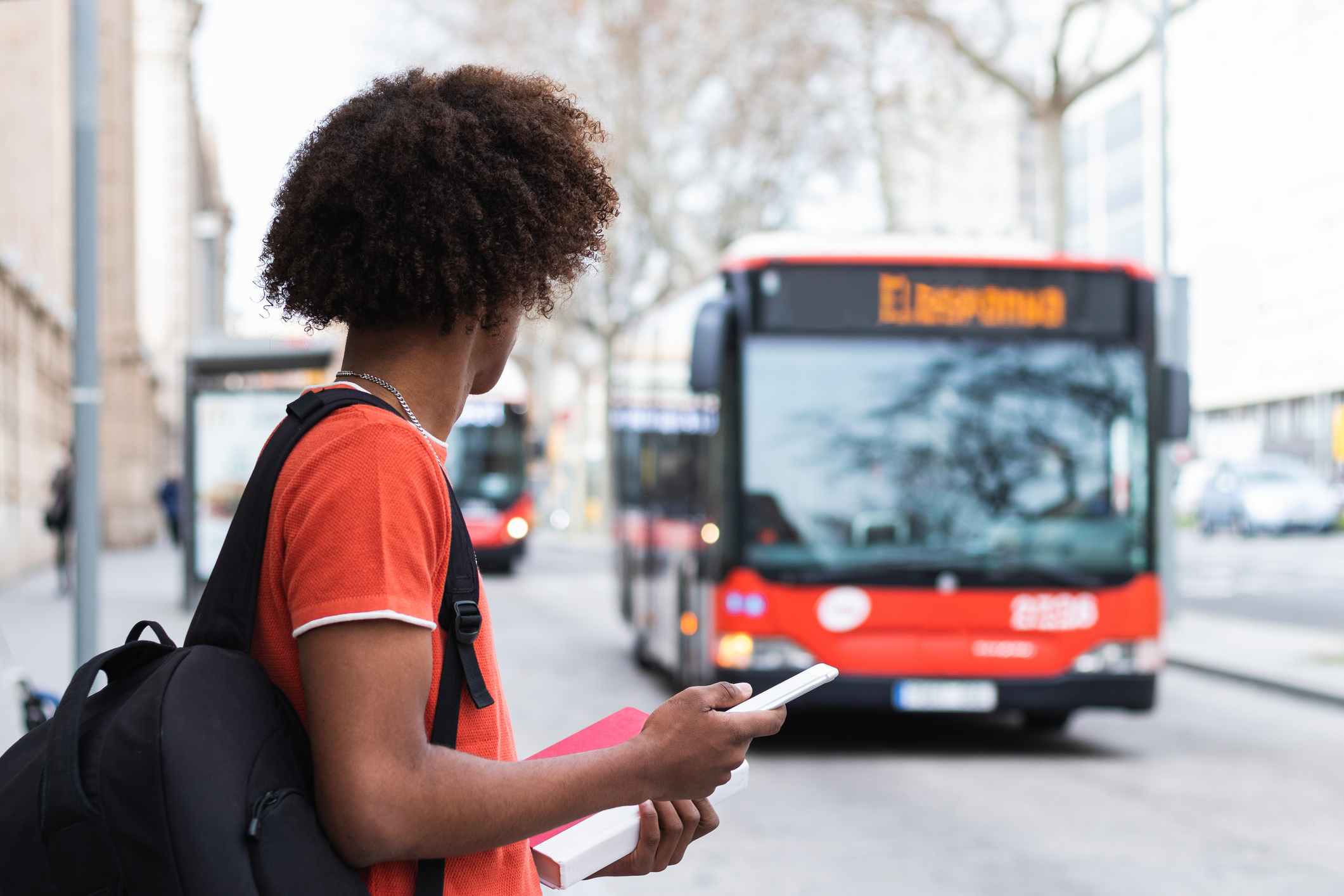
Public transport isn’t glamorous, but it’s the backbone of student life. If you ever find yourself tempted at 2 a.m. to lean on an essay writing service like EssayShark, consider swapping that impulse for two minutes of planning instead: set up a ticketing app, pin your top three routes, and enable service alerts. Those small front-loaded steps repay you every day with fewer panics, smoother routines, and more predictable journeys.
Learn the Cheapest Routes (and When to Use Them)
One of the fastest ways to drain a student’s budget is paying peak fares. Most northern cities use zonal fares or peak/off-peak pricing; learn about zone boundaries and off-peak windows so you can plan non-essential trips for more affordable times. Student railcards, seasonal passes, and university discount schemes often cut semester travel costs substantially, which is especially handy, taking into account how many students are choosing to commute rather than move to campus.
Master Multi-Mode Trips: Buses, Trams, Bikes, and Trains
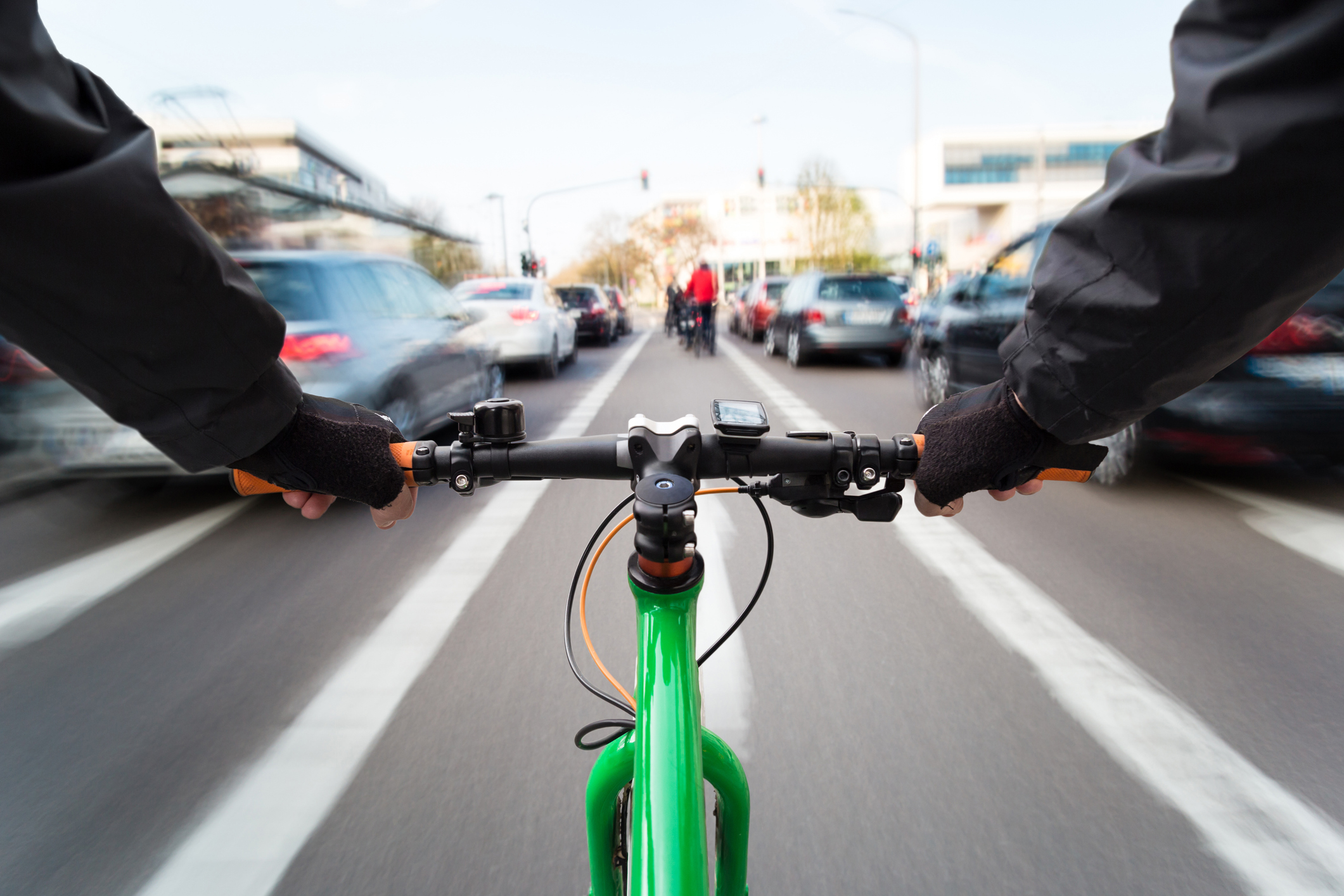
Fast, reliable commutes usually come from mixing modes. Buses are door-to-door, trams stick to schedules, trains cover longer distances, and bikes or e-scooters solve the last-mile problem. Route-planning apps that combine schedules and show multimodal options will be your best friend. There’s growing evidence of cycling’s role in modern urban mobility and why cities are increasingly adapting infrastructure; keeping up with these trends helps to integrate active travel into your daily routine.
Quick checklist for multi-mode trips
- Download one official operator app and one independent planner.
- Save frequent journeys as favourites; set alarms for departures.
- Carry a compact rainproof layer and waterproof shoes — northern weather is famously changeable.
Hacks to Save Time: Ticketing, Cards, and Contactless
Contactless payment and smartcards eliminate queues and old paper tickets. Where possible, top up your account weekly and enable auto-top to avoid fines. Some cities have daily caps or weekly caps on contactless fares — learn those rules and compare whether a weekly pass or pay-as-you-go wins for your pattern of travel. Also check whether your students’ union or campus transport office offers subsidised passes; these are often the best hidden bargains.
Make The Most Of Off-Peak Travel And Study Time
Off-peak travel is quieter and, significantly, more productive. If your timetable allows, slot library sessions or group work outside rush hours. Empty carriages are excellent for focused reading or listening to recorded lectures; a small lap desk and noise-cancelling headphones turn commutes into portable study spaces.

Off-peak travel also opens up opportunities beyond studying: use quieter journeys to catch up on course podcasts, language practice, or networking. Message boards and student groups often share commuter-friendly events and study meetups that occur outside rush hours. Many libraries and campus study hubs are underutilised during off-peak hours, so consider planning sessions there after a later train or bus to combine a peaceful workspace with an inexpensive trip. Finally, check whether transport operators or local cafes offer off-peak discounts or loyalty deals. A small coffee-and-commute saving each week adds up over a term.
Safety, Comfort, and Keeping Warm in Winter
Northern winters can be brutal, and cold commutes quickly sap energy. Pack a small thermos, hand warmers, and wear layers. For safety, stick to well-lit routes at night, use busier stops, and tell a flatmate your ETA for late returns. Many universities run late-night buddy schemes or subsidised safe taxis; check noticeboards and union social channels for these offers.
Social Hacks: Carpooling, Community Transport, and Events
Commuting doesn’t have to be isolating. Carpool groups, student-run minibuses, and ride-share apps can reduce costs and connect you with peers. Student societies often organise low-cost trips and weekend excursions that give you the benefits of travel without the planning overhead. Community transport services, frequently overlooked, can be flexible and cost-effective on less frequent routes.
When Things Go Wrong: Strikes, Delays, and Plan B
Have a Plan B: identify a parallel bus route, a cycle-friendly corridor, and a reliable local taxi number. Save offline maps and download operator PDFs in case of network outages. Universities usually publish emergency travel updates during strikes or severe weather — bookmark those pages and subscribe to alerts to stay a step ahead.
Final Tips: Small Routines that Save Time and Stress

Small routines compound into significant gains. Charge your phone before you leave, pack snacks to avoid overpriced station food, and check weather and service alerts the night before early lectures. Build a flexible routine (one fixed morning route plus a couple of saved alternatives) so you’re prepared without being rigid.
Navigating public transportation in a northern city as a student is a practical skill anyone can learn. With a few apps, the right cards, and a willingness to mix modes, you’ll spend less time commuting and more time on the parts of student life you actually enjoy. Happy travelling! And remember, the best discoveries often happen on the way to somewhere else.
This article was created as sponsored content in partnership with EssayShark. All advice and views are intended to provide practical guidance for students and are published in line with ASA transparency standards.