

Skin Pigmentation and Age Spots: Causes and Treatments
by Northern Life
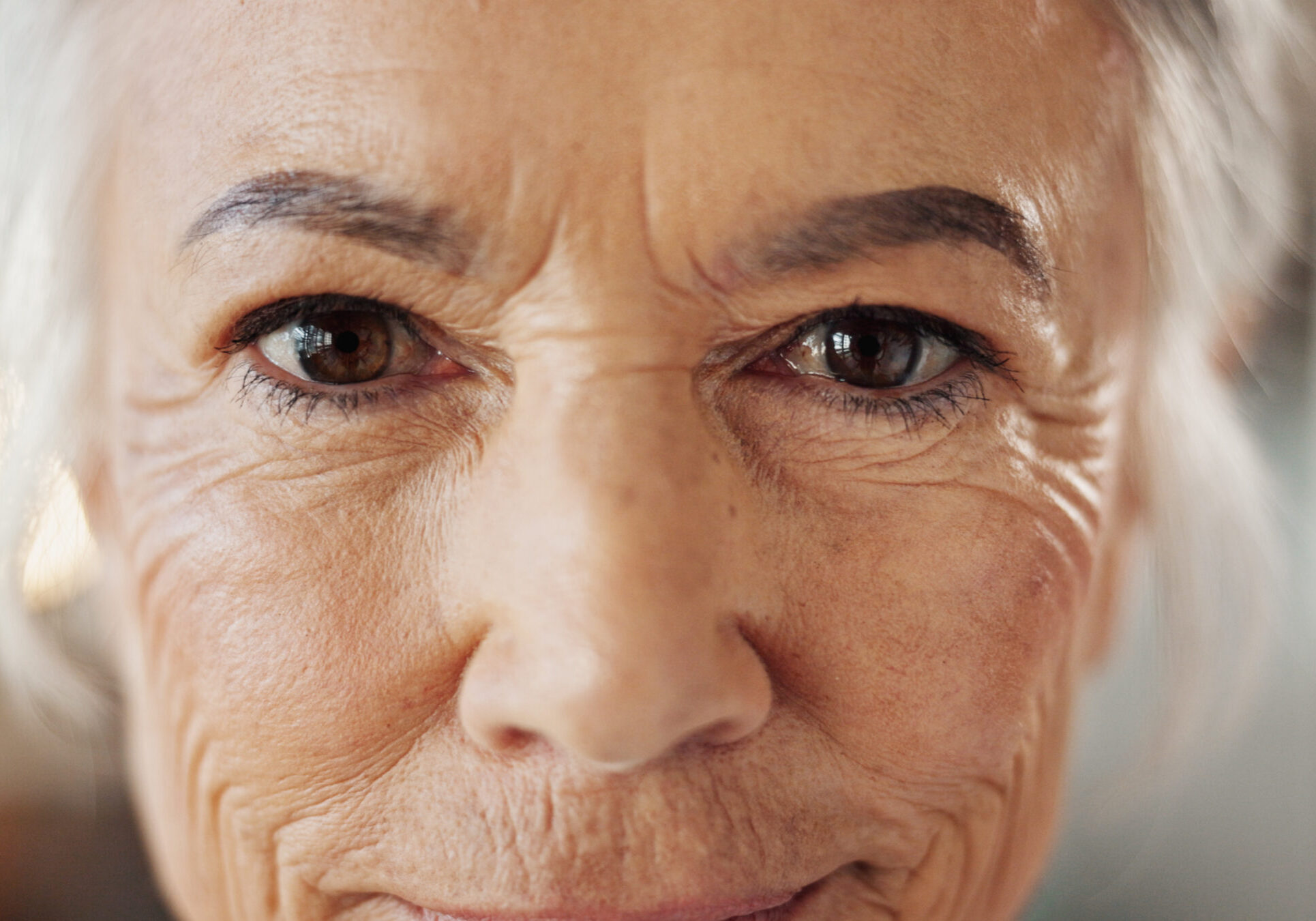
Uneven skin tone and visible age spots are among the most common aesthetic concerns people face as they grow older. While often harmless, these changes can affect confidence and overall appearance. Many individuals seek advice at a skin specialist dermatology clinic to better understand their condition and explore safe, effective solutions. In recent years, advanced pigmentation treatments in Singapore have gained recognition for delivering visible results through modern technology and personalised care.
What Causes Skin Pigmentation and Age Spots
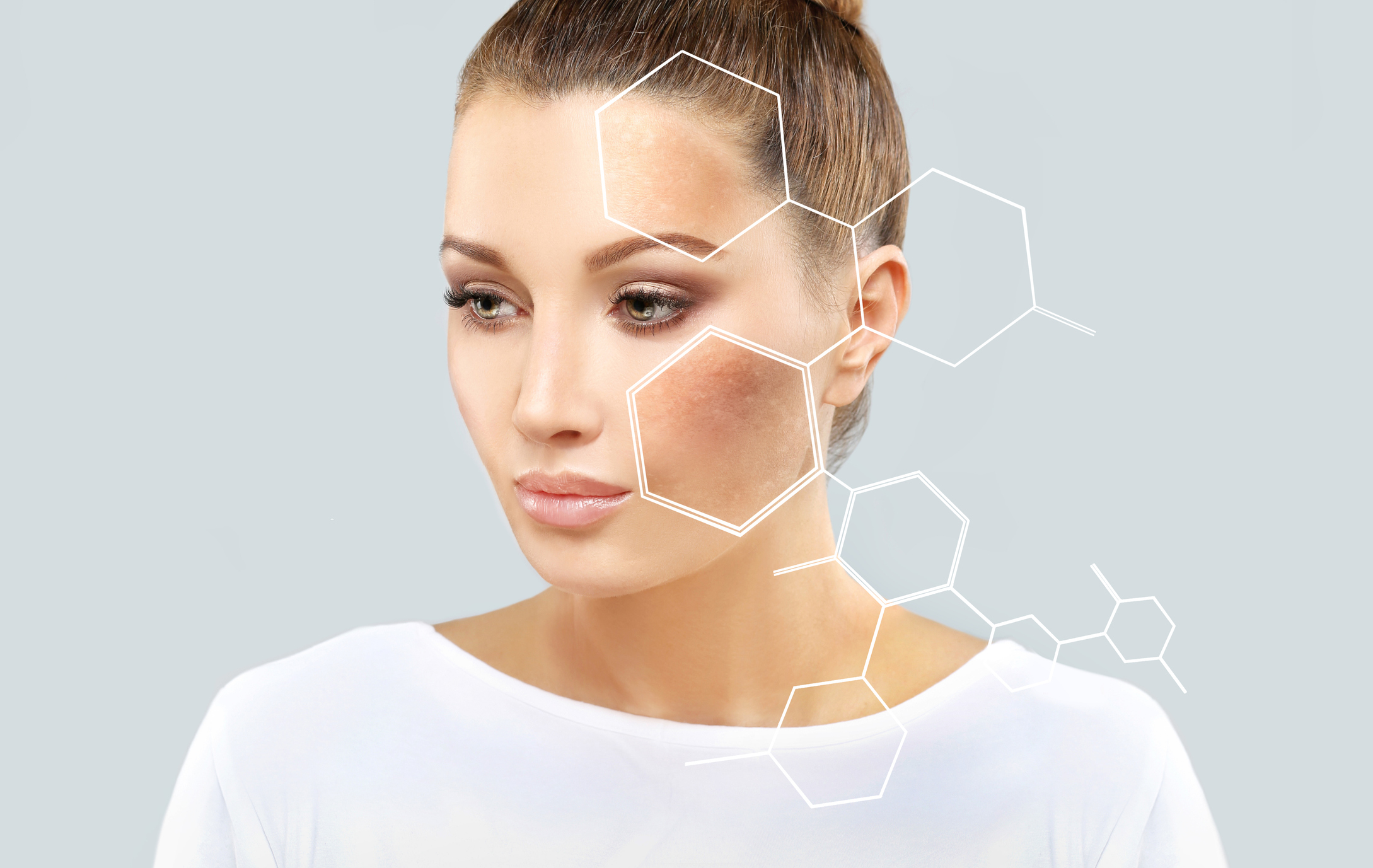
Skin pigmentation issues arise when melanin, the natural pigment that gives skin its colour, is produced unevenly. Several factors contribute to this imbalance:
- Sun Exposure – Prolonged exposure to ultraviolet (UV) rays stimulates excessive melanin production, leading to freckles, sunspots, and darker patches.
- Ageing Process – As skin matures, cellular renewal slows down, making pigment irregularities more visible. Age spots, often referred to as liver spots, commonly appear on the face, hands, and shoulders.
- Hormonal Changes – Pregnancy, birth control, or menopause can trigger melasma, a condition that results in symmetrical dark patches on the face.
- Genetics and Skin Type – Some individuals are naturally more prone to pigmentation concerns due to their genetic makeup.
- Inflammation and Injury – Acne scars, eczema, or minor cuts can leave behind darkened marks known as post-inflammatory hyperpigmentation.
Identifying the Types of Pigmentation

Not all pigmentation problems are the same. Understanding the type helps determine the proper treatment.
- Freckles – Small brown spots commonly seen in fairer skin, often intensified by sun exposure.
- Melasma – Larger, symmetrical patches often linked to hormonal triggers.
- Age Spots – Flat, darkened areas appearing with age and sun damage.
- Post-Inflammatory Marks – Discolouration that lingers after acne or skin trauma.
Professional Treatments for Pigmentation
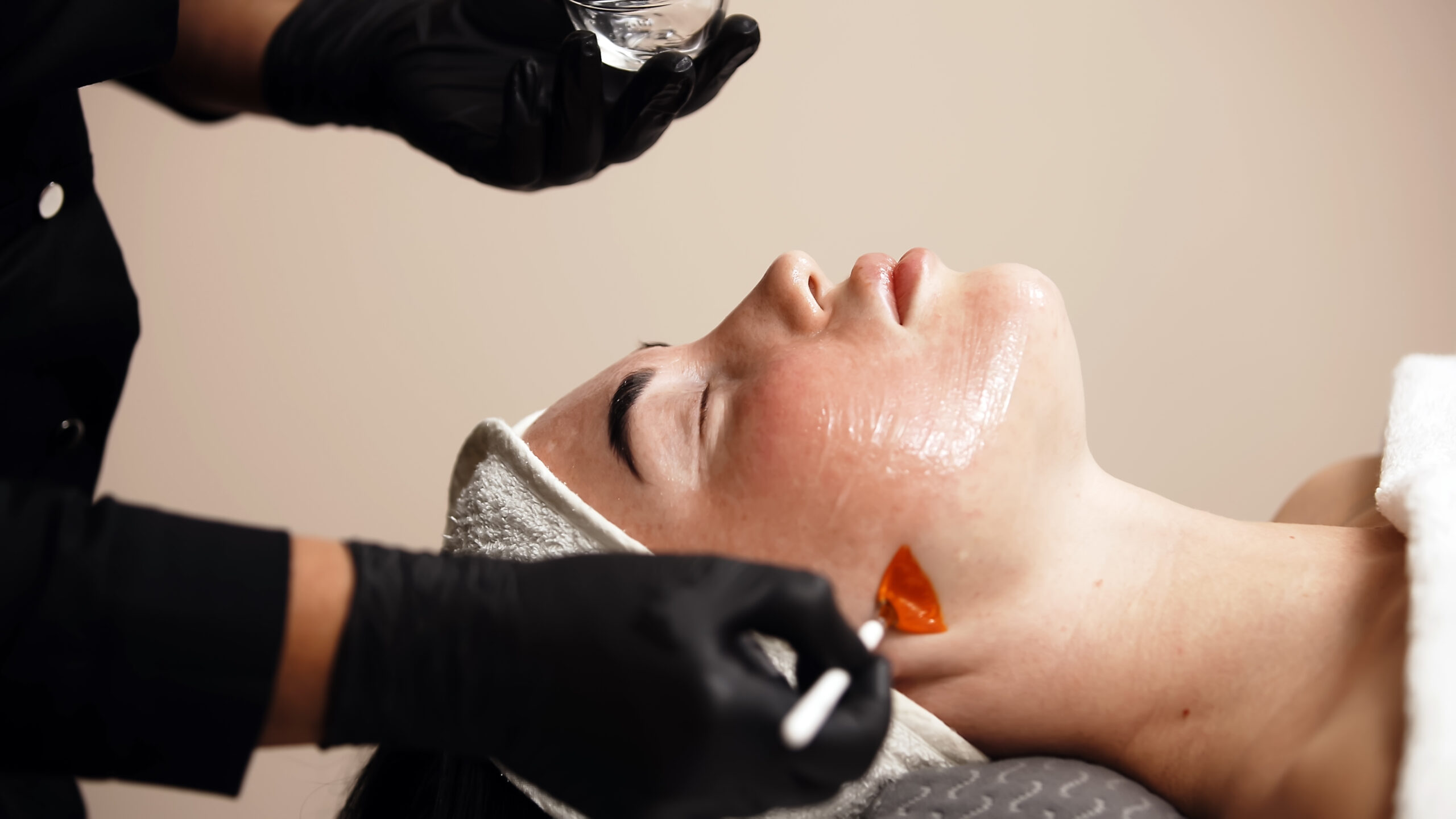
Dermatologists now offer a range of treatments designed to lighten or remove unwanted pigmentation while preserving skin health. Some popular methods include:
- Topical Creams – Prescription creams with hydroquinone, retinoids, or vitamin C can gradually lighten dark patches.
- Chemical Peels – Exfoliating treatments that remove the outer layer of damaged skin, encouraging cell renewal.
- Laser Therapy – Targeted light energy breaks down excess pigment with precision.
- Intense Pulsed Light (IPL) – A non-invasive option that uses broad-spectrum light to fade discolouration and improve overall skin tone.
- Microdermabrasion – A gentle resurfacing treatment that buffs away the top layer of skin to reduce visible spots.
Everyday Care to Prevent Pigmentation
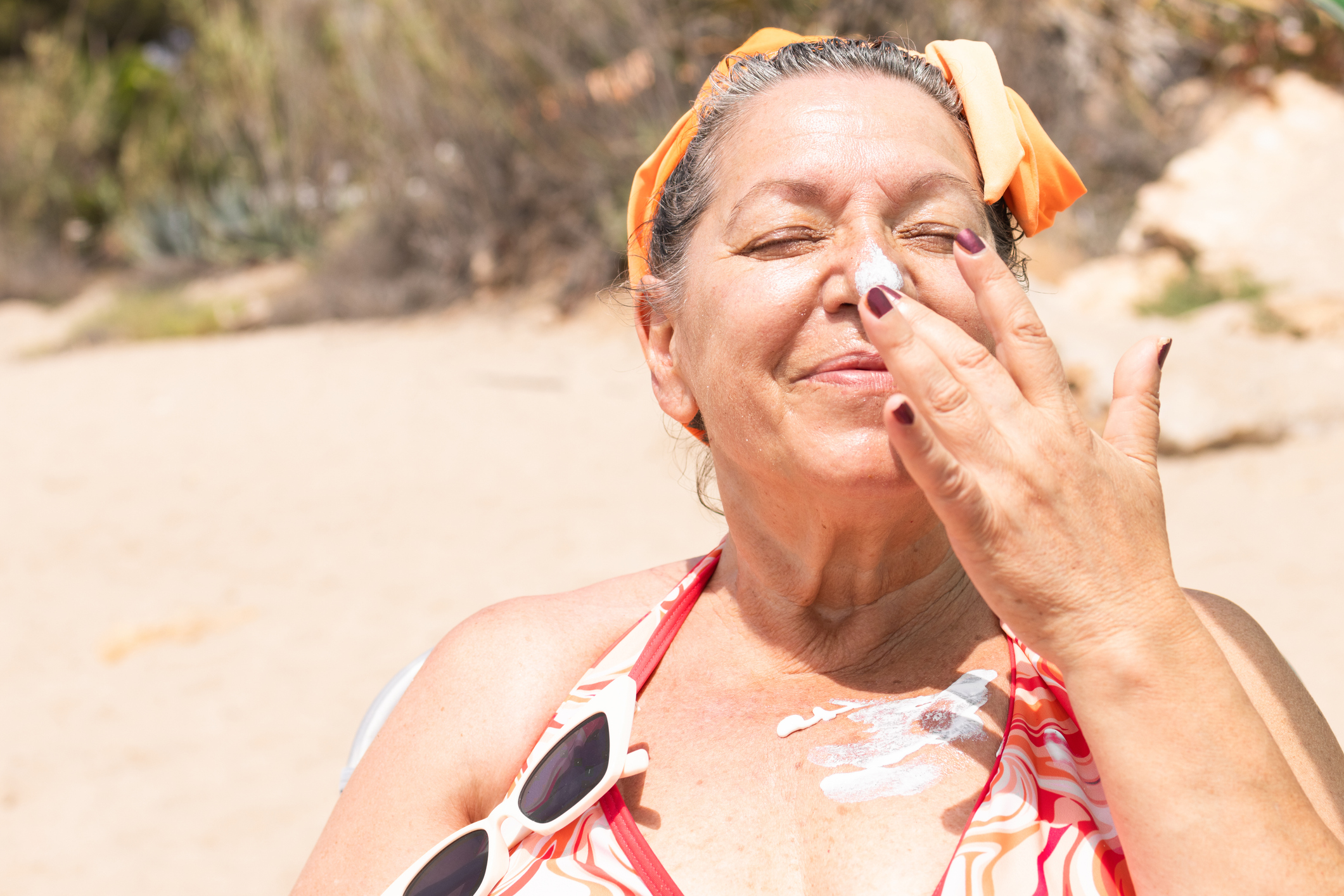
Even with advanced treatments, prevention remains a crucial factor in maintaining clear, even-toned skin.
- Daily Sunscreen Use – Choose a broad-spectrum SPF 30 or higher to block harmful UV rays.
- Protective Clothing – Hats, sunglasses, and lightweight long sleeves provide extra defence against the sun.
- A healthy lifestyle, characterised by adequate hydration, a balanced diet, and limited alcohol and smoking, all support skin health.
- Consistent Skincare Routine – Using gentle cleansers and antioxidant-rich products helps protect the skin barrier.
When to Seek Professional Help
If pigmentation worsens, spreads quickly, or causes emotional distress, consulting a dermatologist is recommended. Specialists can rule out underlying medical conditions and provide tailored treatments for long-lasting results. Early intervention often leads to better outcomes and helps prevent stubborn pigmentation from becoming permanent.