
Should You Use Skirting Board Covers or Replace Your Skirting?
by Northern Life
When upgrading a room, skirting boards are often overlooked, yet they play a significant role in giving interiors a finished, polished look. Over time, however, skirting boards can become damaged, outdated, or difficult to maintain, leaving homeowners with a decision to make: should you replace your old skirting entirely, or fit skirting board covers over the existing ones?
Both options have their advantages, and the right choice will depend on your budget, timescale, and the condition of your existing skirting. To help you make an informed decision for your next home improvement project, MR Mouldings explores the pros and cons of each option to transform your interiors.
What Are Skirting Board Covers?
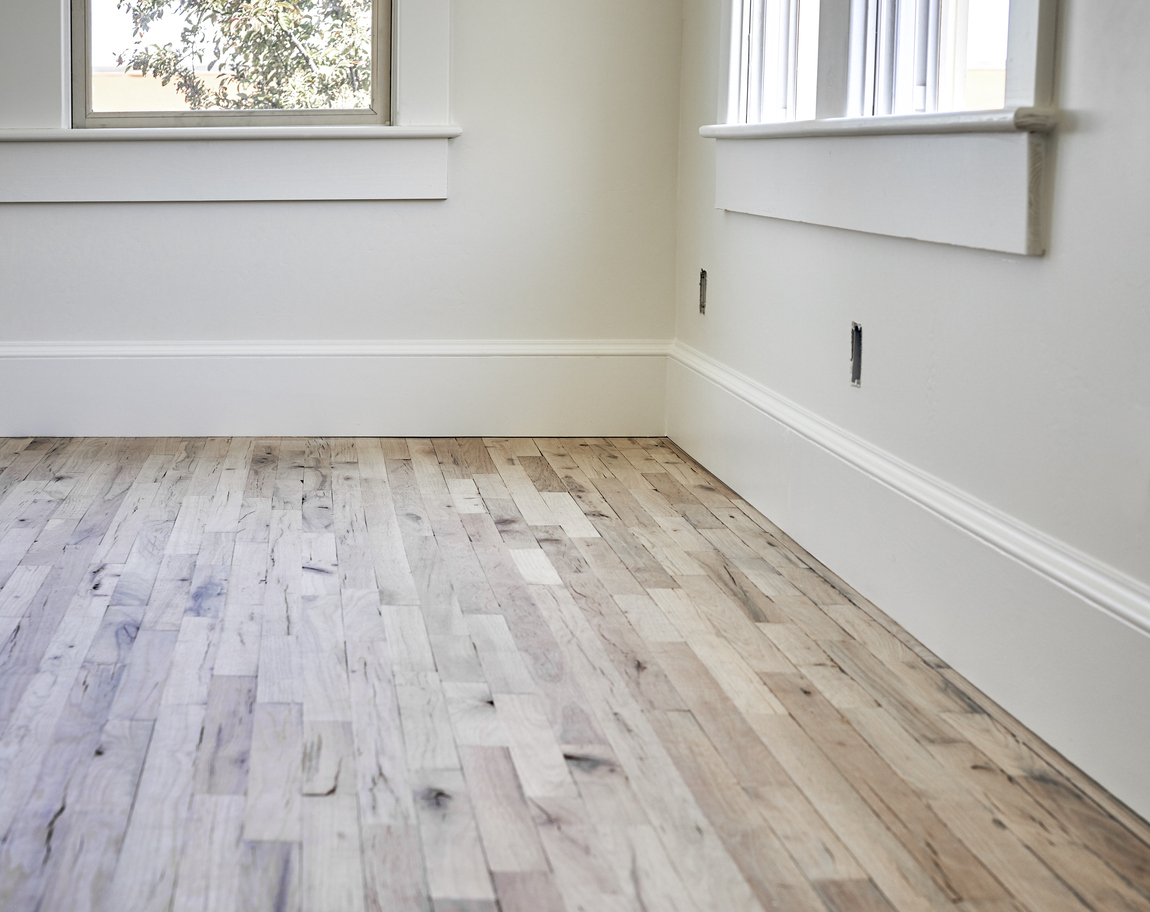
Skirting board covers, also known as skirting board overlays, are decorative panels designed to fit neatly over your existing skirting boards. They’re typically made from MDF or PVC and come in a range of styles, profiles, and heights.
Instead of removing old skirting, which can be messy and time-consuming, covering instantly updates a room’s look by hiding imperfections or outdated designs. The covers are glued or fixed in place, creating a new, clean finish without disturbing the walls or flooring.
This makes them particularly popular for quick renovations or DIY projects where minimal disruption is a priority.
The Benefits of Using Skirting Board Covers
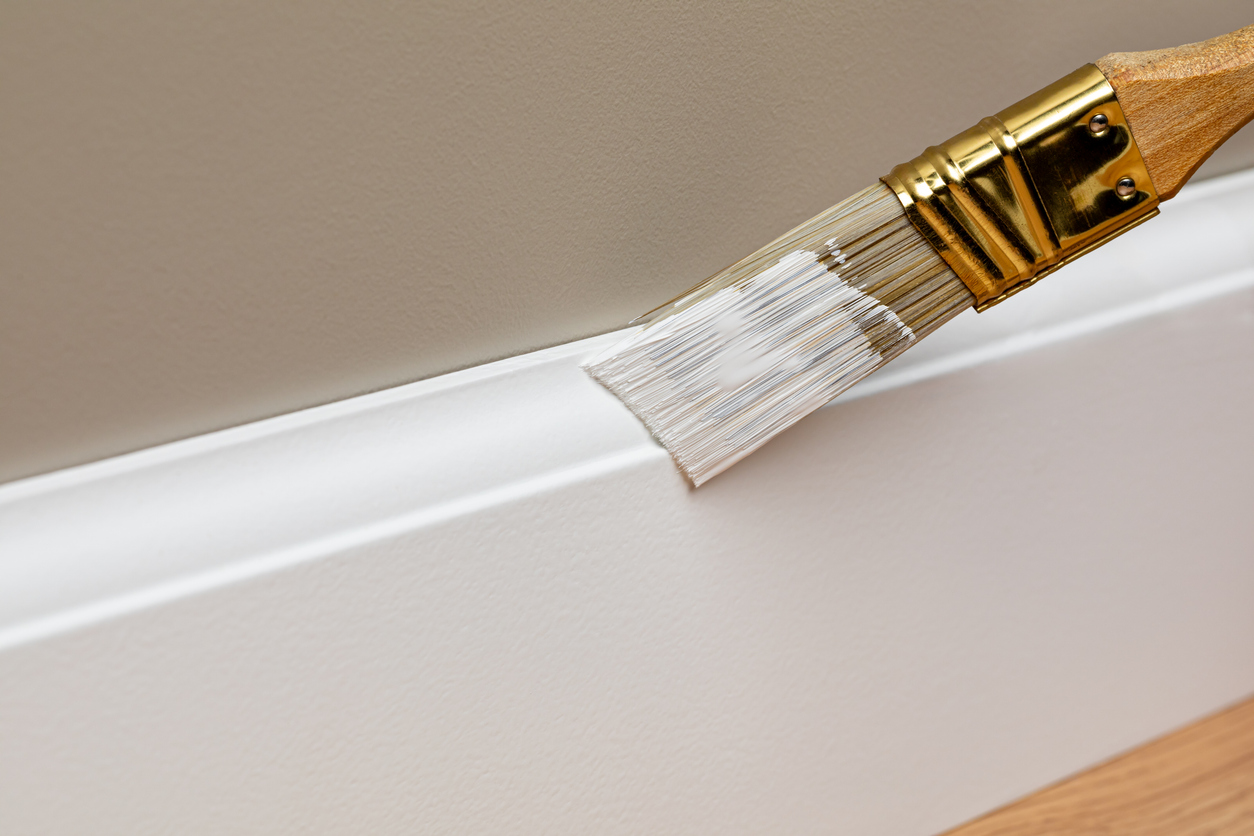
Skirting board covers are a practical and efficient solution for homeowners who want to refresh their interiors without starting from scratch. Here are the main benefits:
Easy and Fast Installation
One of the most significant advantages of skirting board covers is their ease of installation. Because they fit directly over your existing boards, there’s no need to remove old skirting, repair walls, or risk damaging plasterwork.
Installation can usually be done with adhesive and a few basic tools, making it ideal for DIY enthusiasts. Even professional installers can complete the job more quickly, saving on labour costs.
Cost-Effective Upgrade
Replacing skirting can add up, especially once you factor in removal, waste disposal, and any wall repairs that may be needed. Skirting board covers eliminate these steps, making them a more affordable option for achieving a fresh new look.
The savings can be significant if you’re updating several rooms or an entire property.
Ideal for Covering Damage
If your existing skirting boards are dented, cracked, or stained but still structurally sound, covers are a simple way to conceal the damage. They offer a smooth, flawless finish that instantly improves the appearance of your walls and flooring.
This is especially useful in older homes where removing original boards could cause more harm than good.
Available in a Range of Styles
Skirting board covers come in a wide variety of profiles, including square edge, torus, ogee, and chamfered designs. This means you can match them to your home’s style, whether you prefer a clean modern aesthetic or a more traditional look.
Many are made from moisture-resistant MDF, making them suitable for kitchens, bathrooms, and hallways where humidity levels fluctuate.
Minimal Disruption
Unlike replacing skirting, which involves removing boards and possibly redecorating afterwards, covers can be fitted quickly and cleanly. There’s no dust, debris, or need to repaint entire walls.
For busy households or rental properties, this makes for a highly convenient choice.
The Drawbacks of Skirting Board Covers
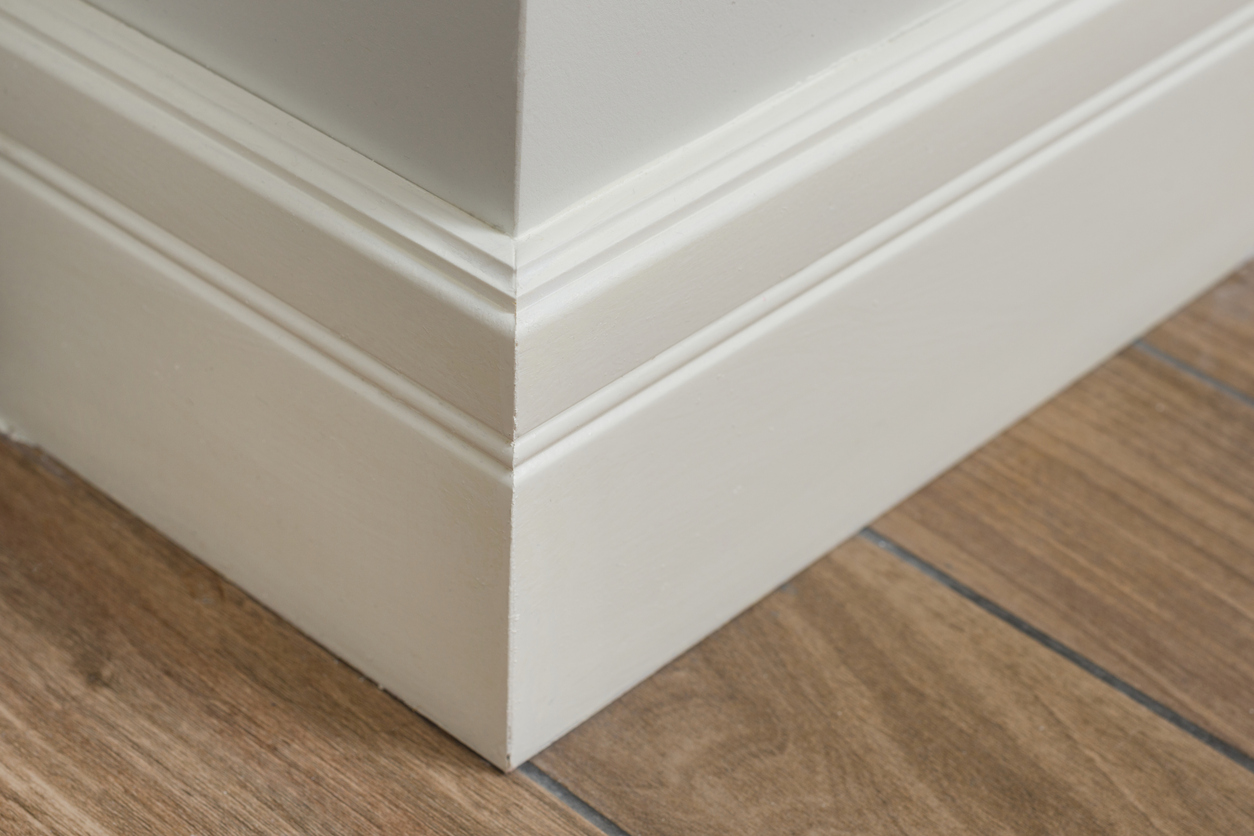
Although skirting board covers offer many advantages, they’re not always the right solution. It’s essential to understand the potential drawbacks before deciding.
Reduced Floor Space
Because covers are installed over existing skirting, they add a few millimetres to the depth of your walls. While this may seem minor, it can be noticeable in smaller rooms or when fitting furniture and fixtures.
If your old skirting is already quite thick, adding covers could make the walls feel slightly more closed in.
Limited Flexibility for Customisation
While there’s a good range of designs available, covers are limited by the height and shape of the original skirting. If your old boards are uneven or damaged at the base, the covers might not sit flush, which could require additional preparation.
In contrast, replacing your skirting gives you complete freedom to choose new dimensions, materials, and finishes.
Not Always Suitable for Structural Repairs
If your existing skirting is rotting, warped, or loose, adding covers won’t fix the underlying problem. In these cases, replacement is the better option to ensure long-term stability and a high-quality finish.
When It’s Better to Replace Your Skirting
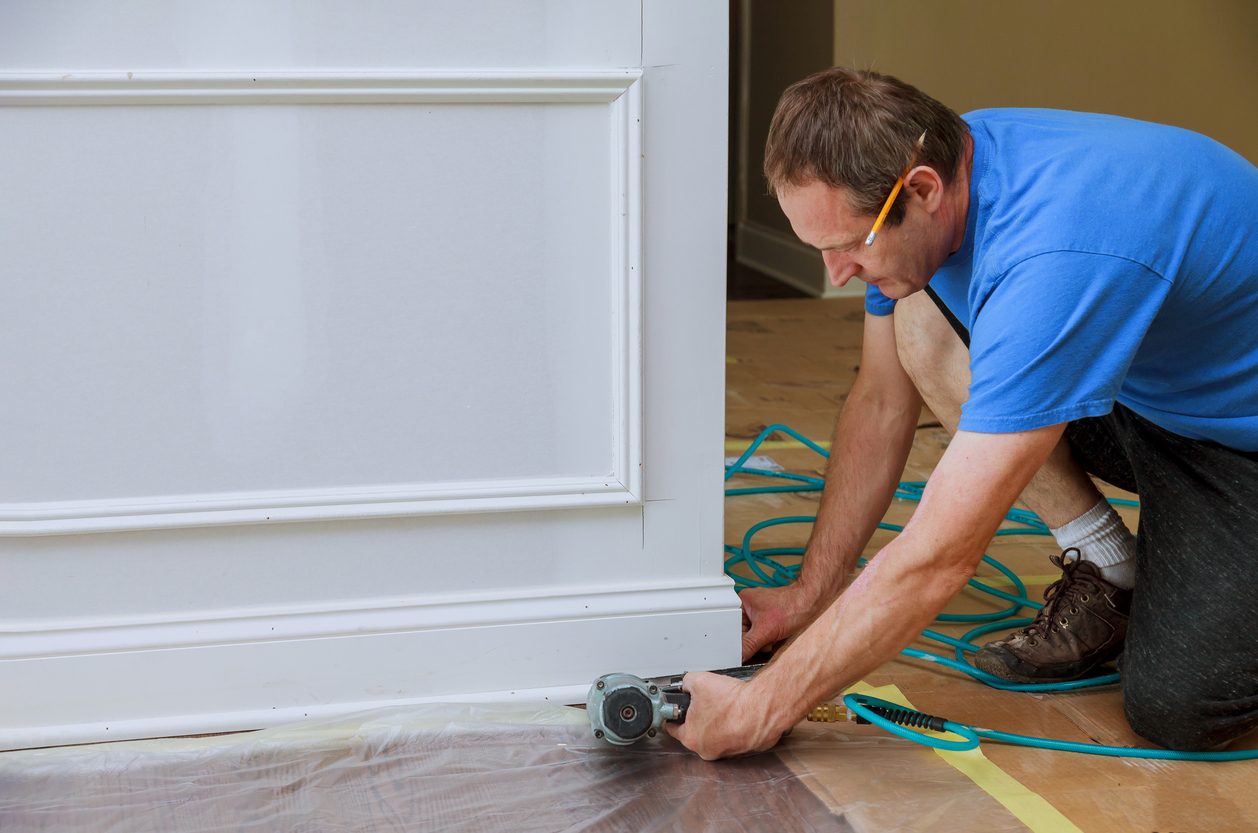
There are times when replacing your skirting boards entirely is the more intelligent choice. New skirting provides a blank canvas and ensures a perfect fit throughout your home.
Fresh Start and Custom Fit
By removing old skirting, you can start fresh and install boards that match your exact design vision. You can choose the height, thickness, and profile that best suits your space, rather than working around existing limitations.
This is particularly beneficial if you’re renovating an older property or want to coordinate your skirting with new architraves or wall panelling.
Perfect for Damaged or Uneven Walls
If your existing skirting has gaps, rot, or severe wear, covering it won’t achieve the best results. Replacing it allows you to repair any underlying wall damage, creating a cleaner, longer-lasting finish.
Modern MDF skirting boards are especially popular because they’re affordable, easy to paint, and resistant to warping, ideal for both contemporary and traditional homes.
Opportunity to Redesign Your Interior
Replacing skirting gives you complete freedom to redesign your space. You can choose contemporary square edge profiles for a minimalist look, or decorative ogee designs to complement period features.
It also allows you to coordinate your skirting with new flooring, wall colours, or decorative mouldings for a cohesive aesthetic.
Comparing Cost and Longevity
In most cases, skirting board covers are the cheaper short-term option. However, new skirting boards tend to offer better long-term value, especially if your current ones are in poor condition.
Covers may need replacement sooner if the boards underneath deteriorate or if moisture affects the adhesive. In contrast, high-quality MDF skirting can last for decades with minimal maintenance.
If you’re updating your home to sell or planning a complete renovation, new skirting may also add greater appeal and value to your property.
Which Option Is Right for You?
Ultimately, the decision between skirting board covers and replacement depends on your home’s condition and your project goals.
Choose skirting board covers if:
- Your existing boards are in good condition, but look dated or scuffed.
- You want a quick, cost-effective update with minimal disruption.
- You’re renovating on a budget or working within tight timescales.
Opt for replacing skirting if:
- Your boards are damaged, uneven, or rotten.
- You want a complete design refresh or plan to update other woodwork.
- You prefer a long-term investment in durability and style.
Conclusion
Both skirting board covers and full replacements have their advantages. Covers provide a fast, affordable way to refresh interiors with minimal mess, while new skirting offers a permanent, tailored upgrade that enhances both appearance and value.
Whichever route you choose, investing in high-quality materials and careful installation will make a visible difference. Well-finished skirting boards add character, define your space, and give your home that clean, professional look that every interior deserves.