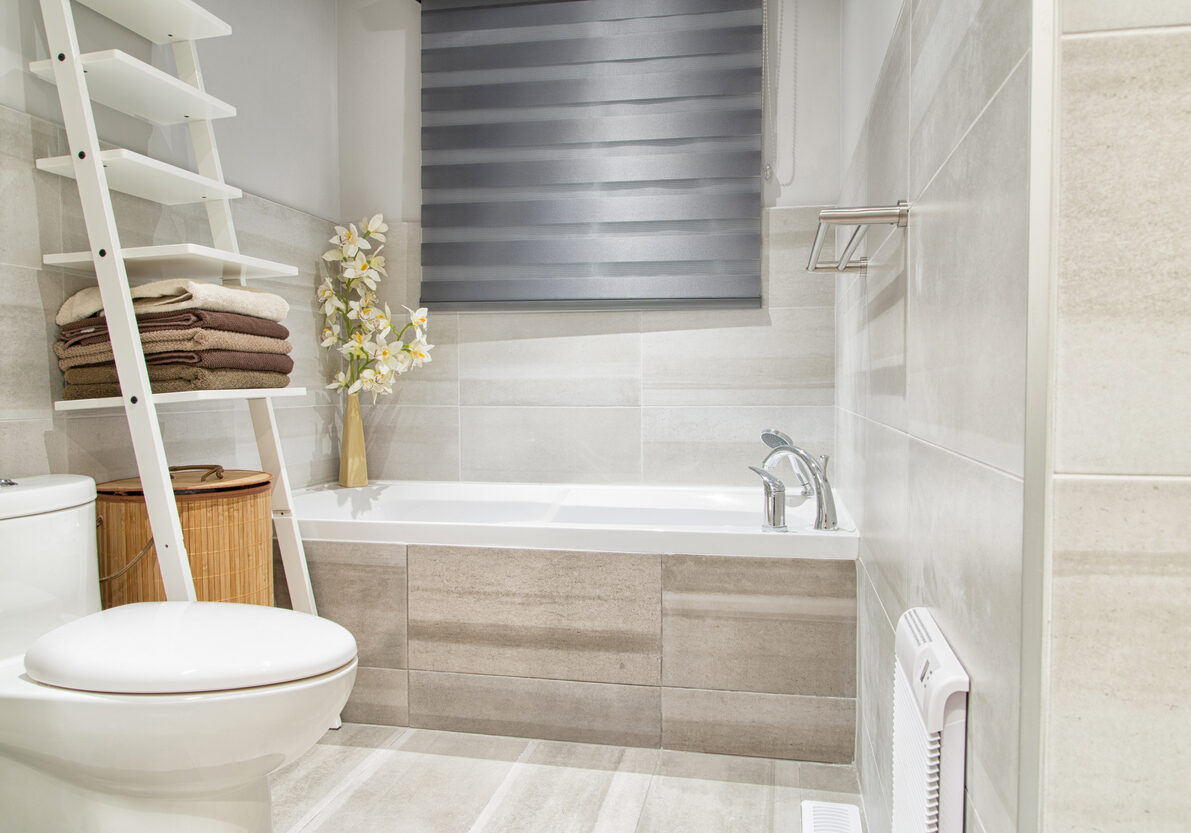

Preventing Humidity Damage: An Expert Guide to Selecting Waterproof Blinds for High-Moisture Environments
by Northern Life
Choosing waterproof blinds is not a luxury, but an essential strategic decision
Environments like bathrooms, kitchens, and utility rooms present unique challenges for window treatments. High humidity, temperature fluctuations, and the constant risk of splashing require materials that are specifically engineered for resilience. Traditional fabrics are susceptible to mould, mildew, and warping, leading to premature deterioration. Choosing waterproof blinds is therefore not a luxury, but an essential strategic decision for maintaining hygiene, functionality, and the long-term aesthetic appeal of high-moisture spaces.
Engineered Materials for Ultimate Durability
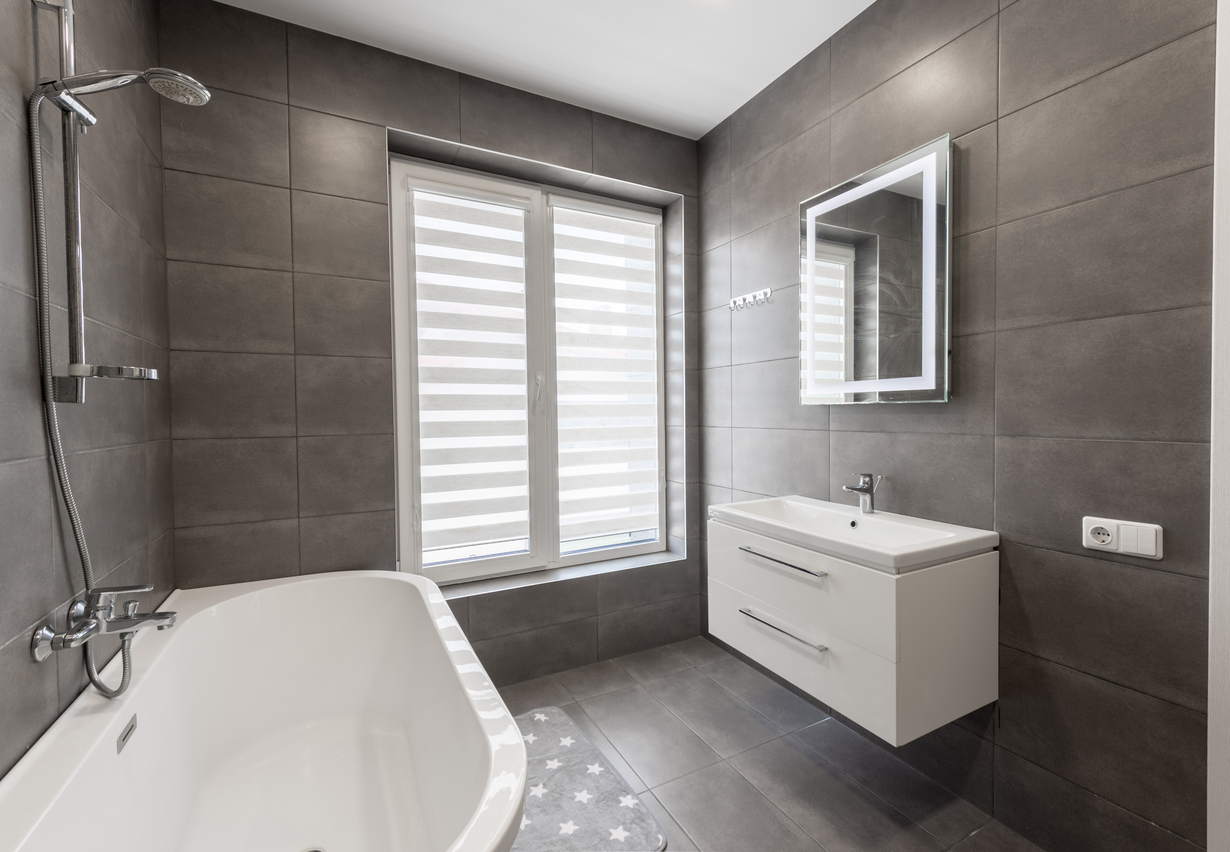
The core difference between standard and waterproof blinds lies in the composition of the material. These specialized products are designed to repel water entirely, ensuring zero absorption and maximum longevity.
PVC and Vinyl Composites
The most effective waterproof blinds are crafted from high-grade PVC, vinyl, or other specialized polymer composites. These materials are inherently non-porous and completely impervious to water and humidity. This non-absorbent quality means that condensation or splashes simply bead and run off, preventing the dampness that encourages microbial growth. This makes them significantly easier to clean and maintain than standard fabric blinds.
Avoiding Common Moisture Issues
In humid spaces, traditional materials can quickly develop mildew and unsightly water stains, leading to a breakdown of the material structure. By selecting truly waterproof solutions, you eliminate these risks, ensuring that your window dressings remain crisp, vibrant, and functionally sound for years. For expert advice and to explore custom outdoor blinds designed for durability and weather resistance, consult the full collection of waterproof blinds.
Functional and Aesthetic Integration
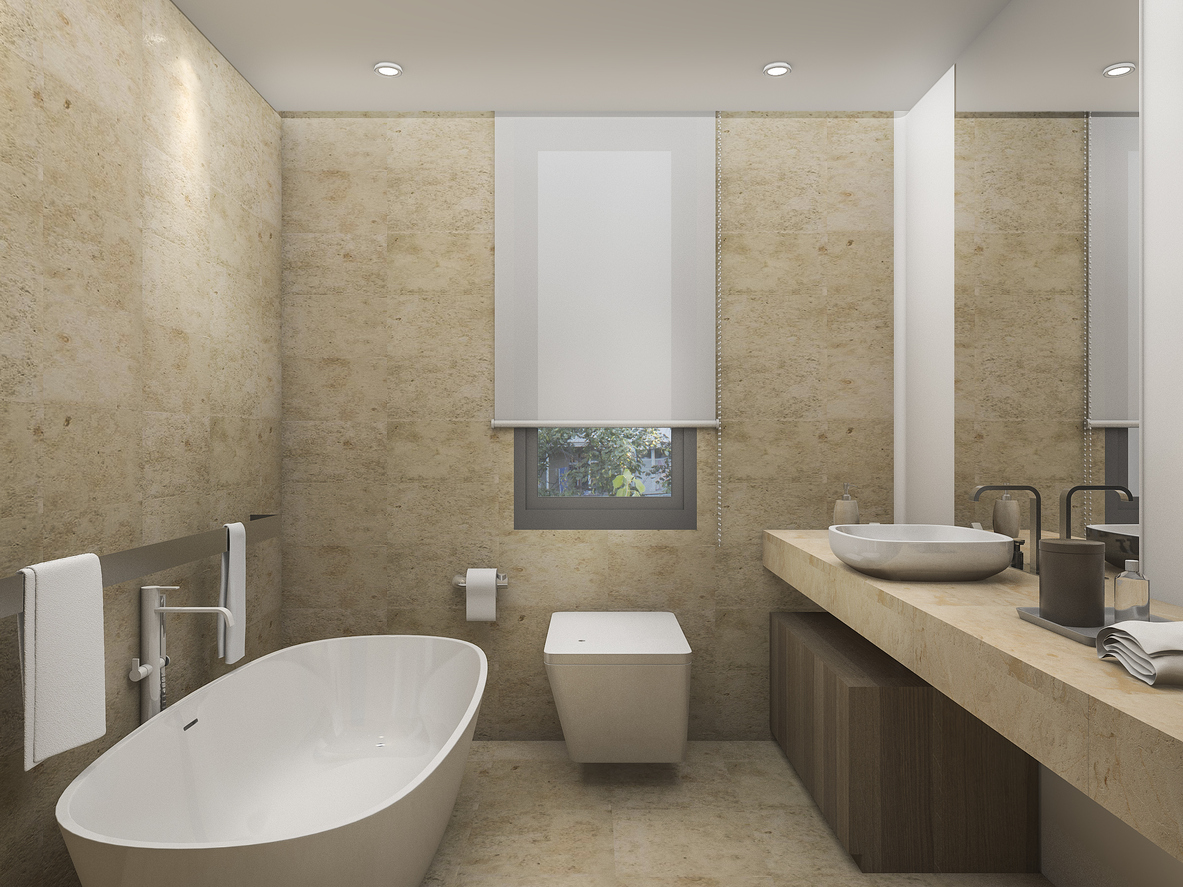
Modern waterproof options do not force a compromise on style. Designers now have access to a wide array of textures, colours, and operational styles that meet the demanding technical requirements while elevating the room’s look.
The Best Styles for Wet Areas
While many styles can be made from waterproof materials, roller and vertical blinds often perform best in wet areas due to their simple construction and minimal fabric overlap. If the high-moisture area also requires total light control, it is worth noting that many waterproof lines also include blackout options, ensuring privacy and darkness without compromising durability.
Essential Hygiene Maintenance
The non-porous surface of polymer-based waterproof blinds means cleaning is incredibly straightforward. A simple wipe-down with a damp cloth and mild detergent is usually sufficient to remove soap residue, grease, or grime. This ease of maintenance is crucial for kitchens and bathrooms, contributing to a cleaner, more hygienic home environment.
By making the simple switch to engineered waterproof materials, you ensure that your window treatments can withstand the toughest conditions without sacrificing design elegance.