

Northern England Traditional Games
by Northern Life
Traditional games are still played through the north
The North of England boasts a rich legacy of traditional games that have been played for centuries. These games reflect the region’s history, community spirit, and cultural identity. The games, often passed down through the years, offer a fascinating insight into Northern life and values. While some have been lost in time, many more remain alive and well thanks to the enthusiasm of locals who are determined to keep their heritage alive.
The Origins of Traditional Northern Games
The genesis of most traditional Northern English games can be traced back to medieval times when they were more than mere recreations. The games were constituent parts of community activities, seasonal festivities, and even social hierarchies. They provided an avenue where people from different backgrounds met, competed, and reaffirmed social bonds.
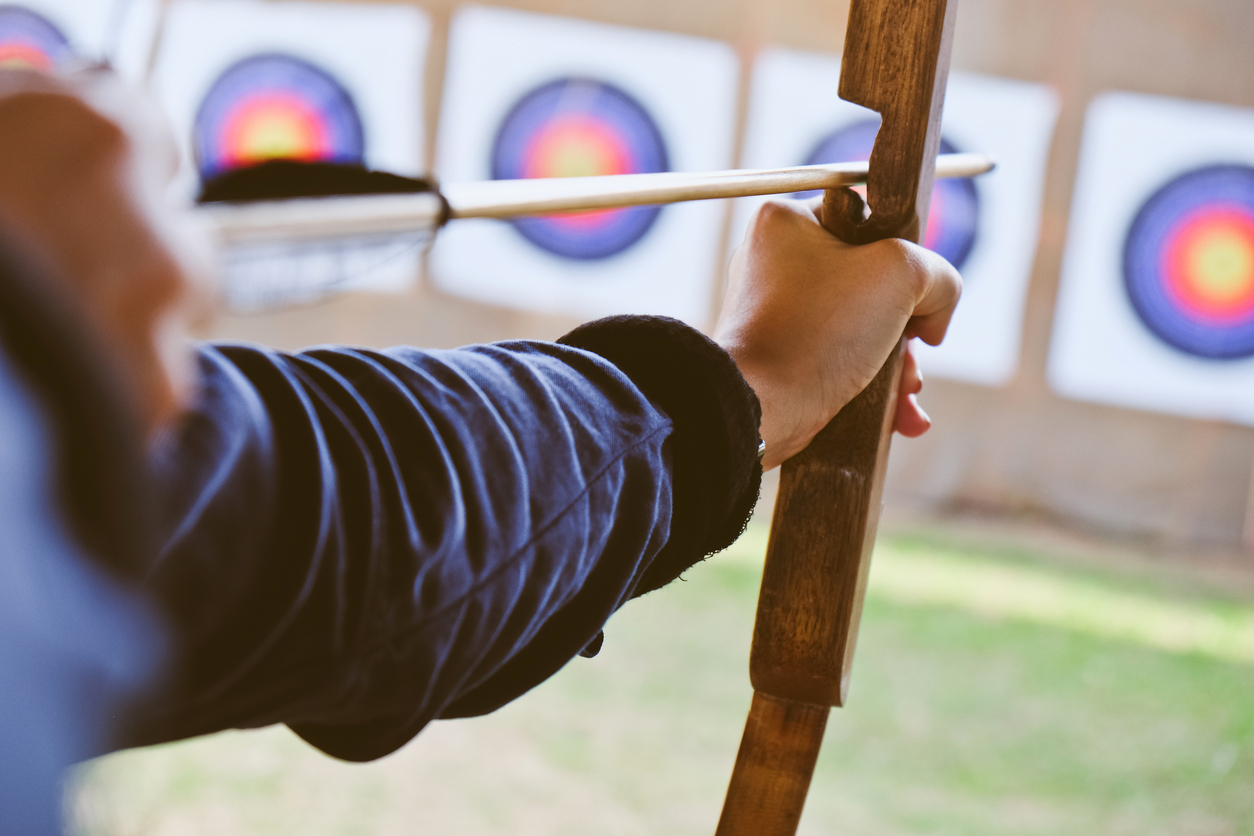
Some of these games evolved out of survival skills, such as archery contests that helped train young men for battle. Others, such as village-versus-village football matches, were community events with few rules and they were more often chaotic melees than they were orderly sports. The influence of these early games can still be seen in modern sports and their effect still resonates in the way Northern communities structure leisure and competition.
Comparing Traditional Games with Modern Online Gaming
The contrast between online gaming today and traditional games is stark. Traditional games are all about face-to-face contact, skilled gameplay and quite frequently physical exercise, whereas online games offer a virtual escape into the digital world. Despite these differences, both forms of entertainment share one thing in common—bringing people together through competition and leisure.
Interestingly, the online gaming industry has also witnessed the popularity of traditional games, incorporating the aspects of strategy, skill and luck into online versions. People looking for the highest match deposit bonuses online often find themselves playing virtual pub games, card games and classic competitions. While these online versions are convenient, they can never substitute the camaraderie and tangible experience of being part of a traditional game in a local pub or village square.
The Northern Ring Toss
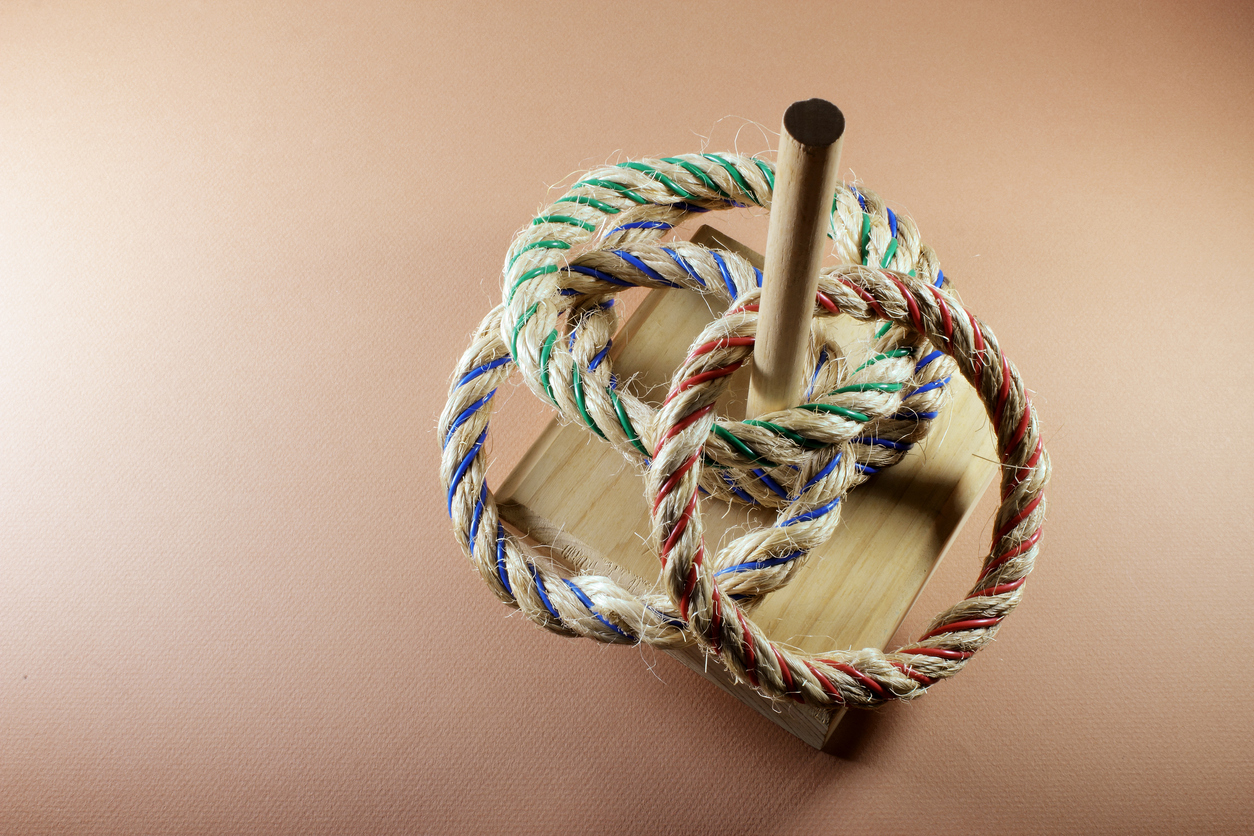
One of the most long-standing traditional games in the North of England is the game of quoits, a variant of horseshoe pitching. Players throw metal rings or “quoits,” at a stationary target in an attempt to gain accuracy and precision. Deceptively simple, this game requires a tremendous amount of skill and has been a northern pub and village fair staple for centuries.
Quoits were also very popular in industrial regions, with miners and factory workers often meeting after working long hours to relax and socialise. It was a game that created an excellent sense of camaraderie, as teammates were usually assembled and rivalries with nearby villages were contested. Despite the priority of present-day sports and electronic entertainment, quoits are still a cherished hobby in some northern towns.
Knur and Spell
There are not many games as thoroughly northern as Knur and Spell, a vigorous sport that began life in Yorkshire. Players strike a small ball, or “knur,” with a specially modified stick or “spell” to send it flying through the countryside. The goal is to hit the knur as far as possible, with some skilled players achieving considerable distances.
Knur and Spell were particularly popular among rural workers who had little access to organised sports. They were popular because they were simple to play—any open space could be turned into a field, and the equipment necessary to play the game was relatively simple to construct. No longer as widespread as it once was, dedicated teams still keep the sport alive, with annual tournaments being held to preserve the tradition.
The Heartbeat of Sociability

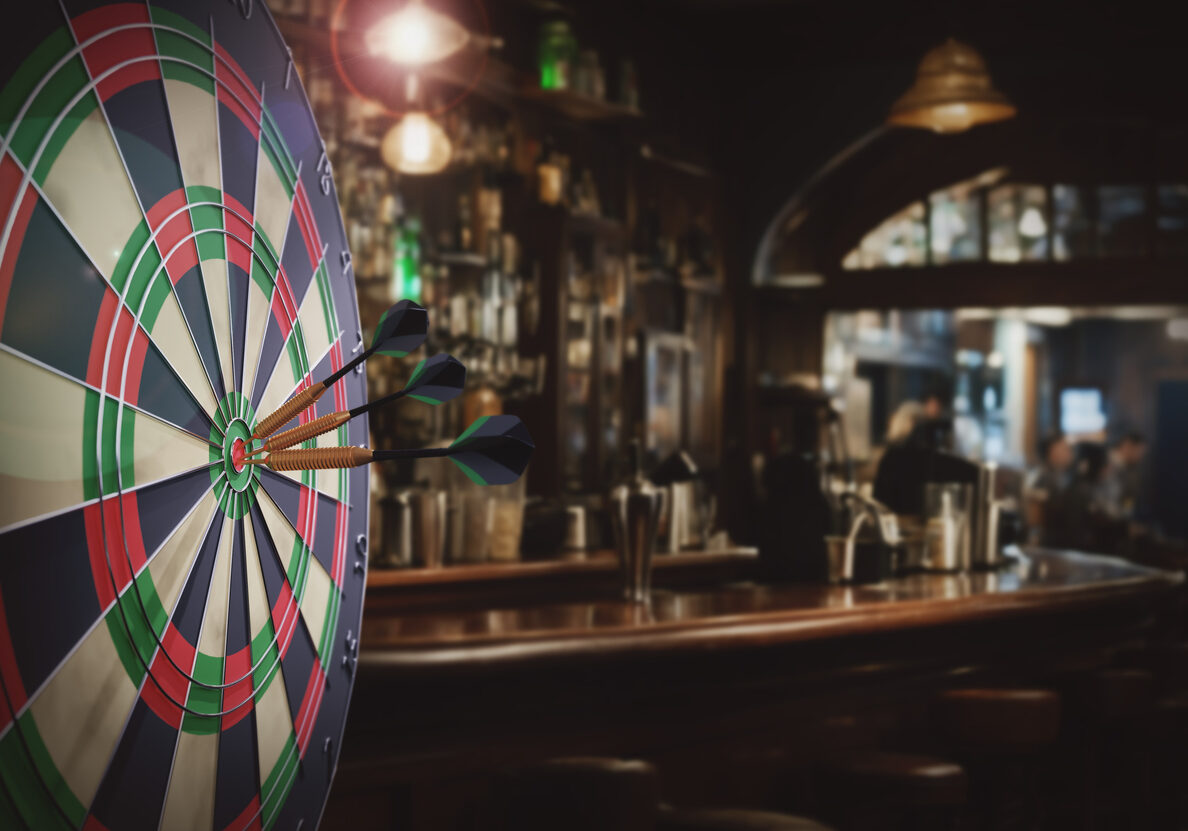
Pubs have been at the centre of Northern English social life for centuries, and they have been the preservers of traditional games. Darts, dominoes, cribbage and shove ha’penny have all been entertaining and bringing people together for generations. Pub games differ from physical sports insofar as they are games of strategy, patience and mental agility, and people of any age can play them.
Darts, in particular, has seen a resurgence in popularity, with professional leagues and TV tournaments bringing the game to the public eye. Yet in the majority of northern pubs, it remains more of a casual competition than a high-stakes sport. People stop by to have a go, share stories and be part of the social atmosphere that still makes pub games a staple of northern life.
Morris Dancing
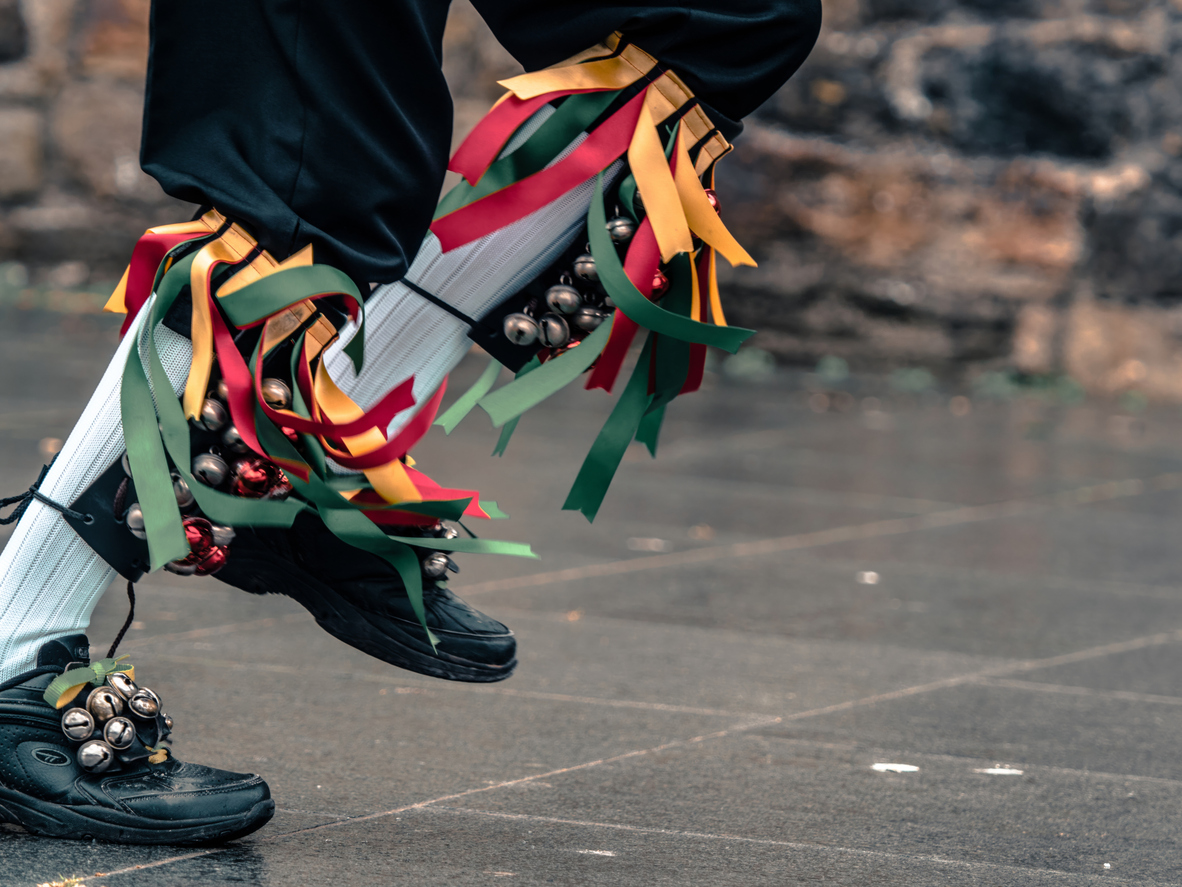
While Morris Dancing is most traditionally associated with Southern England, the northern variations of it are distinctively different. Northern Morris dances include the use of swordplay by the dancers, which is a reference to the military history of the region. The dance is performed to traditional folk music at seasonal festivals and other celebrations.
The roots of Morris Dancing are closely tied to agricultural customs and it is believed by many that the dances were originally done to call upon good fortune for the harvest. Northern Morris sides continue to perform to this day and this lively and symbolic custom remains a vibrant part of cultural celebrations.
The Role of Traditional Games in the Contemporary Era
The surge in popularity of electronic entertainment, along with changing lifestyles, makes traditional games obsolete. Despite their cultural significance, most regions in the North have introduced efforts to restore public interest in traditional pastimes.
Heritage organisations and municipal councils have begun introducing traditional games to festivals, schools, and community events. By promoting the history and skill of the games, they hope to inspire the younger generations to take an interest in them and to appreciate and play them. Some of the games have even been adapted to the modern environment, so they are still applicable in this contemporary, busy world.