

Navigating the ABC Trek: Updated Route Information and Accessibility
by Northern Life
The Annapurna Base Camp trek is now more accessible than ever for Nepali travellers.
The Annapurna Base Camp (ABC) trek remains one of Nepal’s most iconic and sought-after trekking routes. Nestled in the heart of the Annapurna Conservation Area, this trek is more than just a mountain journey—it’s a deep cultural and spiritual experience. With stunning views of snow-capped peaks, warm hospitality in mountain villages, and a sense of accomplishment after days of walking, it continues to attract thousands every year.
For Nepali trekkers, the ABC trek has become more accessible in recent years, thanks to road developments and increased awareness about domestic tourism. But with these changes come new challenges, from altered trail routes to commercialisation and safety concerns. This article explores the updated route, accessibility options, and practical tips for navigating ABC in 2025, particularly from a Nepali trekker’s perspective. Instead of just facts, we will analyse changes, raise important questions, and share insights grounded in personal experience and local knowledge.
1. Changing Trail Routes: Convenience Versus Experience.

In the past, most trekkers began their ABC journey from Nayapul, passing through villages like Tikhedhunga, Ghorepani, Tadapani, Chhomrong, and eventually reaching the base camp via Deurali. Today, many of these lower sections can be skipped due to road extensions, especially from Pokhara to Ghandruk or Jhinu Danda.
Trekkers can now drive to Jhinu or Siwai by jeep, cutting two to three days of walking. While this is convenient for people with limited time, it comes with a cost—missing out on rich cultural experiences, traditional Gurung settlements, and the gradual altitude acclimatisation that helps prevent altitude sickness.
From a local point of view, it’s worth asking whether speed and convenience are the right priorities for a journey like ABC. Starting from Ghandruk or Nayapul not only enhances the physical journey but also allows you to engage with nature, meet local communities, and experience the trek the way it was initially intended.
2. Trail Conditions and Safety: What Has Improved and What Still Lags Behind
Following the COVID-19 pandemic and recent landslides, some sections of the ABC trail had deteriorated. In 2023 and 2024, however, many improvements were made. Wooden bridges were replaced, signage improved, and certain dangerous sections were repaired. Still, risks remain.
Landslides during the monsoon, especially near Hinku Cave and Deurali, can block trails or create hazards. Even in the spring and autumn seasons, unexpected weather can make trails slippery and unsafe.
For Nepali trekkers, particularly those going without professional guides, it’s crucial to do more than check the weather. Contact local authorities in Pokhara, read recent trekker updates online, and remain flexible with your itinerary. Safety is not just about survival; it’s about enjoying the trek with confidence and peace of mind.
3. Accessibility for Nepali Trekkers: Changing Perceptions and Realities
There was a time when ABC was considered a trek primarily for foreigners, due to the dollar-based pricing system and limited Nepali representation in travel media. But this is changing rapidly. Young Nepalis are now taking trekking seriously, motivated by a growing outdoor culture, YouTube trekking vlogs, and a desire to reconnect with nature.
Local lodges are beginning to reflect this shift. Many now offer dual pricing systems—more affordable rates for Nepali trekkers—and include local food options that cater to domestic tastes. With more awareness about domestic tourism, there is a sense that Nepalis are finally reclaiming the mountains in their way.
However, the journey still involves certain costs and expectations. Even if you are Nepali, being well-prepared, respectful to lodge owners, and conscious of local rules is essential. This shared responsibility helps everyone maintain the quality of the trek.
4. Permits, Documents, and Trail Ethics: What You Need to Know
Despite common misunderstandings, Nepali trekkers still require an ACAP (Annapurna Conservation Area Project) permit. The cost is minimal—usually around Rs. 100—but it serves an essential purpose. The data helps the government track visitors, organise rescue efforts if needed, and fund conservation initiatives.
For Nepali trekkers, this can be surprising, especially for those used to cheaper prices elsewhere in the country.
At various checkpoints along the trail, you will be asked to show your citizenship card. This isn’t just bureaucracy—it ensures your presence is logged in case something goes wrong. Some trekkers attempt to bypass these systems to save time or money, but doing so harms the entire trekking ecosystem.
If you respect the process, you contribute to a safer and more sustainable trekking culture. Carry your national ID, pay your conservation fee, and understand that following the rules helps maintain access for future generations.
5. Accommodation, Food, and Pricing Trends in 2025
Teahouses have significantly modernised over the past decade. While traditional mud houses still exist, many lodges now feature cement walls, attached bathrooms in lower regions, and improved bedding. But this progress comes at a cost.
A basic room may now cost Rs. 800 to 1,000, depending on the altitude and season. Meals like dal bhat, chowmein, or thukpa can range from Rs. 500 to 800, and even a cup of tea can cost Rs. 100 to 150 at higher elevations.
This can be surprising for Nepali trekkers, especially those used to cheaper prices elsewhere in the country. However, we must understand the challenges of running a teahouse in remote areas—supplies are carried by porters or mules, and everything costs more as altitude increases.
The solution is not to complain, but to prepare. Budget at least Rs. 2,000 to 2,500 per day if you’re going independently. Carry extra cash, as digital payments like eSewa or Khalti are not widely accepted in remote locations.
6. Alternative Routes and Combinations: Options Beyond the Base Camp
Many Nepalis are now combining treks to make the most of their time and effort. The ABC trail can easily be combined with:
- Poon Hill: Known for its spectacular sunrise views of Annapurna and Dhaulagiri, this is an ideal add-on for those starting from Ghorepani.
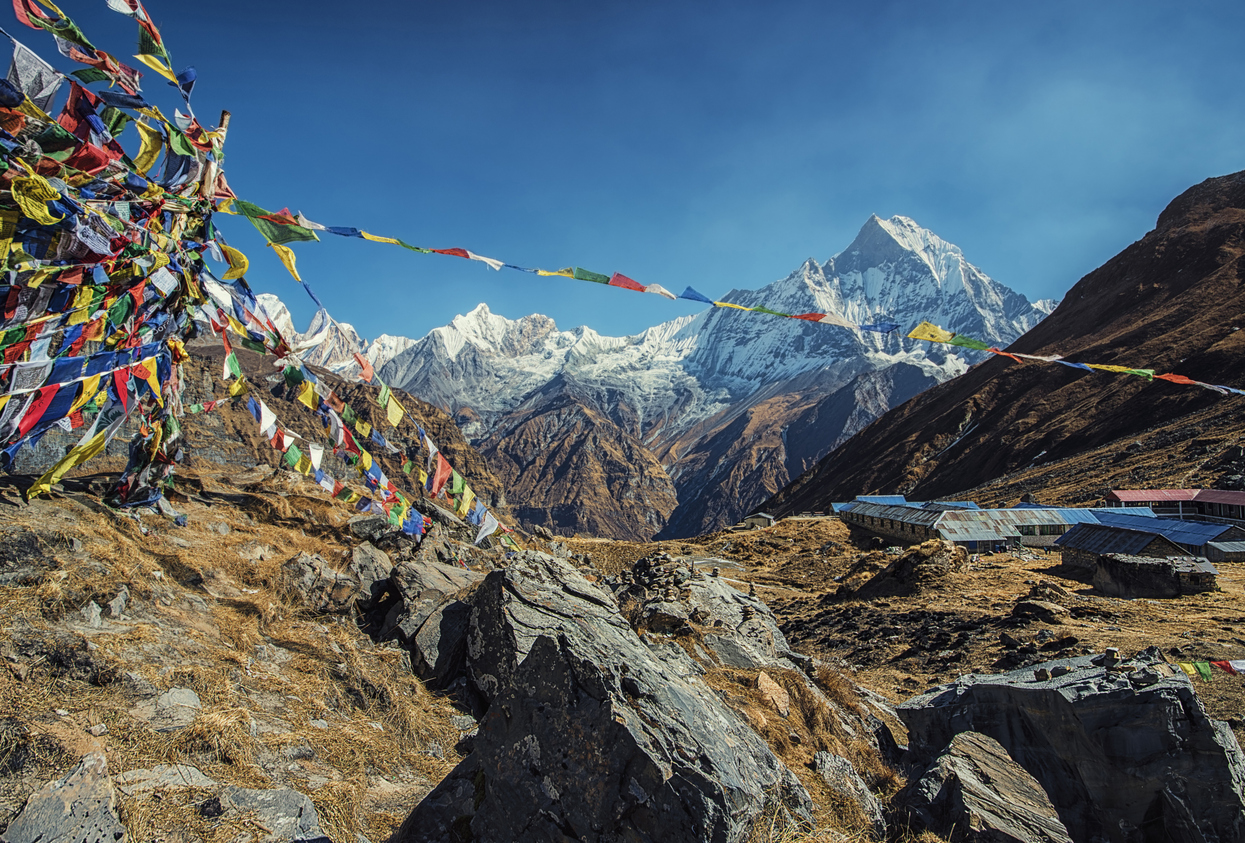
- Mardi Himal: A quieter, more adventurous trail that offers closer views of Machhapuchhre. It connects well from Landruk or Forest Camp.
These alternatives offer a different experience—less crowded trails, unique perspectives of the mountains, and the feeling of adventure that the more commercial ABC trail may lack at times.
If you’re trekking during the peak seasons, Mardi Himal is an excellent alternative. If you have family or want a more gradual journey, consider adding Poon Hill to your ABC trek.
7. A Deeper Purpose: What the ABC Trek Can Teach Us
More than the distance walked or the altitude gained, the ABC trek offers something much deeper—a spiritual connection with the Himalayas. When you reach the base camp and see the peaks rise before you, the feeling is beyond description. It reminds us how small we are, and yet how strong we can become.
For Nepali youth, trekking is especially not just about tourism. It’s a return to our roots. It’s a statement that our mountains are not just backdrops for foreigners, but sacred lands we can walk, respect, and protect.
Trekking teaches patience, resilience, and humility. It’s a school without a classroom, but its lessons last a lifetime.
Conclusion: Embrace the Trek, Respect the Trail
The Annapurna Base Camp trek is now more accessible than ever for Nepali travellers. Improved roads, better lodge facilities, and growing awareness have made it possible for almost anyone with determination to complete the journey.
But accessibility comes with responsibility. Let’s not rush through the trail just for photos. Let’s understand the history, respect the local communities, and treat the mountains not as playgrounds but as living legends.
If you’re thinking of doing the ABC trek in 2025, go beyond the guidebook. Speak to local porters, take the longer route when you can, and open yourself to the spiritual beauty of the Himalayas.
The mountains are waiting—not just to be seen, but to be understood.