
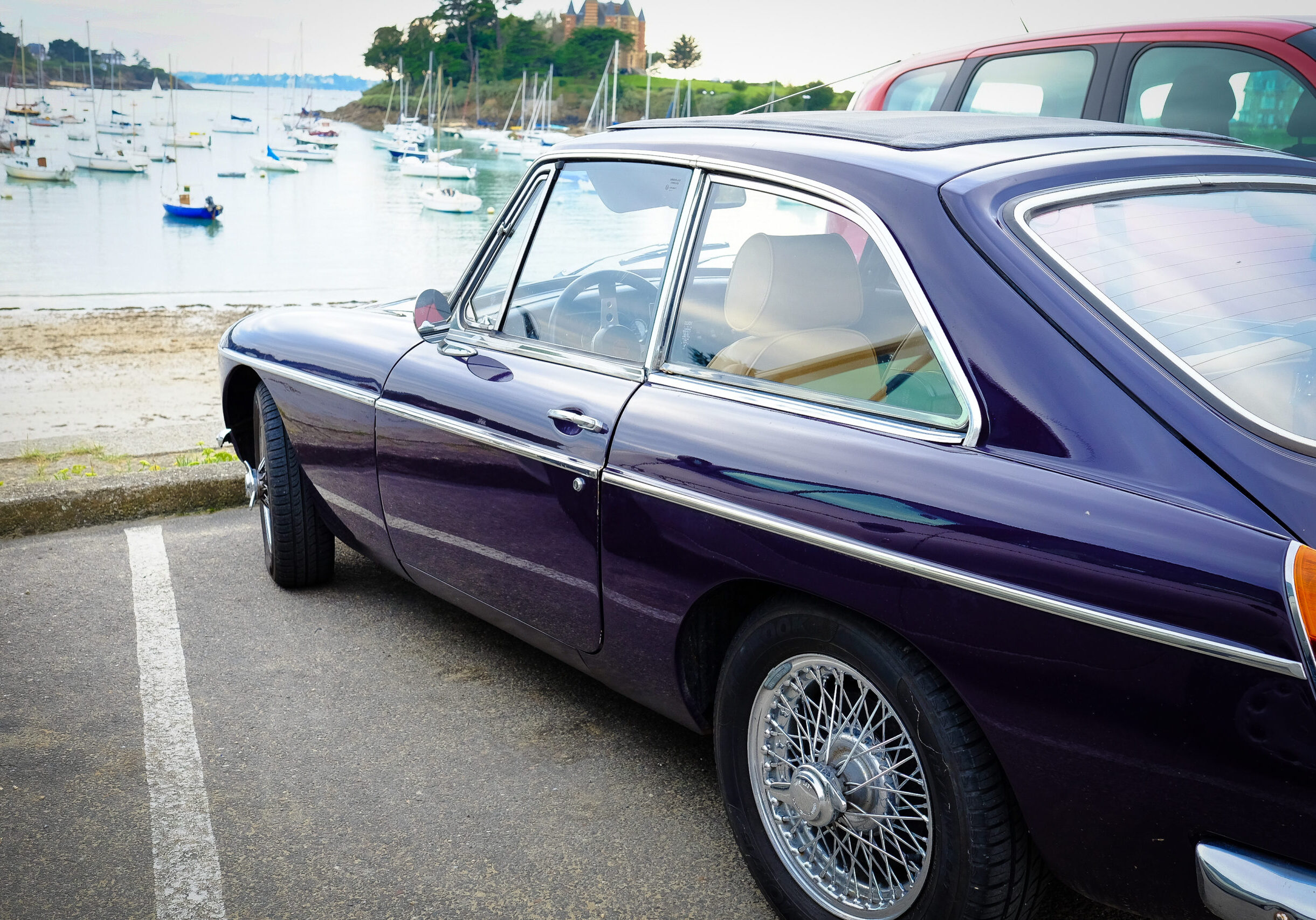

Looking Beyond the Locale for High-Quality Vintage Car Repair
by Northern Life
If you’re the proud keeper of a vintage motor — whether it’s a classic Austin, a retro Mustang, or even a carefully maintained Triumph — you already know that quality counts. You don’t just want “somebody local who tinkers”; you want a specialist who understands vintage vehicles, has the right tools, the right parts and the right mindset. Local may be convenient … but it isn’t always best.
Below, we explore why you should look beyond your postcode for high-quality vintage car repair and what to check when you do. Think of this as your go-to guide to avoid settling for “okay” when you could get “exceptional”.

Why staying local can be limiting
- Lack of specialist experience — Local garages might do a great job on modern cars. Still, vintage vehicles often require bespoke panel work, engine rebuilds, sourcing rare parts, chassis realignment, and a tender loving touch.
- Parts & supply chain — Vintage cars often require hard-to-find components, sometimes no longer made, or special second-hand parts or custom-fabricated. A general garage may struggle here.
- Approach to authenticity — For high-quality restoration or repair, you’ll want someone who treats the vehicle as a classic artefact, not a daily driver. That means preserving character, using correct materials, and respecting original design.
- Reputation and track record — Specialist vintage repairers often have portfolios showing dozens or hundreds of completed restorations.
- Geographic myopia — If you only look within a short radius, you might miss out on a better specialist a little further afield, but better aligned with your car and your expectations.
Why casting a wider net makes sense
- Better fit for your car: If you have a rare model or a particular condition (e.g., full refurb, structural welding, rare part rebuild), you want a specialist whose core business is vintage vehicles – wherever they are.
- Higher confidence, better outcome: A workshop that focuses on vintage repairs brings higher chances of good craftsmanship, documented work, and awareness of classic-vehicle issues.
- Increased value retention: A high-quality repair by a known specialist can add to the vehicle’s provenance, making it more valuable in the long run.
- Willingness to travel: Many specialist workshops will accept vehicles from further away, and it’s not uncommon for owners to transport cars across counties for the right expertise.
- Better match for your expectations: If you want the job done right — not just “drivable” but “as good as it should be” — you may need to look outside your usual garage list.
How to evaluate and pick the right specialist
Here’s a checklist tailored for vintage car repair, with a wink but serious intent:
| Checkpoint | Why it matters | What to ask / what to see |
| Portfolio of vintage builds/repairs | Shows they’ve done your kind of car before | “Do you have examples of similar models? May I see before-/after photos?” |
| Experience and expertise | Vintage cars have quirks — old wiring, weakened metal, rare parts | “How many years have you been doing classic/vintage work? What brands/models do you specialise in?” |
| Part sourcing & authenticity | Mistakes here reduce value and authenticity | “Where do you get the parts from? Do you re-manufacture panels if needed?” |
| Craftsmanship & workshop setup | Proper paint facility, welding, and engine rebuild facilities are essential | “What facilities do you have for paint and bodywork? Do you handle chassis realignment and engine/gearbox rebuilds?” |
| References and reviews | Past customers are the best gauge | “Can you provide references or testimonials for vintage work?” |
| Insurance & communication | You want to know your car is safe, and you are informed | “Is my vehicle insured while in your care? How often do you provide progress updates?” |
| Time frame & cost transparency | Vintage work can be unpredictable | “What’s the estimated timeframe? How will you handle parts-supply delays? Will you provide regular updates?” |
When it makes sense to go local — and when to go further afield
Go local if:
- Your issue is minor (servicing, small repair).
- You already know a local garage with solid vintage credentials.
- Time and budget are limited, and travel/logistics would outweigh the benefit.
Go further afield if:
- You’re restoring a high-value or rare model.
- Local garages are generalists with little vintage experience.
- You want craftsmanship, provenance, and lasting value.
- You’re comfortable managing logistics and wait times.
A branded example: White’s Bodyworks

One standout in the UK vintage repair scene is White’s Bodyworks — a Sussex-based specialist known for expert classic and vintage car repairs. Their team offers bespoke panel-work, chassis repair and realignment, paintwork, and full engine and gearbox rebuilds. They’ve completed hundreds of restorations, with customers coming from far beyond their local area for the assurance of top-tier craftsmanship.
Final word: Your vintage car deserves more than “just local”
Your vintage car is more than just transport — it’s a piece of automotive heritage and a labour of love. Don’t settle for “good enough” because the garage is nearby.
Take time to research, review portfolios, ask questions, and consider travelling for the right team. In the world of vintage car repair, quality travels — and so should you.