

Loft Conversion vs Extension: Which Adds More Value?
by Northern Life
When homeowners look to add space and boost property value, two options usually come to mind: a loft conversion or a home extension. Both can transform how a property is used and perceived, but the real question is which one offers better value for money. Whether you’re planning to sell in the future or want to invest wisely in your home, understanding the differences is essential.
Understanding a Loft Conversion
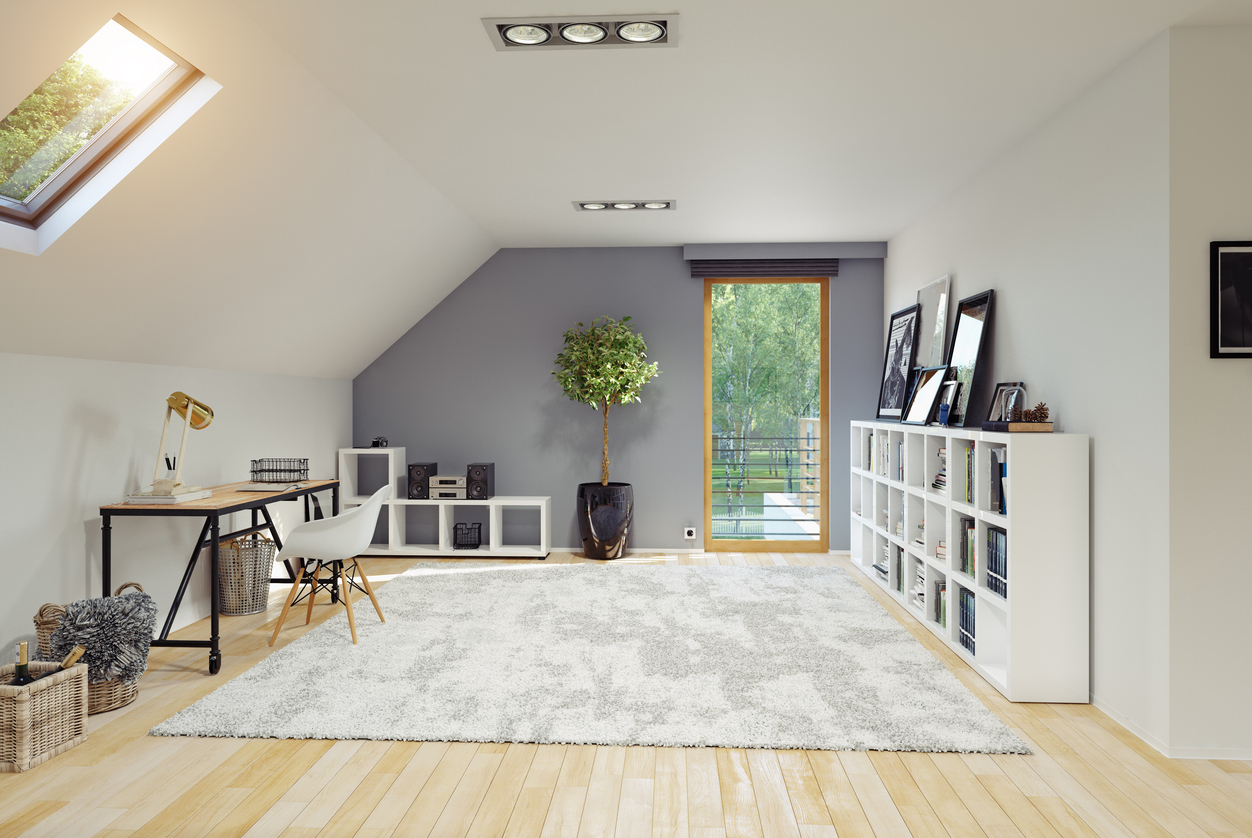
A loft conversion involves transforming unused attic space into a functional living area, such as a bedroom, home office, or guest suite. One of its most significant advantages is that it works within the existing footprint of the property, meaning you don’t lose garden space.
From a value perspective, loft conversions are often praised for their strong return on investment. In many parts of the UK, a well-executed loft conversion can increase a home’s value by up to 15–20%. This is mainly because it adds an extra bedroom, which is one of the most influential factors for buyers.
Loft rooms may feel less appealing to some buyers if ceiling heights or natural light are limited.
Another benefit is planning simplicity. Many loft conversions fall under permitted development rights, reducing the need for full planning permission. This can save both time and money, making it an attractive option for homeowners who want minimal disruption.
However, loft conversions are not suitable for every property. Low roof height, complex roof structures, or limited access can significantly increase costs. Additionally, loft rooms may feel less appealing to some buyers if ceiling heights or natural light are limited.
Understanding a Home Extension
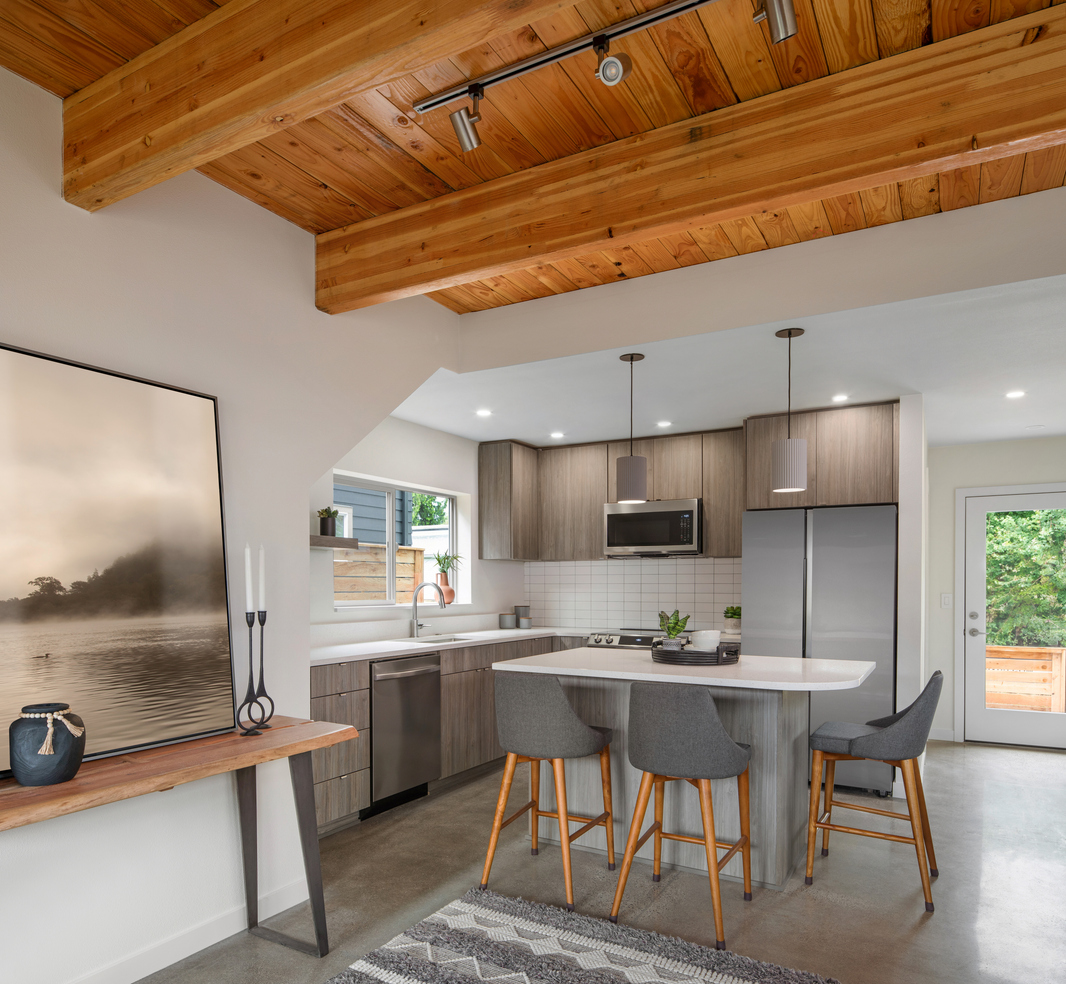
A home extension typically involves expanding the property outward, such as adding a rear, side, or wraparound extension. Extensions are popular because they allow homeowners to create large, open-plan kitchens, dining areas, or additional living spaces that are highly desirable in today’s market.
Extensions can add substantial value, particularly when they improve the overall flow and functionality of the home. A well-designed extension that enhances everyday living can increase a property’s value by 10–25%, depending on size, quality, and location.
There is also the risk of overdevelopment, where the cost of the extension outweighs the value it adds.
One of the key advantages of an extension is flexibility. You are not constrained by roof shape or height, and you can design a space that meets modern buyer expectations. Families, in particular, are drawn to spacious kitchen-diners and ground-floor living areas that open onto the garden.
That said, extensions are usually more expensive than loft conversions. They often require planning permission, structural work, and longer build times. There is also the risk of overdevelopment, where the cost of the extension outweighs the value it adds, especially if it reduces garden space too much.
Cost vs Value: A Direct Comparison

When comparing loft conversions and extensions, cost is a major deciding factor. Loft conversions generally cost less, as they make use of the existing structure. This often results in a higher percentage return on investment, even if the overall value increase is slightly lower than a large extension.
Extensions, while more expensive, can add more absolute value if done correctly. They tend to appeal strongly to families and long-term buyers who prioritise living space over bedroom count. However, if the extension is poorly designed or overly expensive for the area, it may not deliver the expected return.
In short, loft conversions often offer better value for money, while extensions can deliver higher overall value when aligned with buyer demand.
Buyer Preferences and Market Trends

Buyer preferences play a crucial role in determining which option offers the most value. In areas where space is at a premium, additional bedrooms from a loft conversion can significantly boost appeal. In contrast, in family-oriented locations, buyers may value a large kitchen or family room more than an extra bedroom.
It’s also important to consider your home’s existing layout. If your property already has enough bedrooms but lacks living space, an extension may be the smarter investment. Conversely, if the home feels cramped upstairs, a loft conversion could be the ideal solution.
Which Option Is Right for You?
The decision ultimately depends on your property, budget, and local market conditions. If you want a cost-effective way to add value and an extra bedroom, a loft conversion is often the safer choice. If you’re aiming to transform how the home is used and attract family buyers, an extension may offer greater long-term benefits.
Before committing, it’s wise to assess comparable properties in your area and consider professional advice. A well-planned improvement, whether upward or outward, can significantly enhance both your lifestyle and your home’s market value.
Final Thoughts
Both loft conversions and extensions can add real value when done properly. The key is choosing the option that complements your property and aligns with what buyers in your area are looking for. By balancing cost, practicality, and market appeal, you can ensure your investment delivers the best possible return.