


Liposuction Red Flags That Should Never Be Ignored
by Northern Life
Liposuction, like any surgery, carries some risks. While most post-operative symptoms are simply part of the body’s natural healing process, some can signal that something isn’t quite right. A skilled surgeon will always take steps to protect your well-being and support the best possible results. In this guide, we’ll walk you through what a typical recovery looks like, the signs of liposuction gone wrong and the practical steps you can take if something doesn’t feel right.
Typical side effects during liposuction recovery

It’s normal to notice some tenderness, swelling and a feeling of tightness in the treated area as your body heals. Redness and bruising may appear, and you may see some fluid leaking from the incision sites during the first few days. Your surgeon will place stitches, which may dissolve on their own or need to be removed after a short time.
A compression garment is usually part of the plan for the first few weeks. It’s not the most glamorous accessory, but it works wonders for keeping swelling down and supporting your new shape as everything settles. The aim is to give your body the best chance to heal smoothly, so following your surgeon’s guidance makes all the difference.
Your surgeon’s obligations to your well-being

Before surgery
Your care begins long before you step into the operating room. During your consultation, your surgeon should take the time to explain the potential risks in plain language, discuss any alternative treatments and carefully assess whether you’re a good candidate for liposuction. This stage is about making sure the procedure is correct for you – not just medically, but also in terms of your goals and expectations.
During surgery
Once in surgery, their responsibility is to follow the plan you agreed upon, using safe and precise techniques designed to protect your health and deliver the best possible results. Attention to detail here isn’t just about skill – it’s about treating your body with care at every step.
After surgery
After the operation, the focus shifts to helping you heal smoothly. This includes providing clear, tailored aftercare instructions, scheduling and attending follow-up appointments and actively monitoring your progress. If signs of a problem arise, such as infection, unusual swelling, or unexpected pain, your surgeon should act promptly to address them. This ongoing attention is a key part of safeguarding both your well-being and the outcome.
Signs that something went wrong after liposuction
Most changes that occur after surgery are part of the normal healing process, but some may indicate an issue that requires attention. Watch out for:
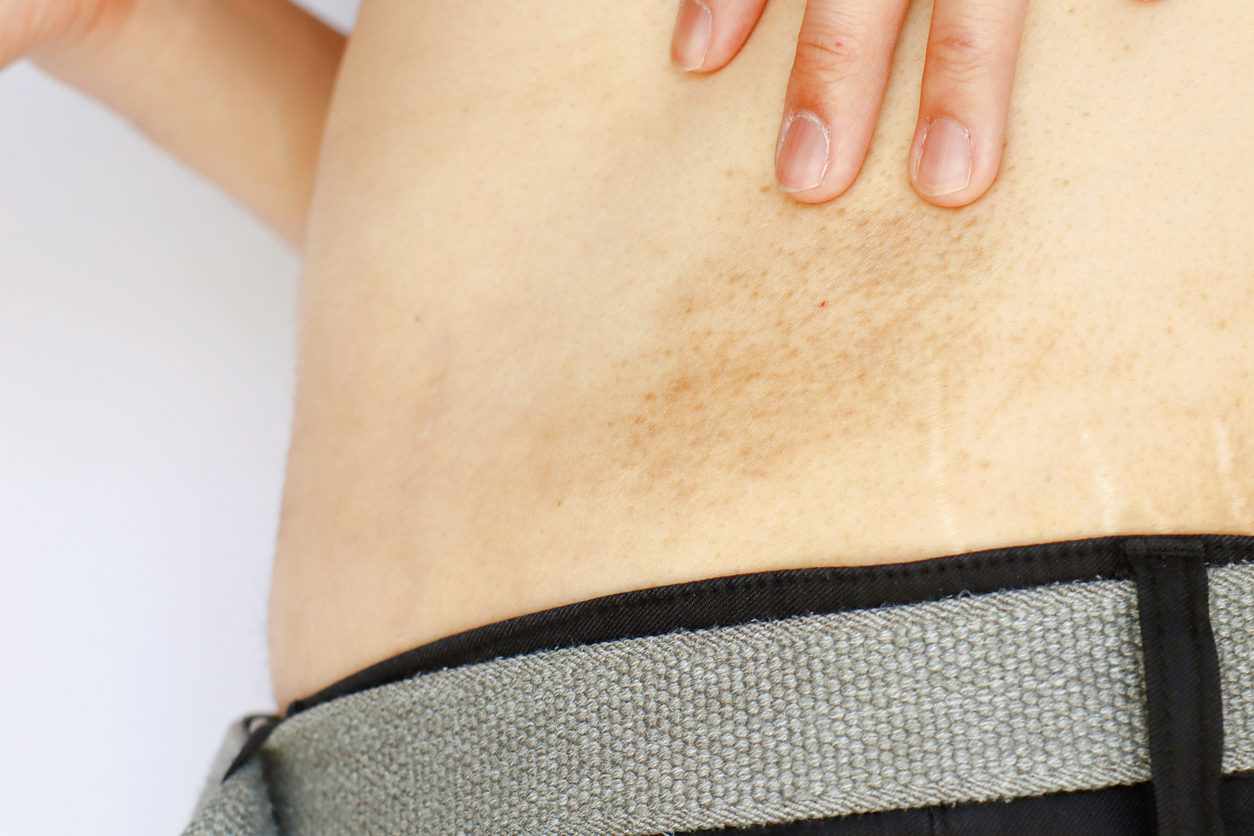
- Asymmetry or uneven contours: noticeable differences in shape between treated areas once swelling has settled.
- Indentations or ridges: sometimes associated with excessive fat removal.
- Skin discolouration or persistent numbness: which may suggest nerve irritation or damage.
- Infection or slow-healing wounds: especially if aftercare wasn’t followed closely or problems were missed during follow-up.
- Visible deformities: such as irregular shaping that may be the result of poor surgical technique.
If you notice any of these signs, it’s advisable to contact your surgeon as soon as possible. Acting early can make all the difference to both your recovery and your results.
Taking action if complications were your surgeon’s fault

If complications appear to be linked to your surgeon’s actions, you can take the following steps:
- Seek medical advice: consulting a medical practitioner or another surgeon for a second opinion can help clarify the situation. Their assessment, along with updated medical records, may form part of your evidence should you choose to pursue a claim.
- Collect evidence: This could include your communications with the surgeon, the advice they provided, copies of medical records, a diary noting your feelings during recovery, and invoices or receipts for any additional treatment you have required. All of this could be used to support your case if you decide to take legal action.
- Contact a specialist solicitor: by speaking to a solicitor experienced in cosmetic surgery claims, you can get advice from someone who understands the law and your rights. They can identify the evidence you need, gather further documentation and take steps to pursue a claim on your behalf.
Time limits on claiming compensation
You generally have three years to start a claim, counted from the date of your surgery or from the date you became aware that something had gone wrong. Acting within this timeframe is essential, as waiting longer could result in the loss of your legal right to seek compensation.
Should you experience preventable problems with your liposuction due to your surgeon’s actions, you may be entitled to seek compensation. Recognising potential warning signs can help you determine when it might be appropriate to take steps towards making a claim.