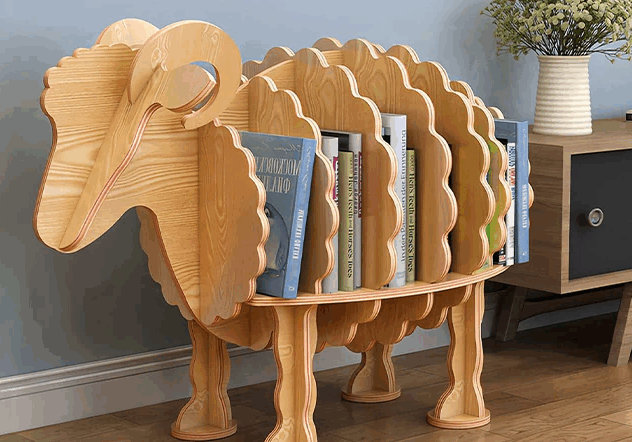

Laser Engraving in Everyday Life: Practical Uses, Creative Potential, and How to Choose the Right Machine
by Northern Life
In recent years, laser engraving has evolved from a niche industrial process into a widely accessible tool for designers, artists, hobbyists, and small businesses. Whether you’re personalising a wine glass, cutting intricate wooden decorations, or marking components for engineering, a laser cutter provides a fast, clean, and highly accurate way to bring your ideas to life.
This article explores the applications of laser engraving in everyday life, the various types of laser machines available, how to select the best home laser engraver, and how to utilise it to create beautiful, functional works of art.
What Is a Laser Cutter and How Does It Work?
A laser cutter is a machine that uses a concentrated beam of light to engrave or cut materials. Unlike traditional cutting tools, it requires no physical contact with the material. The result is a cleaner finish, finer detail, and greater creative flexibility.
Laser cutters operate by focusing the beam through a lens onto the material’s surface. Depending on the type of laser and the settings used (power, speed, and frequency), the machine can either etch the surface or slice through it entirely.
Understanding CO₂ and Fibre Laser Cutters: What Sets Them Apart
While both CO₂ laser and fibre laser cutter machines are powerful tools in the world of engraving and cutting, they are fundamentally different in terms of how they operate, what materials they handle, and where they’re most effective. Choosing the right one depends on the type of projects you plan to work on.
- CO₂ Laser Cutter: Versatile for Creative Materials
Rather than being a one-trick pony, the CO₂ laser offers excellent versatility, particularly when it comes to organic and synthetic non-metals. It operates using a gas-based laser source that emits a beam in the infrared spectrum. What makes it stand out is how well it interacts with everyday crafting materials like:
- Plywood and hardwood
- Cast and extruded acrylic
- Leather and fabric
- Paperboard and rubber
This makes it ideal for creating signage, art pieces, packaging prototypes, and home décor. CO₂ lasers also tend to produce smooth, clean edges on materials like acrylic, which is why they’re widely adopted in design studios and educational settings.
- Fibre Laser Cutter: Built for Speed and Surface Precision on Metals
A fibre laser cutter, by contrast, uses a solid-state laser source transmitted through flexible optical fibre. Its beam is more concentrated and highly effective on metal surfaces. Unlike CO₂ systems, which may require marking sprays for metal, a fibre laser engraves or marks metal directly, with no additional prep.
Common uses include:
- Precision marking on stainless steel or aluminium tools
- Deep engraving on metal nameplates and jewellery
- Serial numbers, barcodes, and data matrix coding
- Industrial part identification and branding
Fibre lasers also tend to have a longer operational life and require less maintenance, making them particularly suitable for busy production environments or businesses that handle high volumes of metalwork.
- Diode Lasers
Diode lasers are the most affordable and compact type, typically suitable for light engraving on soft materials like cardboard or thin wood. However, they are less powerful and not ideal for thick or high-density materials.
Where Are Laser Cutters Used in Everyday Life?
The versatility of laser engraving means it touches many aspects of daily life. From custom décor to practical tools, here are some common areas where laser technology is making an impact.
- Home Décor and Personalisation
Laser cutters are perfect for making customised décor items, including:
- Wooden name signs
- Acrylic LED lamps
- Etched glassware
- Decorative wall panels
A CO2 laser makes it easy to engrave quotes, monograms or artwork onto a wide range of materials, turning everyday items into meaningful, personalised pieces.
- Gifts and Custom Products
Engraved gifts always feel extra special. Many small businesses use laser cutters to create:
- Personalised keyrings
- Custom cutting boards
- Etched notebooks
- Wedding and event favours
These products are popular on platforms like Etsy, where personalisation increases both perceived value and customer satisfaction.
- Tool Labelling and Component Marking
In workshops and garages, laser engraving provides a clean and professional way to mark tools or machine parts. A fibre laser cutter can permanently engrave serial numbers or logos onto metal parts—ideal for inventory, branding, or security.
- Educational and STEM Projects
Schools, makerspaces and universities use CO2 laser machines to support STEM learning through:
- Model making
- Robotics components
- Architectural prototypes
- Scientific labelling
Laser engraving gives students hands-on experience with design, engineering, and material sciences.
- Art and Creative Expression
From etching fine art onto wood or slate to cutting paper into intricate designs, artists across various disciplines are utilising laser machines to bring their visions to life. A laser cutter enables an unmatched level of detail, repeatability, and precision, making it ideal for mixed media and limited-edition pieces.
Creating Art with a Laser Cutter
One of the most exciting aspects of owning a laser cutter is using it to create unique, handmade art. Whether you’re working in wood, glass, slate, or even layered paper, laser engraving gives you the power to:
- Reproduce delicate line drawings with incredible accuracy
- Cut layered pieces for shadowboxes and light fixtures
- Combine laser work with painting, calligraphy, or traditional craftsmanship
Artists often use a CO2 laser to bring digital artwork to life, combining the precision of technology with the warmth and soul of handcrafted design. You can also use it to make stencils, linocut blocks, or silk-screen templates.
Many creators find laser cutting not only productive but also deeply satisfying, watching their vision take shape with each pass of the laser beam.