


Landlord Safety Obligations
by Northern Life
Tenants rely on you to provide a secure home
Tenants rely on you to provide a secure home, and the law holds you strictly accountable for that trust. While yields and tenant vetting often dominate the conversation, the regulatory framework regarding safety forms the true foundation of a viable letting business.
Ignorance of specific statutes rarely convinces a judge, and the penalties for overlooking these duties can escalate from heavy fines to imprisonment. You safeguard your investment and your reputation by staying ahead of legislative changes rather than reacting only when equipment fails.
A proactive approach to maintenance prevents minor issues from becoming dangerous hazards.
Gas and Heating Safety: Annual Checks & Certification
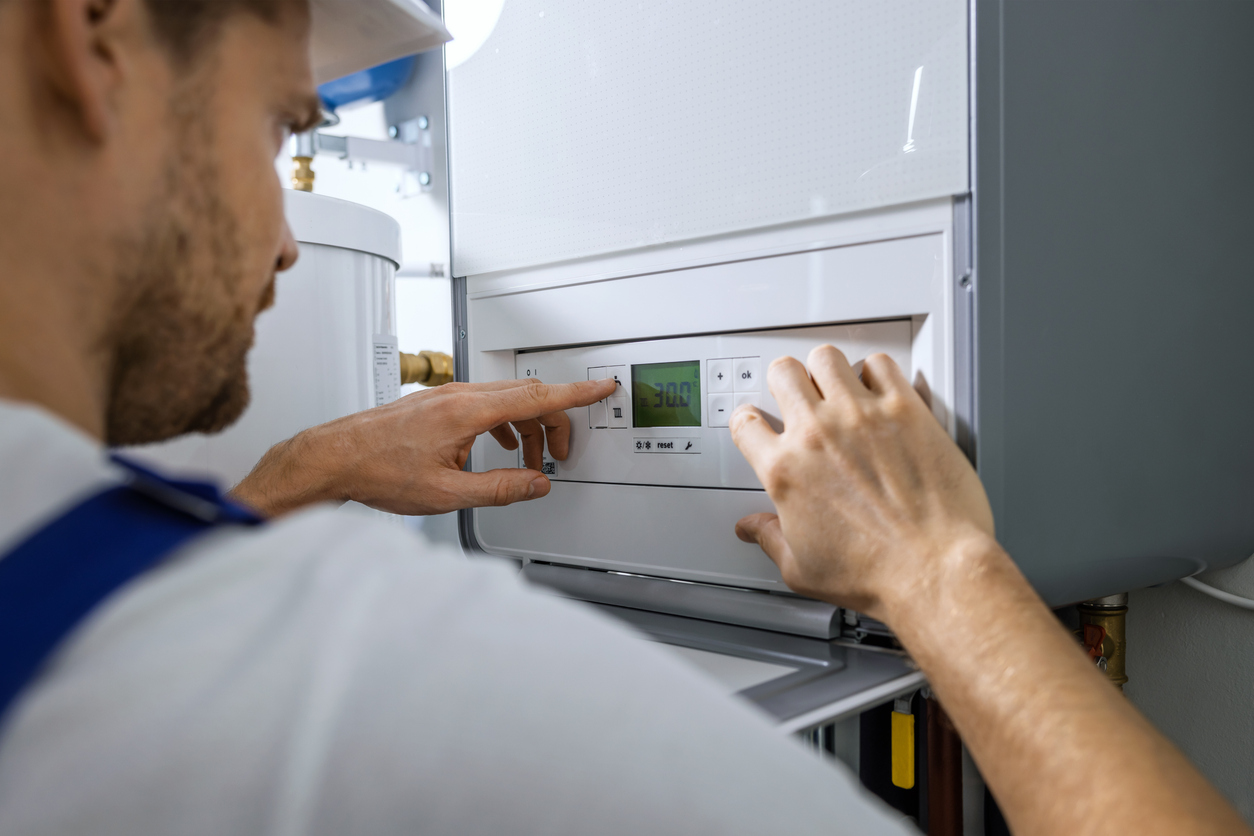
A Gas Safe-registered engineer must examine every gas appliance and flue in your property annually to ensure they operate safely. This inspection generates the Landlord Gas Safety Record (CP12), a vital document that you provide to existing tenants within 28 days of completion and to new tenants before they take up residence.
Even when you invest in efficient new boilers, the law demands you subject them to these rigorous annual checks to ensure installation flaws or manufacturing defects cause no harm.
You must keep these records for at least two years to prove a consistent history of compliance if a local authority ever investigates your management practices.
Smoke and Carbon Monoxide Alarms: What You Must Provide & Maintain
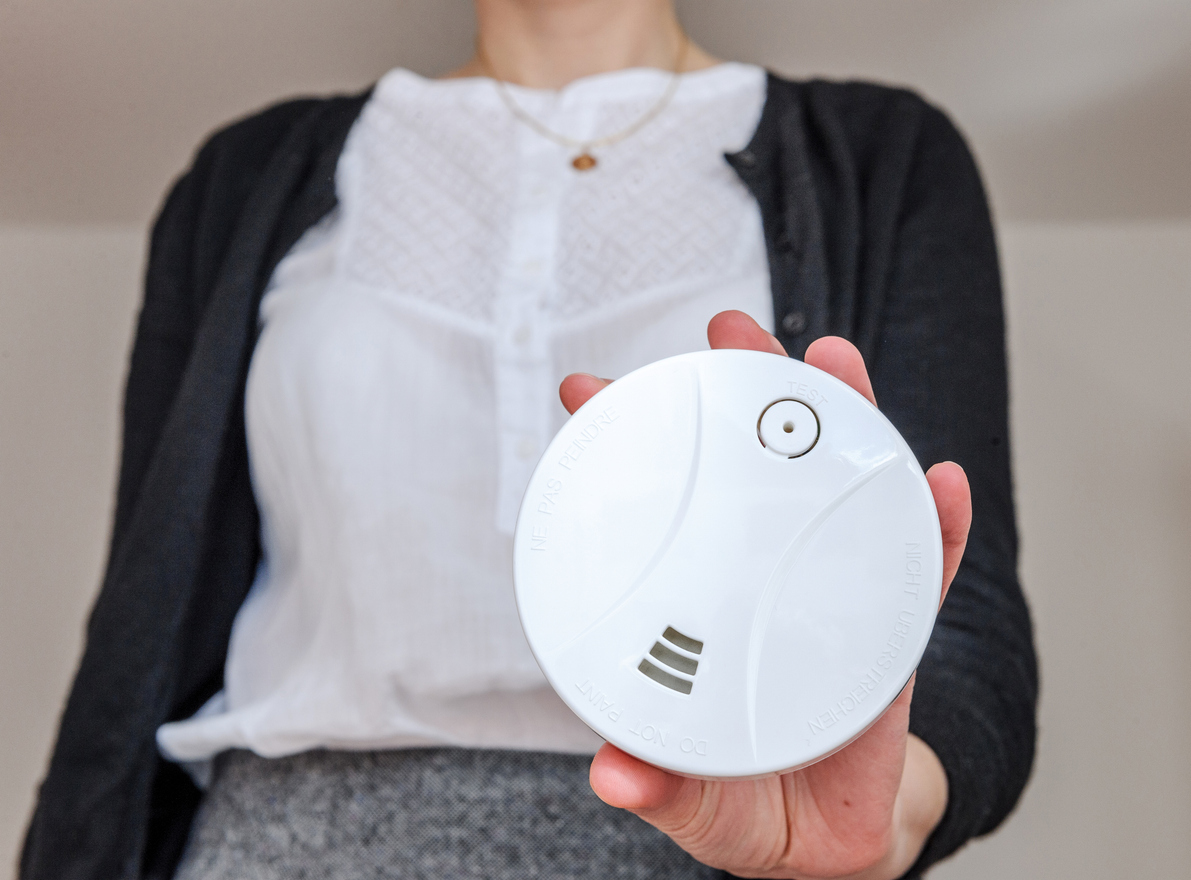
Legislation requires you to install a fully operational smoke alarm on every storey of the property used as living accommodation. You also need to place a carbon monoxide alarm in any room containing a fixed combustion appliance, such as a wood-burning stove or a gas boiler.
While tenants usually handle battery replacement during the tenancy, you hold the responsibility for proving the alarms work on the very first day of the contract.
Check these alarms manually and document the result before handing over the keys.
Electrical Safety & General System Integrity
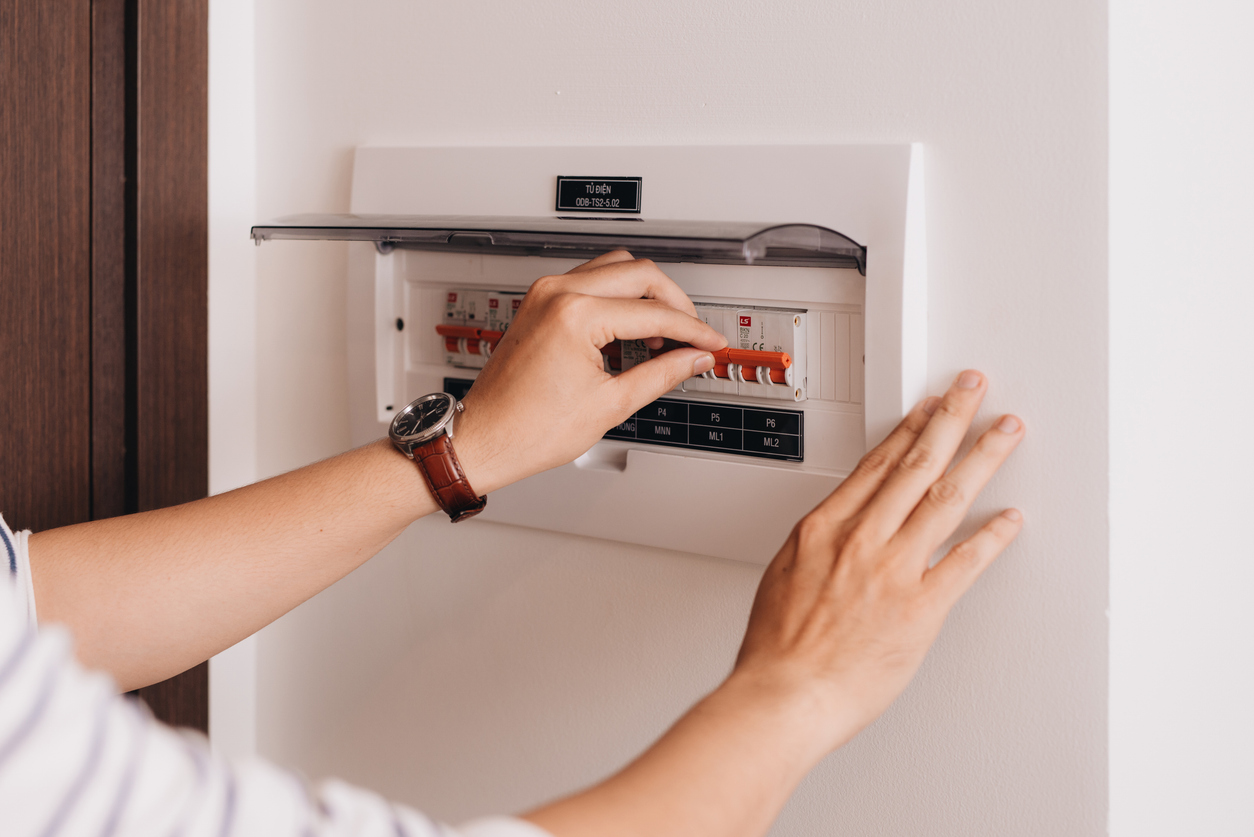
A qualified electrician must scrutinise the fixed electrical installation at intervals of no more than five years to produce an Electrical Installation Condition Report (EICR). This professional assesses the wiring, fuse board, and earthing for potential risks such as overheating, overloading, or defective insulation. You are to supply a satisfactory report to current tenants within 28 days and to the local housing authority within seven days if they request it.
If the report identifies urgent remedial work, you must engage a competent person to fix the issues within the specified timeframe to mitigate the danger.
Fire Safety, Furnishings and Fit-for-Human-Habitation Standards

The Furniture and Furnishings (Fire) (Safety) Regulations dictate that all upholstered items you supply, from sofas to mattresses, must carry permanent labels proving ignition resistance.
Beyond fire risks, the Homes (Fitness for Human Habitation) Act obliges you to keep the property free from hazards such as severe damp, black mould or inadequate ventilation throughout the lease.
You must ensure the dwelling remains habitable by addressing structural defects and ventilation issues immediately upon discovery. Prioritise clear communication with tenants to identify these habitability issues early.