
Lancashire’s Answer to an Italian Favourite: Morecambe
by Graham Dugdale
Graham Dugdale pays tribute to a glorious haven for Twitchers
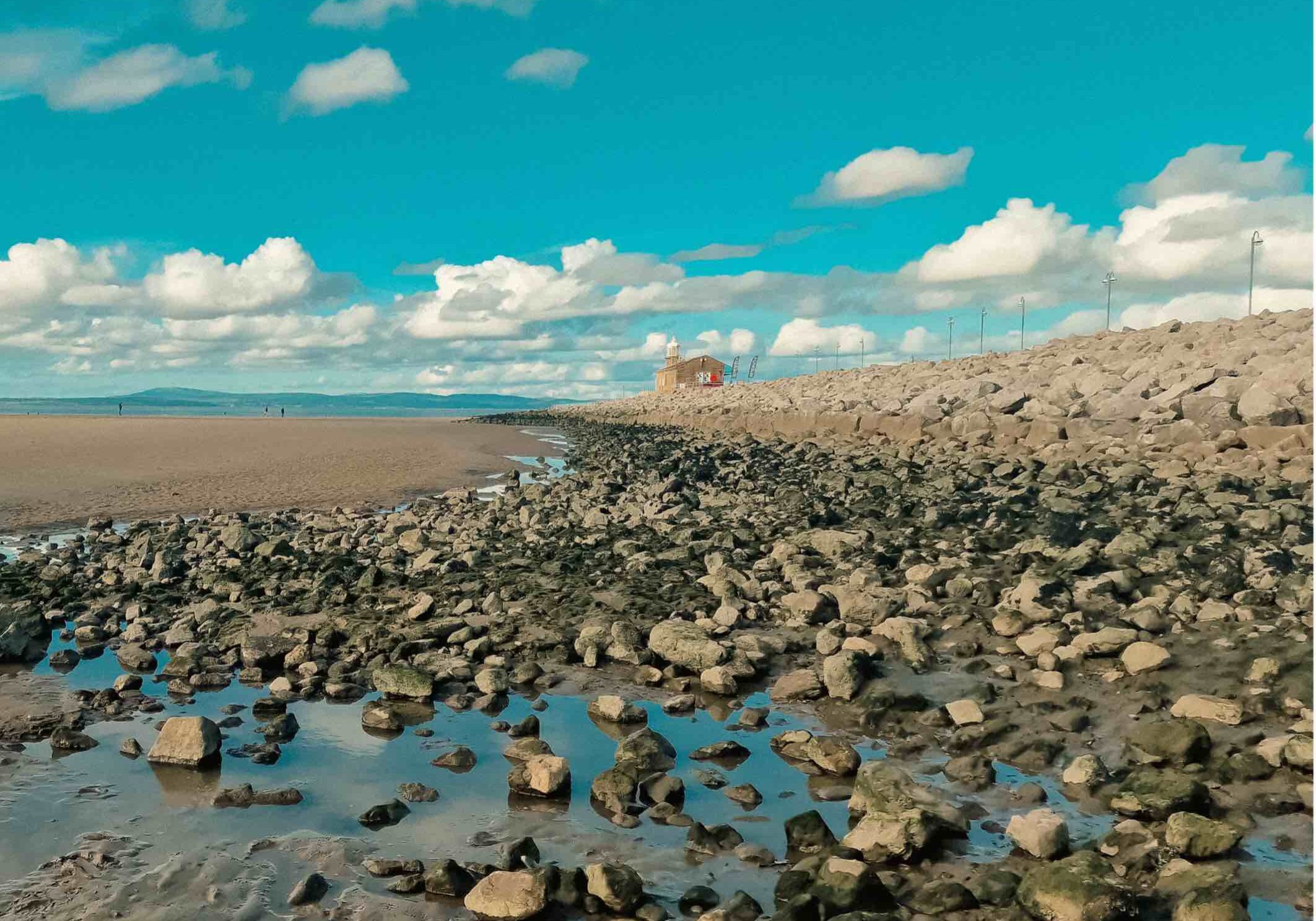
Nobody who visits Morecambe, especially on a fine sunny day, can fail to be overawed, mesmerised even by the sheer beauty of the scenic splendour of the Bay observed from the promenade fronting this renowned seaside resort. Not even the more celebrated Bay of Naples with its stunning backdrop of Mount Vesuvius can eclipse our very own reply in the form of the English Lake District. It might seem inappropriate to compare this Lancashire town with the romantic aura of Sorrento. But with blue sky and drifting bolls of cumulus dusting the distant peaks, I, for one, having visited the Italian haven, am always enthralled.
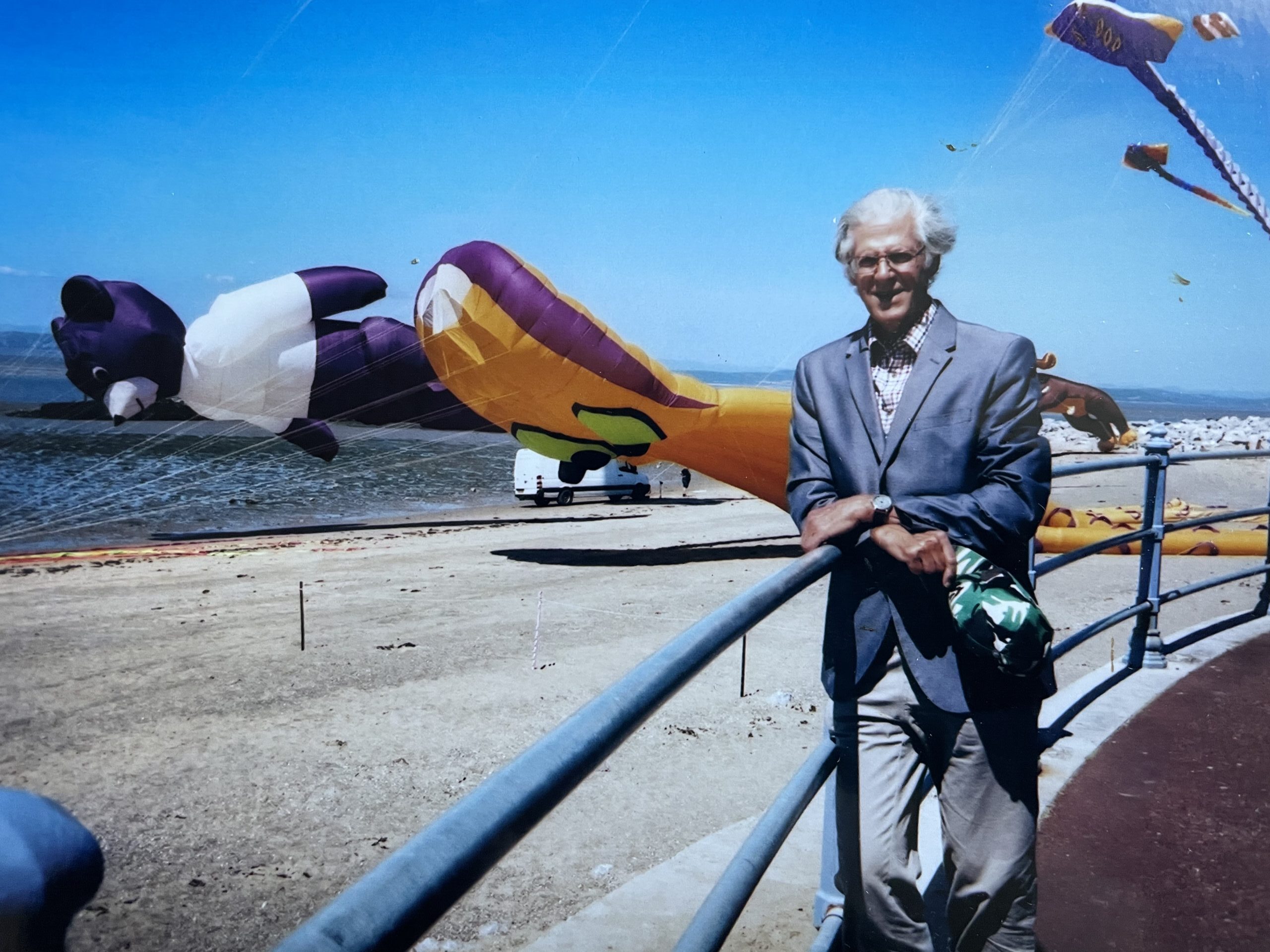
Graham Dugdale
From the town’s revamped promenade, the awesome configuration of the mountains offers a jaw-dropping sight as splendid as the sculpture of its most famous son, Eric Morecambe, performing his unique end-of-show dance. Is it any wonder, therefore, that such an unequalled allure has encouraged the proliferation of many caravan parks around the edge of the Bay. And not only have human visitors been drawn to this enchanting locale.
It has become an important estuarine habitat for migrating birds who pause here for a refuelling stop on their biannual journey between Canada and South Africa. Known as the ‘East Atlantic Flyway’, millions of birds such as the oystercatcher, curlew, dunlin and redshank use it. Botanists also come here to study the salt marsh flora. This emphasis on the natural beauty of the area has been taken up with gusto by the city council, with numerous ornithological sculptures dotted along the promenade.
“Known as ‘Venus and Cupid’, it has been described as ‘Love, the most beautiful of absolute disasters’”
Another prominent sculpture is to be found at the northern edge of the town, where strong rocky breakwaters and armouring have been erected to combat the hammering of the waves that once caused flooding of the promenade residences. To celebrate the resounding success of this protection, a splendid mosaic sculpture by Shane Johnstone was erected in 2005 on what was formerly a wartime gun emplacement. Known as ‘Venus and Cupid’, it has been described as ‘Love, the most beautiful of absolute disasters’. Work that out if you can.
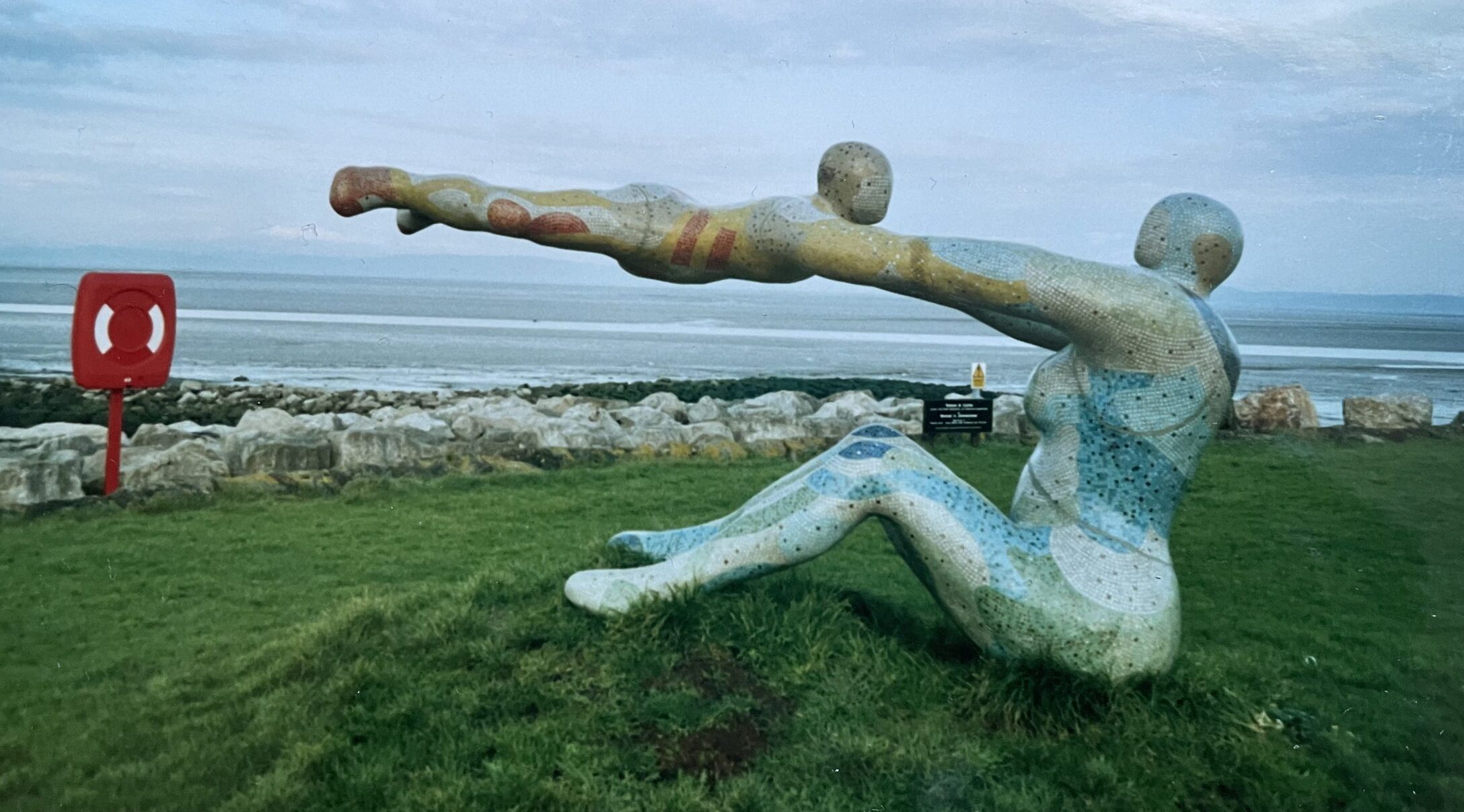
Venus and Cupid by Shane Johnstone
Having eulogised over the idyllic nature of Morecambe Bay, it needs to be emphasised that extreme danger from unpredictable tidal flows and quicksands is ever-present. The most tragic illustration of this was the death of twenty-one cocklers caught out by the inrushing tide in 2004. Another sculpture entitled ‘Praying Shell’ has been erected on the cliff top above Red Bank Farm at Hest Bank, overlooking the infamous site of the calamity.
“Cedric Robinson once described the right-of-way as ‘the most dangerous highway in Britain’”
Hest Bank itself lies at one end of a public right-of-way crossing the Bay from Kents Bank on the Cumbria side. This was designated following the drowning of sixteen travellers in 1325, after which the king appointed an official guide. Being responsible for the safe conveyance of all wayfarers and carriages, he was paid a yearly stipend of £15, a vast sum at the time, which still holds today. In the late 18th century, a coaching service was introduced, operating three times a week between Ulverston and Lancaster. This ceased abruptly once the railway line through to Barrow was opened in the 19th century.
The most well-known guide in recent times is Cedric Robinson, who finally retired in 2019 after 56 years of service. In 1996, he received an honorary MSc from Lancaster University for his unceasing efforts, not only as a guide but also for compiling detailed reports on the shifting nature of the sands. Perhaps his most famous personage was Prince Philip in 1985, driving a horse-drawn carriage.
In view of the potential danger, nobody should ever attempt the crossing on their own. Cedric once described the right-of-way as ‘the most dangerous highway in Britain’. So always ensure that you join an escorted trip led by a recognised guide. It is a one-way trip returning to your starting point by means of the coastal railway, a scenic journey in its own right.
“The felon’s body was gibbeted on nearby Hanging Green for two years as a deterrent to other such poltroons”
A few hundred yards inland from the highway’s Morecambe side of the bay lies the Hest Bank hotel. The projecting room overlooking this starting point of the walk is called the lantern turret. That was where a light was placed in the old days to guide parties crossing the bay in inclement weather. A hot meal and a bed for the night were doubtless welcomed wholeheartedly by weary travellers. First licensed in 1554, it was then called the Sands Inn. In addition to the sale of such Elizabeth libations as mead, sack and honey beer, cockfights were held here each week.
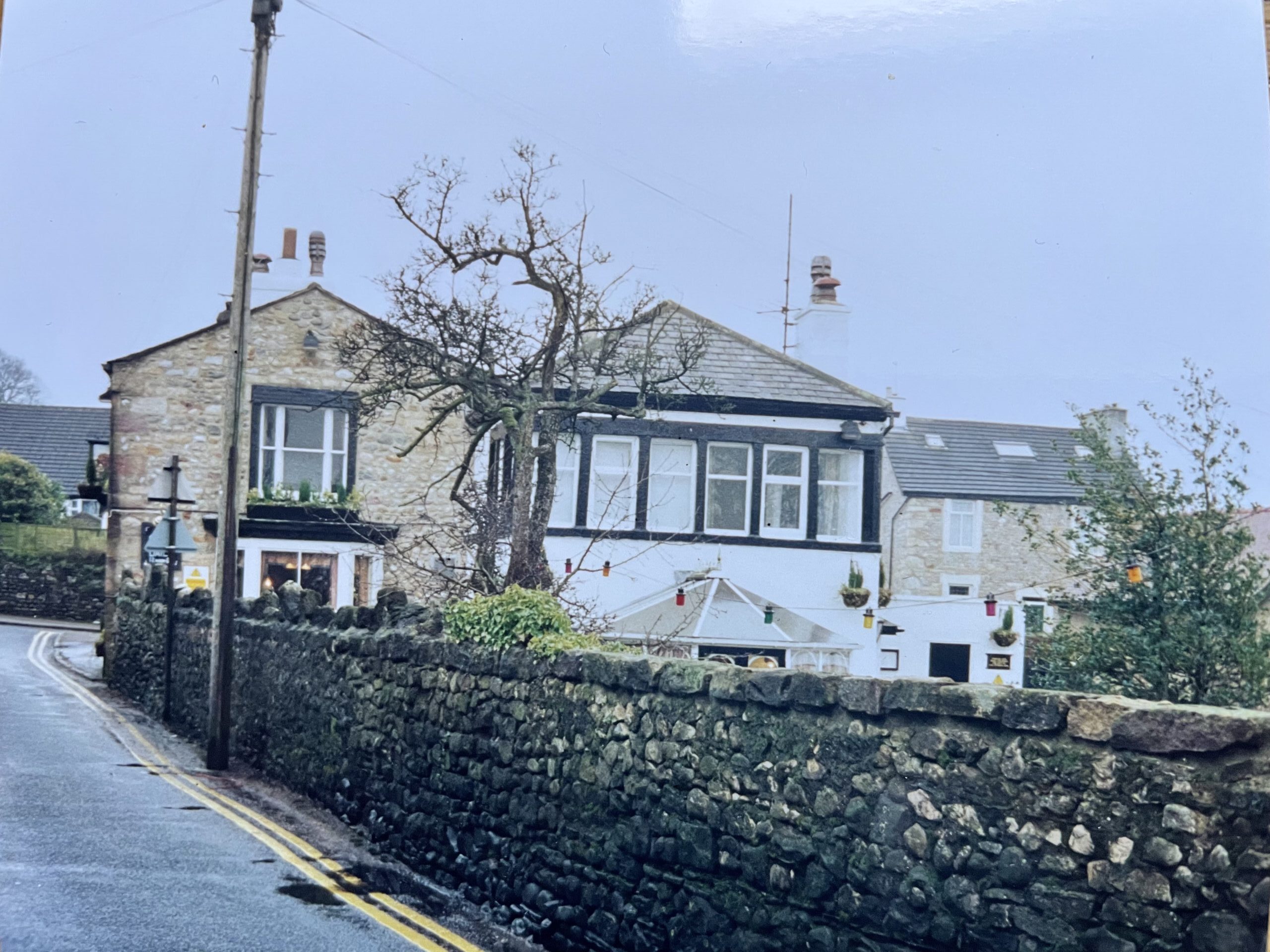
The Hest Bank Hotel
In the 18th century, the inn became a haunt for rascally highwaymen. The story is told of one brigand wearing a green coat who ransacked a passing haulage wagon. Every man in the vicinity, including the innkeeper, found to be sporting a green jacket, was arrested and held in Lancaster Castle until the wagon driver identified the culprit. Another incident in 1792 was the shooting of the landlord by a footpad called Edmund Grosse. After being found guilty, the felon’s body was gibbeted on nearby Hanging Green for two years as a deterrent to other such poltroons.
On the opposite side of the bay lies the genteel town of Grange-over-Sands. Somewhat unfairly regarded as a more refined, upmarket town than Morecambe, the Edwardian influence of Grange is very much in evidence to this day. The Ornamental Gardens Lake, affectionately known locally as the ‘Duck Pond’, is fed by constantly flowing spring water such that it never runs dry. A delight to walk around, it is home to a wide variety of birdlife, the principal inhabitants being geese, mallards and gulls. Afterwards, a splendid wander along the elongated promenade offers fine views across the Sands.
Moving further, beyond the once-thriving port of Greenodd, a distinctive 450-foot-high monument built in the form of a lighthouse known as the Hoad stands proudly above the coastal road. Built in 1850, it is a memorial to local dignitary Sir John Barrow, who was a founding member of the Royal Geographical Society. Thereafter, we come to the market town of Ulverston, which received its royal charter in 1280.
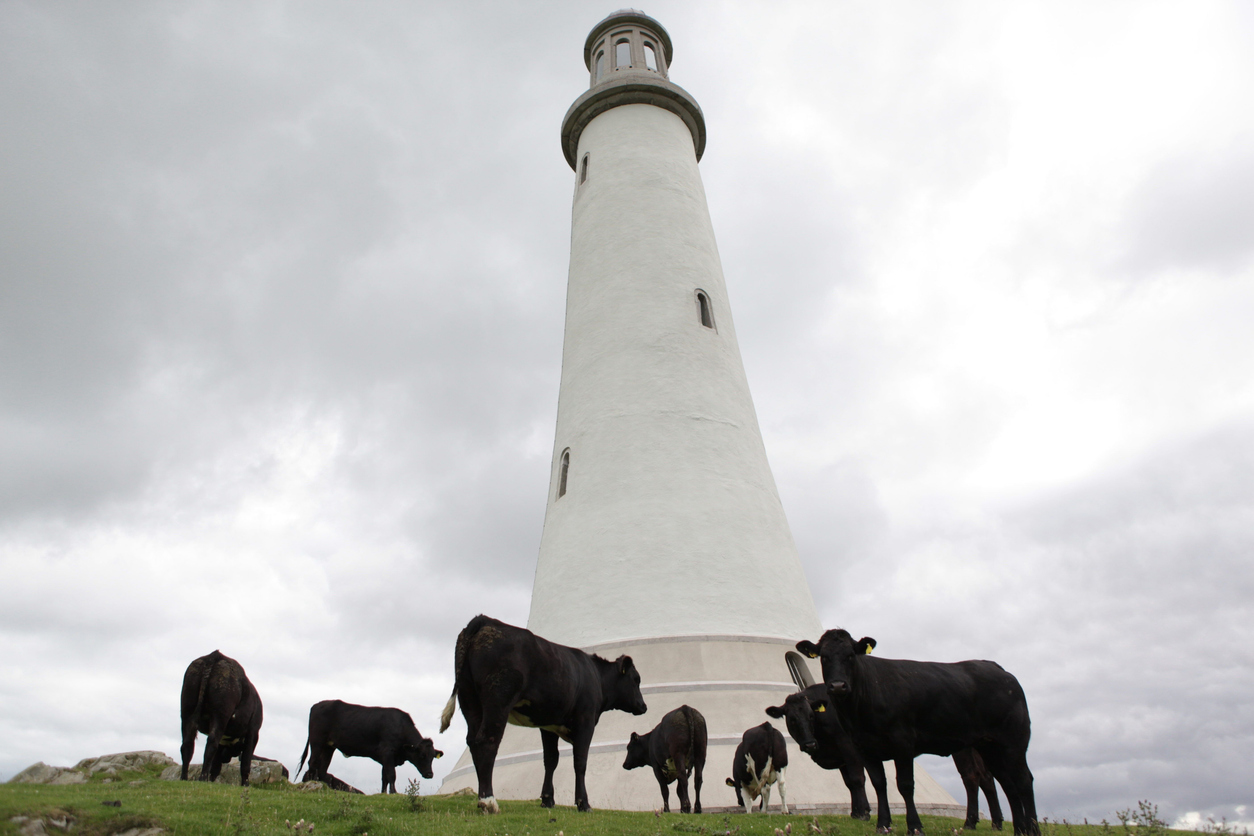
Hoad Monument
Today, the town is most fondly remembered as the birthplace of Stan Laurel, one-half of the famous comedy duo Laurel and Hardy. A statue erected in 2010 and dedicated to the comical pair is to be found outside the Coronation Hall. Found alongside them is a dog called Laughing Gravy, who appeared in three of their films—a reference to America’s prohibition era and slang for liquor. And don’t forget to visit the nearby museum extolling the talent of the boys. It is certainly worth a visit.
And so we reach the northern edge of Morecambe Bay at the industrial town of Barrow-in-Furness, well known for its building of submarines. And just beyond is Walney Island, with its nature reserve famous for the rare proliferation of Natterjack toads. From this extreme point, you can look across to the far side where the fishing port of Fleetwood forms the bay’s southern pincer.
On this side of the bay, you are now in Cumbria, which was a part of Lancashire until boundary changes in 1974. The Lancashire Heritage Society still recognises this original configuration on the 27th of November each year, the day when the county was first established by King Edward 1 in 1295. So the next time you feel like a day out, why not visit this unique feature of our Lancashire coastline? But make sure it is on a day when the sun has got his hat on.
NorthernLife June/July/Aug 25