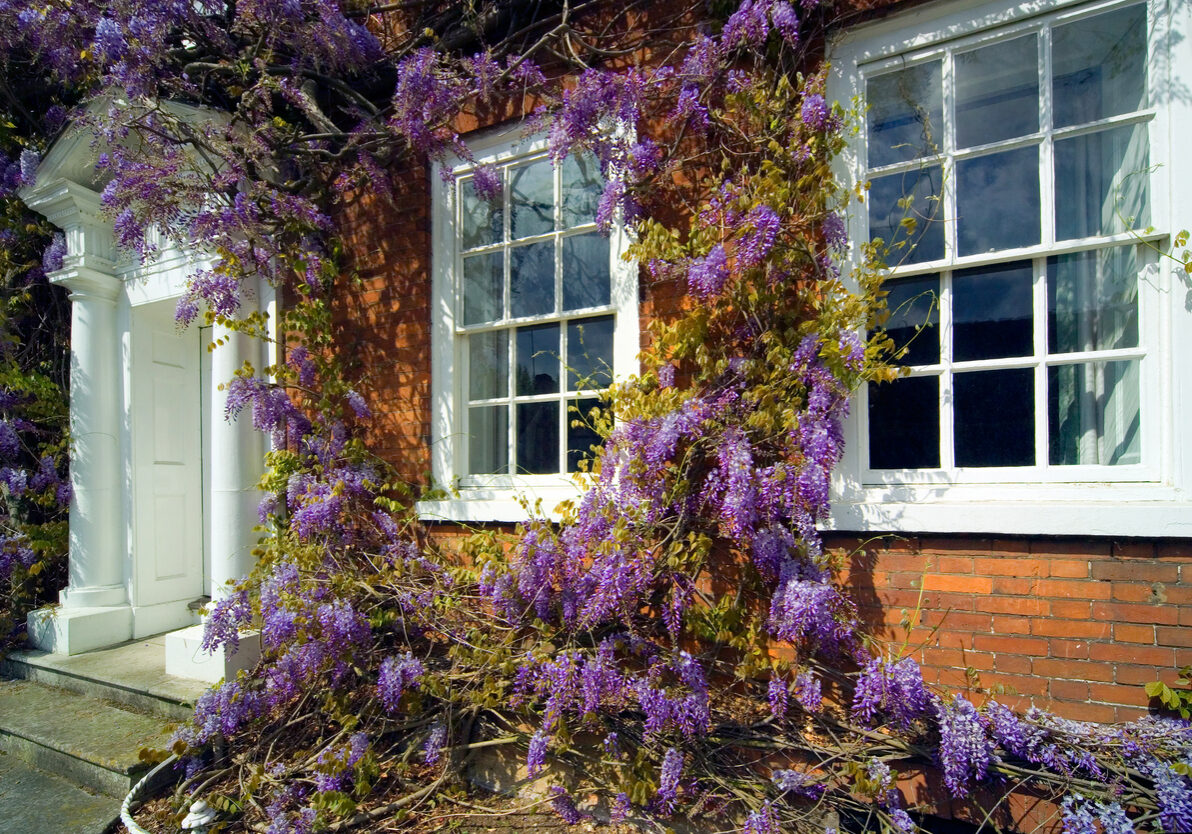

Is Double Glazing a Good Option for Old Sash Windows?
by Northern Life
Double glazing can be a highly effective and visually sympathetic way to upgrade old sash windows
Yes — when approached thoughtfully, double-glazing old sash windows can dramatically enhance energy efficiency and comfort while preserving the original character of your home. With slim-profile glazing and careful reglazing methods, it’s possible to retain the charm of heritage properties and meet modern insulation standards.
Sash windows are one of the most defining features of period homes, prized for their elegance, proportions, and craftsmanship. However, they were never designed with modern energy efficiency standards in mind. As energy costs rise and environmental awareness grows, homeowners are increasingly exploring ways to insulate their historic properties — and double glazing old sash windows has become a widely discussed option. But is it the best route?
This article explores whether double glazing is suitable for original sash windows, what alternatives exist, and how to approach upgrades without compromising historical value.
The Appeal and the Problem with Traditional Sash Windows
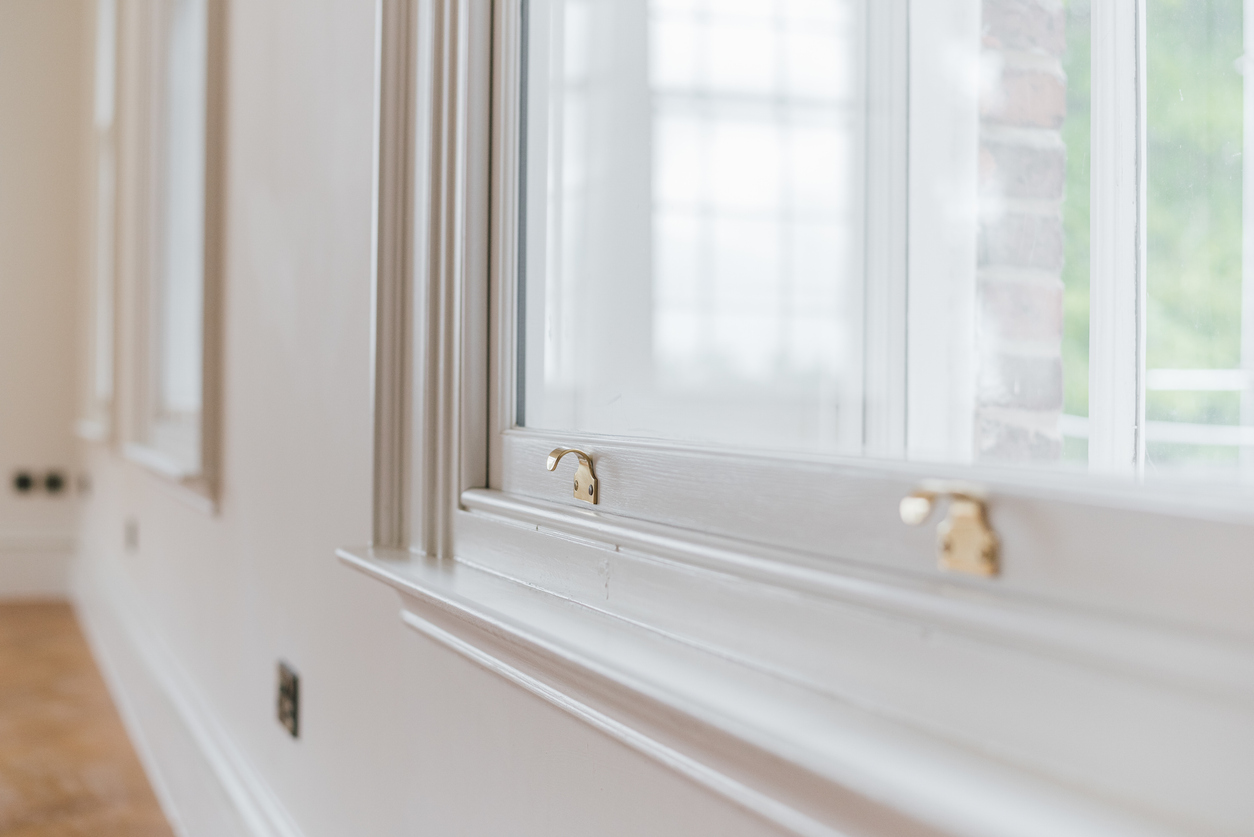
Traditional sash windows — typically single-glazed with timber frames — allow significant heat loss, draughts, and condensation. While their beauty and heritage value are undeniable, their thermal inefficiency can be a source of frustration. Yet completely replacing them with modern windows can ruin a home’s character and even violate planning rules in listed buildings or conservation zones.
So, how can you enjoy better comfort and energy savings without sacrificing originality?
The Case for Double Glazing in Period Sash Windows
Modern double-glazing old sash windows isn’t the same bulky solution used in uPVC windows. Today’s slimline or vacuum-sealed double-glazed units are designed specifically to fit within existing or replica timber frames, preserving sightlines and frame depth while drastically improving insulation.
Benefits include:
- Better thermal performance – lower U-values reduce heat loss
- Soundproofing – modern glazing provides noticeable noise reduction
- Condensation control – warmer internal glass surfaces reduce moisture buildup
- Improved comfort – fewer draughts and cold spots in your living space
You can still enjoy modern comfort while preserving classic aesthetics — double glazing old sash windows allows you to improve insulation without compromising the original charm of your sash frames.
Reglazing: A Smarter, Less Invasive Upgrade
If your sash windows are still in good condition, complete replacement isn’t necessary. Instead, reglazing—replacing the single pane with slim double-glazed units—offers a sympathetic way to increase efficiency.
This method retains the original box frame and opening mechanism while discreetly adding modern performance. Proper reglazing should always be carried out by professionals familiar with heritage work. Scott James Sash Windows Reglazing Specialists offer bespoke solutions for period homes, ensuring that glazing upgrades match the existing style and comply with local regulations.
Retrofitting and Sash Window Insulation
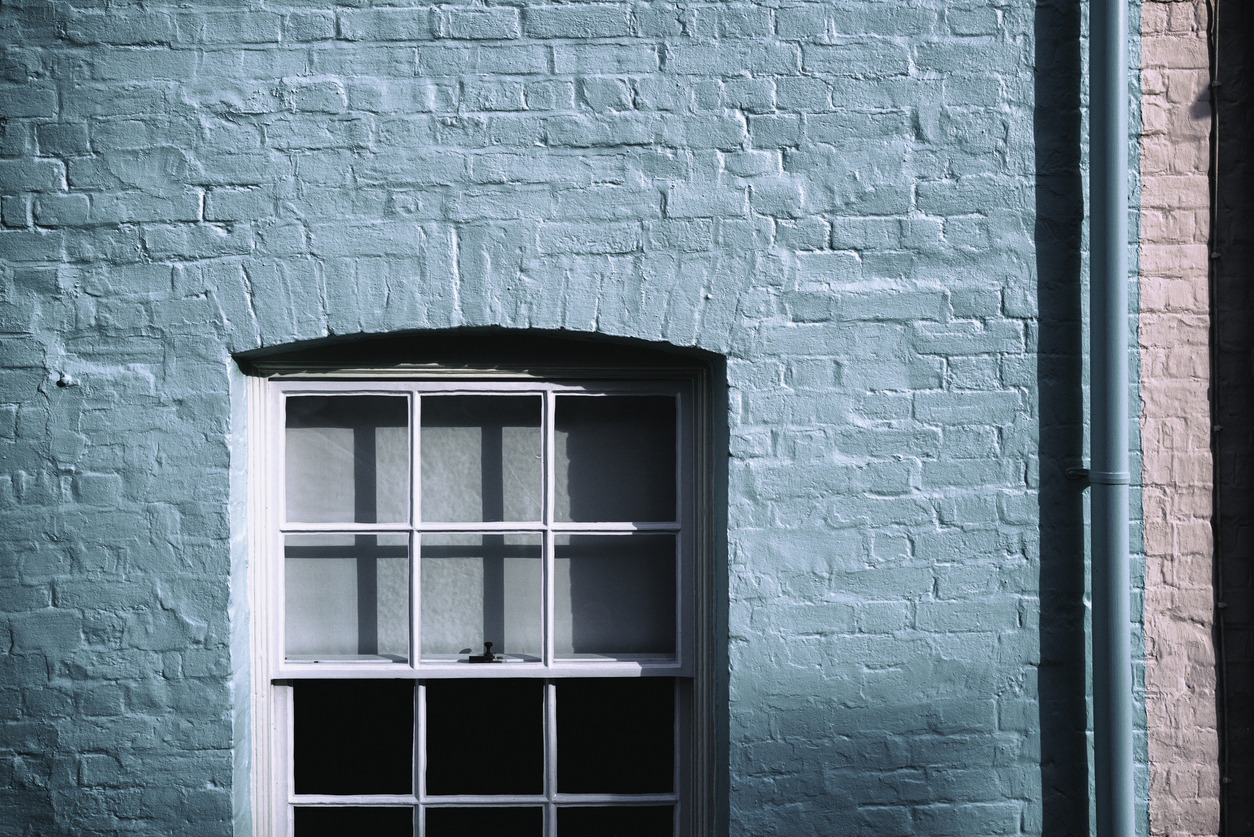
In some cases, homeowners might opt for retrofitting sash windows with additional insulation elements rather than replacing the glass. This could include draught-proofing seals, brush strips, and frame restoration. When combined with glazing upgrades, these enhancements form a comprehensive sash window insulation strategy.
Some properties — especially listed ones — may restrict visible changes. In such cases, secondary glazing (a discreet internal panel) can complement the sash window, preserving the external façade while enhancing comfort.
Whether retrofitting or reglazing, ensure that repairs to the timber, sash cords, and counterweights are carried out simultaneously for a complete sash window energy upgrade.
Challenges and Considerations
While upgrading to double glazing offers clear benefits, there are challenges:
- Planning restrictions – heritage homes often need permission for visible changes
- Cost – slimline double-glazed units and expert labour are more expensive than mass-market options
- Aesthetic mismatch – poorly chosen glazing can ruin the proportions and glazing bars of original sashes
- Potential frame modification – older frames may require a minor adjustment to fit thicker units
For these reasons, expert advice is essential when working on heritage window restoration. The goal is not just energy savings but maintaining the soul of the building.
Energy Efficiency and Traditional Values Can Coexist
A well-executed glazing upgrade can make energy efficiency in traditional windows a reality. Research has shown that combining double glazing with draught-proofing can reduce heat loss by up to 70%. This means lower heating bills, a smaller carbon footprint, and better year-round comfort.
While replacement might seem like a more straightforward path, it’s rarely the best long-term solution. Original timber windows, when properly maintained, can last significantly longer than modern alternatives and add substantial value to your home.
While improving insulation with double glazing is a significant step, it’s also crucial to protect older properties from moisture issues. Working with experienced damp proofing specialists can help prevent long-term damage caused by wet, condensation, or rising moisture, ensuring the home remains energy-efficient and structurally sound.
Conclusion
Double glazing can be a highly effective and visually sympathetic way to upgrade old sash windows — but only when done with care, craftsmanship, and historical awareness. Reglazing sash windows, combined with thoughtful sash window insulation and frame restoration, offers the best balance between efficiency and preservation.
Before committing to any structural changes, it’s essential to assess all available options — including reglazing, retrofitting, or secondary glazing — to ensure that upgrades respect the building’s heritage while delivering long-term comfort and energy savings.