

Interior Elements That Can Make or Break a Space
by Northern Life
Subtle details like how light flows and how furniture is arranged are what make a space – it’s no wonder the interior sector is set to hit £1.9 billion in revenue in 2026. Whether you’re revamping your living room or styling your bedroom, small changes in key areas can completely transform the atmosphere. These elements are the key to transforming your cramped and cluttered nightmare into a relaxing haven. Let’s explore the most impactful ways to enhance your home.

Lighting Sets the Mood
The right light can make a space feel warm and inviting or bright and energising. Rather than relying solely on ceiling lights, experiment with layered lighting. Use task lighting for specific activities, such as table lamps for reading, and ambient lighting for an overall glow. Pendant or floor lamps can add a sense of style, while dimmable lights let you adjust the mood for different occasions. By combining natural light with various artificial sources, you can control the energy of the room.
Windows Shape the Space
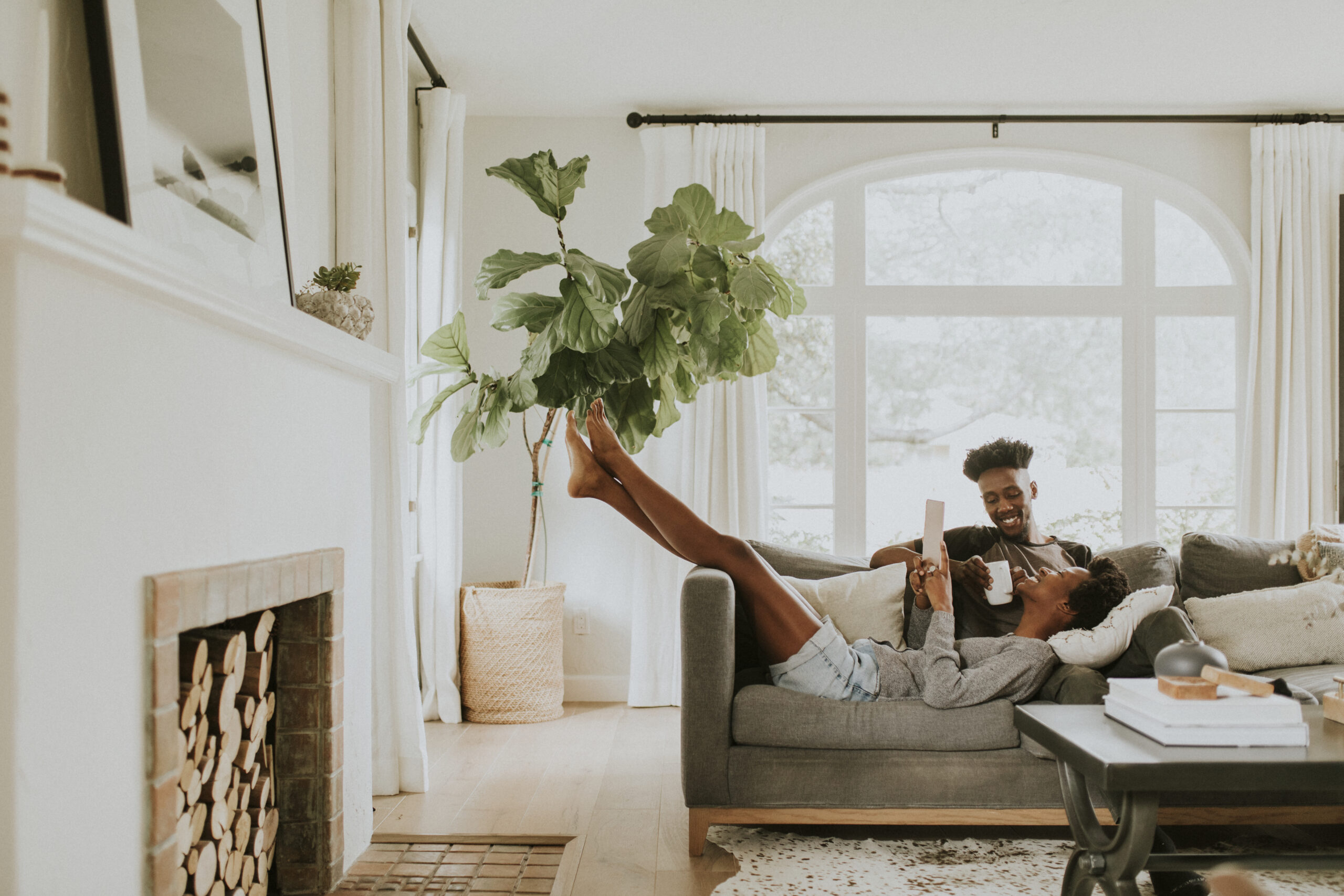
Large windows can make a room feel more open and airy, while smaller ones can create a more intimate, cosy atmosphere. The right window treatments, like curtains, can further shape the room. High-quality, heavy curtains also offer warmth and privacy, while lighter fabrics can keep a room feeling spacious. Additionally, hanging curtains from floor to ceiling can make a room taller and more elegant. Pay attention to how much light you let in to avoid it being overwhelming.
Texture and Layering Bring Warmth
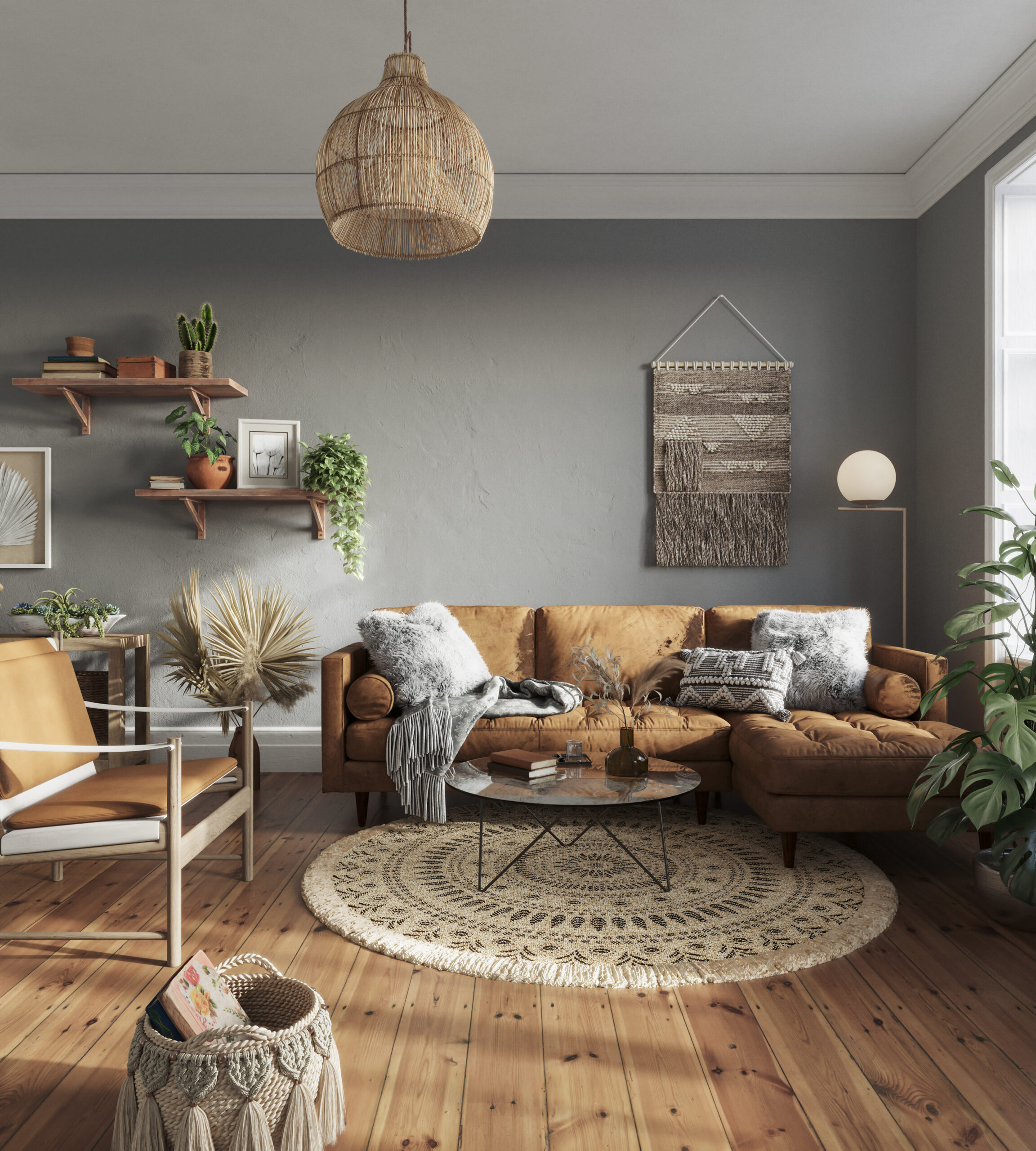
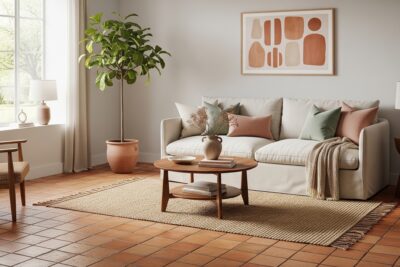
Mixing soft and hard textures—such as a velvet cushion on a leather sofa or a woven rug on wooden floors—adds depth and richness to your room. Layering different materials, like linen and cotton, makes the room more tactile and inviting. These minor adjustments bring warmth and comfort, making a space feel lived-in. Don’t be afraid to experiment with different textiles to balance visual appeal and comfort.
Proportion and Flow Create Balance
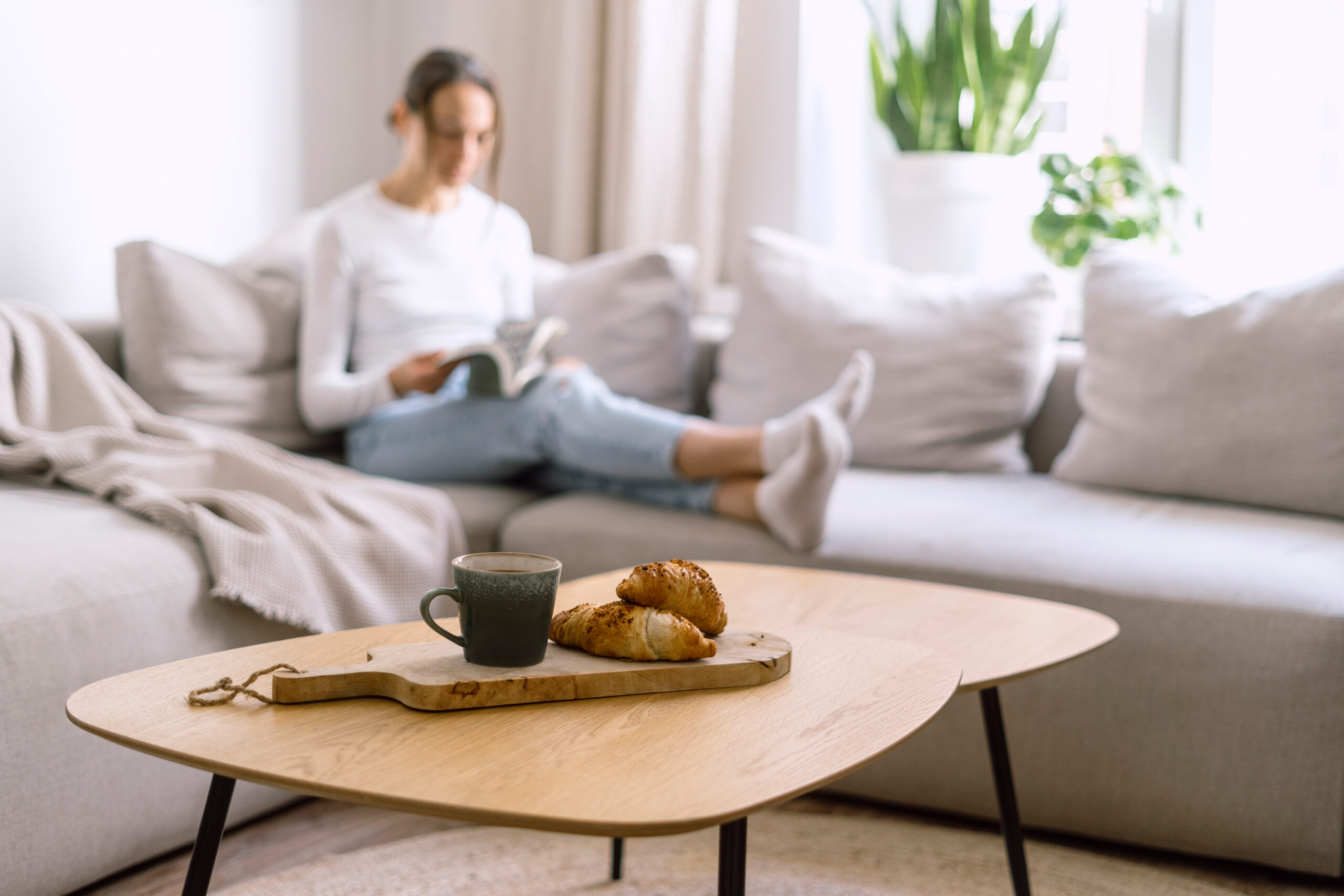
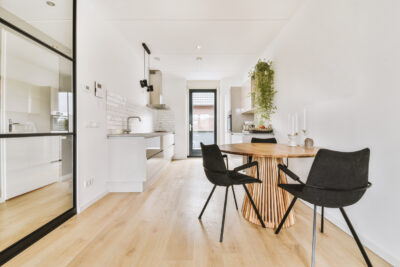
Overcrowding a room with too many large pieces can make it cramped. Conversely, sparse arrangements can leave a room feeling empty. Ensure there’s enough space between furniture to allow for easy movement—group pieces in a way that promotes conversation and balance. For example, placing sofas around a coffee table makes the space more connected. A well-thought-out layout can change an area from cluttered to calm.
Creating Spaces That Feel Right

Ultimately, interior design crafts an area that resonates with the people who inhabit it. The beauty of design lies in its ability to reflect your personal style while maintaining a sense of balance and comfort. Strategic changes improve aesthetics and create environments that nourish your wellbeing. So, whether you’re embarking on a complete redesign or making subtle tweaks, remember that the details are what make all the difference.