

Inside the Massage Routine Trusted by Top UK Footballers
by Northern Life
How this routine works and why so many athletes trust it
Recovery shapes performance more than most people realise, since tight muscles slow reactions and increase injury risk. Footballers depend on consistent physical care because each match places pressure on their joints, soft tissue, and in turn, their movement patterns.
A structured massage routine offers a reliable way to manage this stress and supports long-term resilience without relying only on rest. Keep reading to understand how this routine works and why so many athletes trust it.
Professional Assessment
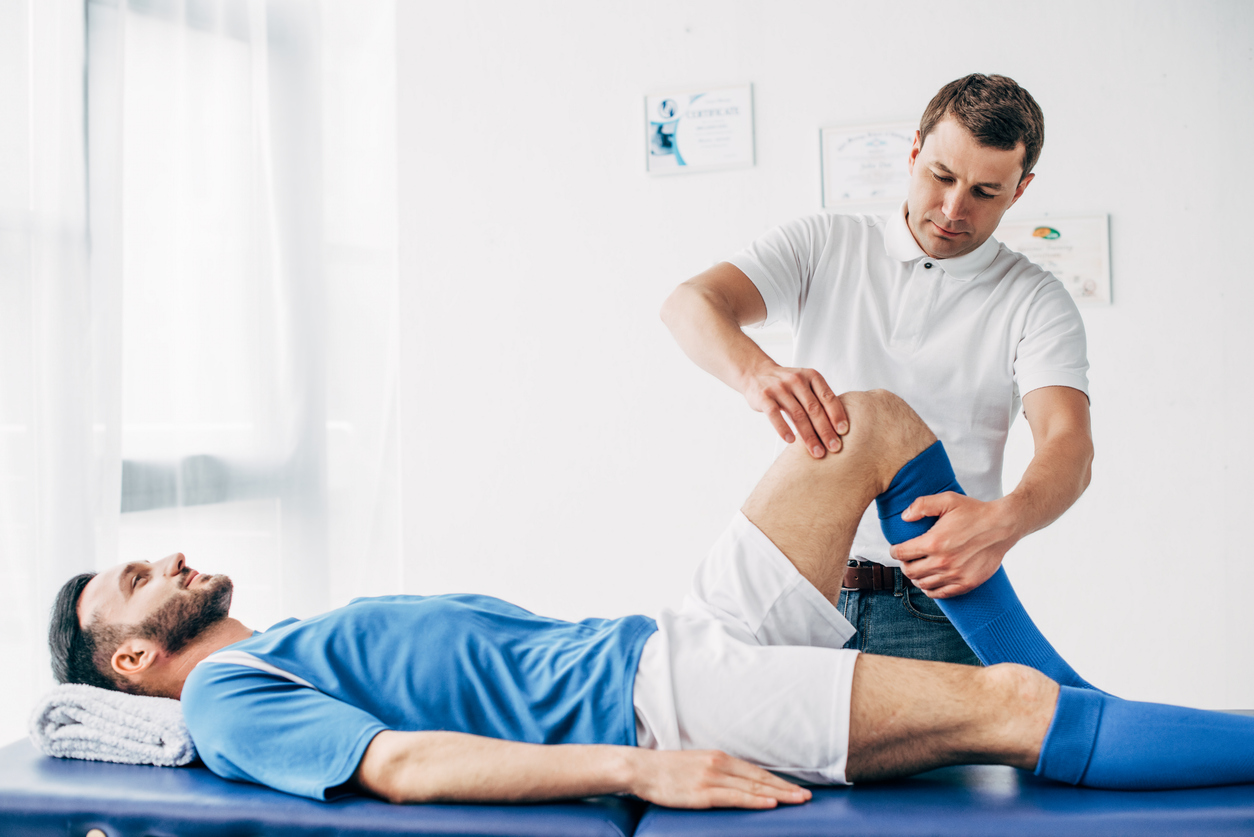
Every session starts with a short assessment that helps identify what your body needs most. You’re asked about recent training loads, old injuries, or any new discomfort that might affect your movement.
This early discussion guides the entire routine by highlighting which muscles are overloaded and which joints feel restricted.
If you have an old injury or have any trouble recovering from playing sports, give professional sports massages in London a try and see if their expert opinion can help you play pain-free. This type of professional assessment helps spot patterns that often appear in football, such as tight hip flexors, reduced ankle mobility, or lower back strain from sudden rotation.
Why Footballers Rely on Targeted Deep Tissue Work
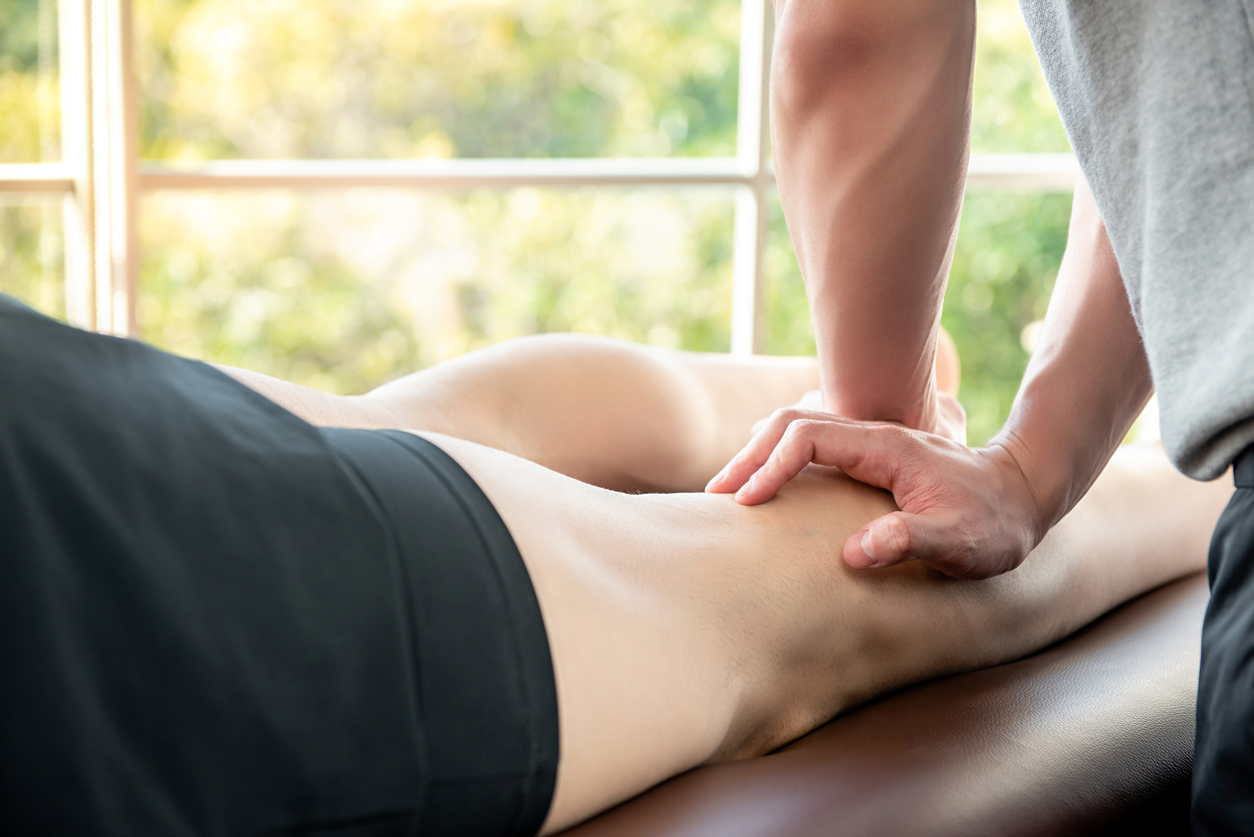
Once the therapist understands your body’s needs, they can begin with targeted deep-tissue work. This part of the routine helps release high-tension areas that build up in football, such as the calves, hamstrings, quads, and lower back.
You’ll feel slow, controlled pressure as the therapist sinks into deeper layers of muscle to clear knots and restore your movement. Deep tissue work remains essential for elite footballers because it reduces stiffness and supports joint stability during fast directional changes.
Like them, you’ll notice better stride quality and less discomfort through your hips and pelvis once these tissues are released.
Trigger Points and Myofascial Release

Football creates predictable patterns of tension, as repeated sprinting and sudden stops repeatedly load the same regions. Trigger point release helps relieve knots that send pain through the legs, glutes, and back. These minor pressure points can limit movement if left untreated, and they often mimic nerve pain when ignored.
Myofascial release adds another layer of relief by addressing restrictions in the connective tissue that surrounds your muscles. This gentle, sustained pressure helps ease long-standing stiffness that’s common in players with years of training behind them.
Together, these techniques support smoother movement and improved comfort during matches, training and everyday life.
Joint Mobilisation to Restore ROM
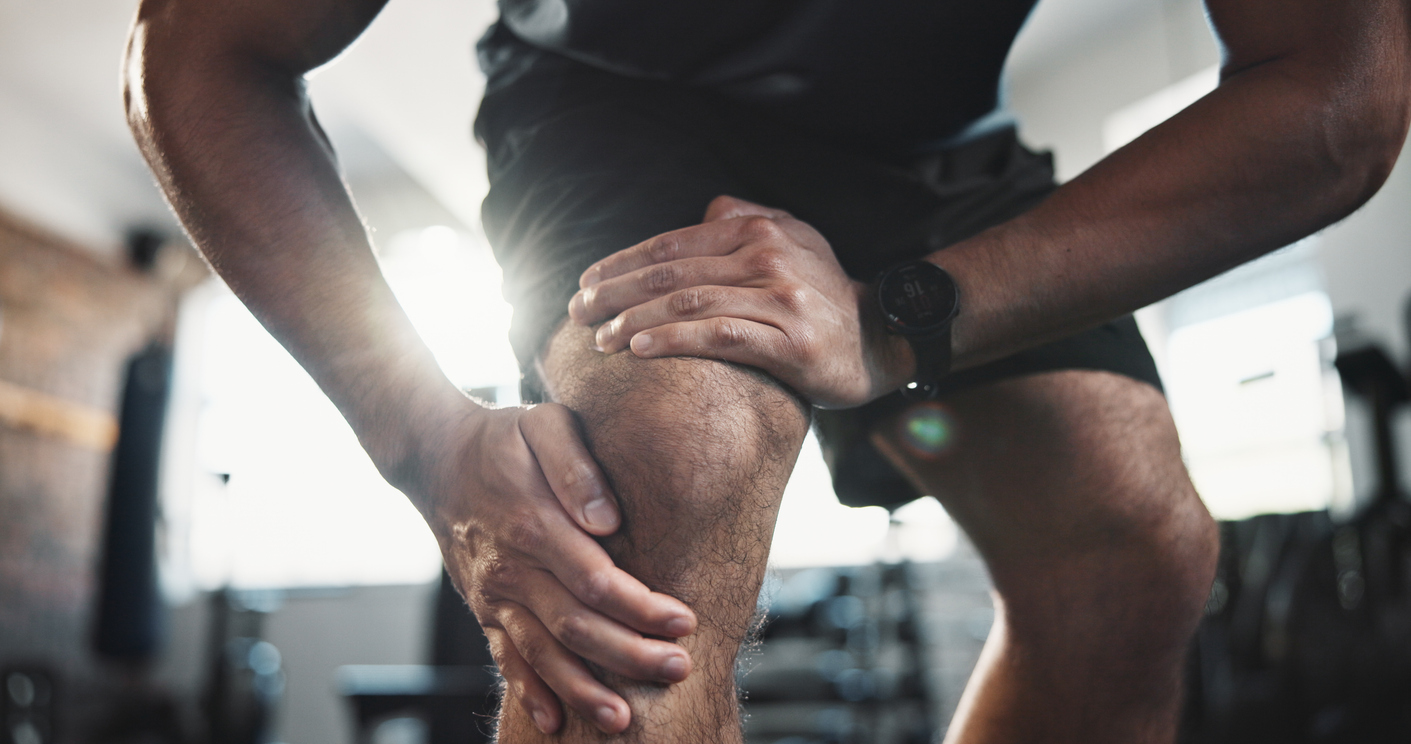
Football involves constant rotation, deceleration, and physical contact, so joint mobility matters just as much as muscle health. Therapists use guided movement to free up stiff joints, especially around the hips, knees, and ankles and help their patients recover their healthy range of motion (ROM).
During this stage, the therapist will show you some light exercises and help you move your joints through their full range of motion to reduce restrictions. This will help you accelerate more quickly and maintain better balance when you face harsh contact.
Assisted Stretching and Mobility
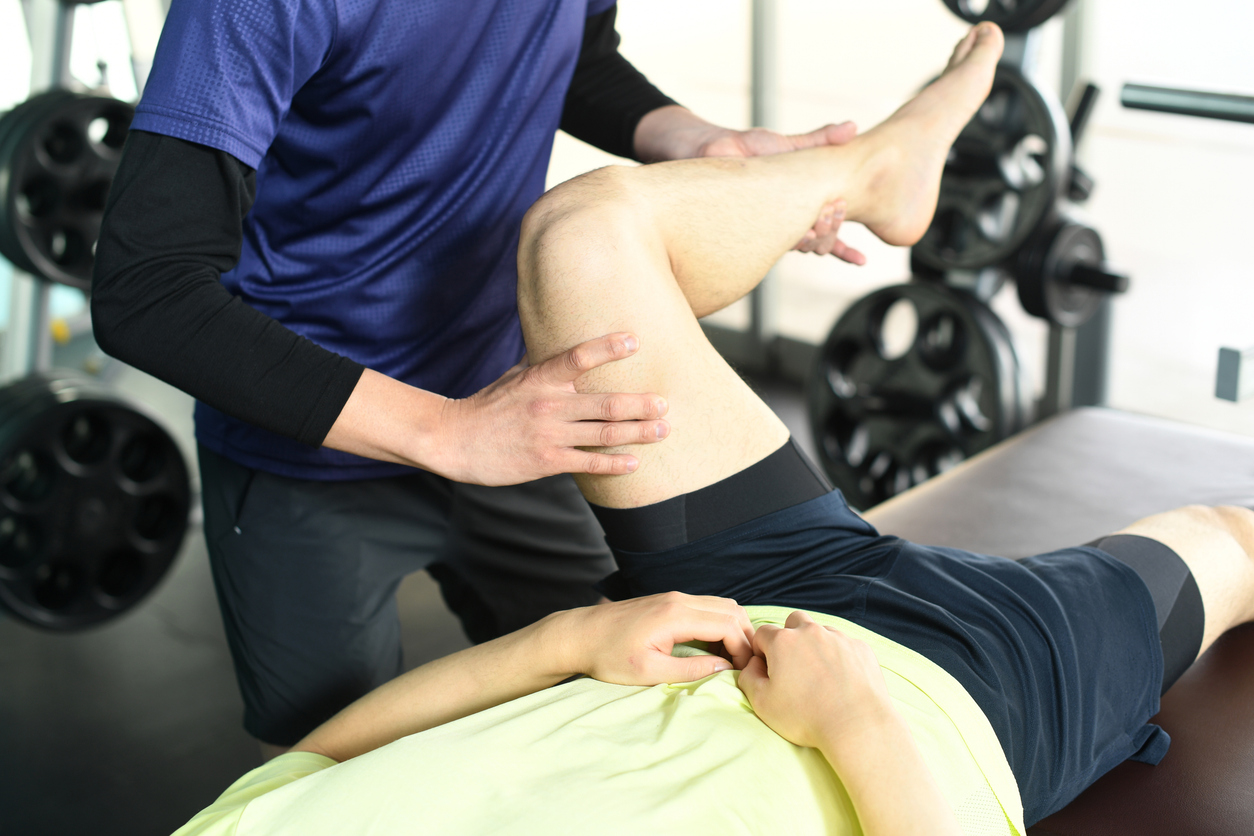
Assisted stretching helps lengthen muscles that often shorten during heavy training weeks. You’ll be guided through controlled stretching that targets the quads, hamstrings, calves, and hip flexors.
These areas tighten quickly in football, influencing explosiveness, stride length, and comfort during movement. Mobility work also supports improved control through the hips and spine, which contributes to smoother turning and better balance on uneven surfaces.
To Summarise
This structured routine works because it’s consistent, targeted, and informed by the physical demands of football. Each method supports your recovery and performance by reducing tension, improving mobility, and helping your body cope with the stress of regular training.
You’ll feel more balanced, more in control, and better prepared for the demands of each match.