



Importance of Choosing the Right Suction Hose for Your Water Pump
by Northern Life
Choosing the right quality suction hose for a water pump can make a world of difference in efficiency and performance. Selecting the right one allows hassle-free operation and maintenance and increases equipment longevity. Choosing the proper hose can be confusing, but by understanding key factors, users can make informed decisions to ensure maximum functionality.
Understanding Suction Hoses
The suction hose is a critical part of the water pump that enables liquids to move from one place to another. It helps transport different fluids such as water, chemicals, or slurry. Determining the criterion type is essential as it influences the pump’s performance and durability.
Materials Matter
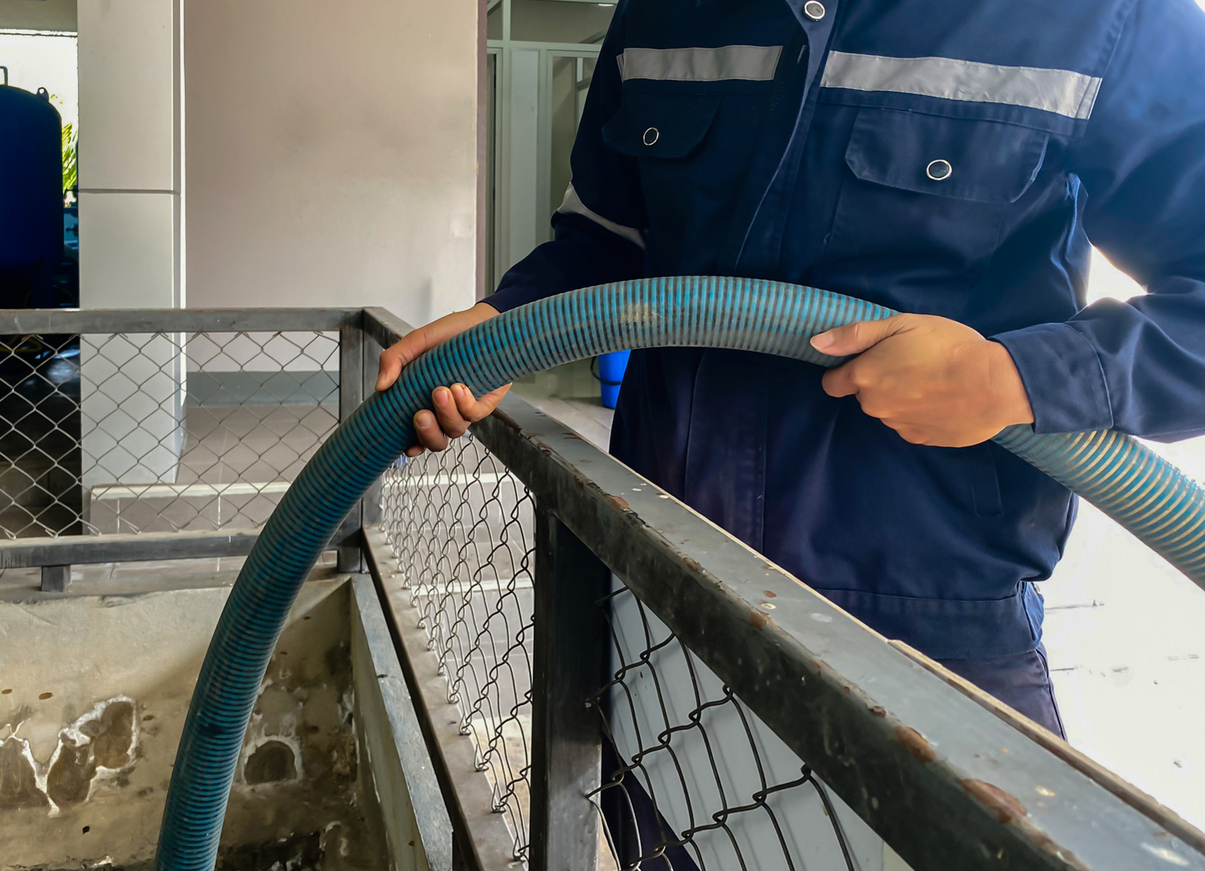
The material of a suction hose for a water pump is crucial, as it determines its resistance to wear and tear. Common materials include rubber, PVC, and polyurethane. Rubber is highly durable and flexible, making it suitable for heavy-duty applications. PVC offers a cost-effective option with good chemical resistance. Polyurethane combines flexibility and strength, which is ideal for high-abrasion environments. Each material has unique properties, so selecting one that aligns with specific needs is essential.
Diameter and Length
The diameter of the suction hose makes a considerable difference in the volume of liquid that can be moved. A larger diameter means more flow, which in turn means better pumping. A larger hose also means less dexterity and an increased weight. However, longer hoses will need more power to work. This balance is crucial to attaining the best performance.
Pressure Rating

A suction hose pressure rating determines the amount of internal pressure a hose can withstand. Buying a hose with a pressure rating appropriate for the task helps ensure safety and reliability. When you max out a hose, it might leak or burst, which can cause damage and downtime. You must select the correct one to keep the pump cool and ensure the system operates safely.
Temperature Resistance
Another notable consideration is temperature resistance. Manufacturers make specific hoses to endure very high and cold temperatures. This aspect is invaluable in environments where temperatures often vary. If the hose cannot handle the temperature range, cracking or other damage can occur, and the system’s integrity suffers.
Apps And Compatibility
Different hose properties apply to various applications. Hoses used in a chemical application need protection from corrosive substances and deterioration, especially when handling a pumped solution. The hose must be appropriate for the application to safeguard the system from unforeseen breakdowns.
Maintenance and Longevity
When maintained correctly, suction hoses can last longer. Regular checks for wear and tear, including cracks or leaks, make it easier to spot problems early. Storage also plays a notable role, as storing hoses in cool, dry, and out of direct sunlight areas will prevent material deterioration. These steps help you avoid expensive replacements and ensure the appliance runs reliably.
Environmental Considerations
Choosing an eco-friendly hose aids the sustainability movement, as these hoses comprise environmentally friendly materials, which is another plus point. Considering the environmental aspects of business safeguards our planet and helps ensure compliance with the industry’s regulatory activities.
Cost vs. Value
Cost is part of the equation, but going the cheapest route may not give you the best bang for your buck. While a high-quality suction hose may seem like an expensive upfront investment, it will save you money in the long run and help prevent the need for repetitive and costly repairs or replacements. Factoring in the total cost of ownership, including maintenance and downtime, will ensure that you make a smart purchase.
Conclusion
Choosing the correct suction hose for use with a water pump requires consideration of many factors, including, but not limited to, material and flexibility. The right decision will ensure your equipment operates as intended, is safe to use, and will last as long as possible. Familiarity with these aspects will help you choose a hose that best meets their requirements. Therefore, performance will be optimal, combined with a lower cost in the long term.