
How To Plan A Lamb Menu For Guests With Mixed Tastes
by Northern Life
Create a cohesive dining experience that feels personalised to every guest.
Planning a lamb menu for a group with different preferences requires structure rather than guesswork. The goal is not to cook multiple separate meals, but to design one flexible menu that accommodates varying flavour tolerance, portion sizes, and texture preferences. By organising your approach around cuts, cooking methods, sides, and service timing, you can create a cohesive dining experience that feels personalised to every guest.
Choose Lamb Cuts That Suit Different Preferences
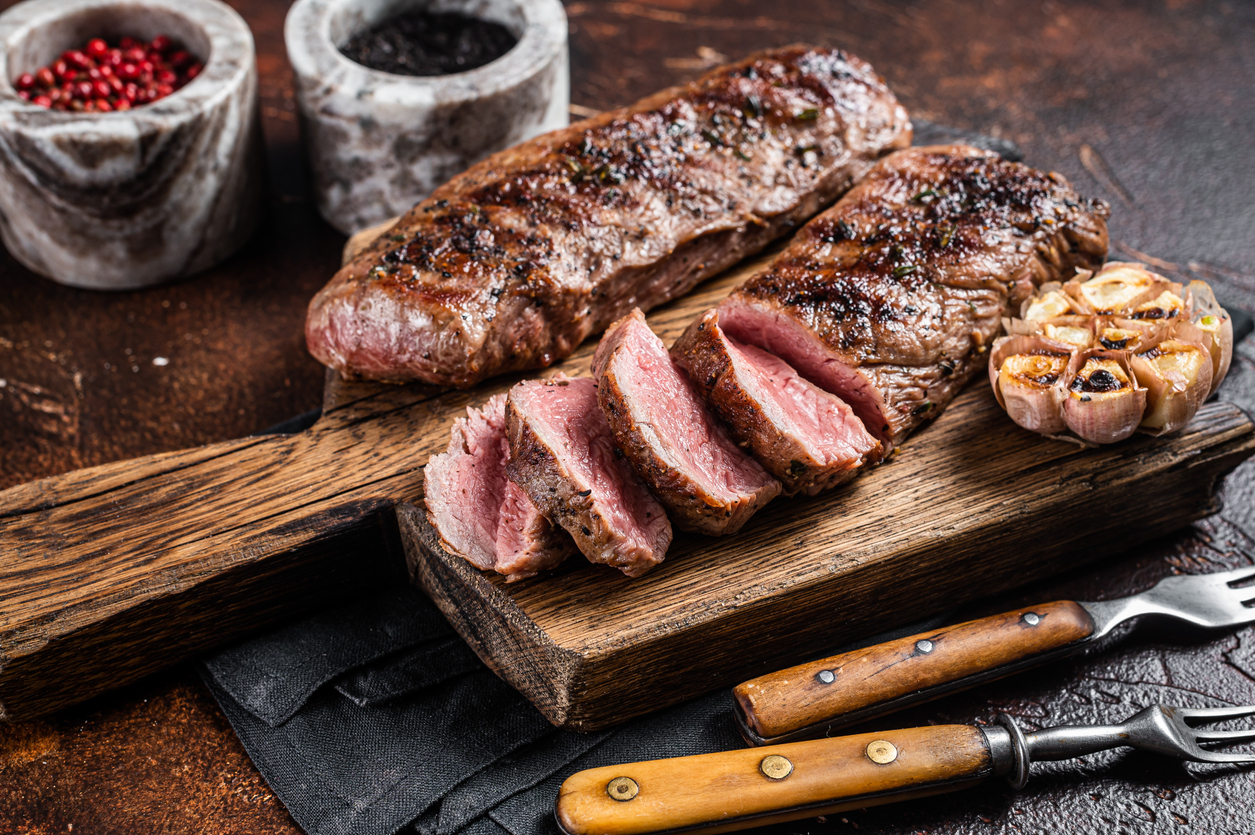
Start by selecting a mix of cuts so guests can gravitate towards what they enjoy most. Rich, slow-cooked shoulder suits those who prefer deep, comforting flavours, while leaner options such as loin chops or backstrap appeal to diners who want something lighter.
Understanding how fat content influences flavour development and tenderness helps you plan with purpose. Structured resources like Australian Lamb cooking ideas and recipe guides make it easier to match each cut with the right cooking method, ensuring consistency across the menu without overcomplicating preparation.
Balance Mild And Bold Flavour Profiles
A mixed group will always include guests with different tolerances for seasoning. Plan at least one herb-forward or spice-based dish alongside a simpler preparation with minimal seasoning. This creates choice without making the menu feel disjointed.
This approach works because lamb carries both delicate and robust flavours depending on how it is prepared. Using contrasting marinades, rubs, or finishing elements allows each dish to serve a specific preference while keeping the core ingredient consistent.
Use Different Cooking Methods For Variety
Texture plays a major role in how people experience food. Some guests prefer the char from grilling, while others favour the softness of braised meat. Including a roasted centrepiece alongside a grilled or slow-cooked option ensures that the menu covers these preferences.
Not everyone is confident with lamb, especially if they do not eat it often.
Planning different cooking methods also improves timing. Slow-cooked dishes can be prepared in advance and held safely using proper temperature control, while quick-cooked items are finished just before serving.
Plan Sides That Let Guests Build Their Plate
Sides are your most effective tool for handling mixed tastes. Offer a balance of fresh, light options and hearty, familiar ones so guests can assemble a plate that suits them.
This modular structure follows menu planning principles used in professional kitchens, where the main protein remains constant but the final combination varies according to individual preference. It also helps accommodate lighter eaters without requiring a separate main dish.
Serve Flexible Portions For Different Appetites
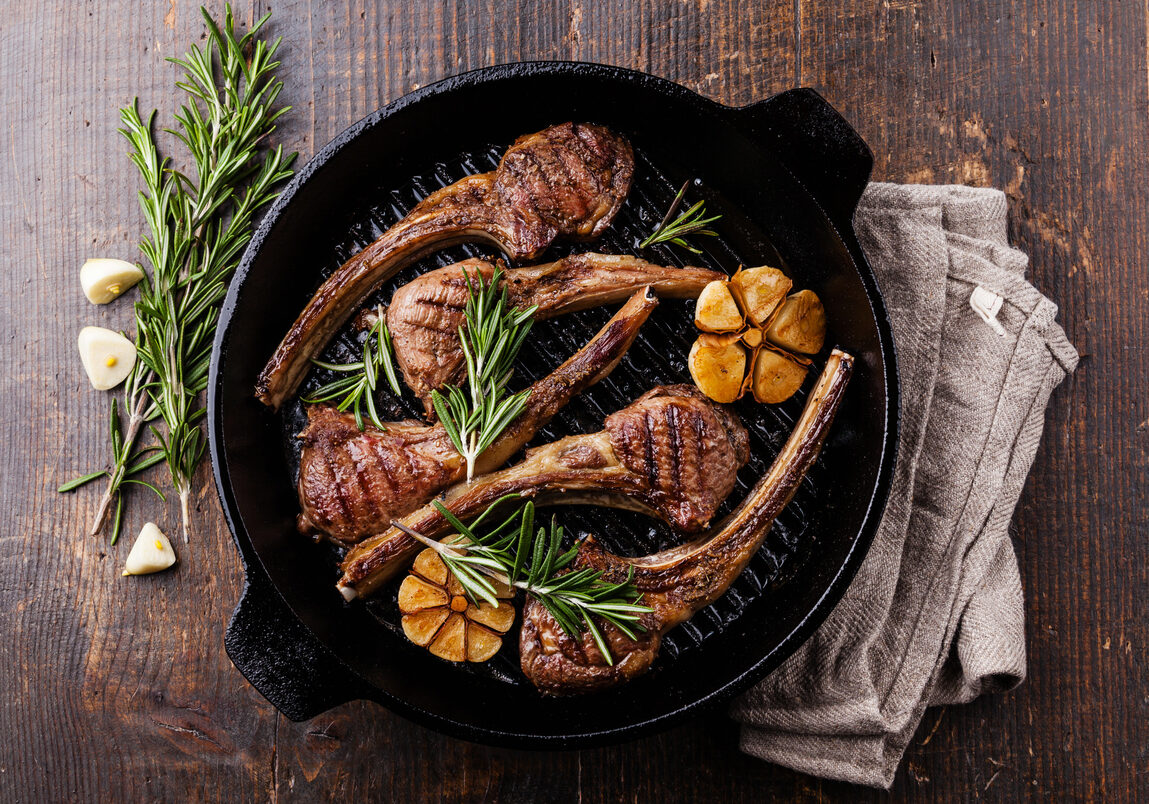
Present lamb in a way that allows guests to control how much they take. Sliced roasts, shared platters, or individual cutlets make it easier for people to choose their portion size.
This improves the overall flow of the meal and supports portion management, reducing waste while ensuring that both small and large appetites are satisfied.
Include A Familiar Option For Cautious Eaters
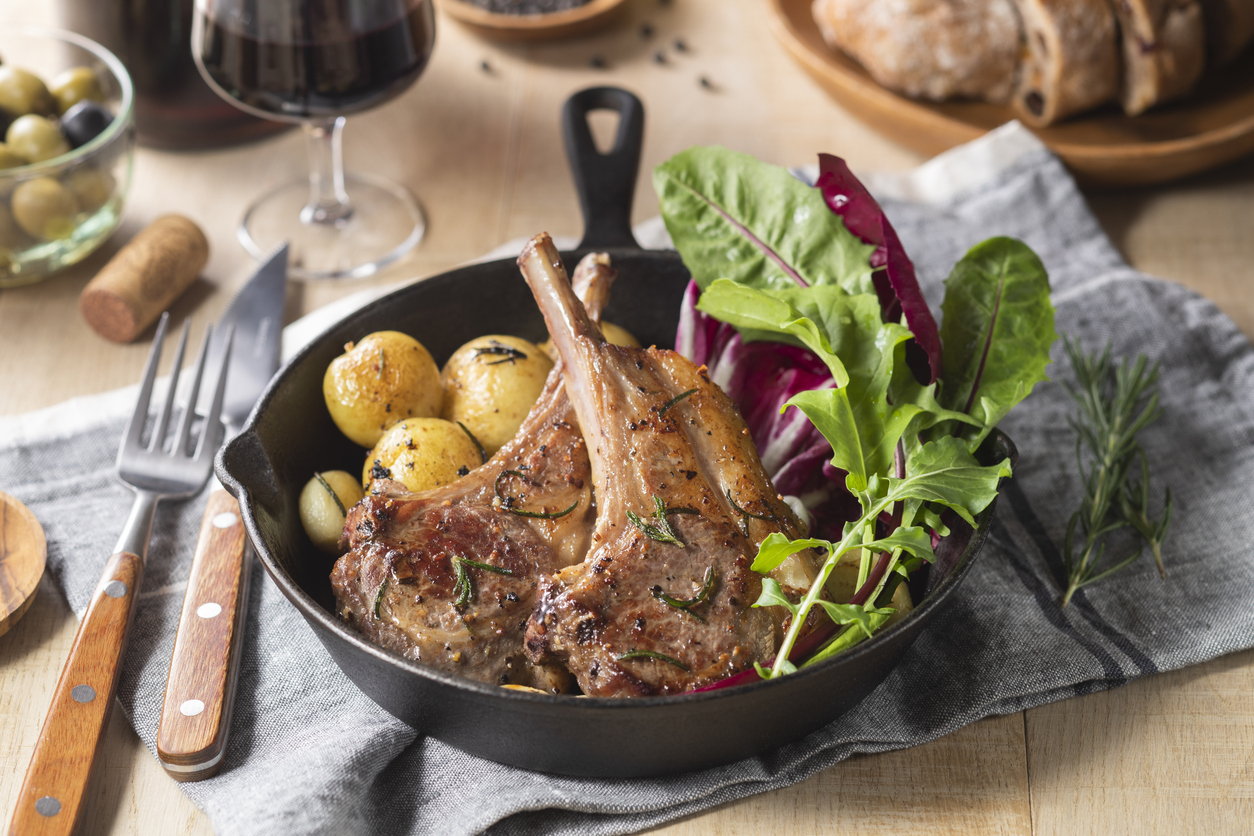
Not everyone is confident with lamb, especially if they do not eat it often. Including one classic preparation, such as a traditional roast with well-known accompaniments, creates a comfortable entry point.
This strategy aligns with consumer food acceptance behaviour, where familiarity increases willingness to try a protein that might otherwise feel unfamiliar.
Map Out Cooking Times Before The Event
A well-planned timeline is essential for a menu with multiple preparations. Identify which dishes require resting time and which must be served immediately after cooking.
A lamb menu for guests with mixed tastes succeeds when it is designed around choice and flexibility rather than complexity.
Resting lamb is particularly important to allow the meat fibres to relax and reabsorb their natural juices, keeping each cut tender when sliced. During this resting window, carryover cooking continues to raise the internal temperature slightly, so factoring it into your timing prevents overcooking and ensures the lamb is served at its ideal doneness without last-minute pressure.
Keep Presentation Consistent Across Dishes
Even with varied flavours and textures, the menu should look cohesive. Use similar serving platters, shared garnishes, or a consistent colour palette so the spread feels intentional.
This reflects sensory dining perception, where visual unity makes diverse dishes feel connected and carefully planned.
The Secret To A Crowd-Pleasing Lamb Spread
A lamb menu for guests with mixed tastes succeeds when it is designed around choice and flexibility rather than complexity. By varying cuts, balancing flavour intensity, offering adaptable sides, and structuring your cooking timeline, you can serve one coordinated meal that satisfies everyone at the table without unnecessary duplication or stress.