

How to Pass Your MOT: A Practical Checklist for UK Drivers
by Northern Life
MOT fails can be avoided
When that annual MOT reminder drops through the letterbox or pings onto your phone, it’s easy to shrug it off until the last minute. But an MOT test is more than just a legal obligation — it’s a vital check that your car’s safe to drive. The good news? You can take a few simple steps to improve your chances of passing first time and avoid any unnecessary garage bills.
If your due date’s coming up, take a moment to check over your vehicle before heading to the test centre. You don’t need to be a mechanic — just a careful eye and a bit of common sense can go a long way. Book MOT test with Dexel Tyre & Auto Care and get peace of mind knowing your car is in safe hands. But before you do, here’s a checklist to help boost your chances of a smooth pass.
Lights and Indicators: A Quick Walkaround
Faulty lights are one of the most common reasons cars fail their MOT. It’s also one of the easiest things to fix before your appointment.
Replacing a bulb is often quick and cheap, and can save you from a fail.
Take a walk around your car and test:
- Headlights (both dipped and full beam)
- Side lights
- Brake lights
- Reverse lights
- Indicators (front, rear, and side)
- Number plate lights
Ask a friend to help, or use a reflective surface like a window to check your brake lights are working properly. Replacing a bulb is often quick and cheap, and can save you from a fail.
Tyres: Tread, Pressure, and Condition
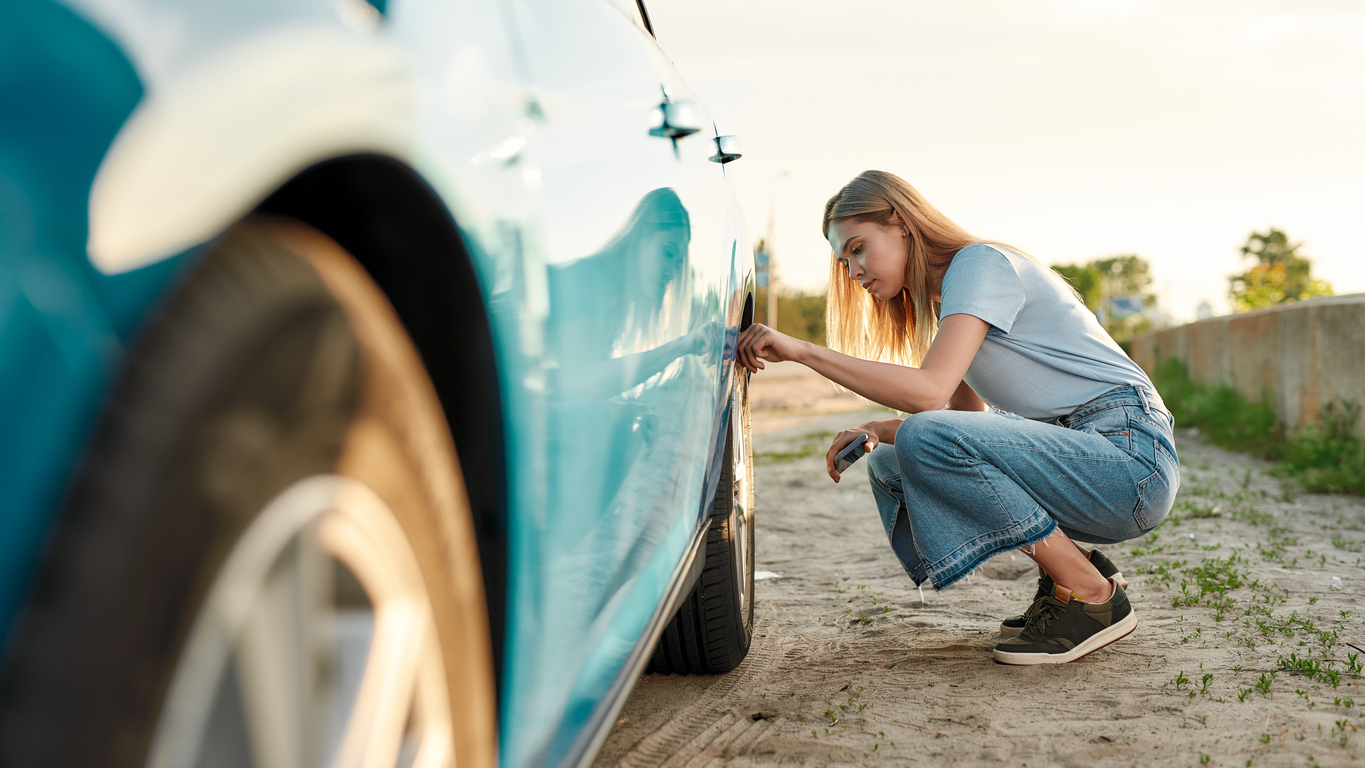
Your tyres play a big role in your car’s safety and handling. Before your test:
- Check the tread depth. The legal minimum is 1.6mm across the central three-quarters of the tyre.
- Look for cracks, bulges, or cuts on the sidewalls.
- Ensure all tyres are inflated to the correct pressure.
If your tyres are nearing the legal limit or showing signs of wear, it might be worth getting them replaced before the MOT.
While you can’t do a full brake inspection at home, you can spot signs that something’s not quite right.
Windscreen and Wipers: Clear View Ahead
Visibility is key for safe driving, so your windscreen and wipers will be inspected carefully.
- Make sure there are no large chips or cracks in your line of vision (usually a fail if larger than 10mm).
- Test your wipers — do they smear, squeak, or leave streaks? If so, it’s time to replace them.
- Top up your screenwash. Believe it or not, empty washer fluid is enough to fail the test.
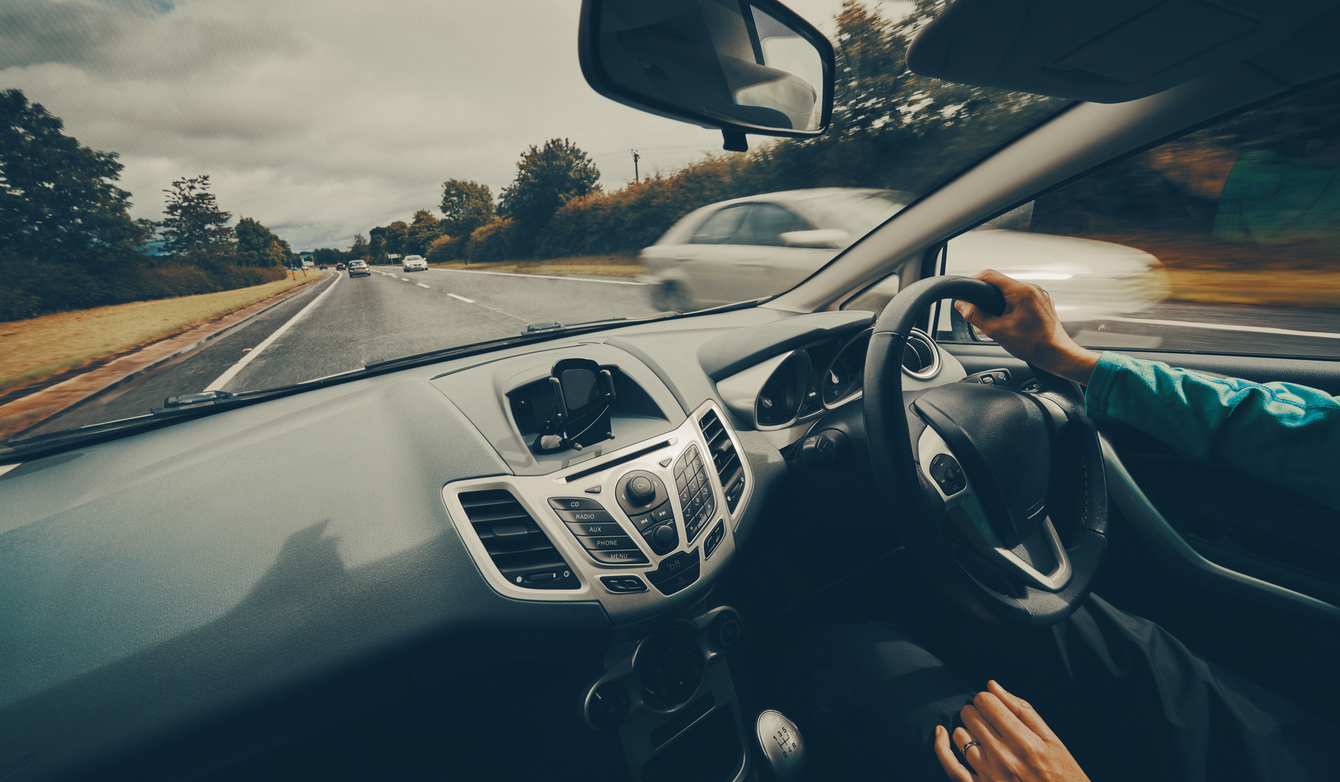
Mirrors and Glass: No Obstructions
Your mirrors and windows need to give a clear view of the road.
- Check all mirrors are securely attached and free from damage.
- Remove any stickers, air fresheners, or sat-nav holders that block your line of sight through the windscreen.
- Make sure the demisters and front blower are working properly too — especially in colder months.
Brakes: Listen and Feel
While you can’t do a full brake inspection at home, you can spot signs that something’s not quite right.
- Listen for squeaking or grinding noises.
- Feel for any vibration or the car pulling to one side when braking.
- Check the handbrake holds the car securely on a hill.
If anything feels off, it’s best to have it checked before your test to avoid a fail or advisory notice.
Registration Plates and VIN
Make sure your number plates are clean, securely fastened, and easy to read. If they’re cracked or discoloured, it might be worth replacing them. Your Vehicle Identification Number (VIN) should also be clearly visible on your dashboard or under the bonnet.
Warning Lights: Don’t Ignore the Dashboard
When you start the car, any dashboard warning lights should come on briefly, then go off. If any of them stay lit — like the airbag, ABS, or engine light — it’ll most likely result in a fail.
Some warning lights may just mean a sensor needs resetting, but it’s best to get them looked at rather than hoping for the best.
Clean Up Before the Test
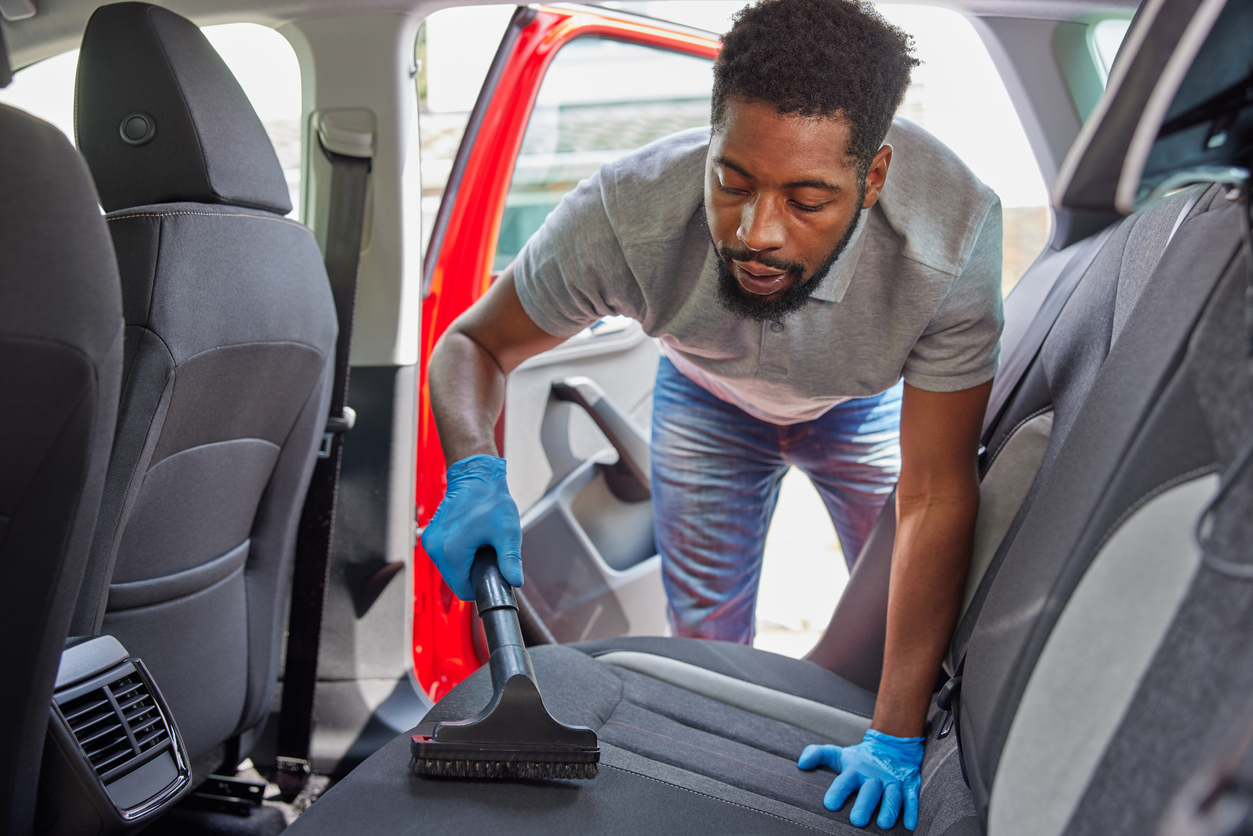
You don’t need to have your car sparkling, but a tidy interior can make a difference. Remove clutter from the boot and back seats. Clear anything from the dashboard that could block visibility or distract the tester. A filthy car might even be refused for testing if access is a problem.
Make Sure Your MOT Isn’t Expired
Finally, don’t leave it too late to book. You can renew your MOT up to one month (minus a day) before it runs out and still keep the same expiry date. Booking early gives you time to fix any issues without going off the road.
With just a little time and attention, most MOT fails can be avoided — and you’ll be doing yourself (and your wallet) a big favour. Whether you’re planning a road trip through the Peaks or just commuting into town, a pass means one less thing to worry about on the road.