

How to Make Your Holiday to the Northern Lights More Than Stargazing
by Northern Life
Improve your chances of seeing the aurora and still enjoy your holiday if clouds roll in
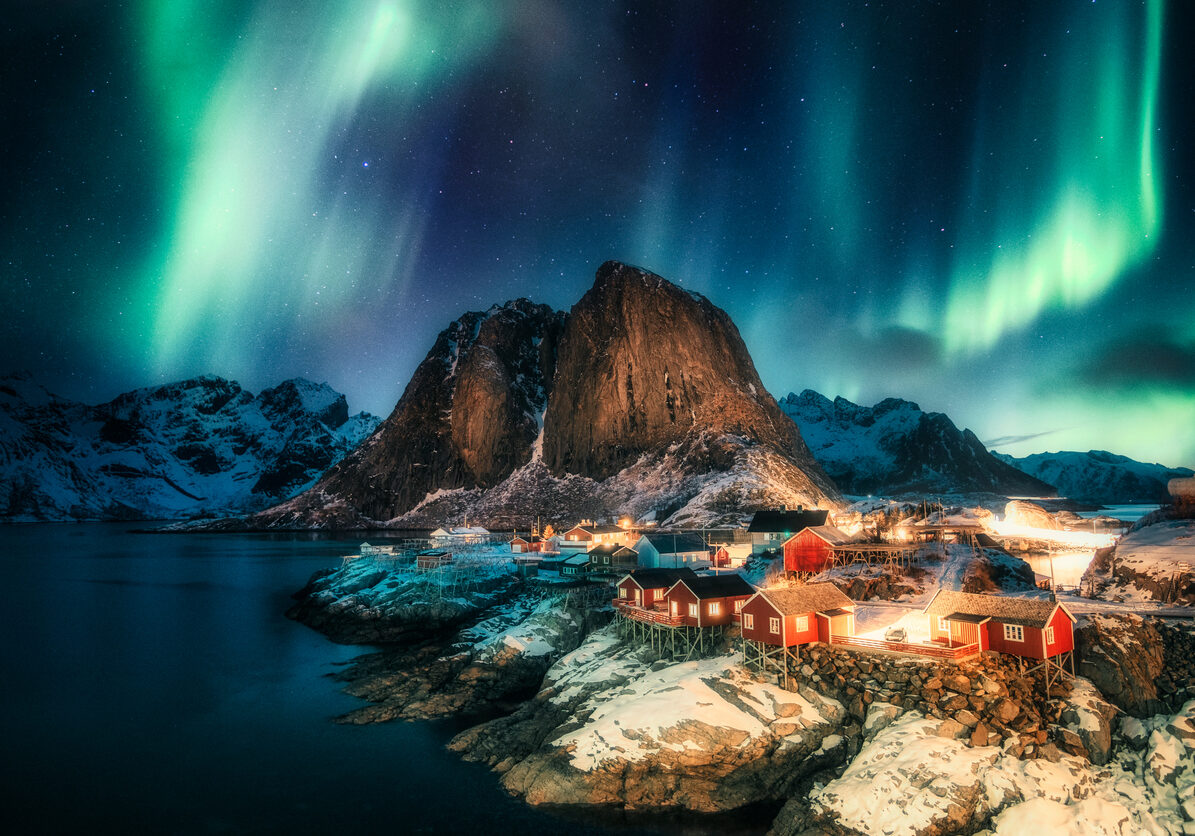
Many travellers chase the Northern Lights because they offer a rare moment of wonder in a wild sky. You stand outside in the dark, watch green bands ripple overhead, and feel connected with a part of the world most people never see. The aurora often sells the trip, yet the surrounding landscapes, small communities and winter traditions keep you engaged between the late-night vigils. You can explore volcanic coastlines, eat freshly caught fish in tiny ports, soak in geothermal pools and hear stories from local guides. These touches transform a single spectacle into a rounded holiday.
Why cruises are a great way to see the northern lights
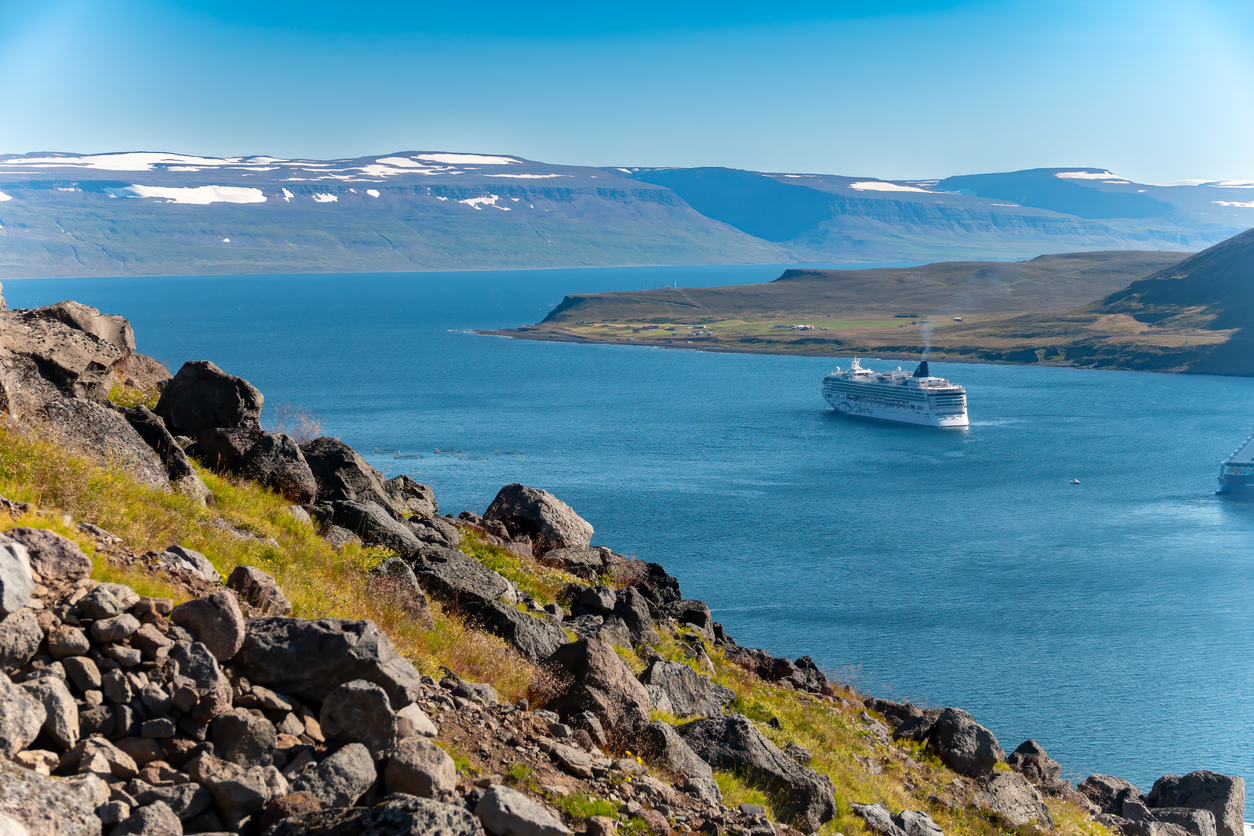
A cruise gives you steady comfort while you travel through prime aurora territory at a measured pace. You sleep in a warm cabin rather than a different hotel every night, so you conserve energy for late viewing. Moving along the coast increases your chances of a clear sky because you avoid staying under clouds for too long. You also reach remote fjords and winter fishing villages without driving long distances in unfamiliar conditions.
An Iceland cruise can suit you if you prefer varied scenery on a single itinerary, with many cruises offering routes that circle rugged peninsulas, sail past glacier-carved bays and stop in quiet ports. Use the ship’s open deck, step away from bright lights and point your gaze north when the crew calls an alert.
Activities that make your trip memorable

During the day you can seek experiences that anchor you to the place rather than just waiting for darkness. A dip in an Icelandic hot spring eases cold muscles and adds a vivid memory of steam rising in arctic air. You could spend an afternoon in Reykjavik’s food scene, which ranges from warming lamb soups to creative tasting menus in independent restaurants.
Build an itinerary that mixes cultural stops with night excursions.
There are many opportunities to join guided nature walks along coastal trails to spot seabirds or learn about local geology. These activities add depth by linking the dramatic skies to local life and real stories. When you talk about your trip later, you share moments of flavour, heat, and conversation rather than only describing a light display.
How to plan for success
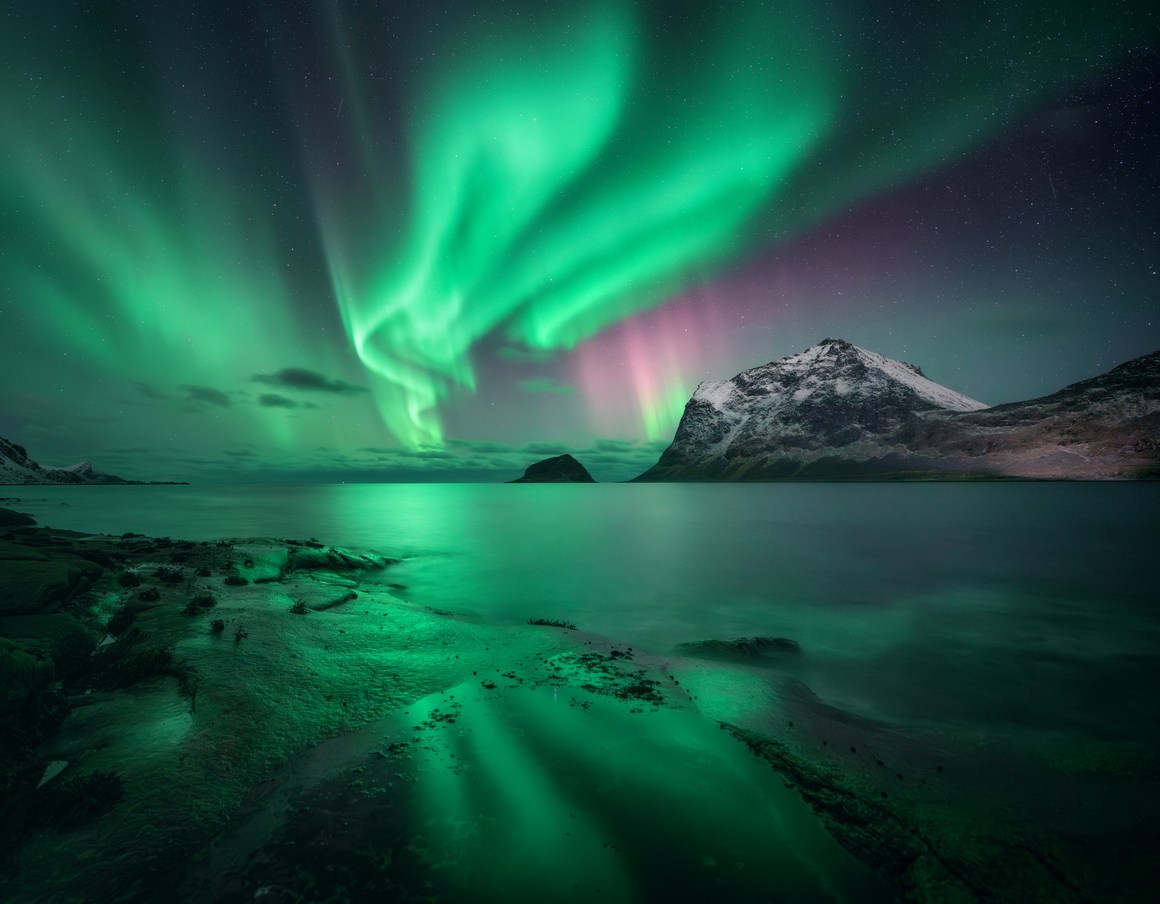
Book your trip during peak aurora season, which usually runs from late September to early April. Clear a few consecutive nights so you allow for changing weather rather than relying on a single chance. Bring thermal layers, waterproof boots, and hand warmers, because standing outside for long periods can test your patience if you feel cold.
Cruises, local food, and simple outdoor activities give you structure and variety
Build an itinerary that mixes cultural stops with night excursions. For example, you might spend daylight hours visiting a museum, then rest, eat an early dinner and head out again when the sky grows dark. Careful planning reduces stress and increases your odds of going home with real memories rather than rushed snapshots.
A Northern Lights trip becomes far more satisfying when you plan beyond a single night of sky-watching. Cruises, local food, and simple outdoor activities give you structure and variety, so you avoid long stretches of waiting around. With realistic expectations and practical preparation, you improve your chances of seeing the aurora and still enjoy your holiday if clouds roll in.