


How to keep your medicine cabinet safe for your family
by Northern Life
We all have one – that bathroom cabinet or kitchen drawer overflowing with half-used blister packs, sticky bottles of cough syrup, and tubs of cream well past their prime. It’s the go-to spot for everything from plasters to paracetamol. But how often do we give it a proper clear-out? Keeping this collection of remedies organised isn’t just a satisfying task for a rainy afternoon; it’s crucial to keeping your family safe.
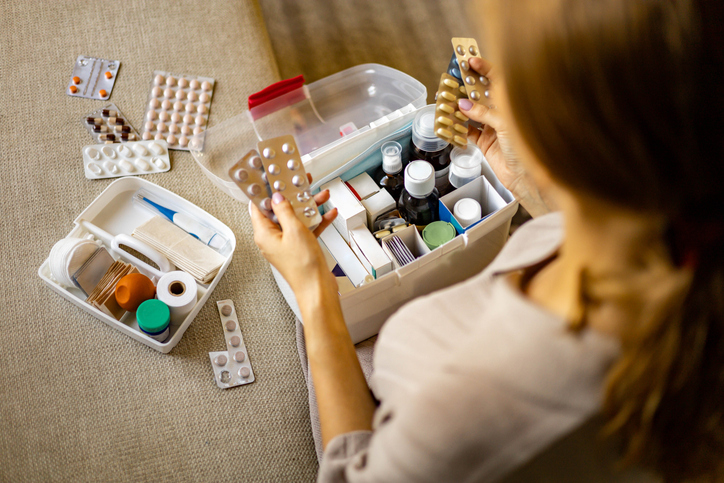
An untidy medicine cabinet can pose risks, especially for the most vulnerable members of our household—curious children and elderly relatives who might be managing multiple prescriptions. From expired medication to confusing packaging, hidden dangers are lurking behind that mirrored door.
Taking the time to declutter and organise your medicines ensures that what you need is always on hand, easy to identify, and, most importantly, safe for everyone to use. Here’s a simple, straightforward guide to getting your medicine cabinet in order and keeping your
loved ones protected.
Check those sell-by dates
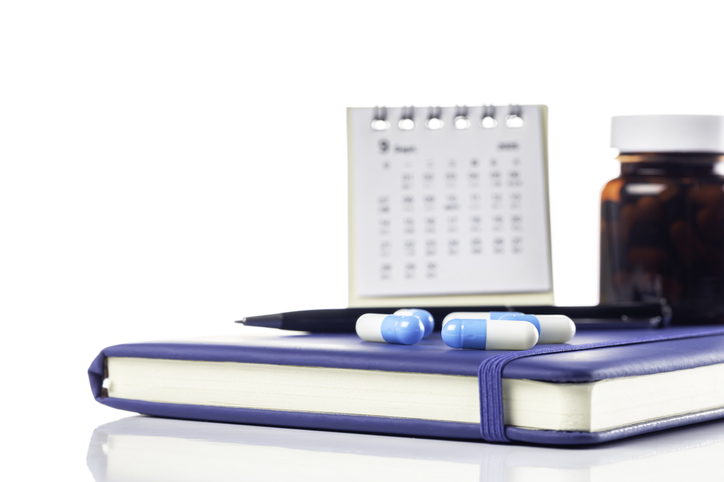
We’re all guilty of holding onto things ‘just in case’, and medicines are no exception. That tube of antiseptic cream from three summers ago might seem harmless, but using expired products can be ineffective at best and dangerous at worst.
Pharmaceutical products have sell-by dates for a reason. Over time, the active ingredients in medication can break down, losing their potency. This means that an expired painkiller might not relieve a headache, and an out-of-date antihistamine may not tackle hay fever. In some cases, the chemical composition of a medicine can change as it degrades, leading to unexpected side effects.
Make it a habit to check the dates on all your medicines every six months. Pop a reminder in your calendar so you don’t forget. Be ruthless and dispose of anything that has expired. Most pharmacies will happily take back old medicines and dispose of them safely for you, so don’t be tempted to chuck them in the bin or flush them down the loo.
Find the right storage spot
Where do you keep your medicines? If you answered “the bathroom cabinet,” you might want to reconsider. Bathrooms are often warm and humid, which can degrade medications and reduce their effectiveness long before their expiration date.
The ideal storage spot for most medicines is a cool, dry place, away from direct sunlight and out of the reach of children. A high-up cupboard in the kitchen or a lockable box in a bedroom wardrobe are much better options. Always check the packaging for specific storage instructions, as some medicines, like certain antibiotics, may need to be refrigerated. Keeping them in the right environment ensures they remain stable and effective.
Label and organise everything clearly
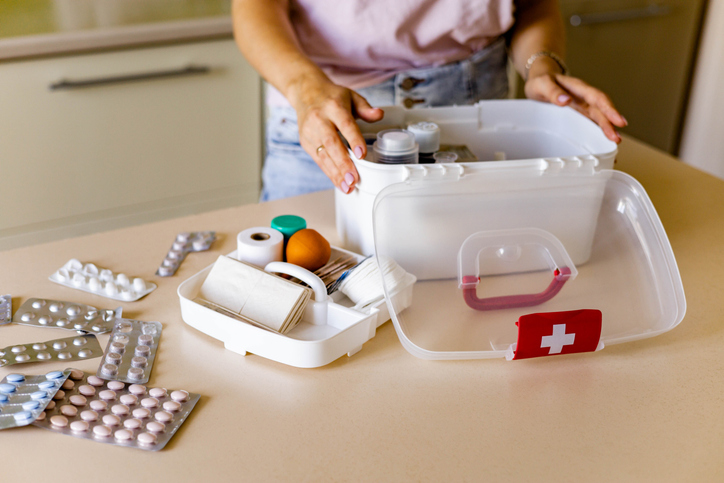
When someone in your family is unwell, the last thing you want to do is rummage through a jumble of boxes and bottles. A well-organised system can save you time and prevent dangerous mix-ups, which is especially important for elderly family members who may be taking multiple medications.
Start by grouping similar items. Keep all pain relief in one area, cold and flu remedies in another, and first-aid supplies like plasters and bandages in a separate area. You could use small, labelled containers or drawer dividers to keep everything neat.
For prescription medications, it’s vital to keep them in their original packaging. This packaging contains essential information, including the patient’s name, the dosage instructions, and the expiry date. It might also feature child-resistant packaging, a critical safety feature. If you have multiple family members with prescriptions, consider using a different coloured pen to mark each person’s name on their respective boxes to avoid confusion.
Think about the packaging
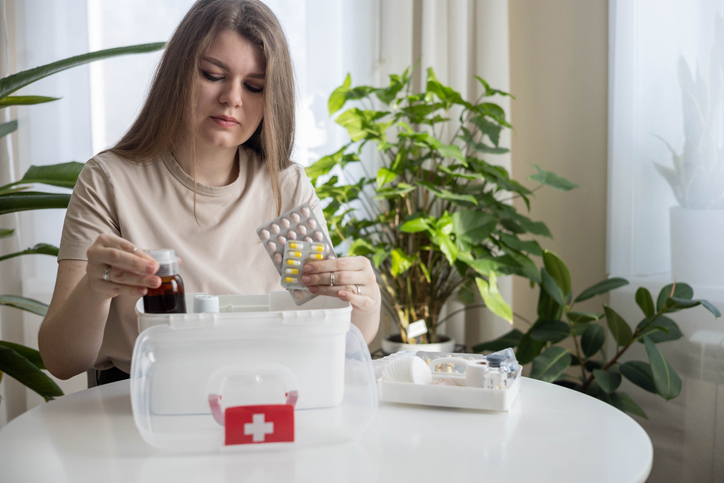
When you’re buying over-the-counter remedies, the type of packaging can make a real difference. While plastic is standard, glass packaging often offers better protection for medicines. Glass is impermeable, meaning it won’t react with the contents or allow air and moisture to seep in. This helps preserve the product’s stability and integrity.
Many liquid medicines, such as cough syrups and specific supplements, come in dark-coloured glass packaging. This isn’t just for show; the amber or blue glass helps to protect the contents from UV light, which can break down sensitive ingredients and reduce the medicine’s potency. When you have the choice, opting for medicines in glass can be a smart move for long-term stability. Similarly, prioritising products with child-resistant packaging adds an essential layer of safety, giving you peace of mind when there are little ones around.
Your next steps for a safer home
A tidy medicine cabinet is more than just a matter of household organisation—it’s an active step towards creating a safer environment for your entire family. By regularly checking dates, storing items correctly, and creating a clear system, you can prevent accidents and ensure your family gets the effective care they need, right when they need it. So why not grab a cuppa, put on some music, and give your medicine cabinet the attention it deserves this weekend? You’ll be glad you did.