
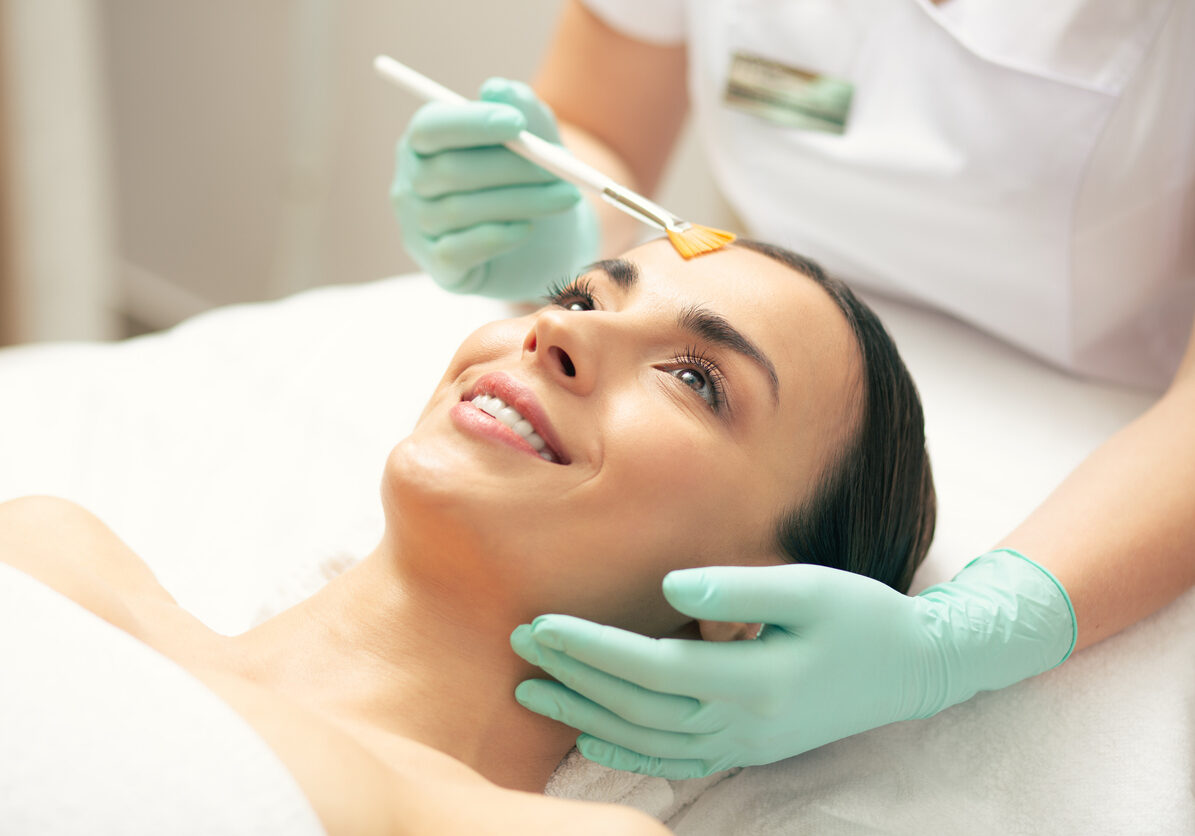

How Skin Peel Training Opens New Treatment Opportunities
by Northern Life
Advanced skin peel courses do more than teach techniques.
The aesthetics industry evolves quickly, and client expectations change just as fast. Treatments that once felt advanced soon become standard, which means practitioners must continually develop their skills to remain relevant. This is where advanced skin peel courses play an essential role. By learning higher-level peel techniques, aestheticians gain the confidence and knowledge needed to expand their services responsibly and attract a broader range of clients.
Moving Beyond Basic Treatments
Many practitioners begin with introductory peels designed for gentle exfoliation and skin refreshment. While these treatments remain popular, they only address a narrow set of concerns. Advanced training enables deeper corrective work. Pigmentation, acne scarring, uneven texture, and early signs of ageing require more targeted approaches. Without proper education, these concerns remain out of reach. Training bridges that gap, allowing aestheticians to move beyond surface-level results.
Understanding Skin At A Deeper Level
Advanced peel education places strong emphasis on skin behaviour. Practitioners learn how different skin types react to various acids, strengths, and application methods. This understanding improves assessment skills. Rather than offering a single solution for every client, aestheticians can tailor treatments to skin condition, sensitivity, and lifestyle factors. Personalised care leads to better outcomes and stronger client trust.
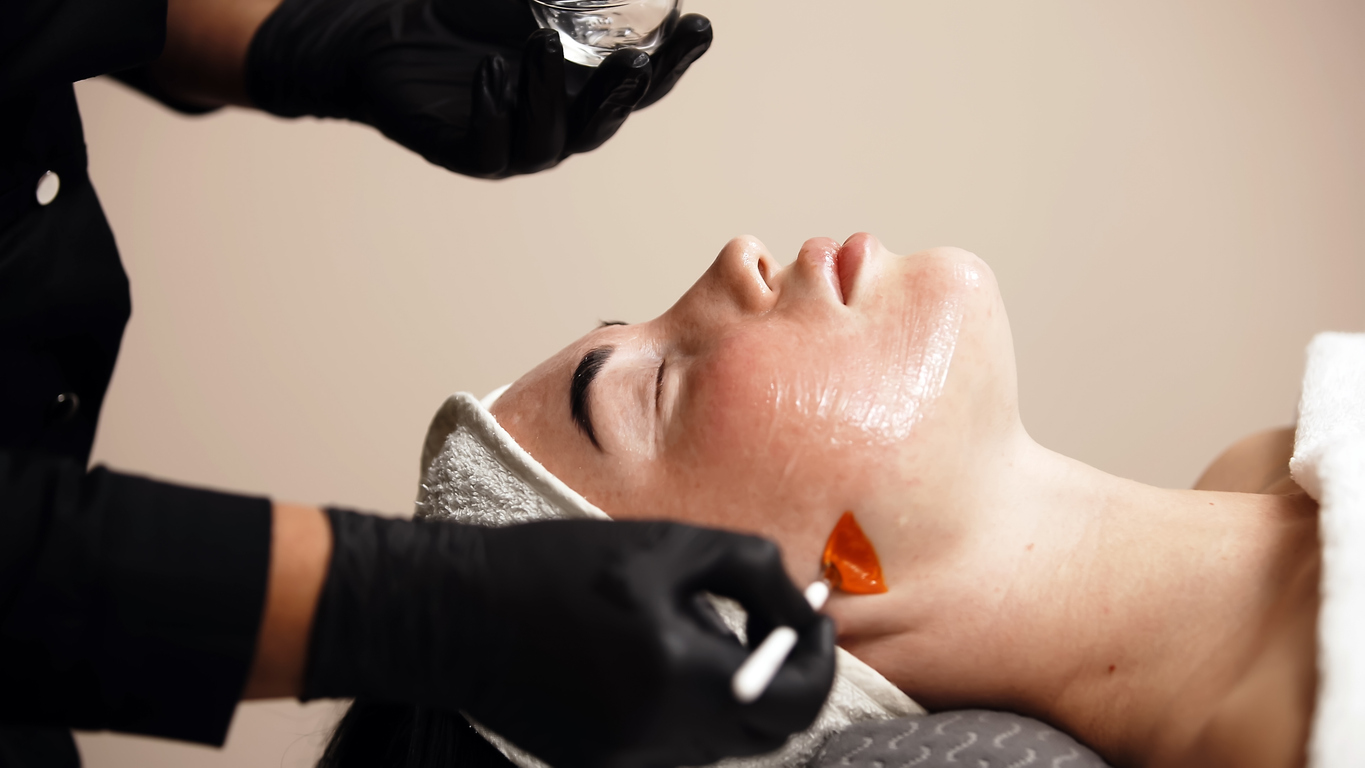
Expanding Client Demographics
Basic peels often appeal to a limited audience. Advanced techniques attract clients seeking noticeable improvement rather than maintenance alone.
Clients with long-standing concerns are more likely to commit to treatment plans when practitioners demonstrate competence. Advanced training equips aestheticians to serve these clients safely, thereby expanding the client base beyond first-time or occasional visitors.
Creating Structured Treatment Plans
One-off treatments have value, but structured plans build lasting relationships. Advanced peel knowledge supports the creation of phased programmes that guide clients through progressive improvement. These plans often combine different peel strengths over time. This approach improves results while managing risk. Clients appreciate having a clear pathway rather than guessing what comes next.
Increasing Business Value Responsibly
Adding new treatments should strengthen a business, not complicate it. Advanced peel techniques integrate readily into existing service menus without requiring significant equipment investment. Because peels rely more on knowledge than machinery, training becomes the primary resource. This makes expansion cost-effective. When delivered correctly, advanced peels often command higher fees due to their corrective nature and results.
Managing Risk With Confidence
Peels involve active ingredients that must be handled carefully. Without training, practitioners may avoid offering advanced options due to fear of complications. Education reduces that uncertainty. Learning correct protocols, contraindications, and aftercare management allows aestheticians to work confidently within safe boundaries. This confidence translates directly into improved client experience and fewer adverse outcomes.
Enhancing Professional Credibility
Clients are increasingly informed. They ask detailed questions and expect clear explanations. Practitioners trained in advanced peel techniques can explain not only what a treatment does, but why it works. This depth of knowledge sets professionals apart. It shifts conversations from sales-driven to educational, which builds credibility. Clients are more likely to trust recommendations when they feel informed rather than persuaded.
Supporting Ethical Practice
Advanced skin treatments carry ethical responsibility. Not every client is suitable for every peel, and knowing when to say no matters just as much as knowing how to treat. Training emphasises patient selection and realistic outcomes. Practitioners learn to manage expectations and prioritise skin health over quick results. Ethical practice protects both the client and the business.
Adapting To Market Demand
Skin concerns fluctuate with seasonal changes, lifestyle factors, and environmental conditions. Advanced peel skills allow practitioners to adapt quickly. For example, lighter corrective peels may be appropriate for warmer months, whereas more intensive treatments are better suited to cooler periods. This flexibility keeps appointment books active throughout the year rather than relying on a narrow treatment window.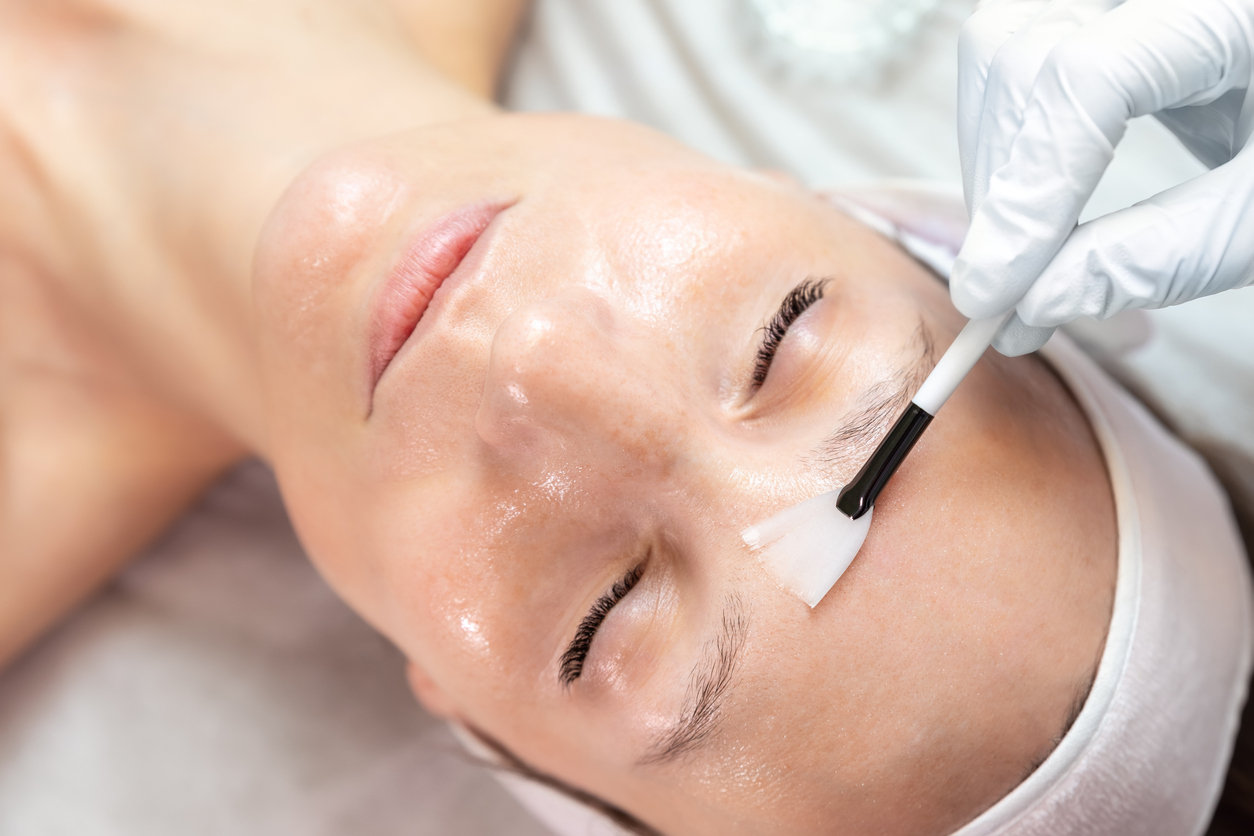
Encouraging Client Retention
Clients who see meaningful results are more likely to return. Advanced peel treatments often require follow-up sessions, which naturally encourage repeat visits. When clients commit to a treatment journey, they form stronger relationships with practitioners. This loyalty supports stable business growth and reduces reliance on constant new client acquisition.
Integrating With Other Treatments
Advanced peels rarely exist in isolation. Training often covers how peels complement other services, such as facials, microneedling, or skin rejuvenation programmes. Understanding these relationships allows aestheticians to design cohesive treatment menus. Clients benefit from holistic care rather than fragmented services.
Building A Path For Career Growth
For many practitioners, advanced training marks a turning point. It signals progression from entry-level services to more specialised work. This development increases job satisfaction and earning potential. Practitioners feel more invested in their careers when their skill set continues to grow.
Turning Education Into Opportunity
Advanced skin peel courses do more than teach techniques. They change how aestheticians approach skin health, client care, and business development. By expanding knowledge and capability, training opens new treatment opportunities that support both professional growth and client satisfaction. When education is applied thoughtfully, advanced peel techniques become a sustainable way to elevate an aesthetic practice.