

How Precast Systems Are Shortening UK Construction Timelines
by Northern Life
Precast technology will continue to reduce construction time
UK construction firms are under pressure to execute projects on time and under budget. Traditional buildings often struggle to meet the demands of commercial, housing, and infrastructural needs. Contractors and producers value efficiency, but supply chain issues, weather, and staffing shortages cause delays. Companies seek innovative solutions. Leading concrete supply websites like Modular Cubed (modularcubed.co.uk) show how precast technologies speed up building without compromising safety or quality.
Differences Between Precast and Other Systems
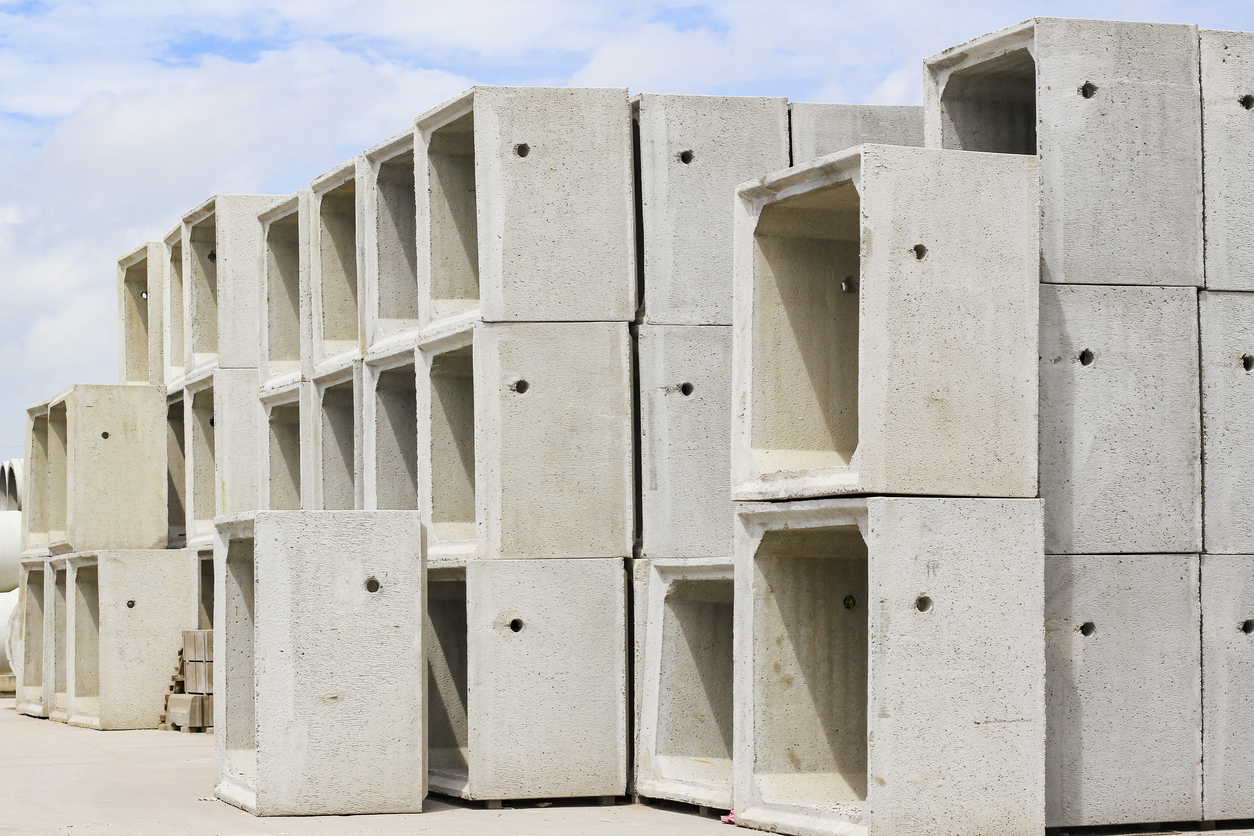
Precast systems differ from standard construction because building components are made in regulated factories away from the construction site. After shipping, these parts are assembled on location. This solution lowers the need for large staff groups at the operating site and mitigates weather delays. To stay on schedule and ensure quality, contractors should produce walls, beams, and panels before the project begins. Since precast technologies supply ready-to-assemble components, they speed up the construction of structures. Conventional procedures involve drying and long preparation times, while this method does not.
Making Weather Delays Less Frequent
Adverse weather conditions often delay UK building projects. Many workers are unable to fill concrete and perform other on-site tasks due to rain, wind, and cold temperatures. Precast technology reduces the need for favourable weather conditions. Since the components are made indoors, they are weatherproof and ready to use when they arrive. This dependability ensures that timetables and projects progress regardless of the weather throughout the year. Developers should expect fewer cost overruns and more reliable releases.
Decreasing On-Site Workload

The construction industry’s workforce shortage has increased costs and made project scheduling more challenging. This problem can be solved with precast solutions. Precast systems can significantly reduce the amount of work required in production facilities, where automation and well-tuned procedures ensure optimal efficiency. When installing prepared pieces, fewer workers are needed. This lowers employment costs and reduces the possibility of delays due to staff shortages. This change improves timetables and reduces dangerous jobs in construction zones, boosting safety.
Enhancing Quality and Consistency
Another benefit of concrete systems is component quality. Controlled manufacturing settings are ideal for product testing and production. These conditions yield more consistent results than on-site blending. Thus, more durable, longer-lasting, and controlled products can be created. Customers will have fewer hassles and lower maintenance expenditures. Precast technologies guarantee quality and speed, unlike traditional construction methods.
Helping With Green Construction

Precast technologies help build environmentally friendly structures, which is why many UK companies want to use them. Manufacturers can recycle, maximise their resources, and conserve energy. More efficient shipping and assembly reduce emissions compared to on-site operations. Numerous precast systems are compatible with energy-efficient building types. This promotes the UK’s eco-friendly urban development efforts. Future-thinking manufacturers should consider precast, a production method that is both environmentally friendly and efficient.
How the UK Situation Affects Efforts
The benefits of concrete systems are being utilised in UK projects. Apartment complexes are being completed months ahead of schedule, infrastructure projects are no longer delayed by inclement weather, and investors are profiting more from commercial buildings because they are rented out faster. Precast methods demonstrate that innovation can immediately address long-standing challenges that have delayed construction timelines in our nation, offering tangible results.
In the Future, the UK Building Industry Will Do Better
The introduction of precast technologies marked a turning point in UK construction. Parts are manufactured away from the assembly site, allowing for more efficient operation compared to traditional methods, as they avoid weather delays, require fewer workers, and guarantee quality. They are even more drawn to each other because they share environmentalist principles. They are essential in modern construction processes due to their importance. Precast technology will continue to reduce construction time and change the limits of what is possible in UK construction as the need for fast and reliable building solutions grows.