
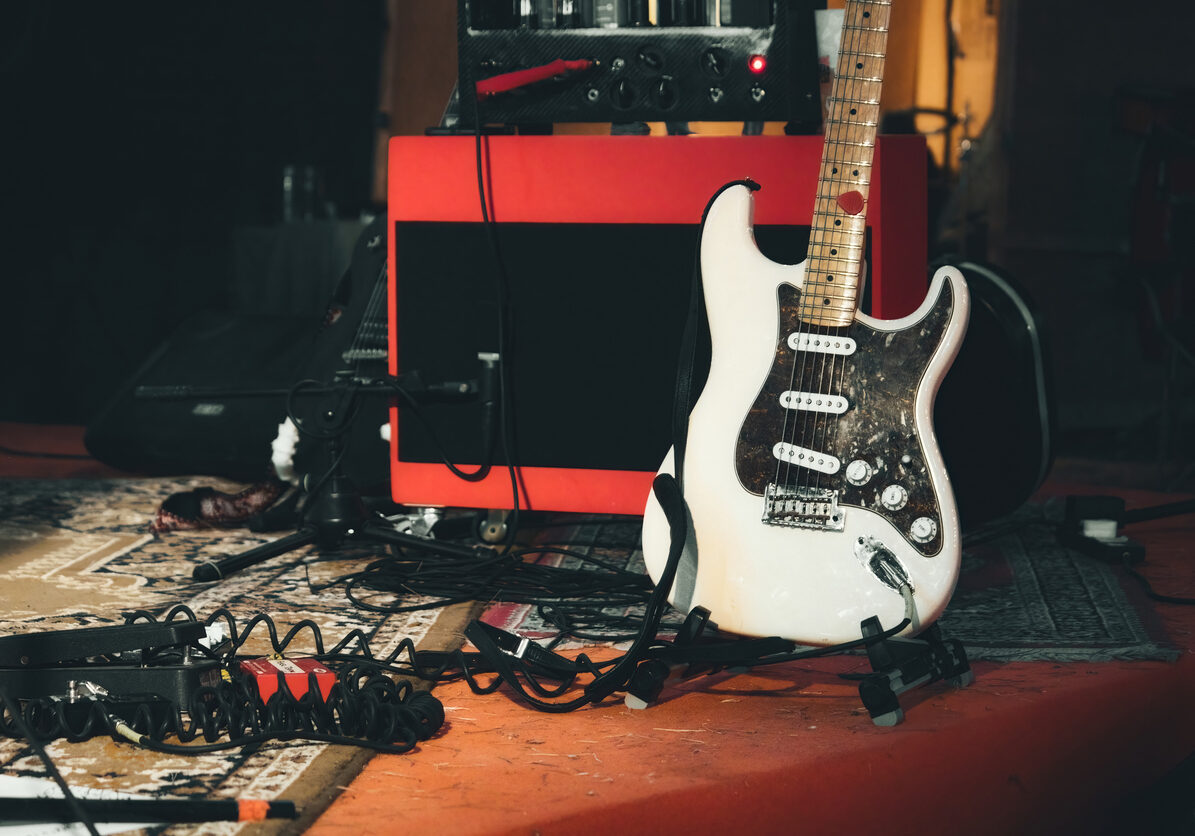

How Pedals and Effects Completely Transform Guitar Sounds
by Northern Life
Electric guitars have a fantastic range, but when combined with innovative signal shaping, their full potential is revealed
Electric guitars have a fantastic range, but when combined with innovative signal shaping, their full potential is revealed. Simple chords can become expansive soundscapes thanks to the unique ways each stompbox, processor, or rack unit modifies texture, sustain, and ambience. These gadgets are responsible for the wide range of tones that are available today, from delicate colouration to complete pandemonium. With programmable precision, a single multi-effects pedal can replace entire chains of analogue equipment by storing hundreds of tonal variants in a single chassis. Effects define identity, shape emotion, and blur the lines between instrument and imagination in contemporary music. They are more than just decorations.
Distortion: The Engine of Expression
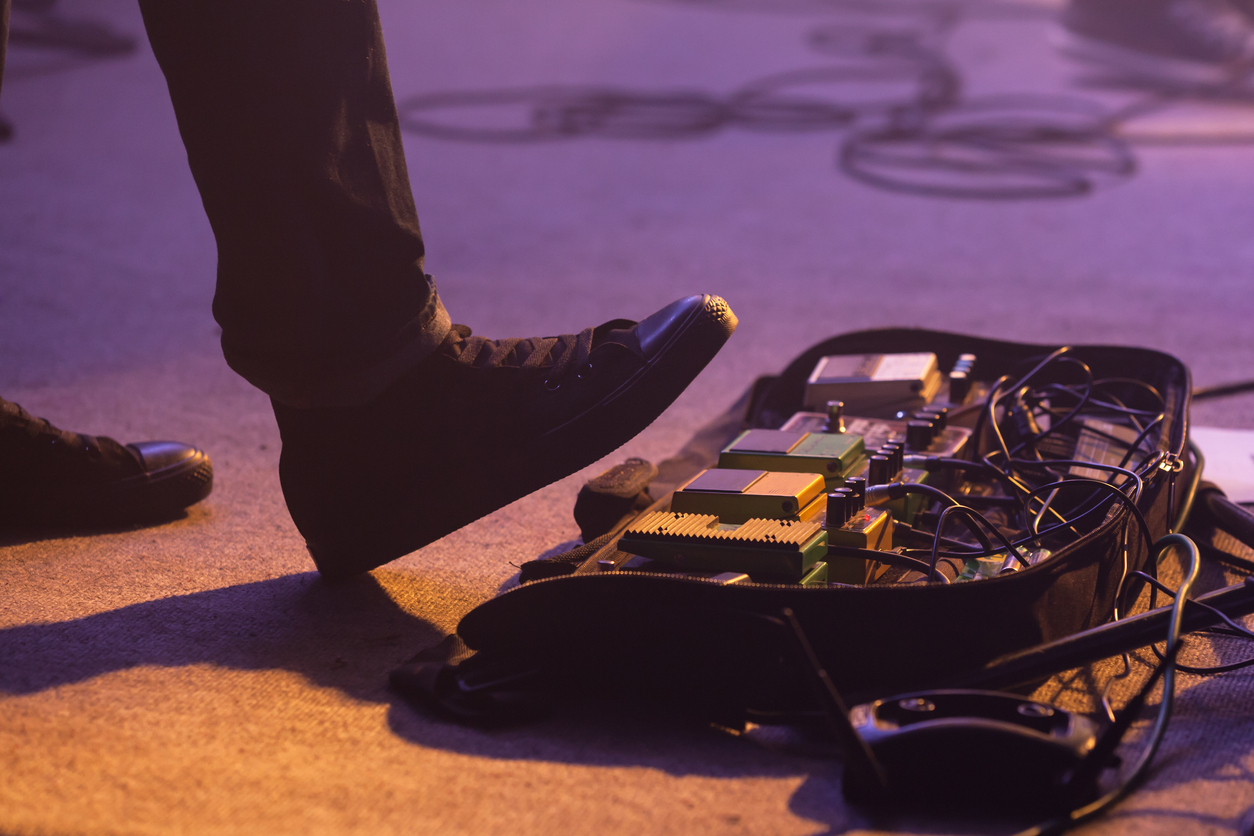
One of the few sounds representative of electric power is distortion. When signals break and bend past amplifier limits, they form a harmonic richness that is both rough and smooth. Overdrive suits blues and classic rock because it emulates the cosy, warm tone of vintage tubes. Conversely, fuzz transforms 1960s psychedelic music into its characteristic snarl by breaking up the waveform into fuzzy saturation.
The effect turns a solo instrument into an immersive experience.
Metal and hard rock are best suited to high-gain distortion, where highly compressed frequencies deliver surgical accuracy and relentless aggression. Nonetheless, even a slight crack imparts a clean-cut character and ruggedness without becoming disorganised. The trick is to find a balance between clarity and intensity, or the point where emotion becomes noise.
Reverb: Creating Space from Silence
Without ambience, the tone is dead, distant and flat. Reverb provides a sense of dimension by simulating music reflecting off walls, corridors, and cathedrals. When added to antique amplifiers, spring reverb provides a metallic lustre that evokes surf-era recordings. Plate units introduce smoother decay and were initially used in studios and are best suited to both guitar leads and vocals.
Digital processors extend the concept even more. The shimmer algorithms convert ordinary notes to ethereal choirs by overlaying octaves above the dry signal. Ambient musicians often use significant, slowly fading reverbs that obscure the distinction between rhythm and texture. The effect turns a solo instrument into an immersive experience.
Delay: Echoes That Tell Stories
Repetitive signals alter the perception of time. Delay is used sparingly to thicken tone and create a slight doubling effect of studio overdubs. A single set of notes can become a sequence in longer sessions, creating echoes that resonate with the song’s pace. The natural warble of old machines, with all the mechanical flaws that make sterile records live, is reproduced by tape-based models.
Delays can be creatively used to generate unpredictable loops and soundscapes through feedback and modulation.
Modulation: The Art of Motion
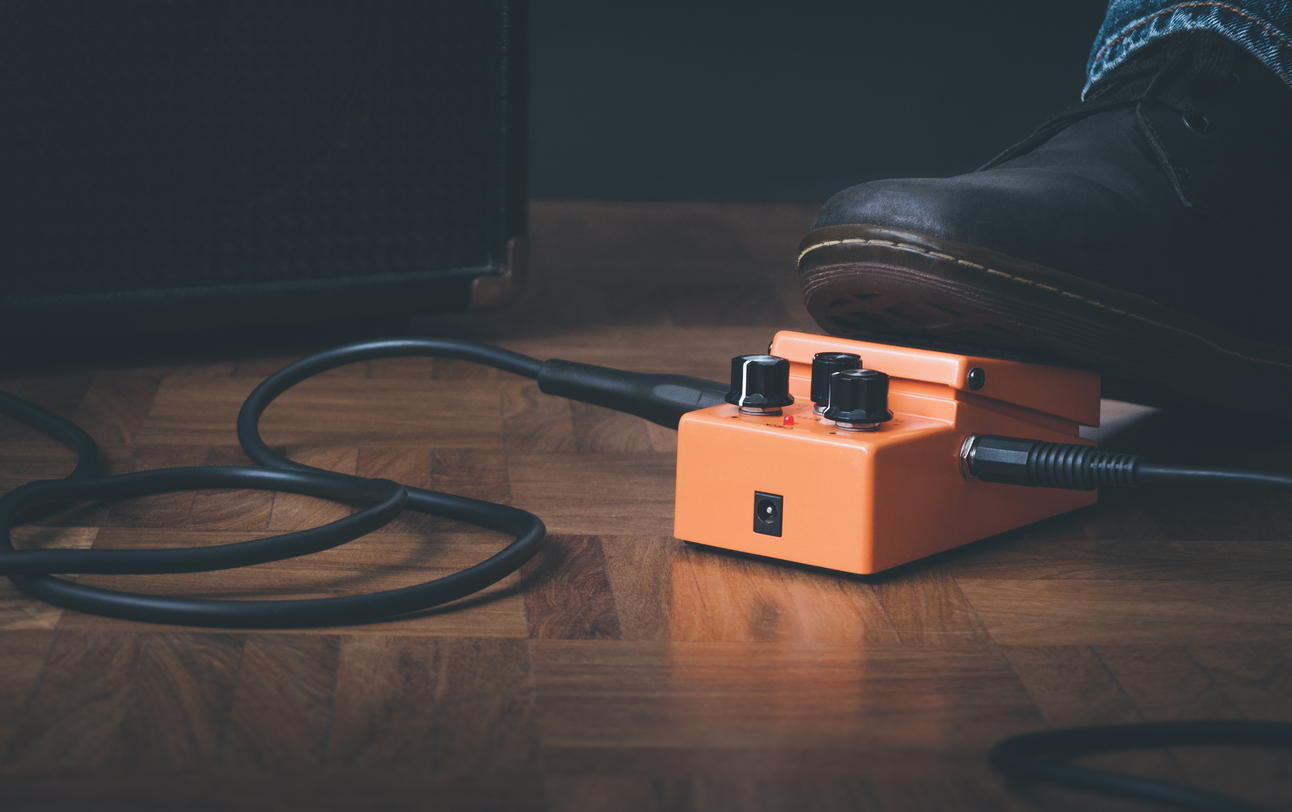
The ear quickly gets tired of a monotonous tone. Modulation effects include chorus, flanger, phaser, and tremolo, which continuously vary pitch, phase, or loudness to give the sound motion. Through microdetuning, the chorus creates the illusion of multiple instruments playing at once. Phasers cut spacing across frequencies to create motion, and flangers recombine delayed signals to create jet-like sweeps.
Ultimately, tone is a sculpture formed by vibration.
Tremolo is one of the first effects that creates a throbbing rhythm that fits well with any genre by changing the amplitude. Contemporary digital processors develop these concepts by matching modulation to waveform shape or pace to provide accurate rhythm. Such mobility changes the music’s tone, which is otherwise static, and makes it a living thing that develops over the course of the performance.
Compression: Discipline and Dynamics
Guitar sounds may differ widely depending on picking strength and technique. In order to maintain sustain, compression equalises these fluctuations by reducing peaks and boosting quieter passages. Whereas soloists make dramatic bends and legato runs using extended sustain, jazz and funk performers find it easier to maintain rhythmic purity using their finer control.
Whereas heavy compression can introduce a distinctive snap that suits percussion, clear settings maintain the natural feel. Through the knowledge of threshold and ratio settings, compression is a tool of accurate sculpturing that ensures that the tone is articulate at any dynamic.
The Pedalboard as Personal Language
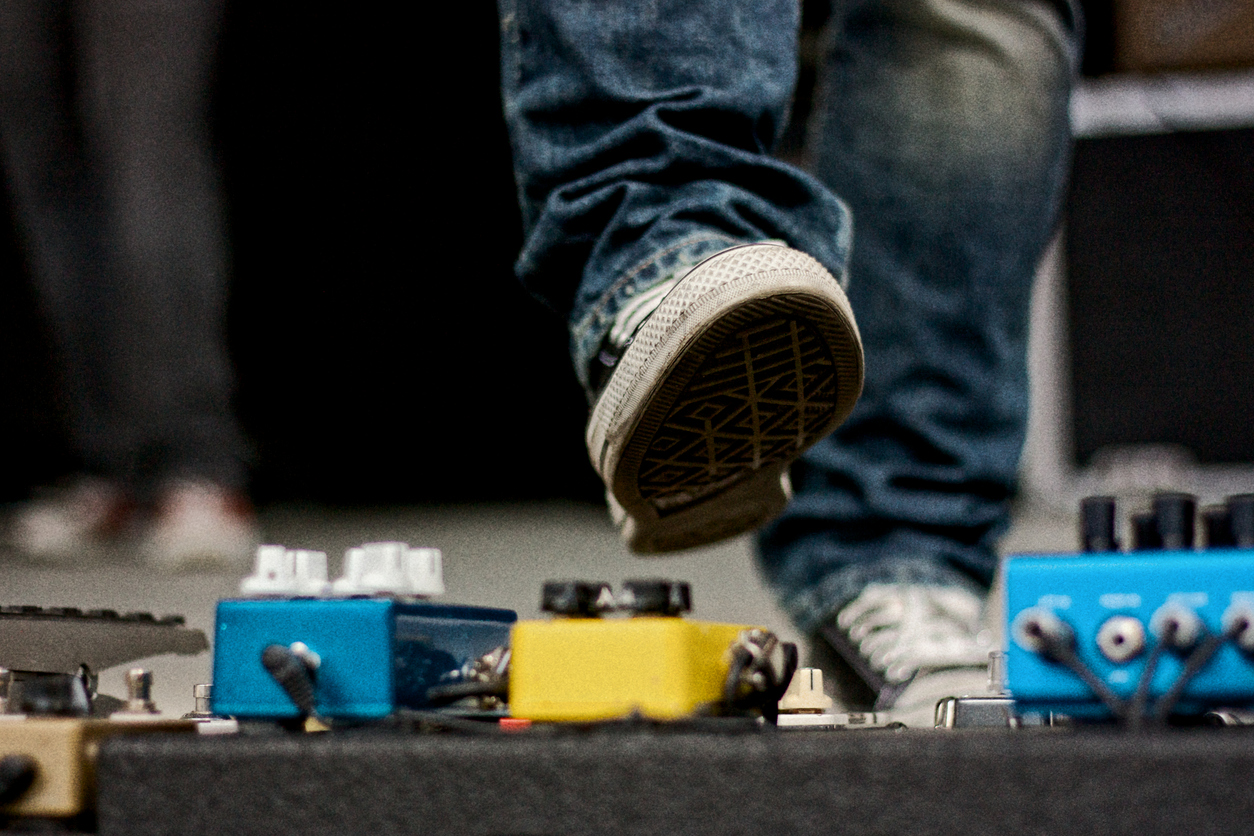
Because the tastes of each guitarist are a manifestation of their individuality, there are no two similar configurations. The sequence in which effects are stacked determines signal interaction, and chaos ensues when reverb is placed before distortion. Clarity is found when effects are stacked in the reverse order. An individual’s voice is better demonstrated through experimentation than through imitation.
Hybrid boards often combine the analogue warmth and digital flexibility. Whereas portable units such as multi-effects pedals allow complex routing and quick recall, purists stick to single pedals because they can feel it. These little computers make mid-performance changes between bluesy grit and ambient waves possible, and can recreate entire rigs in a few seconds.
Studio vs. Stage: The Balance of Control
While live settings emphasise immediacy, recording sessions need accuracy. Software plugins in studios replicate pedal chains flawlessly, enabling engineers to adjust every parameter after the performance. Physical pedals provide immediacy on stage, the delightful click underfoot, the quick change in mood.
Modern rigs bridge both worlds. Live tone replicates studio quality without the need for bulky equipment, thanks to programmable loop switchers, MIDI controllers, and modelling amplifiers. This allows artists to reproduce any recorded delicacy under unpredictable performance conditions, and flexibility has emerged as the defining quality.
Sound as Sculpture
Ultimately, tone is a sculpture formed by vibration. Together, modulation breathes motion, reverb paints space, and distortion adds grit to build emotional architecture. With pedals and processors acting as independent instruments, the modern guitarist commands an orchestra of circuitry. The palette of expression is endlessly expanded by equipment such as the multi-effects pedal, which condenses vast sound worlds underfoot. Each stomp, twist, and sweep becomes a part of a language that changes note by note, redefining what it means to use imagination and strings to create music.