
How Northern Homes Are Adapting for Better Accessibility
by Northern Life
Improving home accessibility is about making thoughtful choices that meet current needs while preparing for the future.
Northern England is seeing more homes designed with accessibility in mind as families adapt to the needs of elderly relatives and those with reduced mobility. These changes are making it easier for different generations to live together comfortably. From thoughtful design choices to smart technology, there are many ways to create living spaces that suit everyone while keeping the home’s character intact.
Addressing Entrance Challenges in Traditional Homes
One of the first areas to consider is the home’s entrance. Many Northern properties have steps, narrow paths, or uneven ground, making access difficult. Working with experts such as Mobility Solutions can help you choose ramps, wider doorways, and weather-resistant materials that suit the style of your home while improving accessibility. Adding non-slip surfaces and covered porches can provide safer entry throughout the year in areas with colder winters. Where space is tight, compact ramp designs or door modifications can make a big difference without altering the property’s overall appearance.
Every change you make to improve accessibility should also contribute to a comfortable living environment.
Preserving Character While Adding Practical Features
Homes like Yorkshire and Lancashire often have historic features worth retaining. Integrating accessibility into these properties involves using materials and finishes that match the original design. Wooden grab rails can be stained to match existing trim, and stairlifts can be selected with upholstery that blends with the décor. Choosing weather-resistant and durable materials ensures adaptations remain effective in the Northern climate, where rain and frost are common. Blending modern practicality with traditional style helps the home remain functional and welcoming.
Creating Open and Adaptable Living Spaces
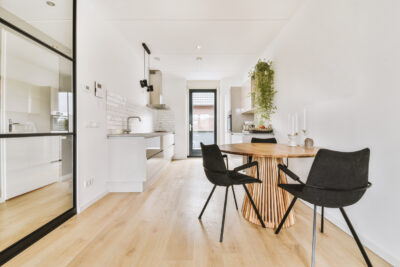
Inside the home, open-plan layouts can make moving between rooms easier for wheelchair and walking aid users. Removing unnecessary internal walls or widening doorways improves movement and allows for flexible furniture arrangements. These spaces can serve multiple purposes, such as dining, family gatherings, or light exercise. Making sure pathways remain clear and furniture is arranged with accessibility in mind helps everyone navigate the home comfortably.
Adding Smart Technology for Convenience

Smart technology offers ways to make daily living easier without large structural changes. Voice-activated systems can control lighting, heating, and entertainment, removing the need for physical switches. Video doorbells and remote locking systems allow you to manage visitors without rushing to the door. Temperature controls and humidity sensors can help address common Northern home issues, such as damp or cold spots, while maintaining comfort in different rooms. These upgrades can be fitted discreetly so they do not detract from the property’s appearance.
Improving Bathrooms for Safety and Comfort
Bathrooms are one of the most important areas to address when making a home more accessible. Wetrooms with level access eliminate trip hazards and are easier to maintain. Non-slip tiles and grab rails provide stability, while adjustable-height sinks and accessible storage help users manage daily routines more independently. Heated towel rails can provide comfort while doubling as support aids, which is particularly useful during colder months.
Making Kitchens Work for Everyone
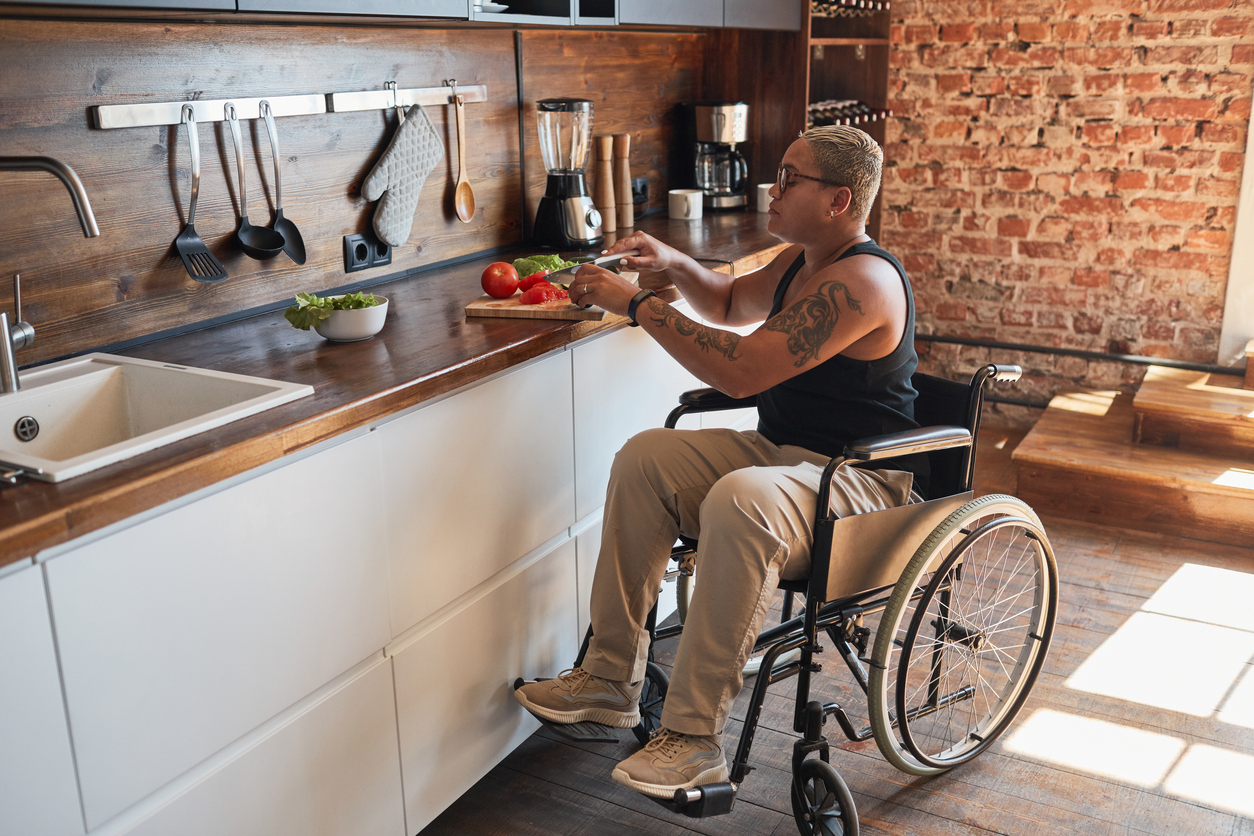
Kitchen adaptations focus on enabling safe and independent use for all family members. Installing height-adjustable worktops and pull-out shelving makes cooking and cleaning easier. Side-opening ovens and appliances positioned at comfortable heights reduce the need for bending or stretching. Accessible storage and clear floor space around key areas, such as sinks and cookers, make movement more manageable while keeping the space practical for the whole household.
Using Durable Materials for Long-Term Adaptations
Northern weather can be demanding on a property’s interior and exterior. It is important to choose materials that can handle damp conditions, temperature changes, and frequent use. Treated hardwoods, composite decking, and frost-resistant concrete work well outdoors, while high-quality fixtures and fittings indoors help keep adaptations reliable over time. These choices reduce maintenance needs and ensure accessibility features continue to work effectively.
Planning for Multi-Generational Living

If your home supports multiple generations, it is helpful to create private and shared spaces that are equally accessible. Bedrooms and bathrooms on the ground floor can make life easier for those with reduced mobility, while shared living areas can be arranged so everyone can use them comfortably. Flexible room layouts mean spaces can adapt as needs change, allowing the home to remain suitable for years.
Seeking Support for Home Adaptations
Adapting a home can involve a significant investment, but funding options are available. Local councils offer grants and assessment services to identify the most important changes for your situation. Occupational therapists can advise on practical adjustments and help you prioritise them. Temporary equipment loans are sometimes available while waiting for permanent installations, which can help maintain independence during the process.
Combining Practicality with Comfort
Every change you make to improve accessibility should also contribute to a comfortable living environment. Choosing designs and products that suit your home’s style ensures it remains a pleasant place to live. By balancing practical needs with personal taste, you can create a space that feels welcoming while meeting mobility requirements.
Moving Forward with Home Adaptations
Improving home accessibility is about making thoughtful choices that meet current needs while preparing for the future. You can create a home that supports independence and family life with the right advice, practical solutions, and quality installations.
Consider the areas of your home that could be easier to use, from entrances to kitchens and bathrooms. Explore the options available, seek professional guidance, and make the changes that will benefit you and your family now and in the years ahead.