
How Men’s Street Style Took Over 2025 (and What’s Next)
by Northern Life
Streetwear is no longer in catch-up mode. It’s leading. What began as a subculture with the origins of skate parks and city corners now shapes the entire men’s fashion dialogue. According to the latest data, the global streetwear market is anticipated to grow from USD 347.14 billion in 2024 to USD 637.13 billion by 2032.
It’s everywhere: on the runways, on Instagram, in neighbourhood coffee shops, and corporate offices. Men are no longer dressing just for function. They’re dressing for identity.” In 2025, street style is not about rebellion. It’s a matter of realness, comfort, and culture.
So how did we reach this point — and where is this all headed? Let’s find out!
The Shift from Suits to Self-Expression

Men’s wardrobes have seen a major reset. Tailored suits and stiff collars no longer define success. Instead, you now see fluid fits, lived-in fabrics, and bold graphics. This shift didn’t happen overnight.
Skateboarding, hip-hop, and sneaker culture laid the groundwork. These worlds showed that fashion didn’t need to be stiff or silent. It could speak—loudly.
And that idea stuck. It spread across cities, brands, and platforms. The suit lost its spot as the uniform of masculinity. In its place? Clothes that reflect personality, not status.
Streetwear helped open that door. It said, “Wear what feels like you.” And men listened.
Streetwear Staples That Define 2025

The street style aesthetic is predicated on a kind of balance between comfort and detail. In 2025, you aren’t simply pulling on a hoodie and calling it a look. There is order in the chaos.
- Oversized hoodies: They are still king, but they’re more refined, with cleaner lines and less sheer fabrics. They’re comfortable but look presidential.
- Modern sweatpants: They’ve come a long way from workout garb. The sweatpants of the present day, particularly those produced by high-end streetwear brands, often straddle the line between loungewear and luxury. They have structured cuts, clean stitching, and elevated fabric blends. You can throw them on for brunch, the airport, or a creative office; they always work.
- Statement sneakers: These are still the anchor. They take outfits and connect them; they push them forward. From chunky soles to stripped-back designs, sneakers tell a story.
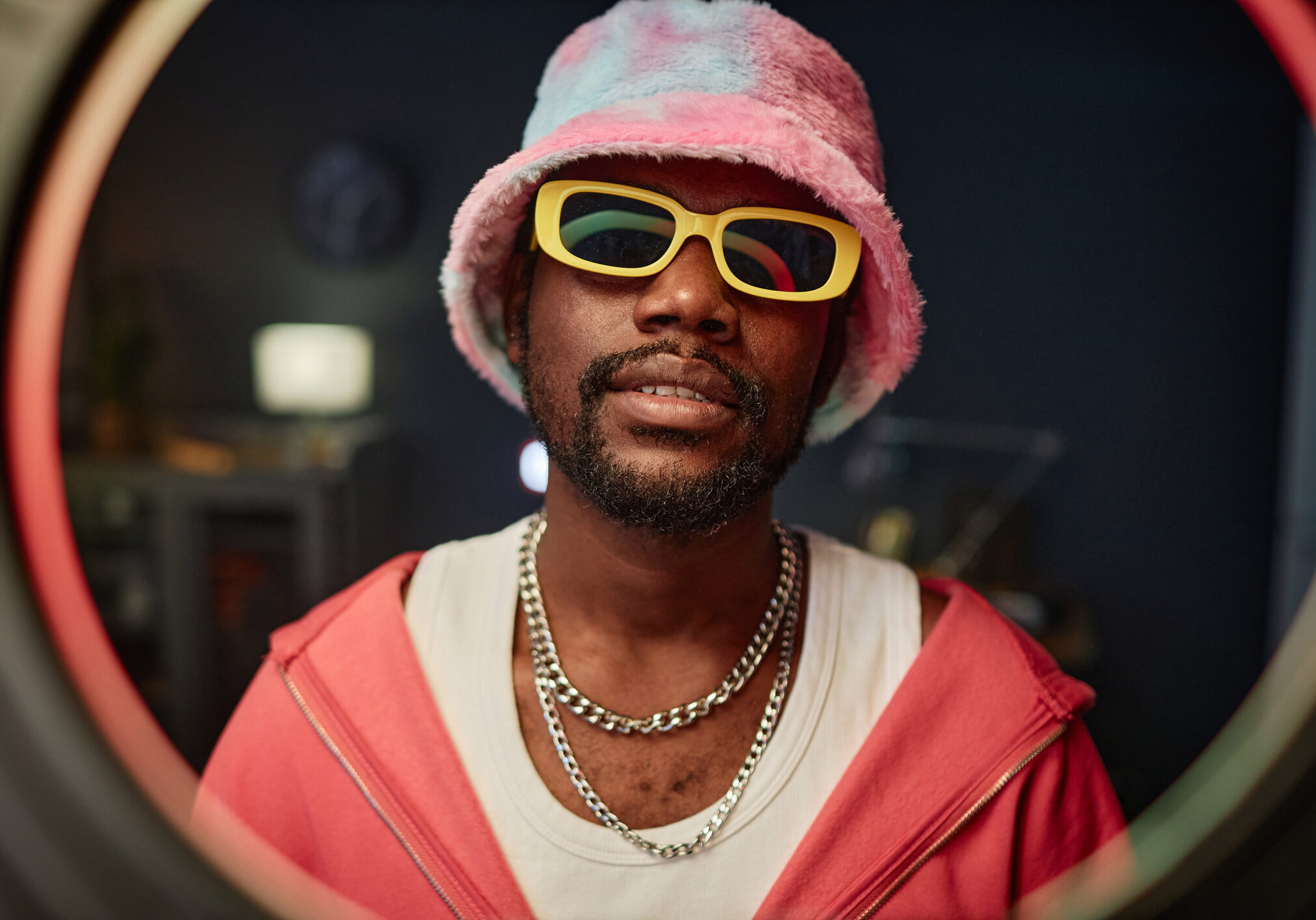
- Bucket hats: These have also quietly returned, particularly in monochrome or textured fabrics. They pay homage tonostalgia but seem novel again. Accessories like headwear have become an extension of personal branding, and options such as custom richardson online hats make it easier for individuals and groups to align everyday style with identity, community, or creative expression.
You’ll also notice a healthy dose of neutrals and strong graphics. Think plaid jackets worn over tees with wild prints. It’s some contrast and some balance.
Social Media’s Role in Popularising Streetwear
Fashion no longer comes top-down. It flows sideways. Platforms like TikTok, Instagram, and YouTube have flipped the industry. You don’t need to be a celebrity to influence trends. You just need good taste and a phone camera.
Creators build personal brands through daily outfit videos, “get ready with me” clips, and thrift hauls. And viewers watch—by the millions.
What starts as niche content quickly spills into mainstream fashion. You might scroll past a post showing how to style wide-leg pants, then notice them showing up in your local store a week later.
Even better? Viewers trust these creators more than traditional ads. These are real people wearing real clothes in real life. And that trust has power.
You don’t just follow them—you copy them.
Sustainability and Quality Now Matter More

Fast fashion has lost its shine. Cheap trends and poor quality don’t cut it anymore, especially with younger buyers.
Instead, you’re seeing a return to intentional fashion. That means fewer impulse buys and more investment pieces. Men want clothing that lasts, both in wear and style.
Streetwear adapted. Brands now focus on timeless silhouettes and premium materials. Sweatshirts that hold their shape, pants that resist fading—quality over quantity is back.
This shift isn’t just about taste. It’s about values. Conscious shoppers now ask: Who made this? What’s it made of? How long will it last?
Durability is the new cool.
What’s Next for Men’s Street Style?
Streetwear won’t stay still. It never does. But it’s not vanishing—it’s evolving.
Expect more tech-infused fashion. Fabrics that breathe better, track movement, or adjust to temperature. These innovations won’t just feel futuristic—they’ll make daily wear smarter.
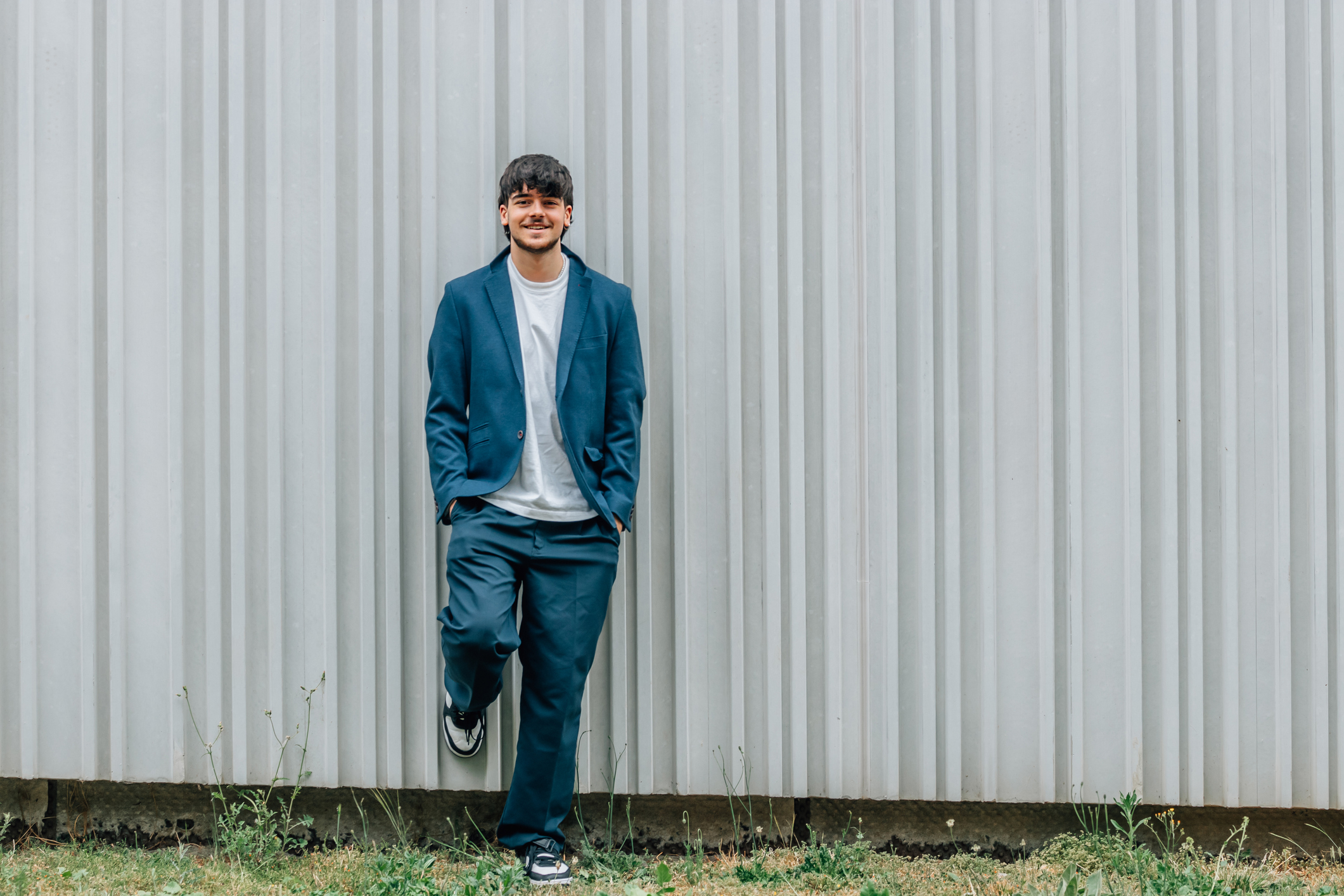
You’ll also see streetwear blend with tailoring. Think soft blazers paired with drawstring trousers. For when you need to match comfort and polish Double Two, an online ties & shirts shop can help.
And global influence? It’s only growing. Asian and African fashion cultures are already inspiring streetwear in Europe and North America. Expect more fusion, more colour, and more shape play.
Men’s style is entering its most diverse chapter yet. There are no fixed rules anymore—only possibilities.
Conclusion
Streetwear transformed not just what guys wear — but how they think about style. In 2025, it’s not so much about trends as it is about self-expression, comfort, and cultural impact. And the progression of men’s street style from here feels like it will only accelerate.