

Historic student unions in Lancashire and Yorkshire
by Northern Life
The student population in England has played a key role in university life and in young people’s rights advocacy.
The student movement was strongest in Lancashire and Yorkshire. Trade unions have not only been spaces of political representation but also engines of social, cultural, and educational change.
Many things are said about history and facts these days; however, you can know whether it comes from a deep investigation or not with an IA detector if you click here. In this article, we can learn about the influence of student unions in these two regions.
Historical context in Lancashire and Yorkshire
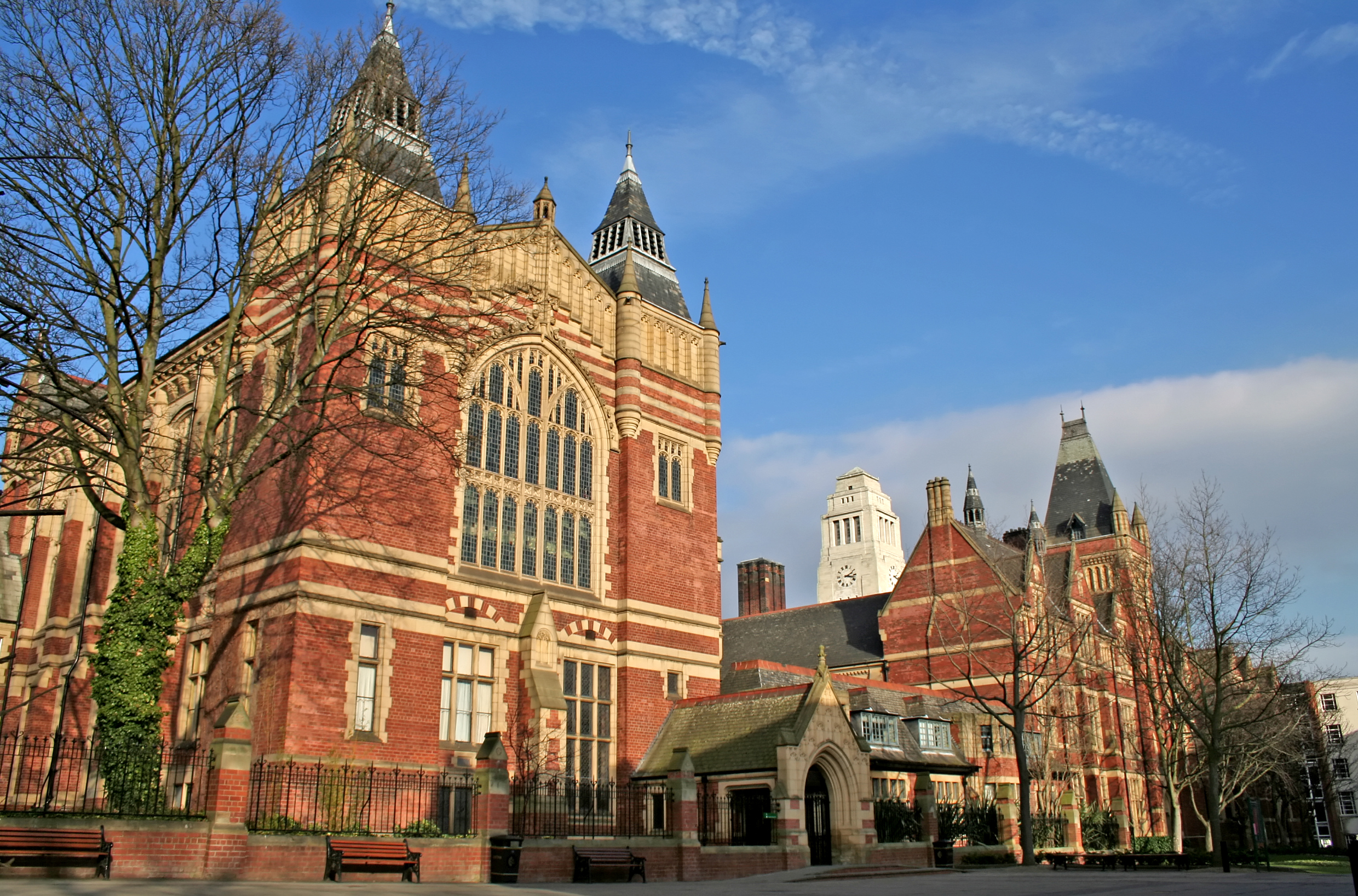
Campus of University of Leeds, UK
The origin of student unions in Lancashire and Yorkshire cannot be understood without their social background. Primarily, industry and education have been transformational for these regions.
The Yorkshire region is home to prestigious universities such as Leeds, Sheffield, and York. However, Lancashire is home to the University of Lancaster, the University of Central Lancashire (UCLan), and other polytechnics.
Both institutions grew between the 1960s and 1980s. At the same time, there was a big push for student organisations to form unions that could defend students’ rights.
The first student unions
The emergence of student unions in the North of England responded to a dynamic social context. Their evolution reflected youth commitment and organisation.
Inspiration from labour unionism
Labour unions inspired the first group of student unions. This group focused on democratic structures, committees and an internal voting system to elect representatives.
Mainly, their involvement was seen in the issues of scholarships, access to the library or university accommodation.
Consolidation in the 20th century
Towards the middle of the 20th century, student unions in Leeds, Sheffield and Lancaster gained notoriety for their mobilisation capacity. Campaigns were organised for partially free education, against fee increases and for the inclusion of women and international students in decision-making spaces.
The student movement in Yorkshire

Yorkshire was a fertile ground for university activism. Its student unions combined political struggle with an intense cultural life.
Leeds University Union
One of the oldest and most powerful student unions in the UK. It was founded at the end of the 19th century. Since then, it has been a pioneer in gender equality campaigns. Its forte is support for marginalised communities. Another of its strengths is the creation of cultural and sports clubs. During the 1960s and 1970s, it became a nucleus of anti-Vietnam War and civil rights activism.
Sheffield Students’ Union
Sheffield University’s Students’ Union is notable for having maintained a balance between cultural life and political advocacy. Its legendary building, the Octagon Centre, was the scene of mass assemblies and concerts that reflected the fusion of popular culture and political engagement.
Other unions in Yorkshire
In addition to Leeds and Sheffield, student unions in York, Hull and Bradford played a significant role in campaigning against racial discrimination and in the integration of students from Commonwealth countries.
The student movement in Lancashire
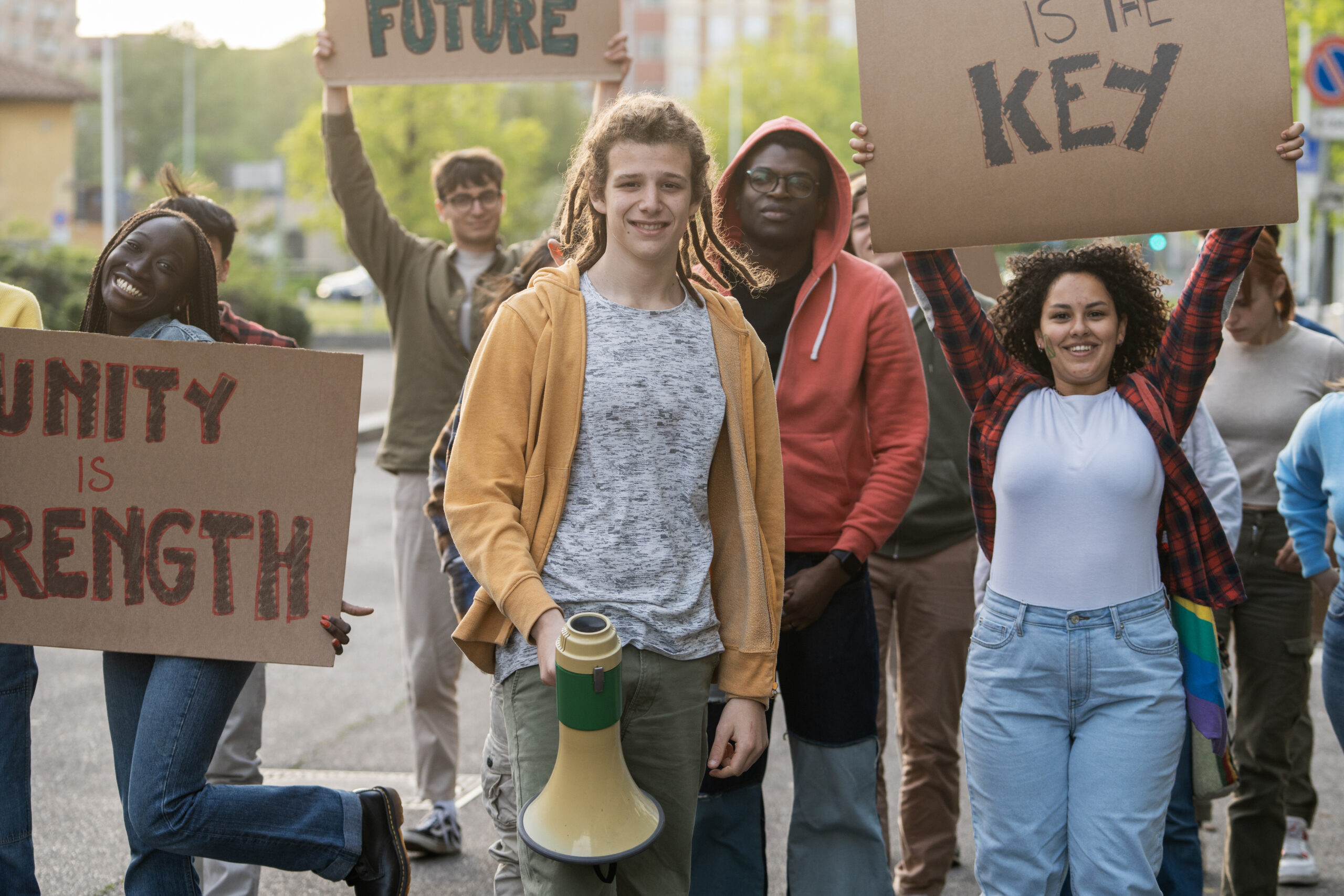
In Lancashire, student unions emerged strongly during the 20th century. Their actions reflected social commitment and community advocacy.
Lancaster University Students’ Union (LUSU)
Founded in 1964. It was established at the time of the founding of Lancaster University. From its inception, it advocated student participation in academic councils. It also developed a network of extra-curricular activities. The idea was to strengthen the university identity. In the 1980s, the union was involved in protests against South African apartheid.
University of Central Lancashire Students’ Union
The Preston branch of Lancashire also has a student union. It has played a key role in representing a diverse student population. It has the highest percentage of first-generation university students. Its participants are driving programmes of financial support, legal advice and career guidance. It is one of the most established in terms of social protection.
Other unions in Lancashire
In institutions such as Edge Hill University and Bolton, student unions contributed to strengthening access to arts, sports and voluntary activities, responding to the need for integration in local contexts with fewer cultural offerings than the big cities.
Shared mobilisations and struggles

The Lancashire and Yorkshire unions joined forces on multiple causes. Their activism transcended the local and went international.
Against university fees
In both Lancashire and Yorkshire, unions joined together in national campaigns against the introduction of university fees in the 1990s. These protests, which reached mass marches in London, reflected the cohesion between the different regions.
Equality and diversity
They have always been prominent in defending women’s rights. They also support LGBT and international student communities. They set up specific commissions and developed policies of inclusion long before these became a national trend.
International solidarity
Links with global movements, such as opposition to apartheid or denouncing dictatorships in Latin America, were constant. Student unions in Leeds, Sheffield and Lancaster were among the first to establish relations with international human rights organisations.
Cultural and social impact
The role of the student unions went beyond politics. Their cultural and social contributions shaped generations of university students.
Centres of community life
Student unions were not only spaces for political debate. They also promoted artistic activities, music festivals and sports competitions that enriched university life. In industrial cities where cultural opportunities could be limited, the unions became real community centres.
Developing leaders
Many political, trade union and cultural leaders in the UK began their careers in these unions. The experience of organising campaigns, managing budgets and negotiating with authorities served as a platform for later careers in public life.
Contemporary challenges
Student unions in the North of England face new challenges. Their functions must adapt to changing economic and digital contexts.
Financial challenges
Today, unions face financial pressures due to shrinking resources and rising tuition fees. The need to self-finance through pubs, bookshops or trade events has led to tensions between their representative role and their financial obligations.
Digital inclusion
Contemporary student life demands a strong digital component. Unions in the North of England have had to adapt their structures to respond to students requiring support in hybrid environments and virtual representation platforms.
Students’ unions in Lancashire and Yorkshire strongly believe in defending their rights in social, cultural, and intellectual life, a tradition that has marked different generations for centuries.
Despite facing new challenges today, the role of the unions reflects how a university community can organise itself to resist and transform its environment.