

Hair Loss Choices: Seeing a Specialist or Trying Home Remedies
by Northern Life
Navigating hair change is a personal journey
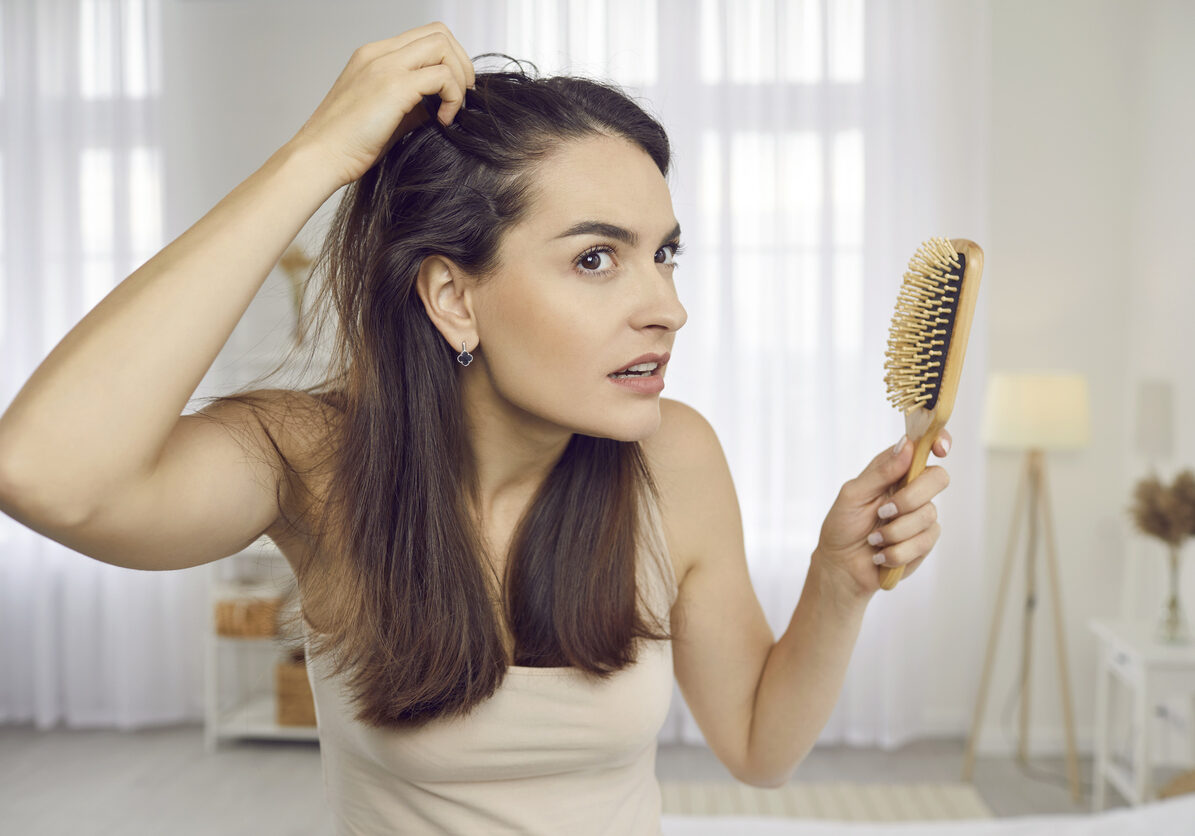
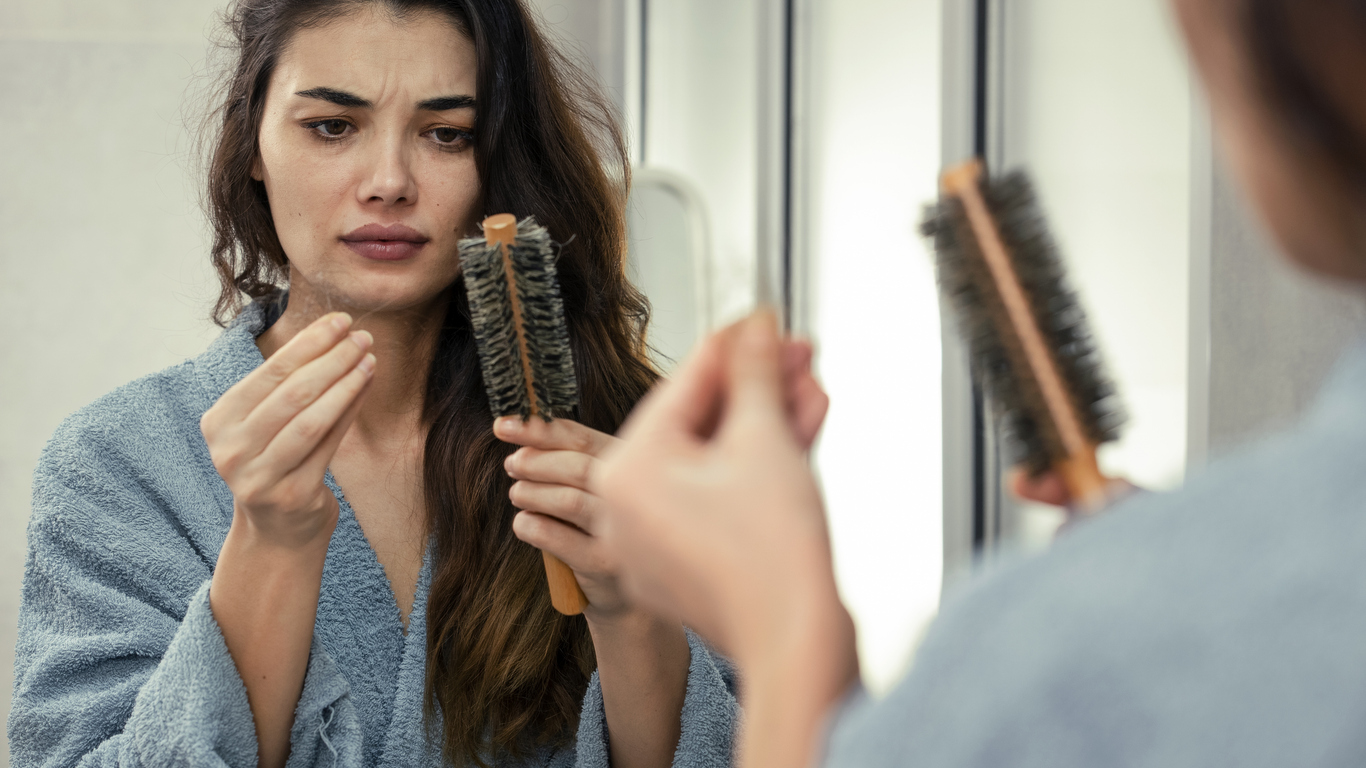
Watching strands gather in the brush or thin across the scalp can feel uniquely disquieting. It’s a quiet shift, often laden with questions of identity and vitality—this retreat of hair, whether gradual or sudden, sends many searching for solutions. Today’s landscape offers two distinct paths: the domain of professional intervention and the sphere of home-based self-care. Each avenue carries different promises, costs, and philosophies. Understanding their distinctions is crucial for crafting a response that aligns with both your physiological reality and personal approach to wellness.
Seeking Clarity with a Professional
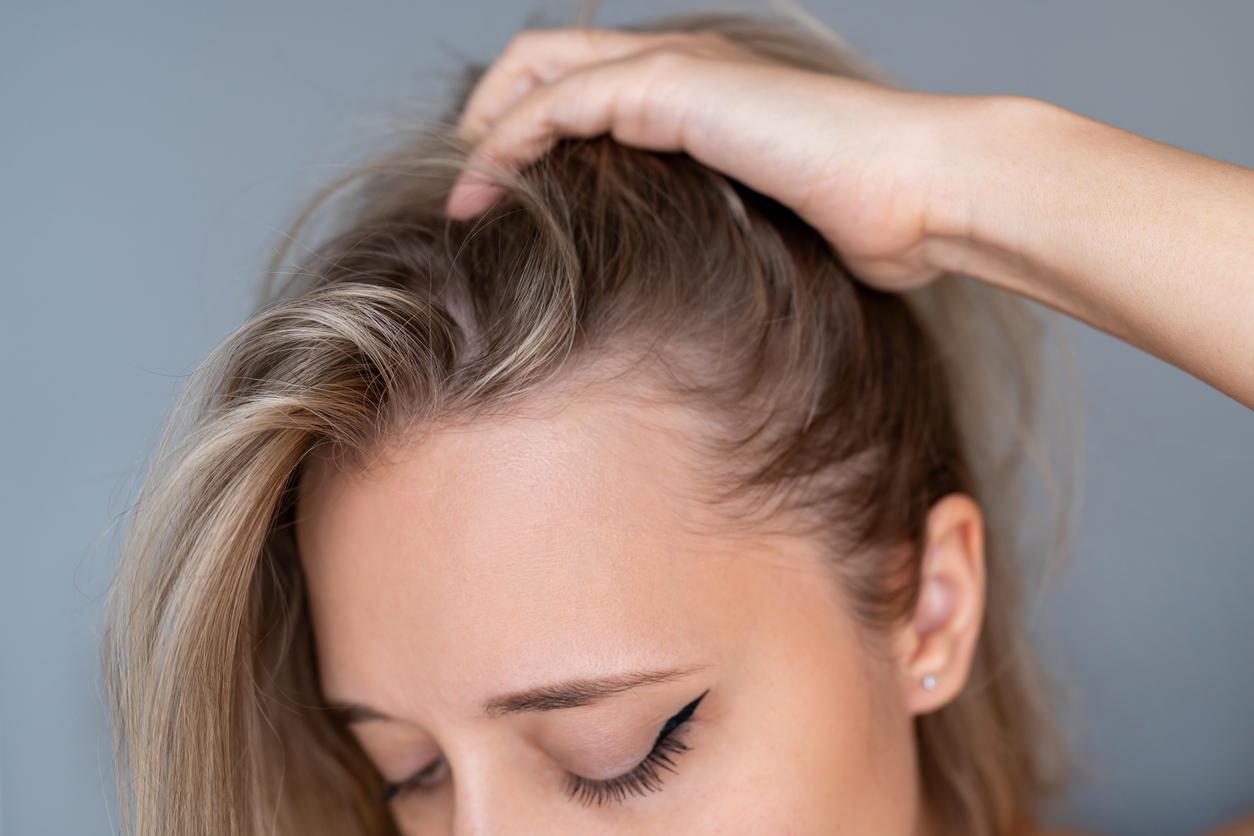
Before embarking on any corrective journey, defining the cause is essential. Hair loss stems from numerous origins, including genetics, hormonal shifts, autoimmune responses, nutrient deficiencies, or significant stress. A professional diagnosis provides the necessary map. A consultation with a specialist like Dr. Bonaros can identify the specific pattern and underlying mechanisms at play, moving beyond guesswork. This step often involves scalp analysis, blood tests, and a detailed review of medical history, transforming an emotional concern into a defined, addressable condition.
Clinical Interventions: Targeted Power
For many diagnosed patterns, particularly androgenetic alopecia, medical science provides proven pharmaceutical tools—topical formulations containing minoxidil work by prolonging the hair’s growth phase. Oral prescriptions such as finasteride act systemically to inhibit the hormone responsible for follicular miniaturisation. These options require ongoing commitment and may carry possible side effects, necessitating professional oversight. Their strength lies in their targeted biochemical action, validated by extensive clinical research.
In-Office Procedures and Technology
Beyond pharmacology, clinics offer advanced procedural interventions. Platelet-Rich Plasma (PRP) therapy involves injecting concentrated growth factors derived from your own blood into the scalp, aiming to stimulate dormant follicles. Laser light devices, both in-office and for home use under guidance, are proposed to increase cellular energy and blood flow within the scalp tissue. These modalities represent a significant investment and are often most effective when integrated into a broader, professionally managed treatment plan.
The Home-Based Approach: Consistency and Care
Conversely, the self-care path emphasises holistic nourishment and gentle, consistent practice. This philosophy views scalp health as an extension of overall bodily balance. It involves daily rituals, dietary mindfulness, and the application of natural, often kitchen-sourced, preparations. Success here is measured not in rapid regrowth but in improved texture, reduced shedding, and a sense of proactive engagement with one’s own well-being.
Nutritional Foundations and Ritual
Fundamental to any home strategy is internal support. Ensuring adequate intake of key nutrients, iron, zinc, vitamin D, and protein, provides the raw materials for keratin production. External rituals might include regular scalp massage with gentle oils like rosemary or pumpkin seed, believed by some traditions to support circulation and follicle health. Herbal rinses from plants like nettle or green tea are also popular components, aiming to cleanse and soothe the scalp environment without harsh chemicals.
Evaluating the DIY Landscape
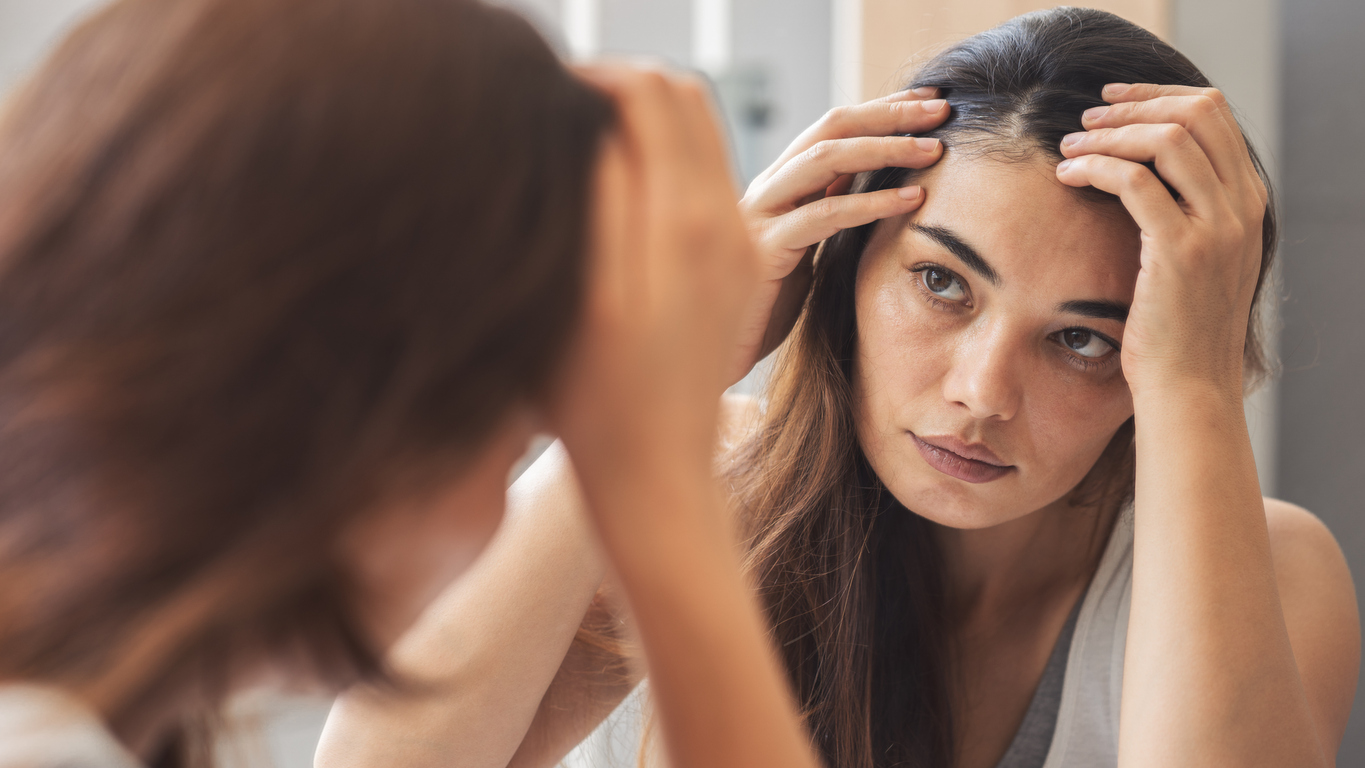
The realm of home remedies is vast and largely unregulated. While practices like massage offer low-risk benefits, the efficacy of many touted natural applications lacks robust scientific substantiation. Distinguishing between benign, supportive care and unproven claims is vital. This route demands patience, realistic expectations, and a willingness to experiment without guaranteed, measurable outcomes akin to clinical studies.
Synthesis and Personal Choice
Ultimately, the decision between these paths is rarely absolute. Many find a hybrid model most effective. A professional diagnosis and a core medical treatment can establish a strong foundation, upon which supportive nutritional and ritualistic practices are layered. This combined approach addresses the condition from both a targeted, pathological standpoint and a broader, holistic wellness perspective.
Navigating hair change is a personal expedition. Whether choosing the precision of the clinic, the autonomy of home care, or a blend of both, the most sustainable plan is one informed by clarity, aligned with your values, and undertaken with mindful patience. The goal shifts from merely reversing loss to cultivating a sense of health and agency, regardless of the number of strands in the brush.