
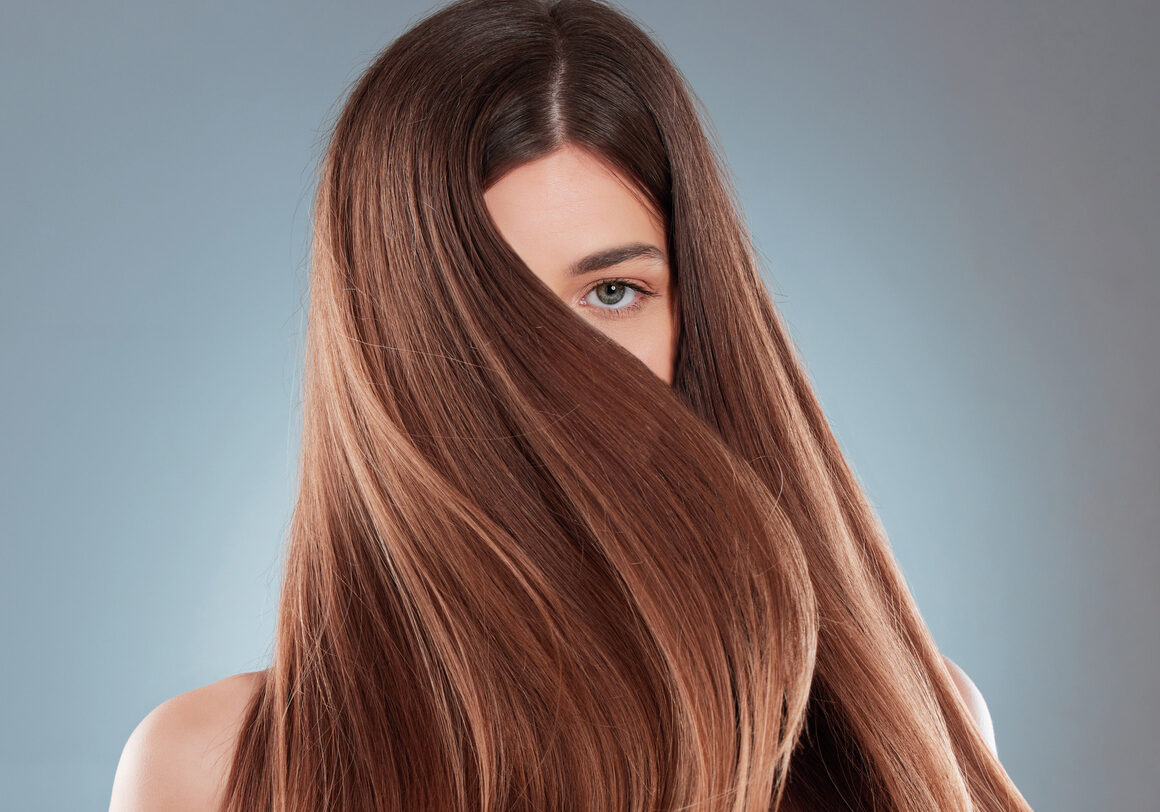

Goodbye greasy roots: The benefits of switching to silicone-free conditioner
by Northern Life
For years, I thought I just had naturally greasy hair. By lunchtime, my roots would look limp and oily, whilst the ends remained frustratingly dry. I’d wash my hair more frequently, which only seemed to make things worse. The cycle was exhausting, and I’d pretty much resigned myself to always carrying dry shampoo and never quite feeling like my hair looked properly clean.
Then a hairdresser mentioned silicones during a cu,t and suddenly everything made sense. Those smooth, shiny conditioners I’d been religiously using? They were coating my hair in a film that was weighing it down, making my scalp produce more oil to compensate, and generally creating the exact problem I was trying to solve. Switching to silicone-free conditioner wasn’t an instant miracle, but within a few weeks, the difference was remarkable.

What silicone conditioners actually do to your hair
Silicones aren’t inherently evil – they’re in most conventional hair products for good reason. They create slip, make hair feel smooth, add shine and provide heat protection. Look for ingredients ending in “-cone” or “-siloxane” on your bottle, and you’ll find them lurking in nearly everything.
The problem is that silicones sit on the hair’s surface rather than penetrating it. Over time, they build up, creating a coating that prevents moisture from getting in and can make hair look dull and feel heavy. Your hair might feel lovely immediately after washing, but that smoothness is artificial. It’s not actually healthy hair, just hair wrapped in a plastic-like coating.
The adjustment period nobody warns you about

Here’s the thing they don’t tell you: when you first switch to silicone-free conditioner, your hair might feel worse before it feels better. This transition period can last anywhere from two weeks to a month, depending on how much build-up you’ve accumulated. Your hair might feel rough, tangly, or just generally weird.
This is completely normal and happens because the silicones gradually wash out, revealing your hair’s true condition underneath. It’s tempting to give up during this phase and go back to your silky silicone conditioner, but pushing through is absolutely worth it. Once the build-up clears, you’ll see what your hair actually looks like without the coating.
What happens after you commit to silicone-free hair
After the adjustment period, most people notice several improvements. Hair feels lighter and has more natural movement. Roots stay cleaner for longer because your scalp isn’t overcompensating for the coating. Styling products actually work properly because they can penetrate the hair shaft rather than sitting on top of silicones. And perhaps best of all, your hair can actually benefit from treatments and masks.
Speaking of masks, incorporating a protein hair mask once you’ve gone silicone-free can be transformative. Without silicone build-up blocking the way, proteins can actually strengthen the hair structure from within rather than just sitting uselessly on the surface. This is particularly brilliant for damaged or colour-treated hair.
Finding the right silicone-free products
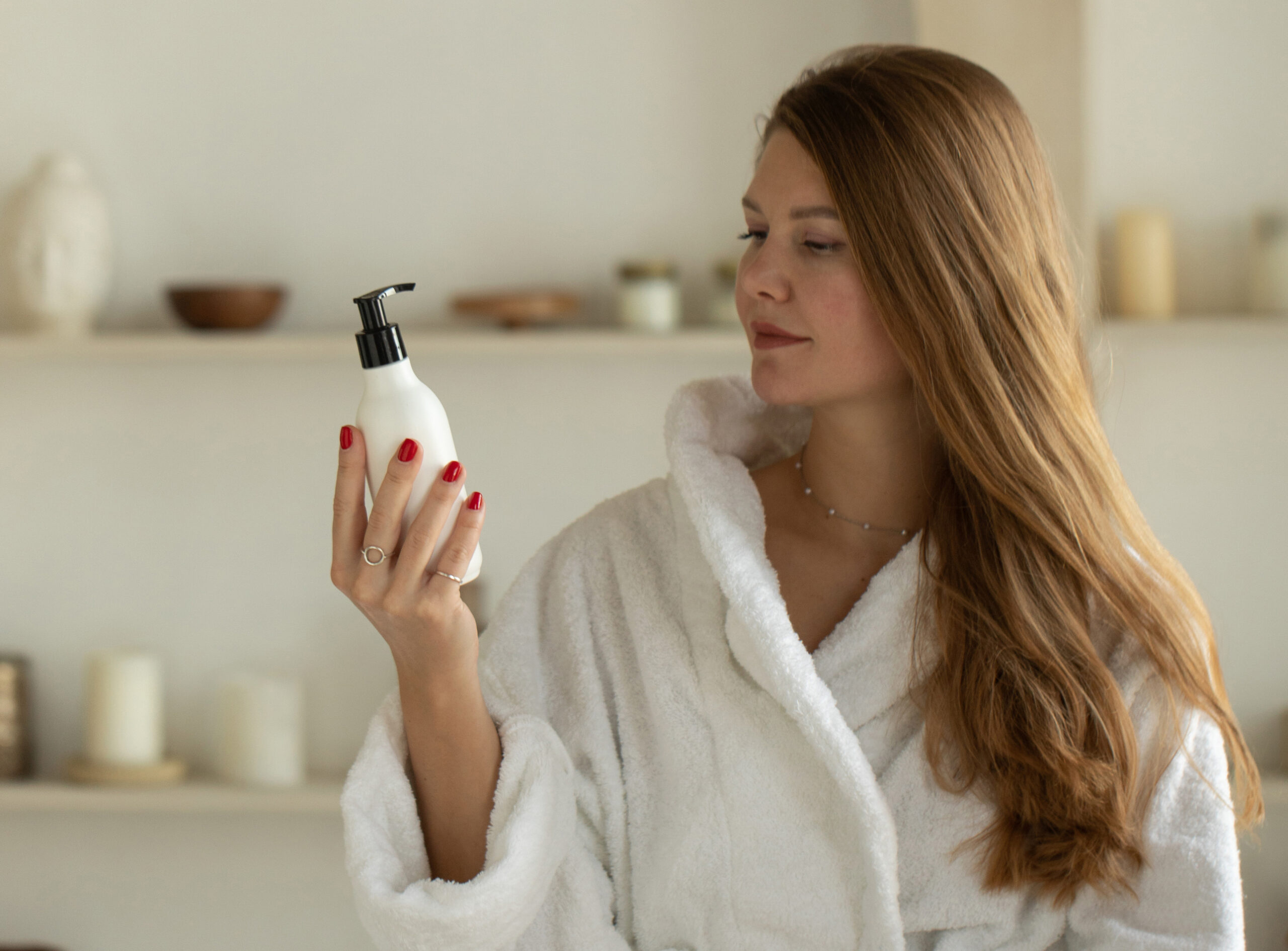
The silicone-free hair care market has exploded recently, which is both helpful and overwhelming. You’re no longer limited to niche health food shop brands – mainstream retailers like Notino now stock extensive ranges of silicone-free options at various price points, making it far easier to find something that works for your hair type and budget.
Look for conditioners with nourishing ingredients like shea butter, coconut oil, or plant-based proteins. These provide moisture and slip without the build-up. If your hair is particularly fine or gets greasy easily, lighter formulations with ingredients like aloe vera or panthenol work brilliantly. Thicker, coarser hair benefits from richer formulations with heavier plant butters.
The Northern climate factor

Living in the North of England, we deal with hard water, cold winds, and central heating that strips moisture from everything. These factors make hair care particularly challenging, and silicone build-up combined with hard water creates an especially grim situation. The minerals in hard water cling to silicone residue, making build-up even worse.
Switching to silicone-free products helps significantly with this. Without the coating, hard-water minerals rinse away more easily, and your hair responds better to changing weather conditions. You might still want a clarifying shampoo occasionally if your water’s particularly hard, but the overall situation improves dramatically.
When silicones might still be useful
To be fair, silicone-free isn’t essential for everyone. If you use heat styling tools frequently, occasional silicone-containing heat protectants can be useful. Some people with extremely coarse or curly hair find that certain silicones (particularly water-soluble ones like dimethicone copolyol) help manage their texture without causing problems.
The key is being intentional about it rather than unknowingly coating your hair in build-up every single day. If you do use silicone products occasionally, make sure you clarify regularly to prevent buildup.
The difference it makes
Six months after switching to silicone-free conditioner, my hair is genuinely healthier. It holds styles better, looks cleaner for longer, and actually has volume at the roots instead of that sad, flat look I’d accepted as normal. The dry shampoo lives at the back of the bathroom cabinet now rather than in my handbag.
If you’re struggling with hair that never quite feels clean, looks limp despite your best efforts, or just generally isn’t behaving, silicones might be your culprit. It’s worth trying silicone-free options for at least a month – you might discover that what you thought was your natural hair texture was actually just years of product build-up.