
Driving Sustainability in the Workplace with Digital Tools
by Northern Life
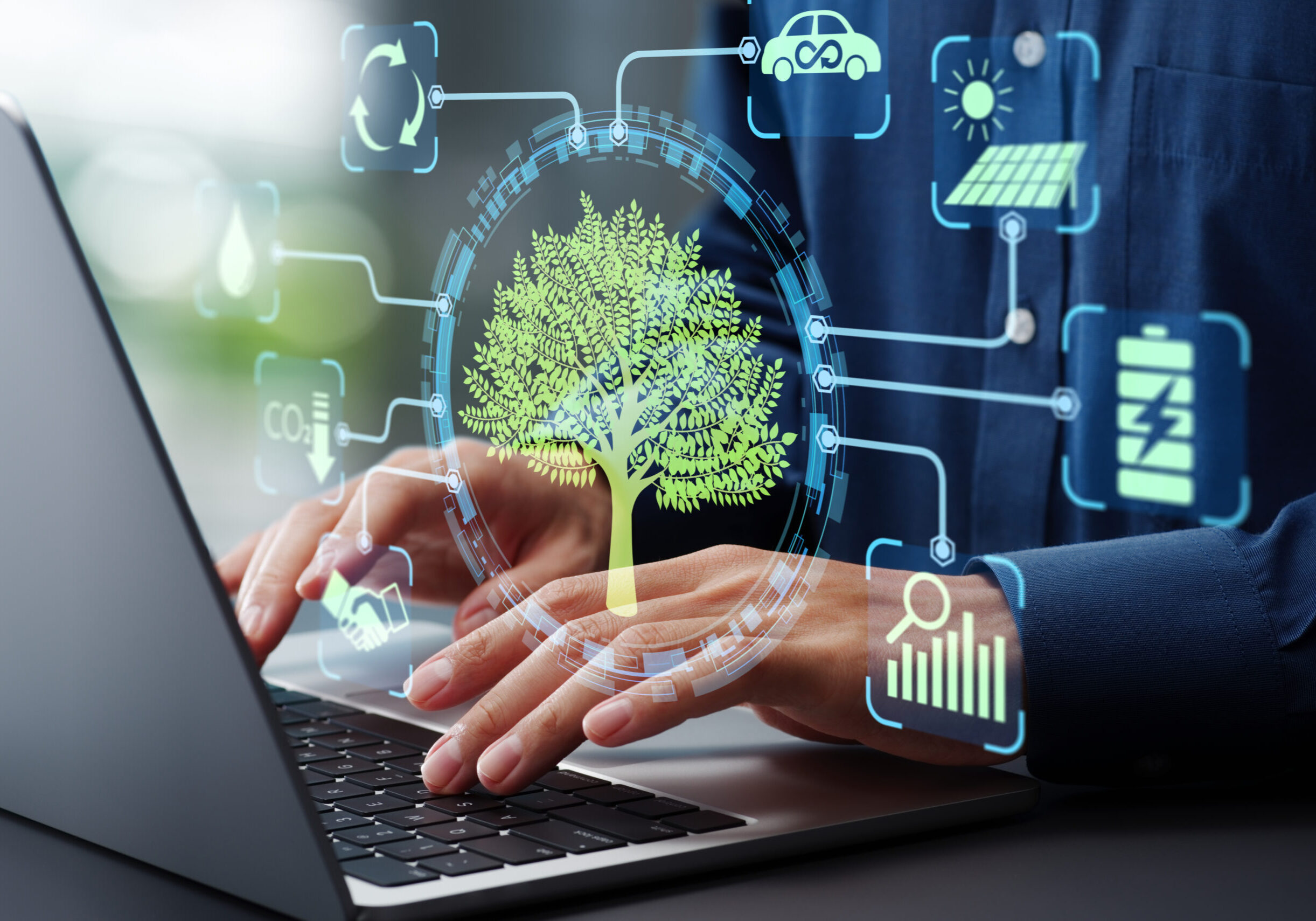
Sustainability is now a primary priority for many businesses. Both customers and employees want firms to squander less, travel less when they don’t have to, and do things in ways that are better for the environment. But these changes need more than simple revisions to the laws; they need the tools that people use every day. Using paper or separate emails, which are old-fashioned ways of doing things, takes longer and is less efficient. To stay on track with their environmental goals, businesses are utilising project management tools that make it easier for people to work together and reduce activities that require a lot of resources.
Digital technologies not only help reduce waste but also revolutionise how people work. They make eco-friendly work a regular part of life by letting people work together without paper, reducing travel, and making it easy to observe how sustainable practices are being employed. Lark delivers companies a connected platform that makes sustainability a part of their communication, planning, and doing.
Lark Base: Turning sustainability goals into measurable outcomes
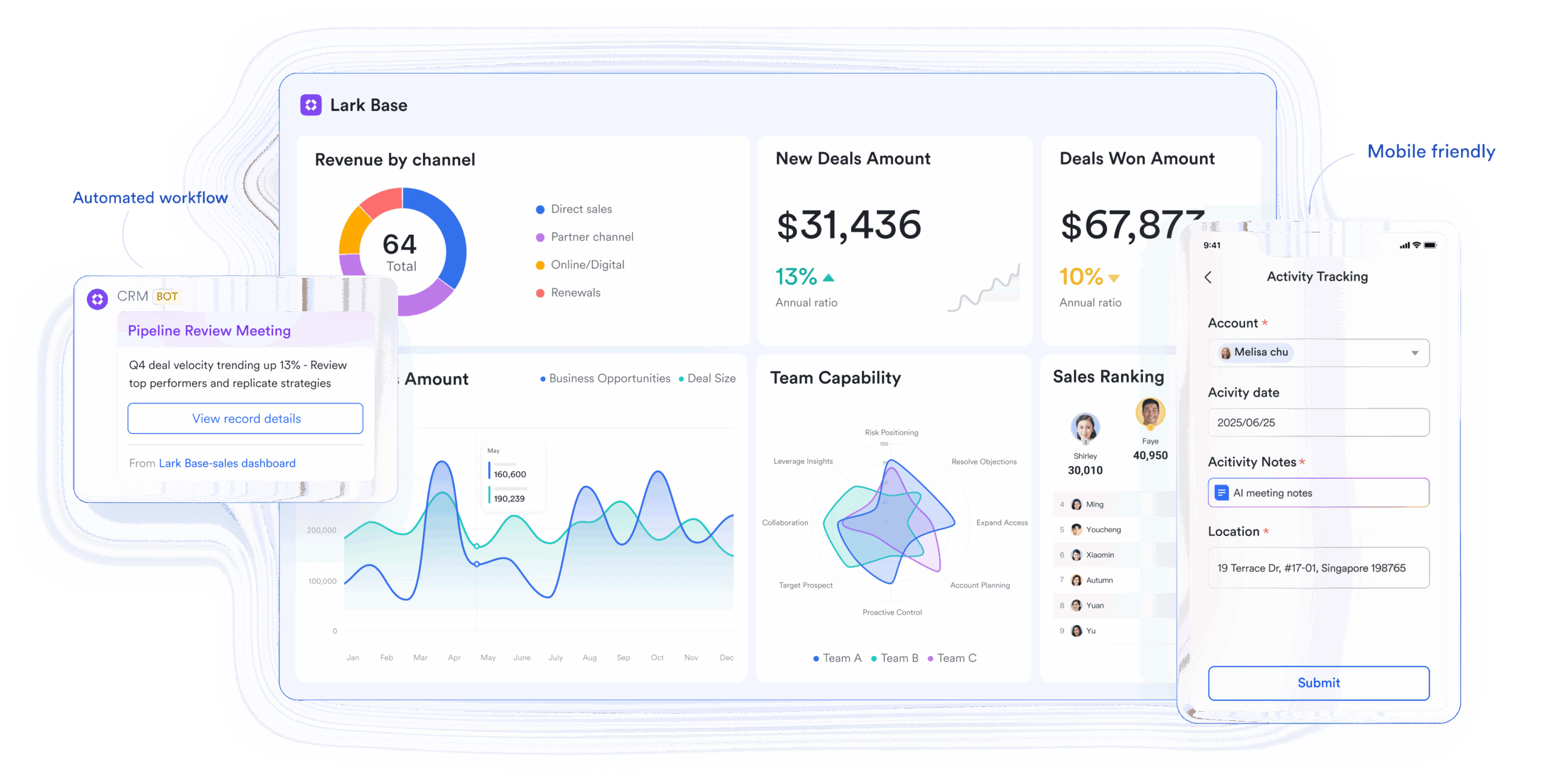 The first step toward sustainability is reliable data. Companies need to track goals, measure initiatives, and monitor employee performance alongside environmental indicators. Lark Base provides this structure by centralising projects, supplier records, and reporting metrics in one place. Beyond collaboration, Base is also conducive to building a CRM app—making it easier to connect sustainability reporting with customer data, operations, and long-term business goals.
Teams can track tasks like cutting waste or saving energy, hand them off to someone else, and see how they’re doing in real time. By combining all of this information in one place, organisations make sustainability more concrete and less abstract. Also, employees can see how their job helps the organisation attain its greater goals, which makes them feel more responsible and motivated.
Base also lets you change views and filters, helping teams present sustainability data in a way that works best for each group that needs it. Leaders can see high-level dashboards, while project teams can see detailed data. This keeps things simple and makes sure that everyone knows what’s going on.
Lark Calendar: Reducing travel through smarter scheduling
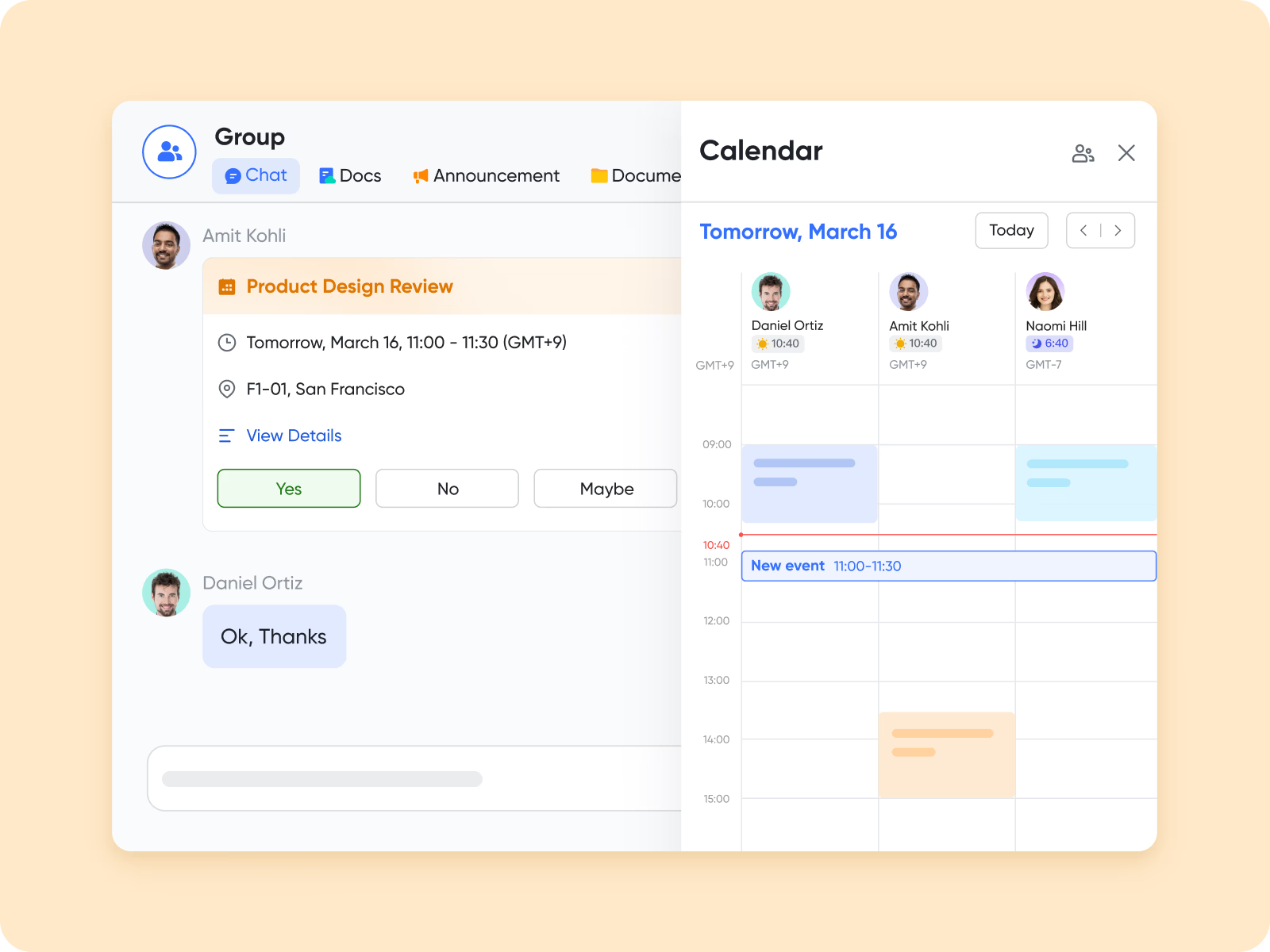
People’s carbon footprints are typically very high because they go on business trips. The Lark Calendar helps decrease this effect by making it easy to work from home and work together online. Teams can schedule regular assessments of their sustainability, video check-ins, and let each other know when they are free across time zones.
Smart reminders and shared calendars can help you have fewer in-person meetings. Instead of flying across regions to acquire information, employees can work together to set up digital-first connections. This adjustment will lower emissions over time while still keeping global teams on the same page and responsible.
You may also link meeting materials, like notes or agendas, to calendar events. This ensures that online meetings are just as useful as in-person meetings. This keeps meetings about sustainability on track and stops them from happening again, which saves staff time and energy.
Lark Docs: Paperless policies and knowledge sharing
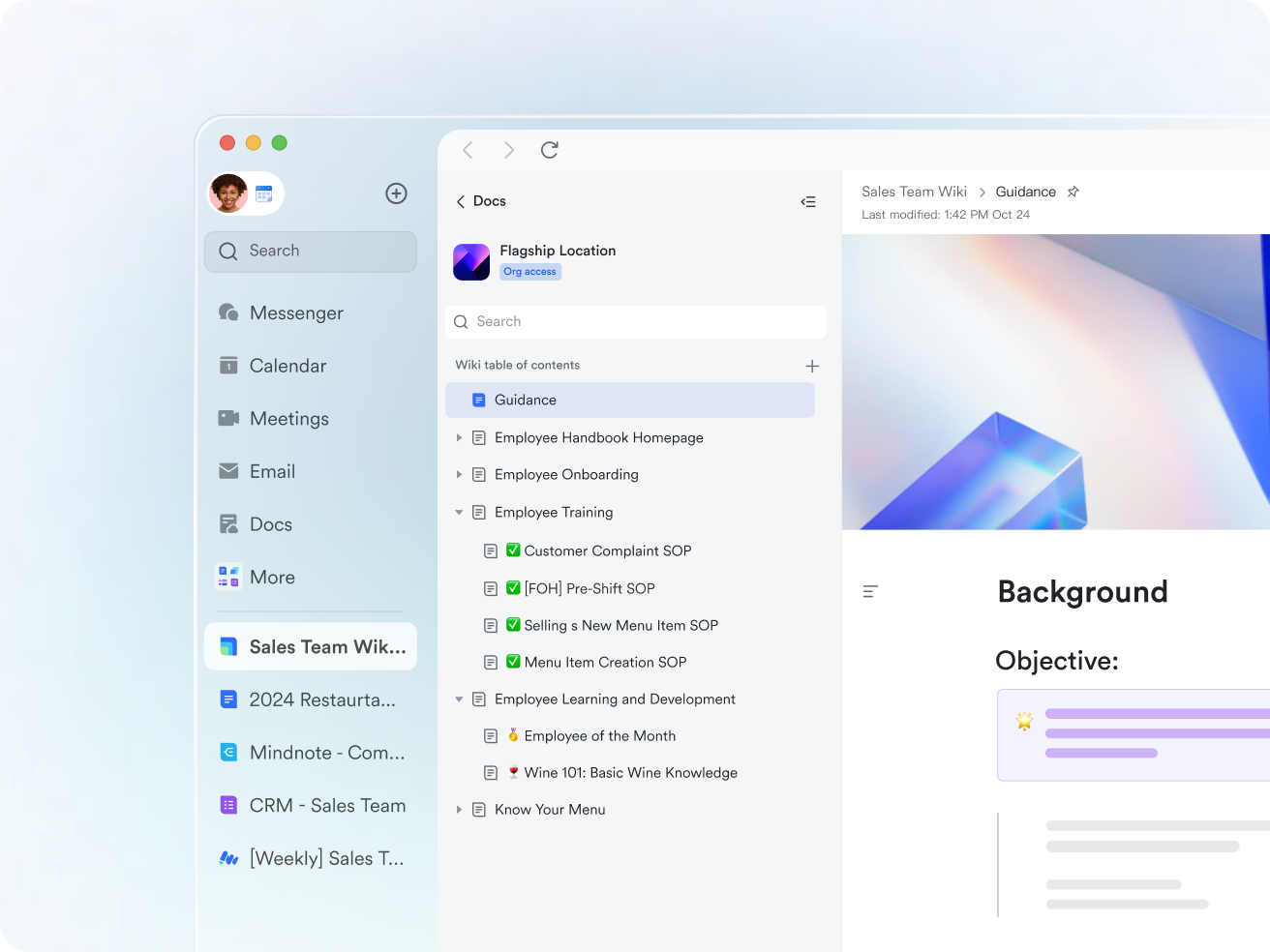
We need to quit using obsolete manuals and printed materials at work if we want to be more environmentally friendly. Lark Docs is a digital-first alternative that helps teams create, share, and update project documents, training materials, and sustainability standards without using any paper.
Docs keeps a clear record of changes, so policies can change without anybody knowing. When employees work on paper together in real time, they don’t have to print things out or make copies as often. By publishing policies, reports, and goals online, companies make it easy to share information and uphold their commitments to environmental sustainability.
Docs also enables you to comment and change things in real time, which means you don’t have to send messages back and forth as often. This not only helps people work together faster, but it also makes sure that there are fewer duplicate files. This helps keep the digital clutter to a minimum while keeping the process going and successful.
Lark Sheets: Tracking sustainability metrics with automation
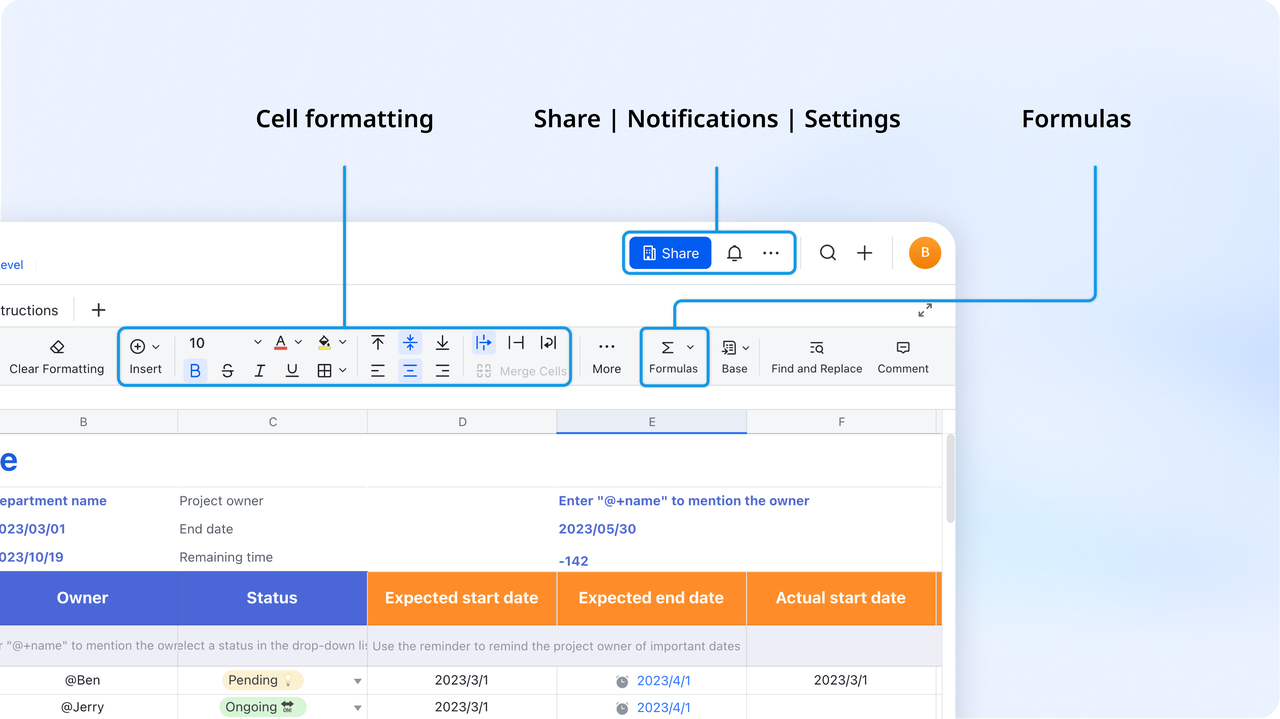
Sustainability goals function when you can tell that you’re making progress. Lark Sheets allows teams to keep track of and record crucial performance data like energy use, travel reduction, or recycling targets in real time. Sheets are better for collaborative work than static spreadsheets because multiple teams can edit and see results simultaneously.
An automated workflow can help businesses collect and report data more easily, which means less work for people. For example, information on how much energy was saved or how well a supplier followed the rules can go straight into Sheets, creating a live sustainability dashboard. This not only saves time, but it also makes sure that leaders always have the right, most recent information to use when they report and make choices.
Sheets also give teams charts and summaries that show how far they’ve come in terms of sustainability, which makes it easier to understand complex data. Clear visualisations help businesses communicate to employees, customers, and other stakeholders more about how well they are doing environmentally.
Lark Meetings: Enabling low-carbon collaboration
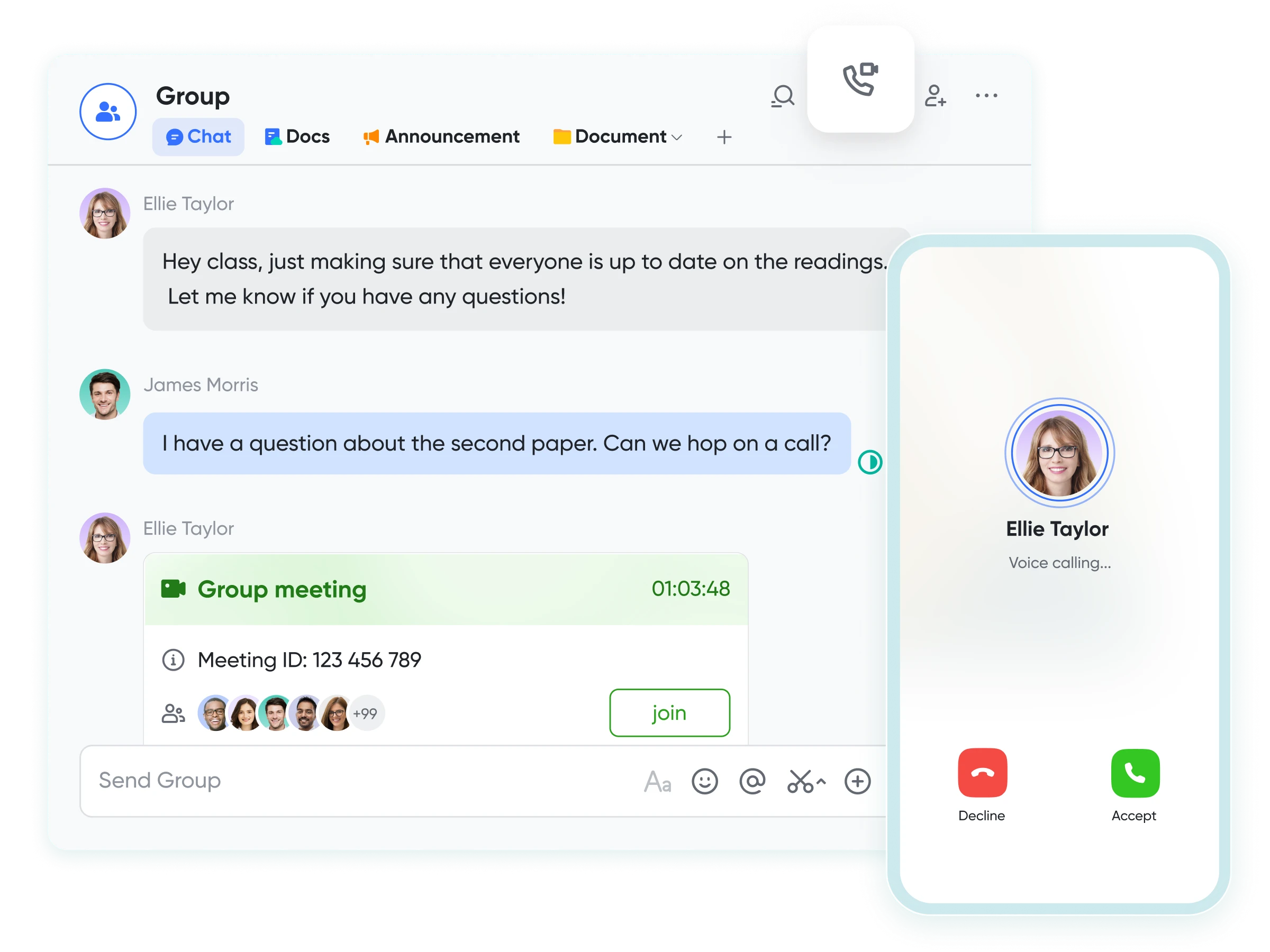
One of the easiest ways to encourage sustainability is to reduce the need to travel. Lark Meetings makes this possible by allowing teams to have virtual meetings that are just as wonderful as real ones. Meetings can still be useful without having to travel since they let people share screens, notes, and chat in real time.
Groups can also record sessions so they can use them later. This means that you won’t have to have the same conversations over and over again, and it makes sure that information is saved digitally. Companies save money and have a far less significant environmental impact when they transition from in-person meetings that require extensive travel to secure, high-quality video meetings.
The Lark Calendar also works with meetings, so employees always know when they are and can get ready ahead of time. This avoids last-minute cancellations and repeated calls, making it easier for everyone to work together and saving resources.
Lark OKR: Aligning sustainability with business outcomes
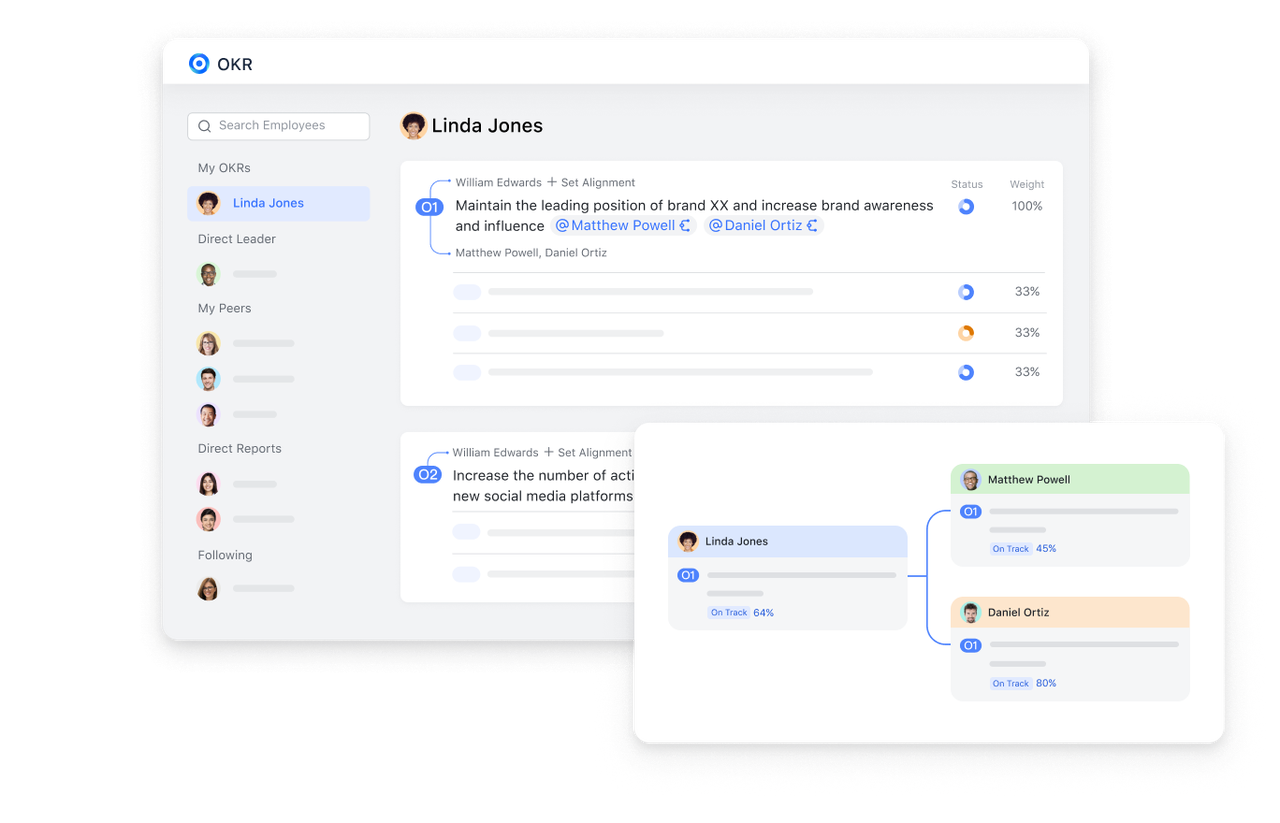
For sustainability projects to be successful, they need to have clear, measurable targets. With Lark OKR, you can set goals like lowering emissions, cutting down on waste, or making things more efficient, keeping track of them, and rate how well you’re doing. Workers can observe how their work helps the organisation reach its long-term goals for sustainability.
OKRs also let leaders know how things are doing in real time, which helps them uncover successes and problems that need to be improved. Businesses that incorporate sustainability into their strategy ensure that eco-friendly operations are not seen as side projects but as significant components of their business.
You can also share OKR dashboards with everyone in the firm. This will let employees celebrate their progress toward sustainability goals. This level of attention makes eco-friendly initiatives more important and keeps teams focused on their long-term environmental goals.
Conclusion
Eco-friendly activities should be a regular element of work to make the workplace more sustainable. Lark helps organisations make their daily tasks more environmentally friendly by giving them organised data in Base, paperless collaboration in Docs, more innovative scheduling in Calendar, and fewer trips in Meetings. OKRs connect environmental goals to larger business goals, and Sheets make it easy to see how far you’ve come.
Making the digital workplace more sustainable helps companies reduce waste, empower employees, and hold individuals more accountable. With Lark, businesses gain more than simply a way to boost productivity. They also get a long-term growth foundation that balances performance and responsibility. These digital-first methods can help companies meet their sustainability goals and make workplaces that employees and consumers are glad to work at.