

Common Mistakes in Listed Property Conservation
by Northern Life
Conservation succeeds when restraint and knowledge guide action.
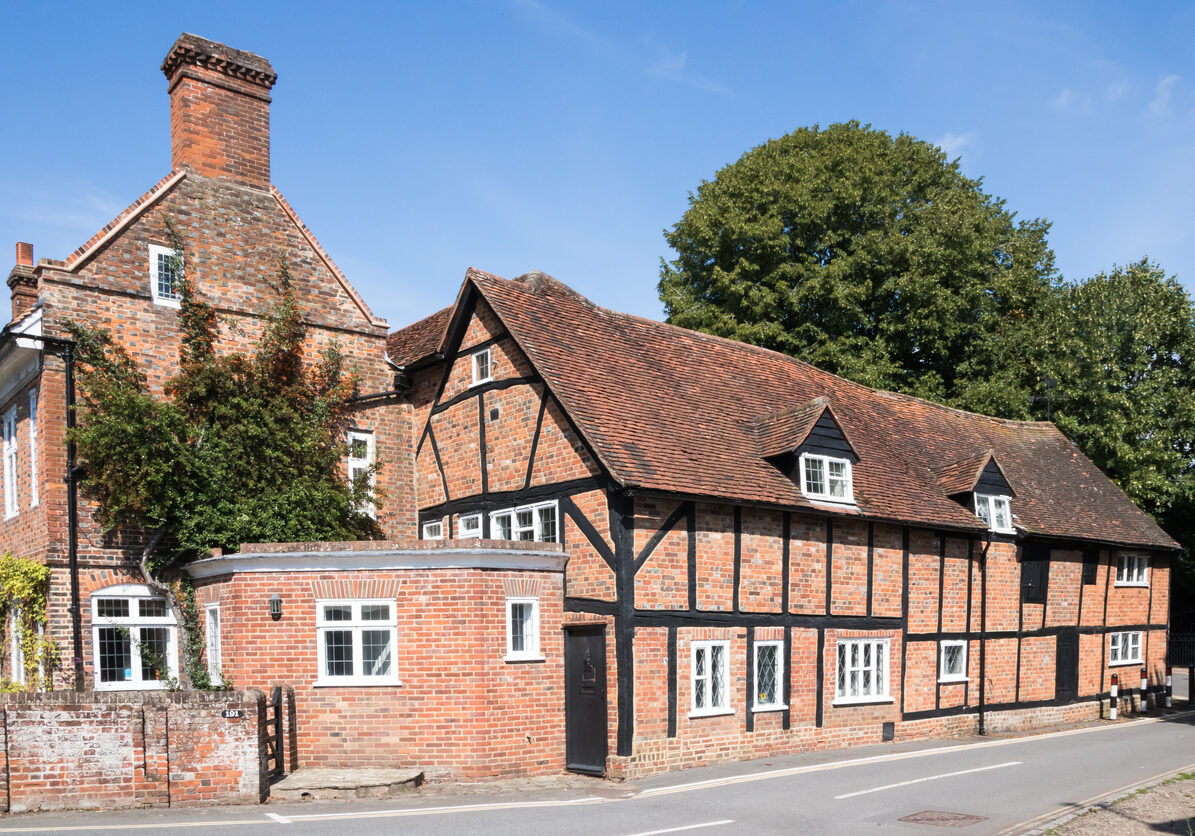
Listed buildings carry legal protection because of their architectural or historic importance. Any work carried out on them must respect that status. Problems arise when owners treat conservation like standard refurbishment. Even well-intentioned changes can damage heritage value or breach UK regulations. Working with commercial conservation architects and understanding common pitfalls helps owners protect both the building and themselves from costly consequences.
Assuming Listed Status Only Affects Exteriors
A frequent misunderstanding is that the listing applies only to the outside of a building. In reality, protection usually covers the entire structure, inside and out. Internal features such as staircases, fireplaces, plasterwork, and even floor layouts can be protected. Removing or altering these elements without consent can result in enforcement action. Assuming internal changes are exempt is one of the quickest ways to fall foul of regulations.
Replacing Instead of Repairing
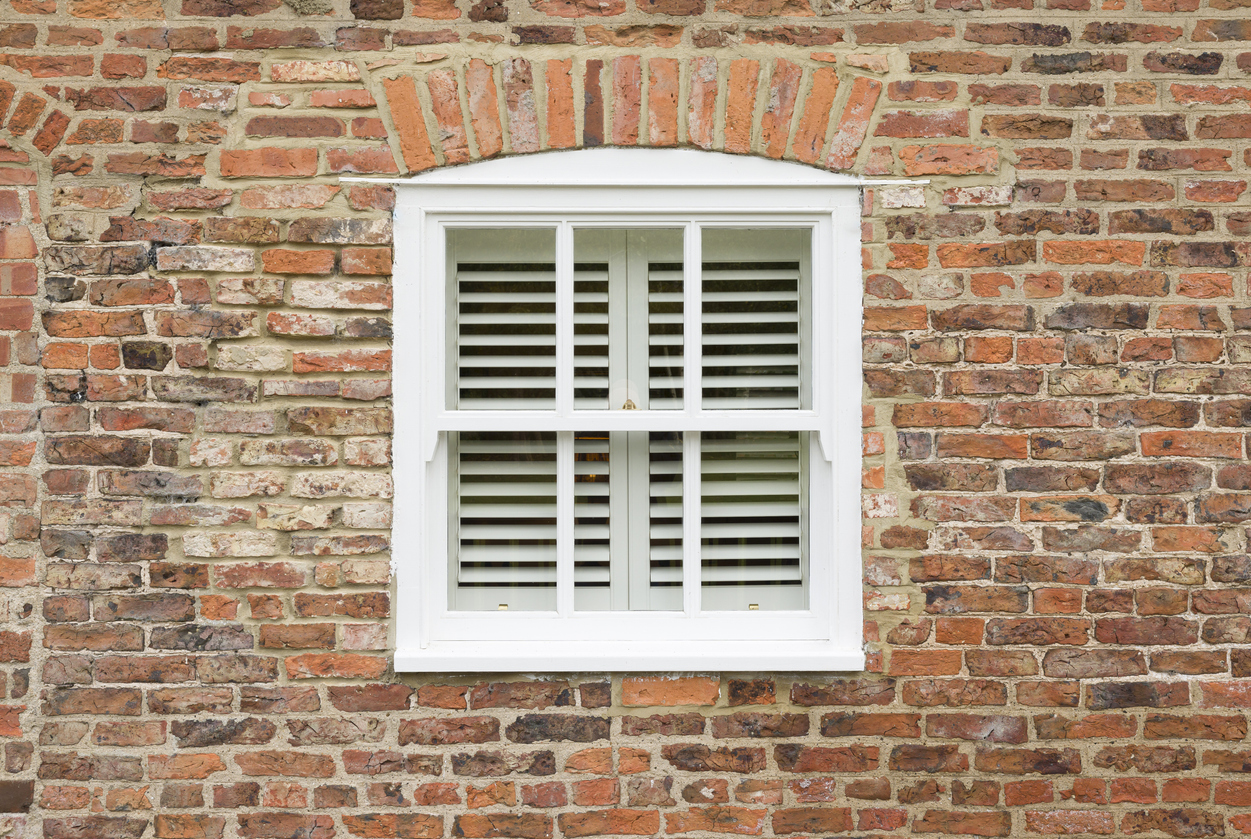
Modern construction often favours replacement for speed and convenience. In listed property conservation, this approach is usually inappropriate. The original materials were selected for specific performance reasons. Timber windows, lime plaster, and stone masonry often function better when repaired rather than replaced. Removing historic fabric unnecessarily undermines authenticity and may result in the refusal of consent. Repair should always be explored before replacement is considered.
Using Incompatible Modern Materials
Introducing modern materials into historic buildings can cause long-term damage. Cement mortars, modern renders, and impermeable paints trap moisture within traditional walls. Historic buildings rely on breathable construction. Blocking moisture movement leads to decay, dampness, and structural stress. Using materials incompatible with the original fabric is a common, costly mistake that often requires additional remedial work.
Carrying Out Work Without Consent
Listed Building Consent is required for many changes, including some repairs. Proceeding without approval is not a minor administrative error. Unauthorised works can result in enforcement notices requiring reinstatement. In severe cases, prosecution is possible. Even if work improves appearance, lack of consent can still constitute a breach. Securing approval before starting protects owners from legal and financial risk.
Treating Conservation As A Design Exercise
Conservation is not about imposing a new design vision. It is about understanding and responding to what already exists. Over-designed interventions often conflict with historic character. Features that appear subtle in drawings may feel intrusive in reality. Conservation should be evidence-led, focusing on preserving significance rather than introducing unnecessary change.
Ignoring Building History And Phases
Many listed buildings evolved over centuries. Later additions may hold significance in their own right. Removing elements because they do not match an assumed “original” period can erase valuable layers of history. GExemplaryconservation recognises that buildings change over time. Decisions should be based on research rather than personal preference.
Choosing Contractors Without Heritage Experience

Not all builders understand historic construction. Inappropriate workmanship can cause irreversible damage even when intentions are good. Specialist skills are required for tasks such as lime plastering, timber repair, or stone conservation. Using contractors without relevant experience increases the risk of poor outcomes. Heritage work demands patience, care, and technical understanding.
Overlooking Maintenance In Favour Of Alteration
Many issues in listed buildings arise from neglect rather than design flaws. Blocked gutters, damaged roofs, and poor drainage are the primary causes of deterioration. Owners sometimes focus on alterations while ignoring basic maintenance. Addressing routine issues early prevents larger failures and reduces the need for intrusive repairs later. Maintenance is a core conservation principle, not an optional extra.
Misjudging Cost And Timeslines
Conservation work often takes longer and costs more than standard building projects. This reflects the care required, not inefficiency. Underestimating time and budget leads to rushed decisions and compromised outcomes. Realistic planning avoids pressure to cut corners, which often results in non-compliant work or future repair costs.
Failing To Document Changes Properly
Good conservation relies on records. Materials, methods, and reasoning should be documented clearly. Lack of documentation creates problems for future repairs, sales, or consent applications. Records demonstrate compliance and help future owners understand what has been altered and why.
Treating Listed Buildings Like Modern Assets
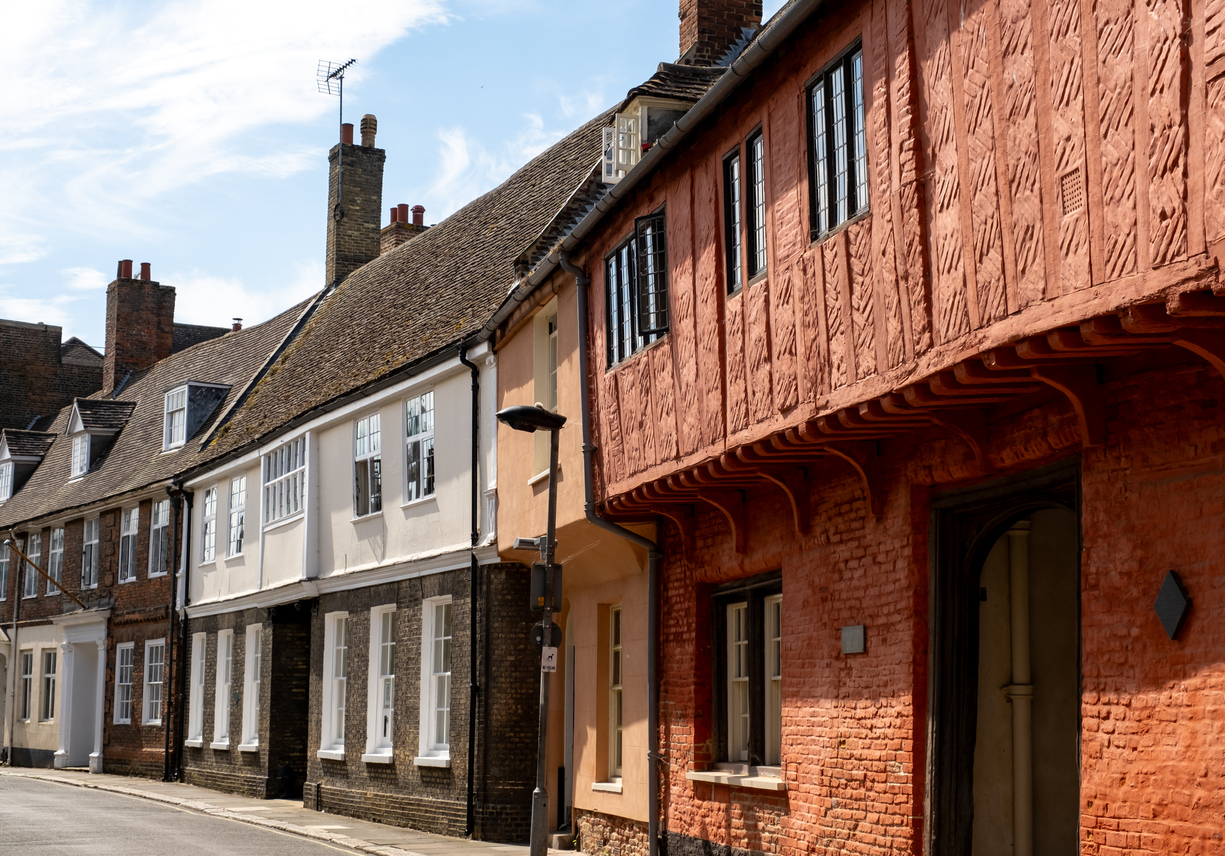
Listed buildings behave differently from modern structures. Applying modern performance expectations without adaptation leads to problems. For example, attempting to make an old building completely airtight may cause condensation and decay. Conservation requires working with the building’s characteristics rather than forcing modern standards indiscriminately.
Poor Communication With Authorities
Local planning authorities are often seen as obstacles rather than partners. This mindset causes unnecessary conflict. Early engagement encourages constructive dialogue. Clear explanations and supporting information help officers assess proposals more efficiently. Poor communication often delays approvals and increases frustration on both sides.
Learning From Common Errors
Most conservation mistakes stem from misunderstanding rather than malice. Listed buildings require a different mindset. Understanding legal obligations, respecting the original fabric, and engaging appropriate expertise significantly reduce risk. Each decision should be guided by evidence, compatibility, and long-term impact.
Protecting Heritage Through Informed Choices
Conservation succeeds when restraint and knowledge guide action. Avoiding common mistakes protects both the heritage value and the owner’s investment. By seeking appropriate advice, securing consent, and prioritising repair over replacement, owners can care for listed properties responsibly. When conservation is approached thoughtfully, historic buildings remain functional while retaining the character that made them worth protecting in the first place.