


Cold Crypto Wallet and Hot Wallet — the Differences Explained
by Northern Life
When you start managing meaningful amounts of digital assets, choosing the right storage method becomes more than a technical detail — it becomes a risk-management decision. And with more companies stepping into Web3, the topic of crypto wallets for business often surfaces in discussions about safeguarding both operational funds and long-term reserves. Whether you’re an active trader or someone building a long-horizon portfolio, understanding the difference between a hot wallet and a cold wallet is crucial.
Hot Wallet — How It Works and the Types
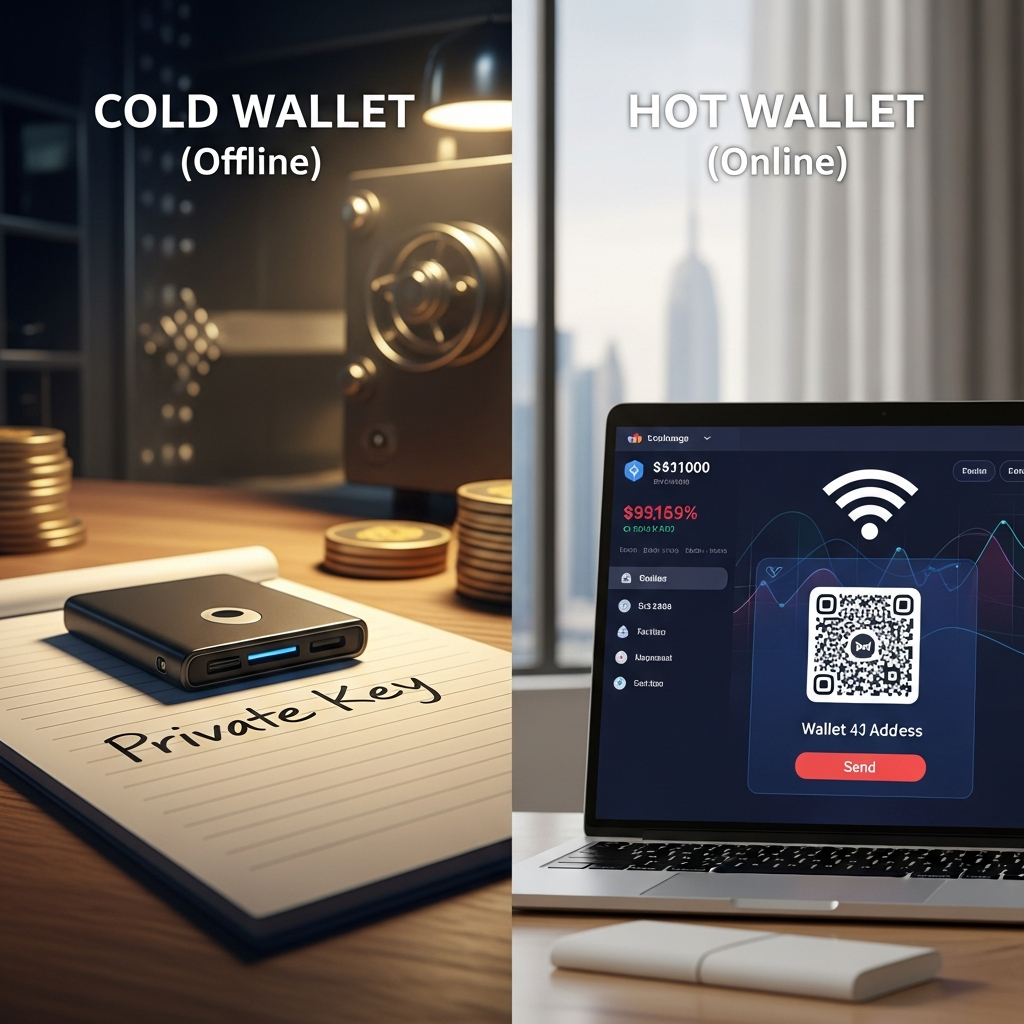
A hot wallet is any wallet that stays online, meaning it’s connected to the internet or to a device that regularly uses it. This constant connectivity makes hot wallets ideal for traders who need to move fast. If you’re juggling tokens across chains or catching short-lived market opportunities, you’ll appreciate how quickly these wallets authorise transactions.
Most hot wallets fall into a few well-known categories:
- Mobile or desktop apps. Think of common trading apps or multi-asset wallets. They’re intuitive and perfect for everyday use
- Browser extensions. Popular in DeFi, these let you interact with dApps, NFTs, and decentralised exchanges without friction.
- Platform-specific wallets. Some are built for a single ecosystem — for example, wallets dedicated to Ethereum or Solana tools.
The biggest advantage of a hot wallet is convenience. You can sign, send, swap, or stake within seconds. But the trade-off is security. Because hot wallets never disconnect, they’re more exposed to phishing, malware, key-logging, or human error. Strong passwords, 2FA, and cautious browsing help, but they don’t remove the inherent risks of constant internet connectivity.
Cold Wallet — Types and Benefits, the Difference from a Hot Wallet
A cold wallet takes the opposite approach. It stores your keys offline, keeping them physically separated from the internet unless you choose to connect it for a transaction. This isolation dramatically reduces exposure to online attacks, making a cold wallet the go-to choice for long-term holders and anyone securing high-value assets.
Cold wallets come in several forms:
- Hardware devices. These look like USB drives, car key fobs, or even slim cards. They sign transactions internally, so your private keys never touch a connected device.
- Air-gapped systems. These never connect to the internet. Transactions are transferred between devices via QR codes or removable drives.
- Paper keys. Not widely used today, but technically still a “cold” method — a printed version of your keys stored in a safe place.
The main benefit is robust security, but cold wallets also come with their own responsibilities. They can be misplaced, damaged, or incorrectly backed up. Compared to a hot wallet, they’re less convenient; you need a few extra steps to move funds. Traders often say it feels like walking to the bank instead of tapping your phone — slower, but far safer.
The big distinction is simple: hot wallets operate online, while cold wallets operate offline. One prioritises speed; the other prioritises protection.
Choosing between a hot wallet and a cold wallet depends on how you trade, how often you transact, and how much risk you’re willing to take. Many traders combine both: fast liquidity in the hot wallet, deep storage in the cold one. It’s a balanced approach that keeps your crypto ready for action while keeping your long-term assets out of harm’s way.