

Chronic Obstructive Pulmonary Disease (COPD) and Its Impact on Respiratory Health
by Northern Life
COPD encompasses two primary entities: chronic bronchitis and emphysema
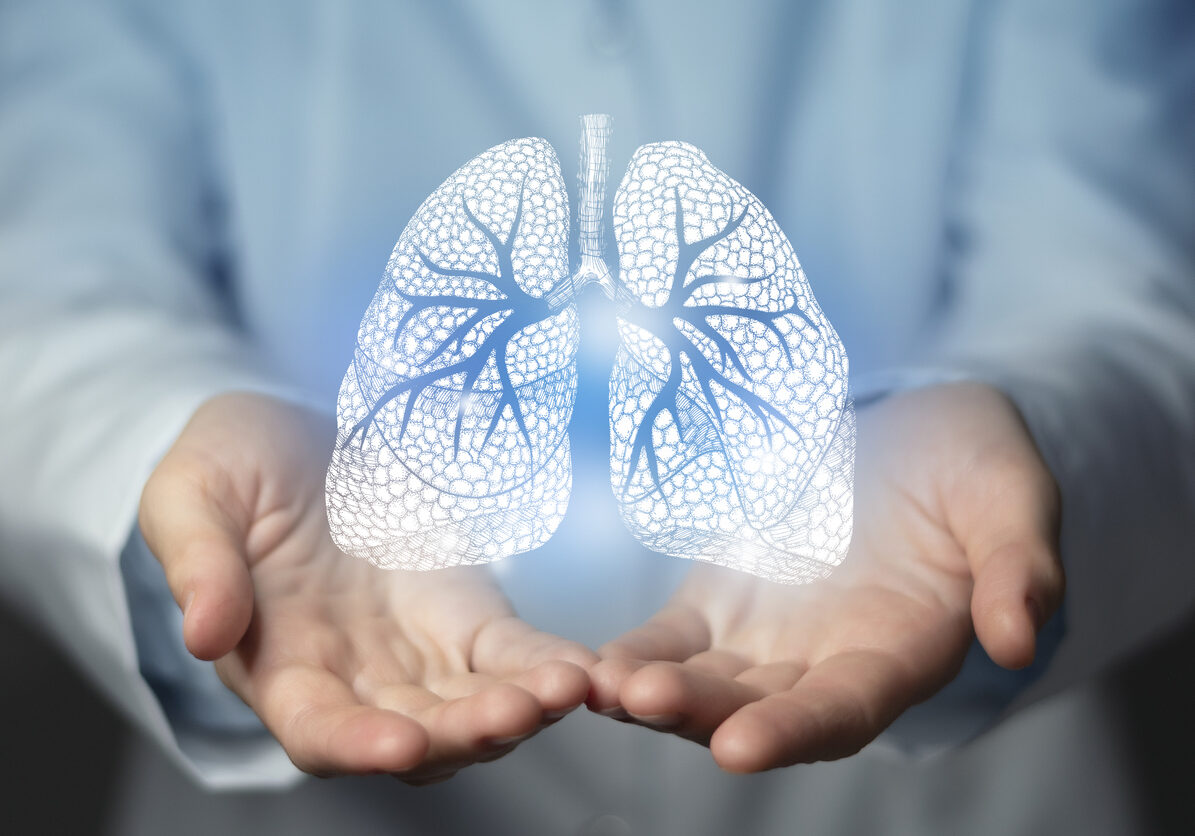
COPD is a common, preventable, and treatable chronic respiratory condition characterised by persistent airflow limitation that is usually progressive and associated with an enhanced chronic inflammatory response of the airways and lungs to noxious particles or gases. It encompasses two primary entities: chronic bronchitis and emphysema, and many people have components of both.
Key Facts
- Prevalence and burden: COPD affects hundreds of millions worldwide and is a leading cause of morbidity and mortality. It often remains underdiagnosed until symptoms are advanced.
- Risk factors:
- Tobacco smoke exposure (most significant),
- Environmental and occupational pollutants (dust, fumes, chemical exposures),
- Genetic factors (e.g., alpha-1 antitrypsin deficiency in a subset),
- Poor prenatal and early life factors can influence risk and trajectory.
- Symptoms:
- Chronic cough
- Increased sputum production
- Shortness of breath (dyspnea), particularly with exertion
- Wheezing and chest tightness
- Fatigue and reduced exercise tolerance
- Pathophysiology:
- Airflow limitation due to small airways obstruction and parenchymal destruction.
- Chronic inflammation leads to airway remodelling, mucus hypersecretion, and loss of elastic recoil.
- Gas exchange impairment: hypoxemia (low blood oxygen) and, later, hypercapnia (high CO2) in advanced disease.
- Comorbidities: cardiovascular disease, pulmonary hypertension, osteoporosis, anxiety/depression, and metabolic syndrome are common and influence outcomes.
Impact on Respiratory Health
Lung Structure and Function
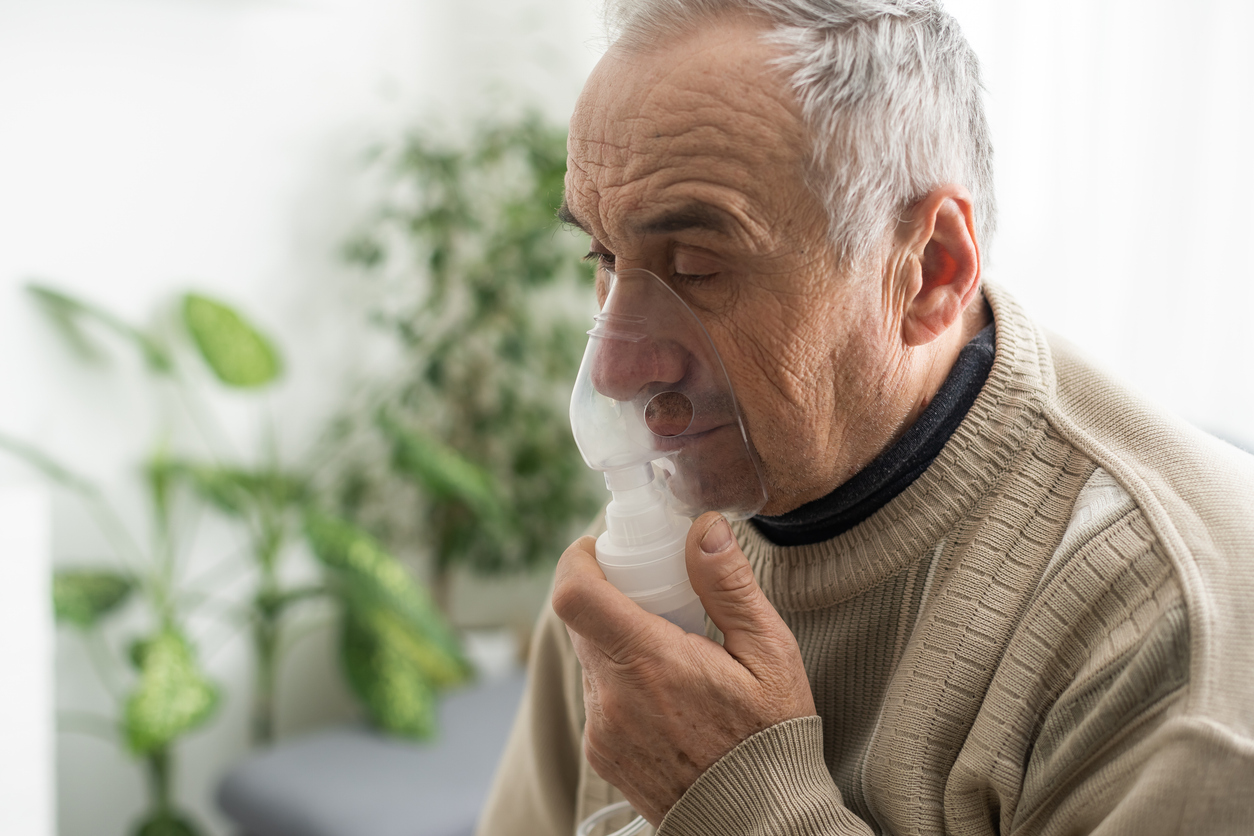
- Airflow limitation: Reduced expiratory airflow due to narrowed airways and destroyed alveolar walls.
- Gas exchange impairment: Diffusing capacity for carbon monoxide (DLCO) drops as emphysema progresses.
- Hyperinflation: Air trapping increases lung volumes, flattening the diaphragm and increasing the work of breathing.
Symptoms and Quality of Life
- Breathlessness: Progressive dyspnea limits daily activities, leading to avoidance of activities and deconditioning.
- Chronic cough and sputum: Persistent mucus production can disrupt sleep and social activities.
- Exercise intolerance: Reduced endurance due to ventilatory limitation and dynamic hyperinflation.
Exacerbations
- Acute exacerbations: Worsening of symptoms (often triggered by infections or environmental factors) that can accelerate lung function decline, increase hospitalisations, and worsen health status.
- Management impact: Exacerbations drive the need for intensive treatments, including systemic corticosteroids and antibiotics, and can lead to complications.
Gas Exchange and Oxygenation
- Hypoxemia: Lower arterial oxygen levels can occur at rest or with exertion, contributing to fatigue, cognitive effects, and heart strain.
- Hypercapnia: In advanced disease, CO2 retention can occur, leading to headaches, confusion, and respiratory failure if untreated.
Pulmonary Hypertension and Right Heart Strain
- Chronic lung disease can induce pulmonary vascular remodelling, elevating pulmonary arterial pressures and straining the right heart (cor pulmonale) in severe COPD.
Diagnosis and Monitoring
- Spirometry: Essential diagnostic test showing a reduced FEV1/FVC ratio that is not fully reversible after bronchodilators.
- Chest imaging: Chest X-ray or CT scan to assess emphysema extent, rule out other diseases, and evaluate COPD complications.
- Assessment tools:
- Global Initiative for Chronic Obstructive Lung Disease (GOLD) staging (based on FEV1 and symptoms/exacerbation history)
- Symptom scales (e.g., mMRC dyspnea scale, COPD Assessment Test)
- Exacerbation risk assessment
- Laboratory and tests: Arterial blood gases (ABG) in advanced cases; pulse oximetry; assessment for comorbidities.
Management and Prevention

Pharmacologic Treatments
- Bronchodilators: Inhaled short-acting (on-demand) and long-acting bronchodilators (LABA, LAMA) to relieve symptoms and reduce exacerbations.
- Inhaled corticosteroids: Used in combination with bronchodilators for patients with frequent exacerbations or eosinophilic phenotype.
- Phosphodiesterase-4 inhibitors and methylxanthines in select cases.
- Antibiotics and systemic steroids during exacerbations.
- Oxygen therapy for chronic hypoxemia.
- Pulmonary rehabilitation: A comprehensive program including exercise training, education, and behavioural interventions.
Non-Pharmacologic Interventions
- Smoking cessation: The most effective intervention to slow disease progression.
- Vaccinations: Influenza, pneumococcal vaccines to reduce respiratory infections.
- Pulmonary rehabilitation: Improves exercise capacity, reduces dyspnea, and enhances quality of life.
- Exercise and activity pacing: Gradual aerobic and strength training tailored to ability.
- Nutrition: Balanced diet; obesity or cachexia can affect outcomes.
- Breathing techniques: Pursed-lip breathing and diaphragmatic breathing to reduce dynamic hyperinflation.
- Air quality management: Minimise exposure to pollutants and occupational irritants.
- Medical devices: Noninvasive ventilation in select cases; airway clearance techniques for mucus expectoration.
Prognosis and Long-Term Outlook
- COPD is a chronic, progressive disease. The rate of decline in lung function varies and is influenced by smoking status, exacerbations, comorbidities, and adherence to treatment.
- Early diagnosis and comprehensive management can slow progression, reduce symptoms, lower exacerbation frequency, and improve quality of life.
What You Can Do Next
If you’re seeking to understand COPD more deeply or manage it, consider:
- If you or someone you know has chronic cough, sputum production, or breathlessness, consult a healthcare provider for spirometry and evaluation.
- Discuss a personalized COPD action plan with your clinician, including medication optimization, smoking cessation, vaccination, and a referral to pulmonary rehabilitation if appropriate.
- Learn about inhaler technique, as improper use reduces effectiveness; ask for a demonstration and spacer if needed.
- Track symptoms and triggers to identify patterns and prevent exacerbations.
Quick Reference: Common Questions
- Is COPD curable? No, but it is treatable. Treatments can slow progression, relieve symptoms, and improve quality of life.
- Can non-smokers get COPD? Yes, though smoking is the primary risk factor. Other causes include long-term exposure to irritants and genetic factors.
- What indicates a COPD flare-up? Worsening dyspnea, increased sputum volume or purulence, fever, or new/worsened cough.
- How is COPD diagnosed? Primarily, spirometry shows airflow limitation that isn’t fully reversible.